Follow Us:
Follow Us:


Defense Feeds – On December 15, 2025, the SBU announced a daring underwater drone assault on a Russian Improved Kilo-class submarine docked at Novorossiysk port.
Using a new tool called the Sub Sea Baby, they claim to have inflicted heavy damage that sidelined the vessel. This Ukraine SBU submarine strike, if proven true, highlights how cheap unmanned tech is challenging Russia’s naval edge.
Details remain unconfirmed without Russian statements or clear photos. Yet the potential impact of this Novorossiysk port attack stirs excitement among experts.
Submarines rank as some of the toughest targets at sea or in harbor. Protected by patrols, barriers and surveillance, they rarely face direct hits like this.
Russia’s past efforts to fortify Novorossiysk with anti-drone nets show they knew Ukraine’s maritime drones posed a real threat, even on home turf.
The SBU teamed up with Ukraine’s Navy through spy networks for the operation. This builds on their Sea Baby surface drones, famous since 2023 for slamming Russian ships.
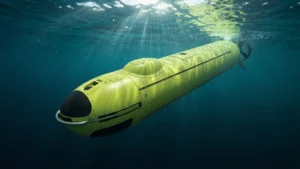
Now comes the underwater Sub Sea Baby, slipping past defenses that stop boats or divers. No full specs yet, but it likely navigates busy harbors, dodges detection and packs a punch below the waterline. Think precise explosives hitting propellers or hull spots while the sub sits tied up.
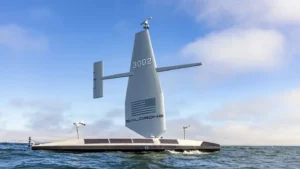
Ukraine’s drone tech has leaped forward fast. The Sea Baby started as an explosive speedboat but grew into versatile platforms.
Newer models boast over 1,500 km range and up to 2,000 kg payloads. Some carry remote weapons, AI targeting, rocket launchers and self-destruct features to avoid capture. The Sub Sea Baby takes this underwater, dodging surface patrols and barriers that guard ports like Novorossiysk.
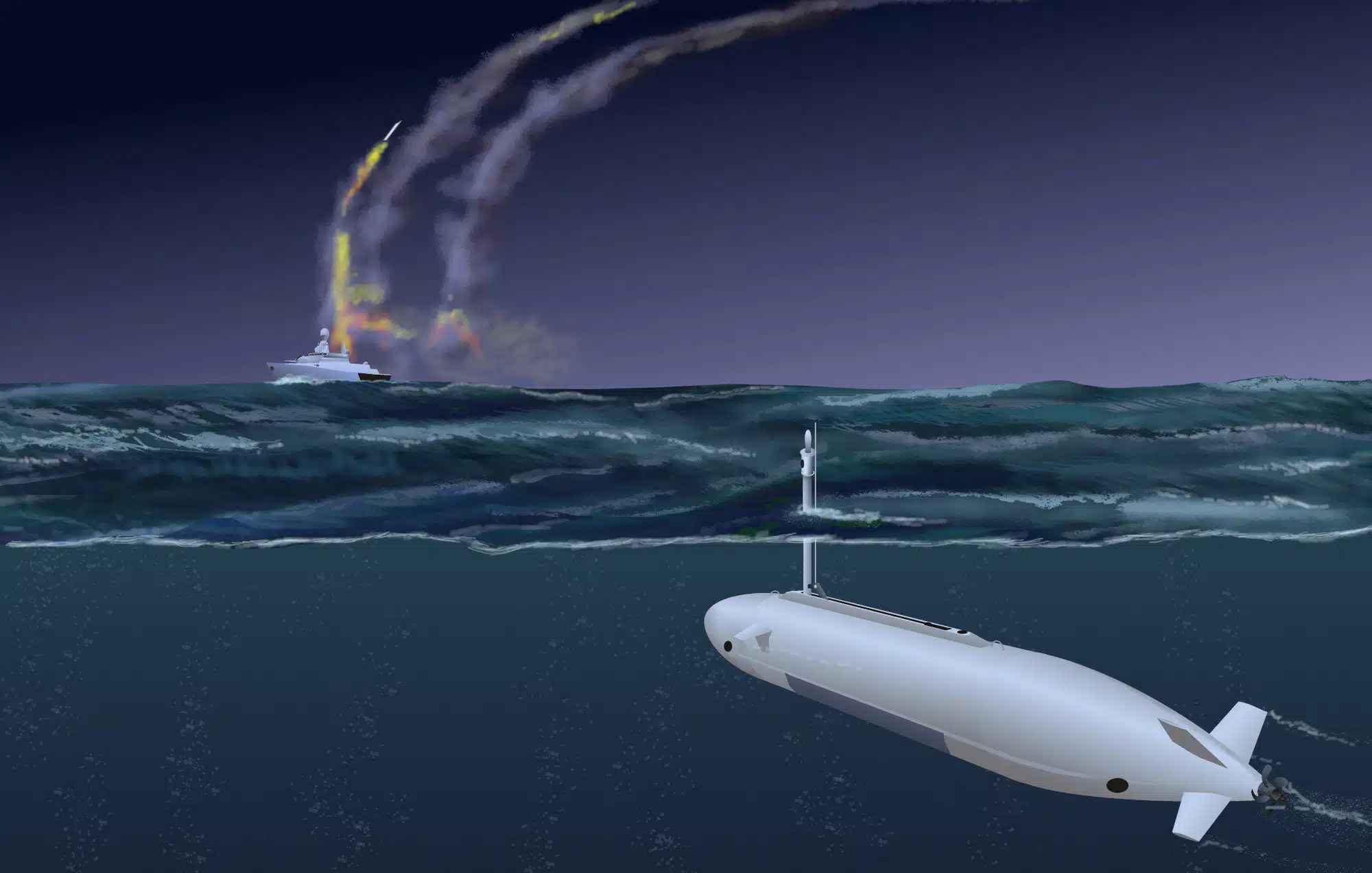
This shift matters big time in the Black Sea naval clash. Surface defenses worked against earlier Ukraine maritime drone attacks, forcing Russia to scatter ships from Sevastopol.
But an underwater drone assault exploits gaps, quiet paths under barriers, no exposure to guns, straight to the sub’s soft underbelly. Success here means Ukraine nailed navigation in cluttered waters plus warheads tuned for key damage like engines or missile gear.
As a military analyst, I see this as proof unmanned systems are flipping naval warfare. Russia spent billions on stealthy subs, yet low-cost drones could neutralize them at anchor. If the Sub Sea Baby scales up, expect more harbor raids, pushing Russia to pour cash into underwater sensors, extra patrols and sabotage hunts.
The hit sub belongs to Russia’s Project 636.3 fleet, an upgraded Kilo-class design for sneaky ops in shallow waters. Stretching 74 meters with 4,000 tons submerged, it runs on diesel-electric power for silent running. A crew of about 50 handles six 533mm tubes firing torpedoes, mines or Kalibr cruise missiles.
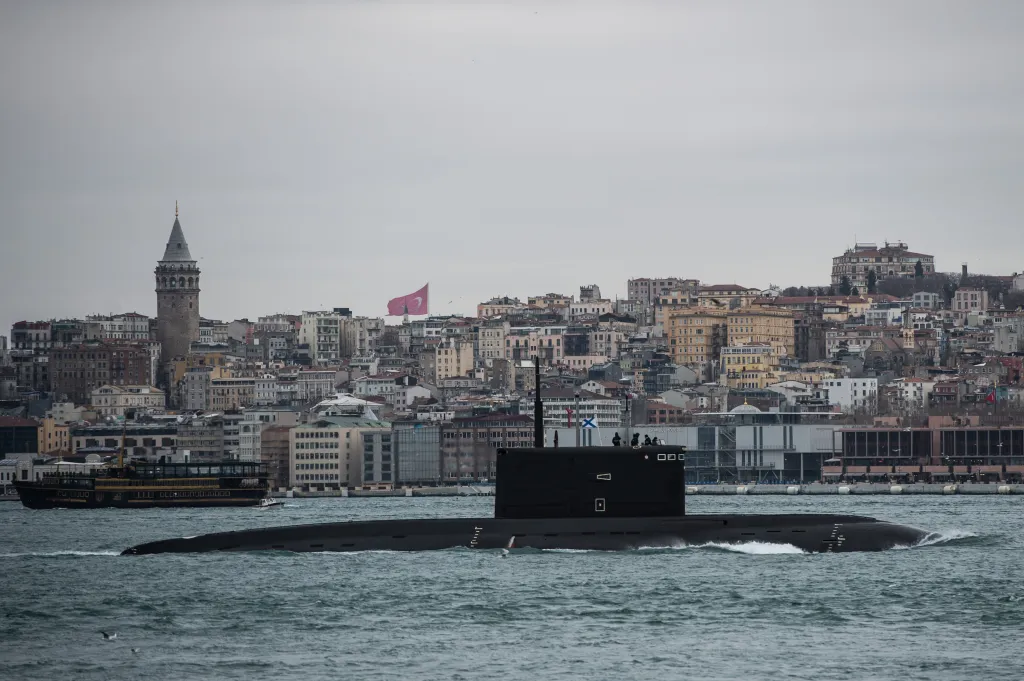
SBU says this one packed four Kalibr launchers, tying it to Russia’s missile barrages on Ukraine.
Those missiles reach 1,500-2,500 km, making each sub a strategic beast for land strikes and ship hunts. Even if not sunk, serious damage means months in drydock. Sanctions bite hard too, scarce parts and yard space drag out fixes.
Kilo-class boats excel at sea denial and salvo attacks from below waves. Losing one cuts Russia’s Black Sea Kalibr firepower right when they need it.
Psychologically, it shakes faith in “safe” ports. Novorossiysk stepped up after Sevastopol got too hot from Ukraine SBU submarine strikes and kin. Now no base feels secure.
This Novorossiysk port attack signals a new era if verified. Russia faces not just sea battles but base defense headaches. Dispersing fleets costs fuel and coordination; beefing up security drains manpower. Ukraine proves acoustic stealth means little against clever drones.
For Kyiv, it’s a morale boost and tactical win. Disabling a Kalibr missile sub curbs Russian air raids without risking sailors.
The Sub Sea Baby joins a lineup of evolving tools—surface, underwater, maybe air next—turning the Black Sea into a drone testing ground.
Russia might hit back with more anti-drone tech or pull subs further east. But the trend favors innovators. Legacy navies with pricey hulls struggle against agile unmanned foes. Watch for confirmation via satellite shots or leaks.
Either way, this Ukraine SBU submarine strike underscores how Black Sea naval clashes now pit brains and bots against steel giants.