Follow Us:
Follow Us:

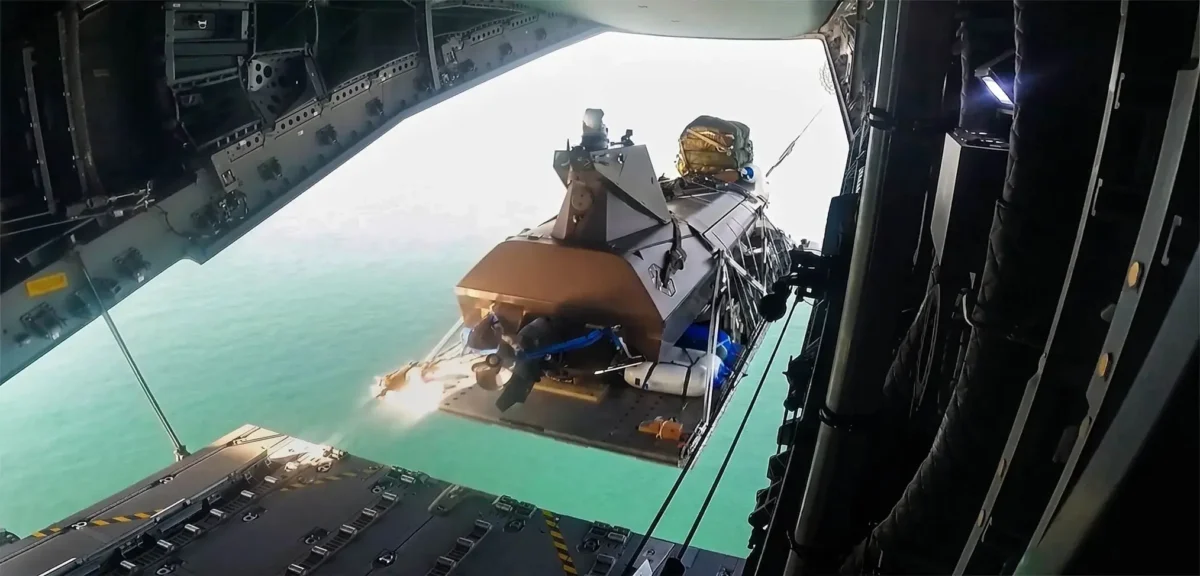
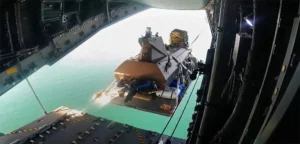
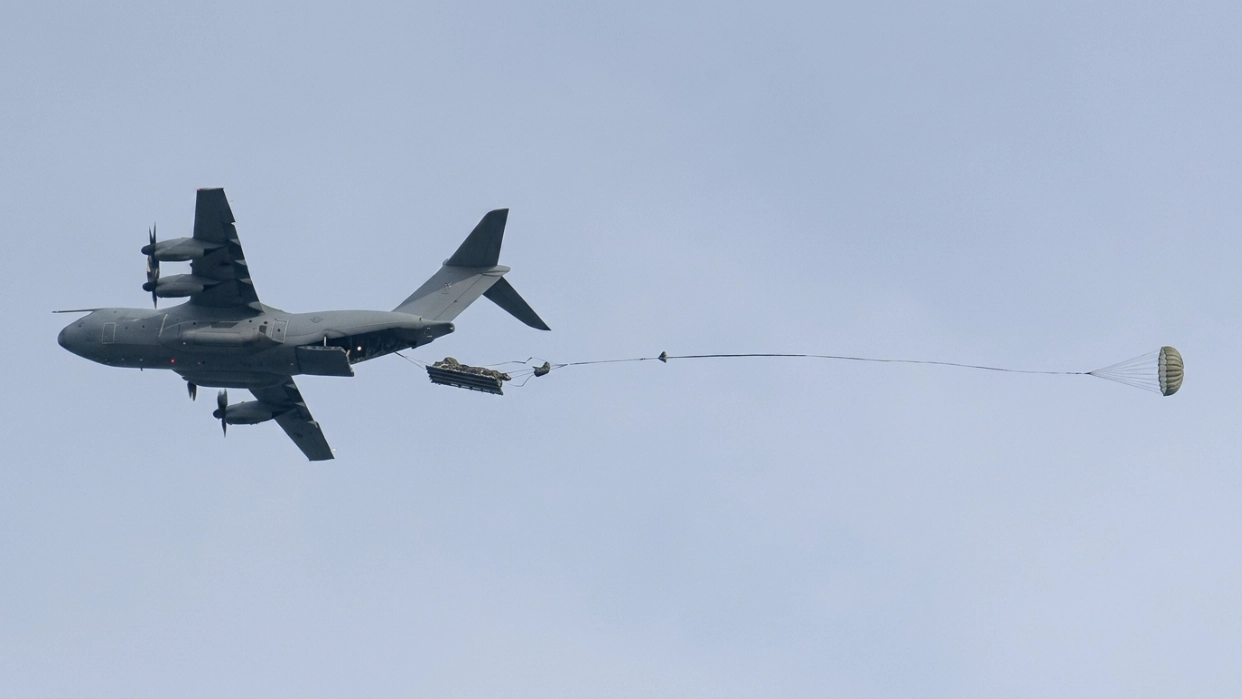
Defense Feeds, London – The Royal Navy is exploring a new way to deploy autonomous maritime systems after successfully demonstrating the Kraken K3 Scout during an airdrop from an Airbus A400M transport aircraft. The trial marks an important step toward giving British forces the ability to rapidly insert unmanned surface vessels into areas where conventional launch facilities may be unavailable or where speed is critical to the mission.
While autonomous boats are becoming increasingly common across modern navies, transporting them directly by air and placing them into the water within minutes introduces a new level of operational flexibility. For expeditionary forces operating far from established naval bases, that capability could significantly shorten the time needed to establish maritime surveillance or reconnaissance around a newly secured area.
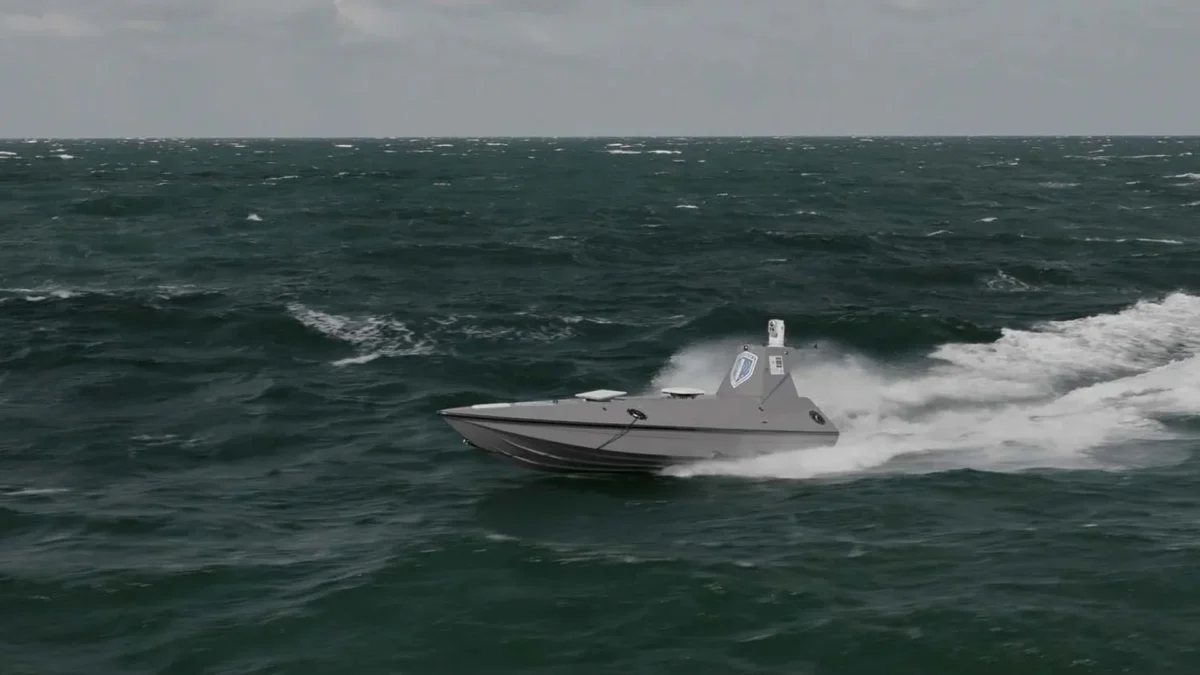
The Kraken K3 Scout was developed as a lightweight uncrewed surface vessel designed to support intelligence gathering, reconnaissance and other maritime missions without exposing sailors to unnecessary risk. By combining the platform with the Royal Air Force’s A400M Atlas transport aircraft, British planners are testing a concept that allows autonomous vessels to accompany airborne or amphibious forces almost anywhere in the world.
Instead of relying on ports, support ships or prepared launch sites, the vessel can be delivered close to the operational area before immediately beginning its assigned mission. That approach is particularly attractive for disaster response, special operations and expeditionary deployments where infrastructure may be limited or inaccessible.
The demonstration also highlights the growing cooperation between the Royal Navy and Royal Air Force as both services explore new ways of integrating autonomous systems into future joint operations.
The value of the Kraken K3 Scout extends beyond the successful airdrop itself. Once deployed, the vessel can undertake tasks that would otherwise require larger crewed platforms, including coastal surveillance, route reconnaissance and maritime security patrols.
Because it operates without personnel onboard, commanders can send the vessel into higher-risk environments where threats from mines, hostile surveillance or small attack craft might make crewed operations more dangerous.
Operationally, that provides another layer of flexibility. Rather than committing expensive patrol vessels or exposing crews to uncertain conditions, autonomous systems can establish an early picture of the operating environment before larger naval assets arrive.
The concept also supports distributed maritime operations, where multiple smaller platforms work together to create a wider surveillance network. This approach is becoming increasingly important as naval forces seek to improve situational awareness while managing limited numbers of major surface combatants.
The Kraken K3 Scout demonstration reflects a broader shift in how Western navies are approaching expeditionary warfare. Modern military operations increasingly require forces to deploy quickly into remote regions while remaining self-sufficient during the early stages of a mission.
An autonomous vessel that can be transported by air and launched immediately after arrival offers clear advantages in those scenarios. It allows commanders to begin collecting intelligence, monitoring coastlines or supporting force protection before traditional maritime support arrives.
The concept also aligns with the Royal Navy’s continuing investment in autonomous and uncrewed technologies across surface, underwater and aviation domains. Rather than replacing conventional ships, these systems are intended to expand the reach of existing naval forces while reducing operational risk.
Looking ahead, similar deployment methods could support humanitarian assistance, maritime border security and coalition operations alongside NATO allies. As autonomous technology becomes more capable and easier to transport, air-delivered uncrewed vessels may become a standard component of future expeditionary task groups.
The successful trial of the Kraken K3 Scout therefore represents more than a technology demonstration. It illustrates how mobility, autonomy and joint-service cooperation are beginning to reshape maritime operations, giving the Royal Navy another tool for responding rapidly to emerging challenges across increasingly complex operational environments.