Follow Us:
Follow Us:

Defense Feeds, Berlin – The expansion of Stinger missile production Europe marks another sign that NATO is reshaping not only its military posture but also the industrial base that supports it.
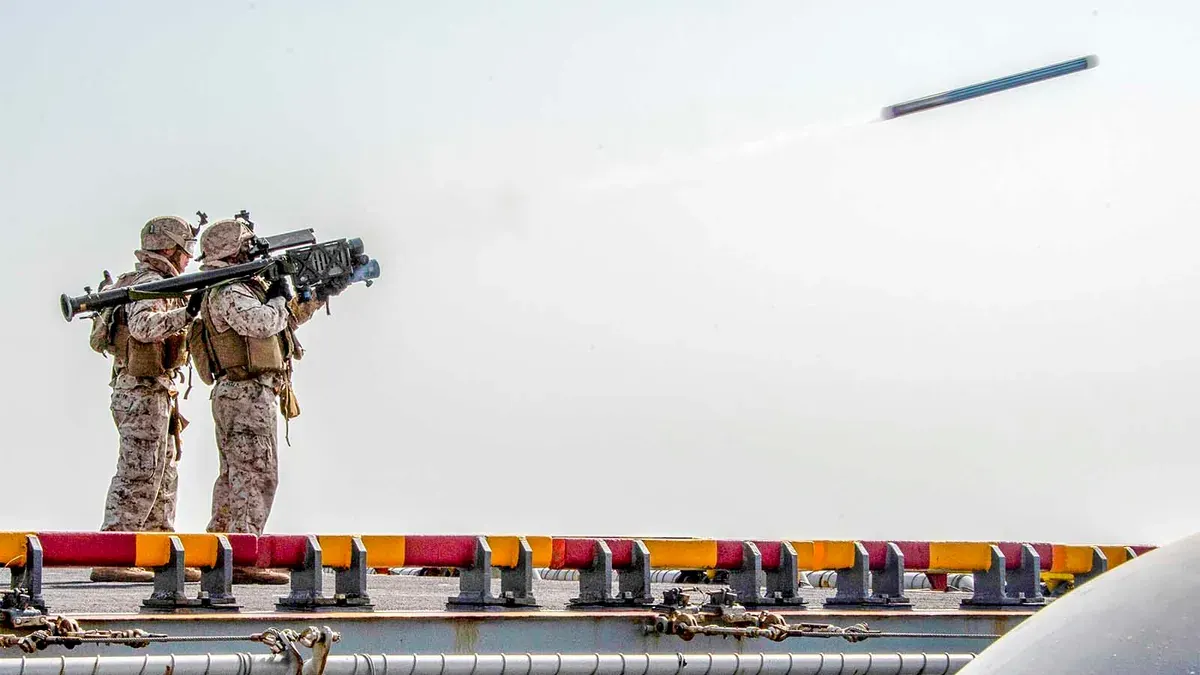
Raytheon is moving to significantly increase European production of the FIM-92 Stinger missile, a decision aimed at restoring depleted inventories while creating a more resilient supply chain for one of the alliance’s most widely used short-range air defense weapons.
The announcement comes after several years of sustained demand for portable air defense systems, prompting NATO members to rethink where critical munitions are manufactured. Rather than relying almost entirely on facilities in the United States, allied governments increasingly want production capacity closer to the forces expected to use the weapons.
The latest Stinger missile production Europe initiative reflects a broader industrial strategy that has gathered momentum across the alliance since 2022. European governments are investing heavily in local production lines for missiles, artillery ammunition and air defense systems to reduce dependence on overseas manufacturing during periods of heightened demand.
For Raytheon, expanding production in Europe is about more than increasing output. Manufacturing closer to NATO customers can shorten delivery times, improve logistical support and strengthen cooperation with European defense companies that supply components and subsystems.
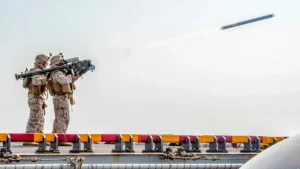
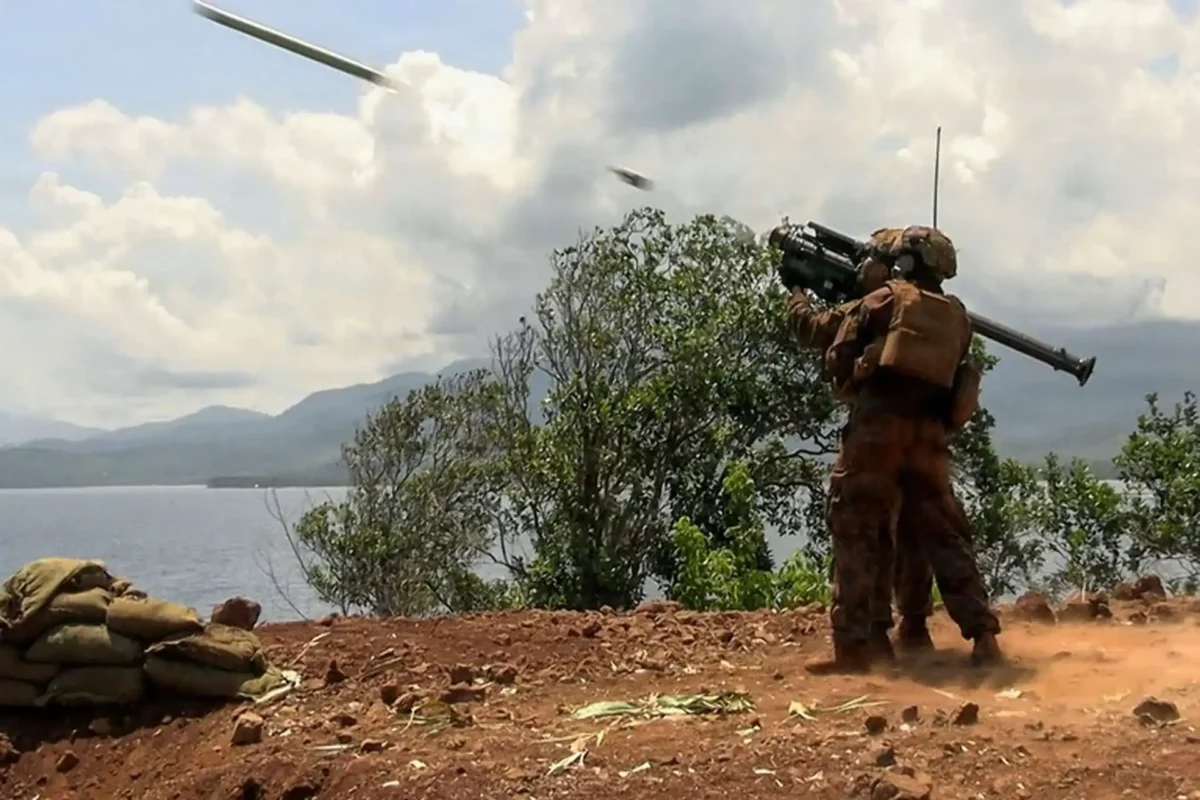
The Stinger remains one of NATO’s primary man-portable air defense systems, capable of engaging helicopters, low-flying aircraft and certain unmanned aerial systems. Although the missile has been in service for decades, it continues to receive upgrades that keep it relevant against evolving aerial threats.
Building larger stocks inside Europe also reduces the time required to replenish inventories during a crisis, an issue that has become increasingly important as defense planners prepare for prolonged, high-intensity operations.
The expansion of Stinger missile production Europe highlights a lesson that many Western militaries have learned in recent years: possessing advanced weapons is only part of the equation. Sustaining combat operations depends equally on the ability to replace those weapons at a meaningful pace.
For decades, defense manufacturers optimized production around relatively stable peacetime demand. Today’s environment is very different. Precision-guided weapons, interceptors and portable air defense missiles are being consumed far faster than traditional production models were designed to support.
From a military perspective, increasing manufacturing capacity strengthens operational resilience. Commanders gain greater confidence that missile inventories can be replenished if a conflict extends beyond its initial stages, reducing concerns about long-term sustainability.
The decision also supports NATO’s wider effort to build a distributed defense industrial network. Instead of concentrating production in a handful of locations, allied nations are gradually developing a manufacturing ecosystem that is more resistant to supply chain disruptions and geopolitical uncertainty.
The Stinger missile production Europe program illustrates how air defense has become one of NATO’s highest procurement priorities. The rapid spread of drones, cruise missiles and low-altitude aerial threats has forced many countries to reassess the size and readiness of their short-range air defense inventories.
Portable systems such as the Stinger remain particularly valuable because they provide mobile units with an immediate means of defending themselves without relying exclusively on larger surface-to-air missile batteries. They also complement layered air defense architectures by protecting areas where heavier systems cannot always be deployed quickly.
From an industrial standpoint, Raytheon’s investment could have effects beyond the Stinger program itself. Expanding European missile production strengthens engineering expertise, develops local supplier networks and creates manufacturing capacity that could support future missile programs across the alliance.
For NATO, the broader objective is becoming increasingly clear. Deterrence depends not only on modern equipment but also on the ability to sustain that equipment throughout a prolonged crisis. Expanding Stinger missile production Europe is therefore as much about industrial resilience as it is about replenishing missile inventories. As European defense spending continues to rise, similar co-production initiatives are likely to become a defining feature of the alliance’s long-term modernization strategy.