Follow Us:
Follow Us:

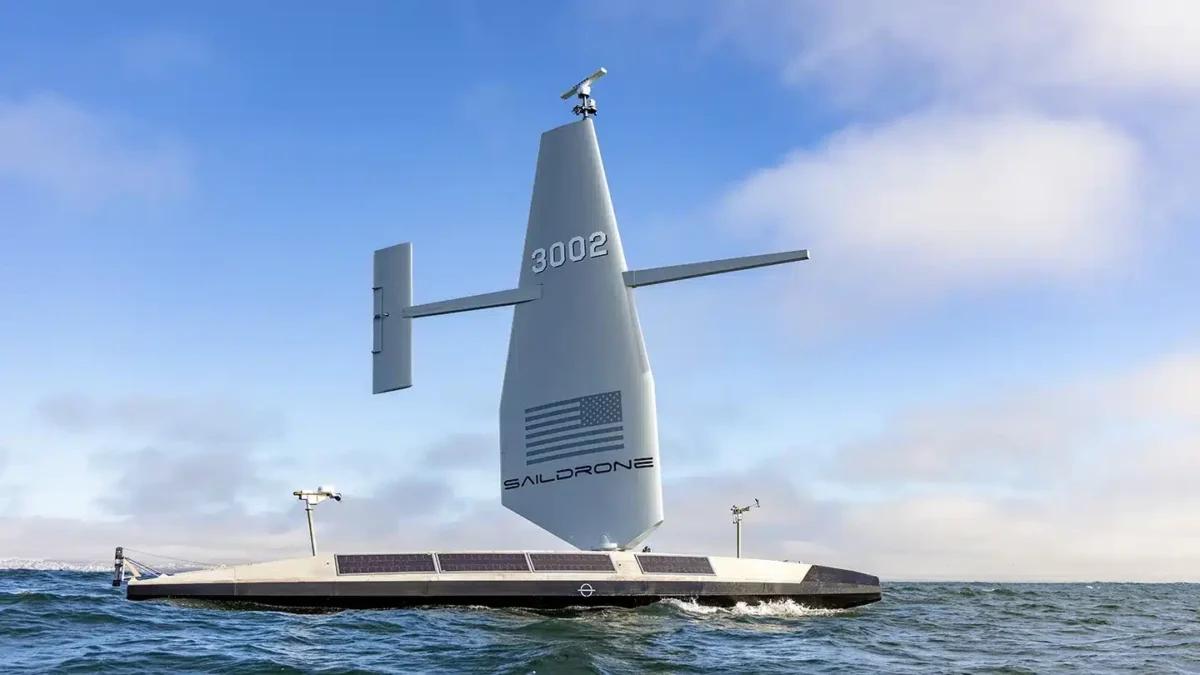
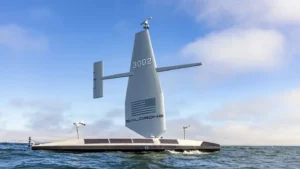
Defense Feeds, Honolulu – The U.S. Navy is giving autonomous maritime technology a much larger role during this year’s Rim of the Pacific exercise, with the Saildrone Surveyor RIMPAC 2026 deployment serving as one of the clearest demonstrations yet of how uncrewed vessels could support future naval operations.
Rather than acting as a standalone experiment, the autonomous surface vessel is being integrated into one of the world’s largest multinational naval exercises, collecting data and operating alongside crewed ships in increasingly realistic scenarios.
The decision reflects a broader shift inside the U.S. Navy. As commanders prepare for operations across the vast Indo-Pacific, they are looking beyond traditional warships and investing in autonomous platforms that can remain at sea for extended periods while gathering intelligence and reducing the burden on manned fleets.
The Saildrone Surveyor RIMPAC 2026 deployment marks another step in the Navy’s effort to incorporate unmanned surface vessels into everyday fleet operations instead of limiting them to technology demonstrations.
Unlike conventional patrol ships, the Surveyor is designed to remain at sea for months while operating with minimal human intervention. Powered primarily by wind and solar energy, the vessel carries a suite of sensors capable of collecting hydrographic, environmental and maritime surveillance data across vast ocean areas.
That endurance offers a practical advantage for naval commanders. Instead of assigning high-value warships to routine monitoring missions, autonomous vessels can maintain a persistent presence in regions where continuous observation is more valuable than speed or firepower.
Integrating the platform into RIMPAC also gives allied navies an opportunity to evaluate how autonomous systems can contribute to multinational maritime operations, an issue that is becoming increasingly relevant as NATO and Indo-Pacific partners accelerate investments in uncrewed technologies.
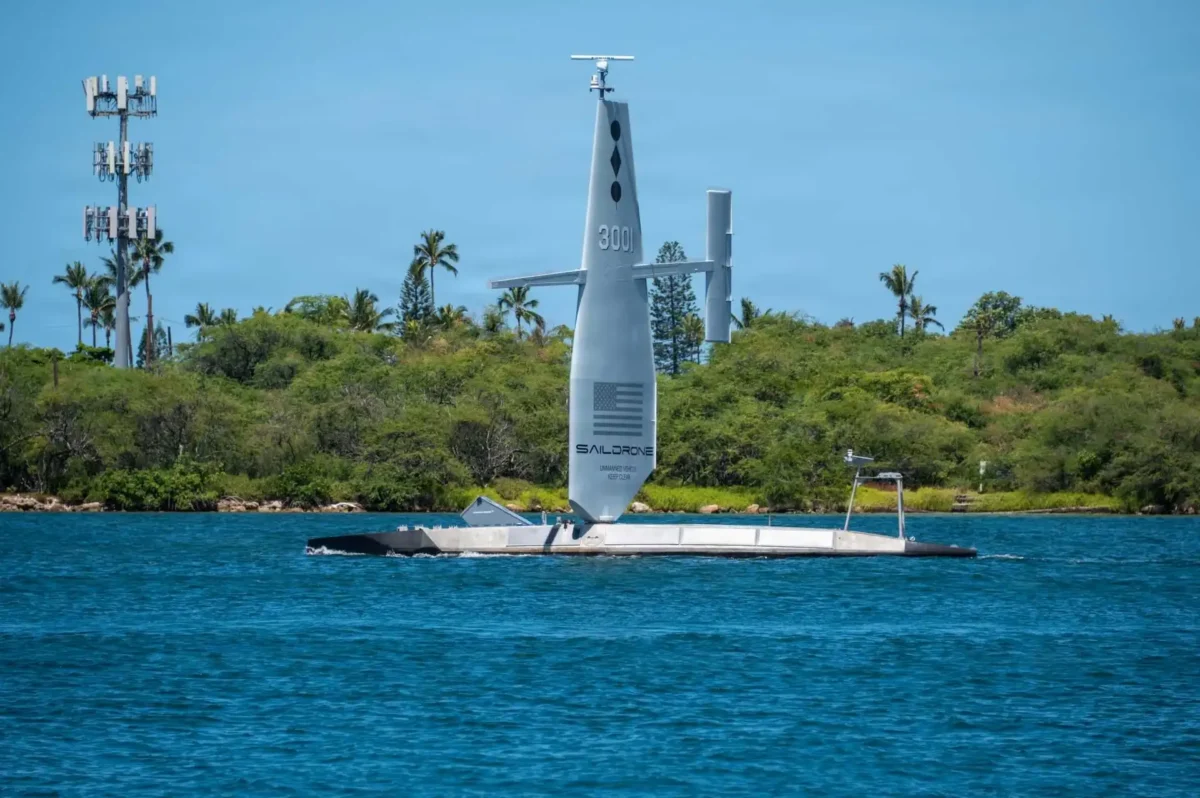
What makes the Saildrone Surveyor RIMPAC 2026 deployment particularly noteworthy is not simply the vessel itself, but the operational concept behind it.
Modern naval forces require constant awareness of activity across enormous maritime regions. Maintaining that level of surveillance with crewed ships alone is expensive, manpower-intensive and often impractical.
Autonomous surface vessels offer a different approach. Equipped with advanced sensors, they can monitor shipping lanes, map the seabed, detect unusual maritime activity and relay information back to command centers in near real time.
For military planners, that means commanders gain access to a broader operational picture without committing destroyers, frigates or patrol aircraft to every surveillance mission. Those high-end assets can instead focus on deterrence, power projection and combat operations while unmanned platforms handle routine intelligence collection.
The concept fits particularly well in the Pacific, where naval forces routinely operate across millions of square kilometers and where maintaining persistent maritime awareness remains one of the region’s biggest operational challenges.
The Saildrone Surveyor RIMPAC 2026 mission also illustrates how unmanned systems are steadily moving from experimental programs into operational naval planning.
Over the past several years, the U.S. Navy has expanded investments in autonomous surface and underwater vehicles capable of supporting intelligence gathering, anti-submarine warfare, mine countermeasures and logistics missions. Rather than replacing crewed warships, these platforms are increasingly viewed as force multipliers that extend the reach of the fleet.
Recent conflicts have reinforced the importance of distributed maritime operations, where commanders rely on numerous connected sensors instead of concentrating capabilities aboard a limited number of ships. Autonomous vessels help support that model by creating additional nodes across the battlespace while presenting relatively low operational costs compared with traditional combatants.
For allied navies participating in RIMPAC, the exercise offers an opportunity to explore how autonomous platforms can be integrated into coalition operations, where interoperability is just as important as technological capability.
If these trials continue to deliver positive results, systems like the Saildrone Surveyor RIMPAC 2026 deployment may become a familiar presence during future multinational exercises and operational deployments.
The real significance lies not in replacing warships, but in giving commanders more eyes and ears across the maritime domain—allowing crewed vessels to focus on missions where human decision-making and combat capability remain indispensable.