Follow Us:
Follow Us:

Defense Feeds, Berlin – The proposed ATACMS co-production Germany initiative could reshape how NATO builds and sustains its long-range missile inventory, reflecting a broader shift toward expanding defense manufacturing inside Europe.
Rather than relying almost exclusively on U.S.-based production, Washington and Berlin are exploring a model that would bring elements of missile manufacturing closer to the alliance’s eastern flank, strengthening industrial resilience while improving the speed at which precision weapons can be delivered during a crisis.
The proposal goes beyond increasing production numbers. It reflects NATO’s growing recognition that industrial capacity has become a strategic asset, especially after recent conflicts exposed how quickly stockpiles of precision-guided munitions can be depleted during sustained operations.
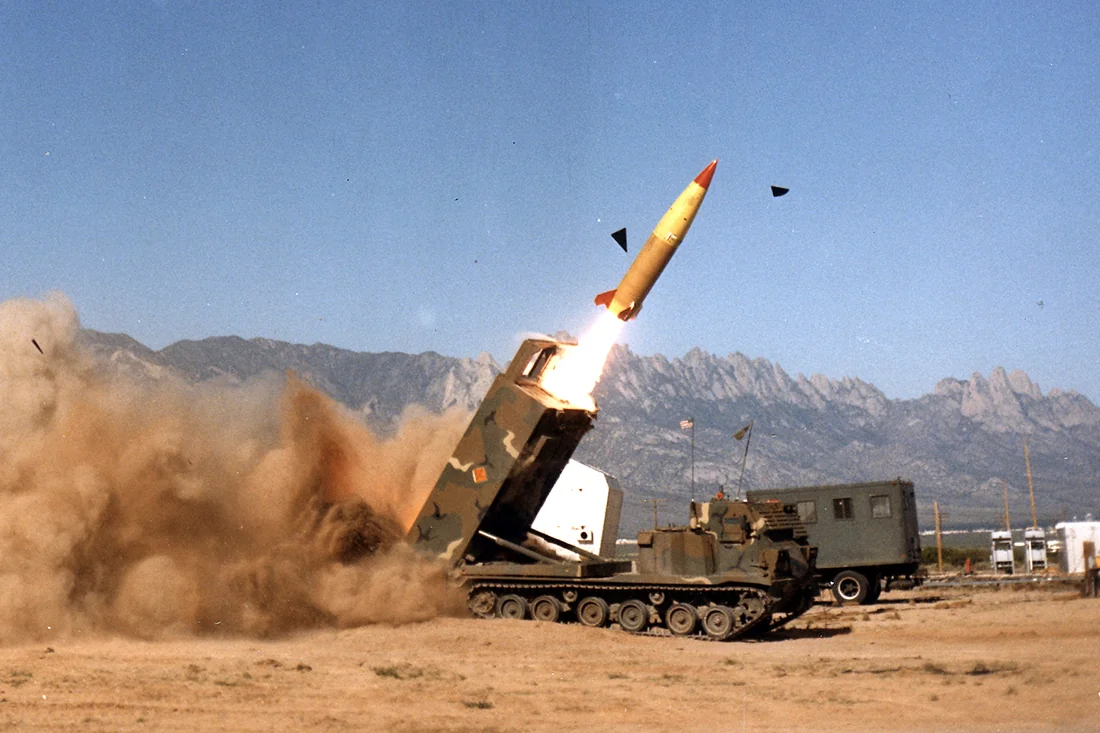
The ATACMS co-production Germany plan centers on expanding cooperation between the United States and Germany to manufacture long-range missile systems in Europe. Although the Army Tactical Missile System (ATACMS) has served the U.S. Army and allied nations for decades, establishing production capacity overseas represents a notable evolution in how advanced missile programs are supported.
For much of the post-Cold War period, missile production remained heavily concentrated in the United States. That model worked when demand was relatively predictable. Today’s security environment looks very different.
Growing defense budgets across Europe, continued military support for Ukraine and NATO’s renewed emphasis on high-intensity warfare have all increased demand for precision strike weapons. Building portions of the supply chain in Germany could shorten delivery timelines while reducing dependence on transatlantic logistics during periods of heightened tension.
The proposal also aligns with wider European efforts to strengthen domestic defense manufacturing rather than relying entirely on overseas suppliers for critical capabilities.
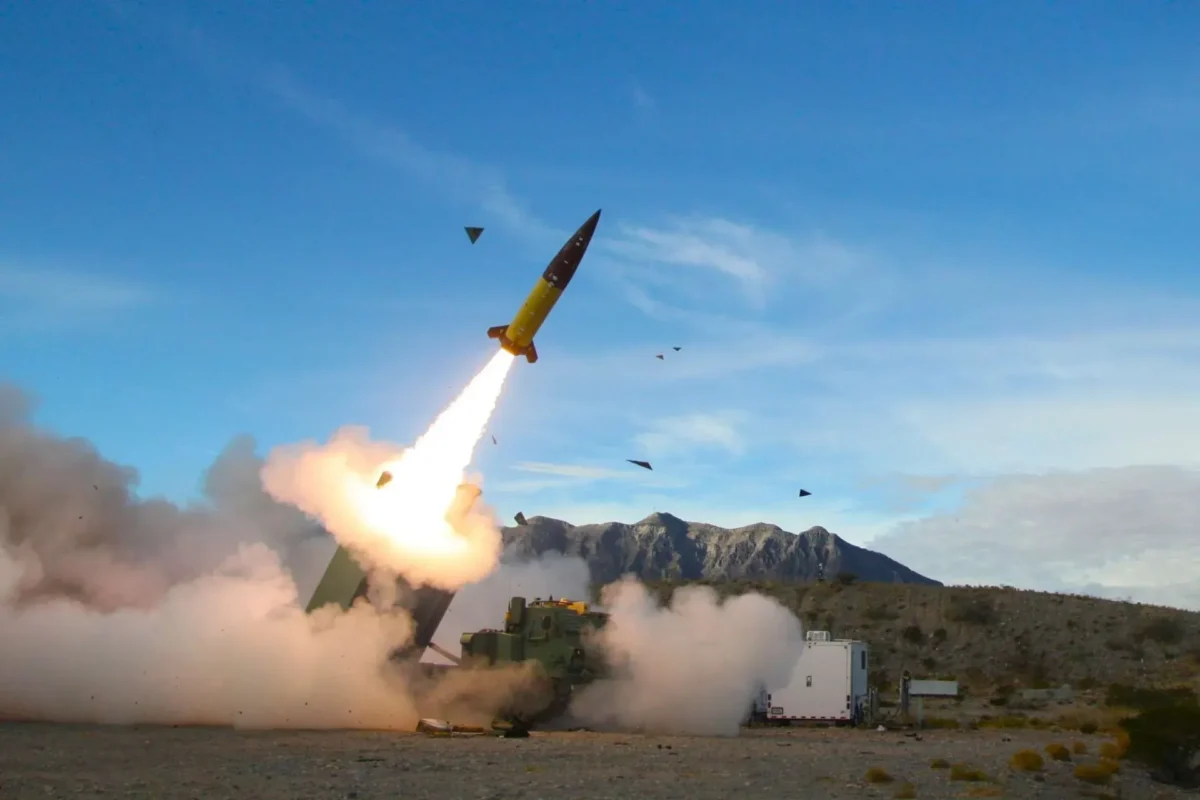
The significance of the ATACMS co-production Germany initiative extends well beyond one missile program. Long-range precision fires have become one of NATO’s highest modernization priorities, allowing allied forces to engage command centers, logistics hubs and other high-value targets from well behind the front line.
ATACMS has already demonstrated its operational value by giving ground forces the ability to strike targets hundreds of kilometers away with high accuracy. While newer systems such as the Precision Strike Missile (PrSM) are gradually entering service, ATACMS remains an important component of allied inventories and is expected to remain relevant during the transition period.
Producing missiles closer to European operators could simplify maintenance, improve spare-parts availability and make future upgrades easier to implement. It would also provide greater flexibility if demand rises unexpectedly during a regional contingency.
From an industrial standpoint, cooperation between American and German companies would deepen technical collaboration while helping expand Europe’s missile manufacturing workforce and supplier network.
The ATACMS co-production Germany proposal points to a larger transformation in NATO’s defense planning. The alliance is no longer focused solely on acquiring advanced weapons; it is increasingly investing in the industrial ecosystem required to sustain prolonged military operations.
Recent conflicts have shown that the availability of ammunition and missiles can become just as decisive as the platforms that launch them. Nations with limited production capacity often struggle to replenish inventories once high-intensity combat begins.
By spreading manufacturing across allied countries, NATO reduces the risk of supply bottlenecks while making its defense industrial base more resilient to disruption. Germany, with its established engineering sector and expanding defense investments, is well positioned to play a larger role in that effort.
The initiative could also serve as a template for future collaborative production of other advanced weapons, including next-generation long-range missiles and precision-guided munitions. Instead of concentrating manufacturing in a handful of locations, allied governments appear increasingly willing to distribute production across trusted partners.
If implemented, the ATACMS co-production Germany initiative would represent more than another procurement agreement. It would signal a broader evolution in NATO’s approach to deterrence—one that recognizes industrial readiness as an essential component of military power.
In an era where conflicts can rapidly consume large quantities of precision weapons, the ability to manufacture and replenish those capabilities inside Europe may prove just as important as the missiles themselves.