Follow Us:
Follow Us:

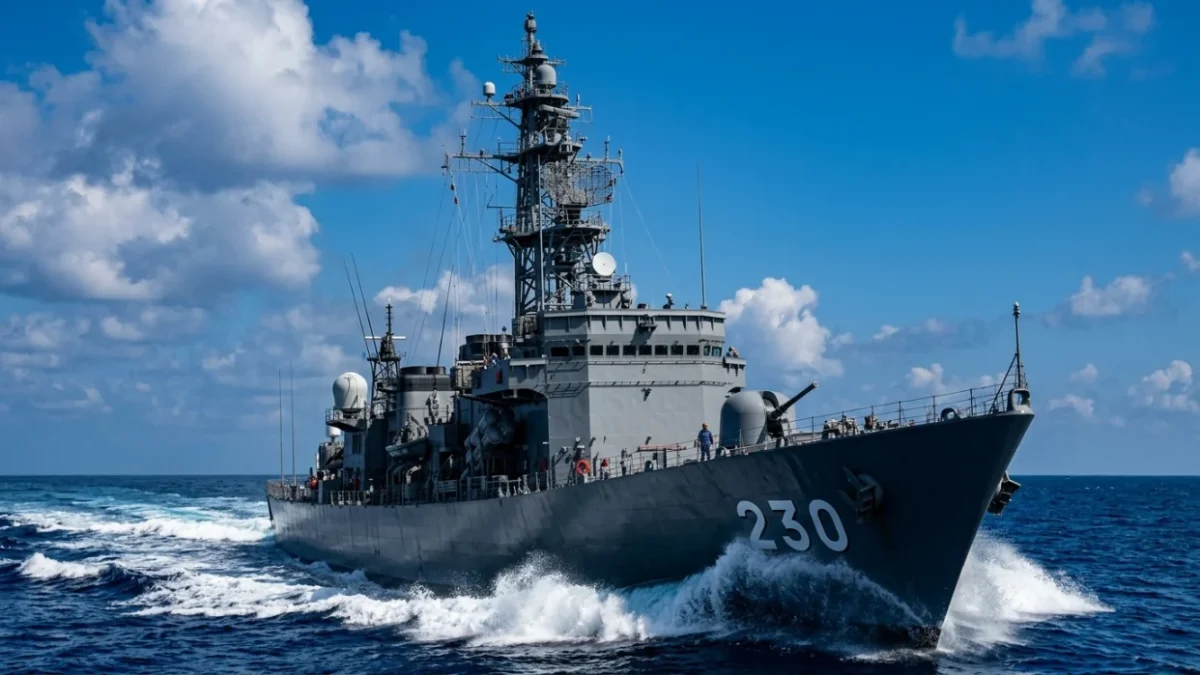
Defense Feeds, Manila – Discussions over the potential Abukuma-class destroyers Philippines transfer have moved another step forward as Manila and Tokyo deepen defense cooperation in response to an increasingly complex security environment in the Indo-Pacific.
While negotiations have yet to produce a final agreement, the proposed transfer reflects a growing willingness by Japan to support regional partners with proven naval platforms rather than limiting cooperation to equipment sales and training.
If approved, the vessels would provide the Philippine Navy with a relatively quick way to strengthen its surface fleet without waiting years for newly built warships. For Manila, that timing could prove just as important as the ships themselves.
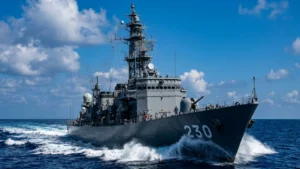
The Abukuma-class destroyers Philippines proposal centers on six escort destroyers that have served with the Japan Maritime Self-Defense Force since the late 1980s and early 1990s. Although they are approaching retirement in Japanese service, the ships remain capable multi-mission platforms suited for patrol, maritime security and anti-submarine warfare.
Japan has gradually begun replacing the class with newer and more capable vessels, creating an opportunity to transfer existing assets to trusted regional partners. Instead of allowing the ships to leave service entirely, Tokyo sees value in extending their operational life while helping friendly nations improve maritime security.
For the Philippine Navy, acquiring established warships offers several practical advantages. New frigates typically require years of design, construction and sea trials before entering service. Transferring existing vessels allows capability gaps to be addressed much sooner while providing sailors with larger and more capable platforms than many of the fleet’s current patrol ships.
The discussions also demonstrate how Japan’s defense cooperation has evolved. A decade ago, Tokyo’s support focused largely on coast guard vessels and maritime security assistance. Today, conversations increasingly involve frontline naval capabilities that can contribute directly to regional deterrence.
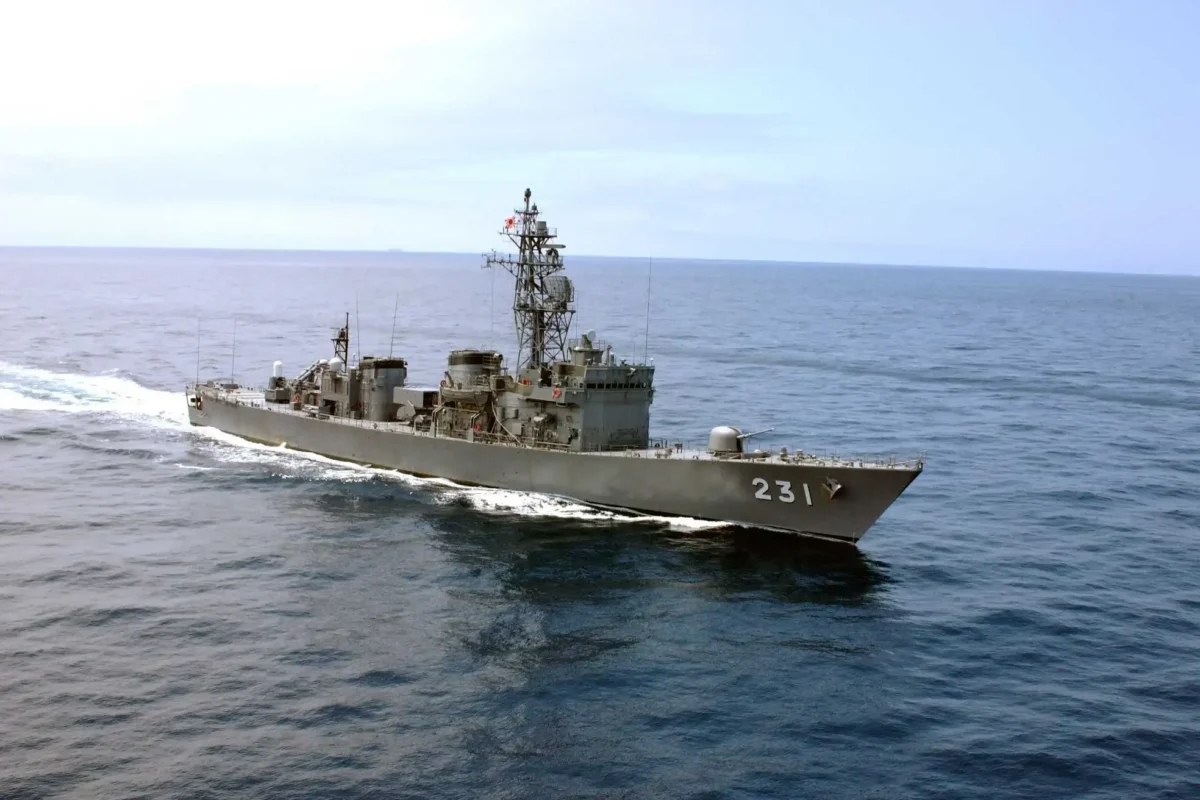
The potential Abukuma-class destroyers Philippines transfer is not about introducing cutting-edge technology. Instead, it reflects a practical approach to naval modernization by fielding reliable ships that can immediately support day-to-day operations.
Designed primarily as escort destroyers, the Abukuma class combines anti-submarine warfare sensors, anti-ship missiles and close-range air defense systems within a relatively compact hull. While they do not match the capabilities of Japan’s latest destroyers, they remain well suited for patrol duties, escort missions and maritime surveillance.
Operationally, adding ships of this size would allow the Philippine Navy to maintain a more persistent presence across its extensive maritime zones. That matters because naval readiness is not determined solely by possessing advanced warships. It also depends on having enough platforms available to sustain continuous patrols, training and response missions.
Introducing Japanese-built vessels could also deepen cooperation between the two navies through shared maintenance practices, logistics support and future exercises. Such interoperability has become increasingly valuable as regional partners conduct more combined maritime operations.
Beyond the ships themselves, the Abukuma-class destroyers Philippines proposal highlights how security ties between Tokyo and Manila have expanded in recent years. Both governments have strengthened defense cooperation through reciprocal access arrangements, intelligence sharing and a growing number of bilateral and multinational exercises.
The discussions also fit within Japan’s broader effort to support a stable maritime balance in the Indo-Pacific without directly expanding its own overseas military presence. Providing surplus but capable equipment enables partners to strengthen their own defenses while reinforcing regional security networks.
For the Philippines, modernizing the fleet remains an ongoing challenge as the navy seeks to replace aging vessels while operating under finite defense budgets. Acquiring proven second-hand ships offers a practical bridge until more advanced domestically funded procurement programs can be completed.
From a strategic perspective, the proposal illustrates an increasingly common trend in allied defense cooperation. Instead of focusing exclusively on new weapons programs, governments are finding value in extending the service life of existing platforms where they can still provide meaningful operational capability.
Should the agreement move forward, the Abukuma-class destroyers Philippines transfer would represent more than the arrival of additional warships. It would underscore the growing strategic alignment between Japan and the Philippines while providing Manila with a faster path toward expanding its naval presence in one of the world’s most contested maritime regions.