Follow Us:
Follow Us:

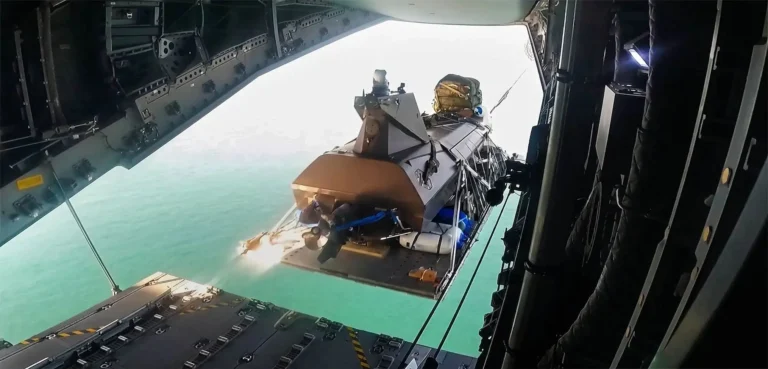
A soldier jumps from a transport aircraft into complete darkness, carrying nearly 40 kilograms of gear. There are no television cameras, no reporters waiting on the ground, and probably no public recognition afterward.
If the mission succeeds, chances are you’ll never hear about it. That’s the reality behind the world’s most elite military unit, organizations built to operate where conventional forces can’t, often under a veil of secrecy.
It’s tempting to judge military units by flashy equipment or blockbuster movies, but elite status isn’t earned through reputation alone. It comes from surviving selection courses so demanding that only a small fraction of candidates make it through. It comes from years of relentless training, adapting to hostile environments, and executing missions where a single decision can determine the outcome for dozens, or even hundreds, of lives.
This ranking isn’t about declaring one nation “better” than another. Every elite force is shaped by its country’s strategic needs.
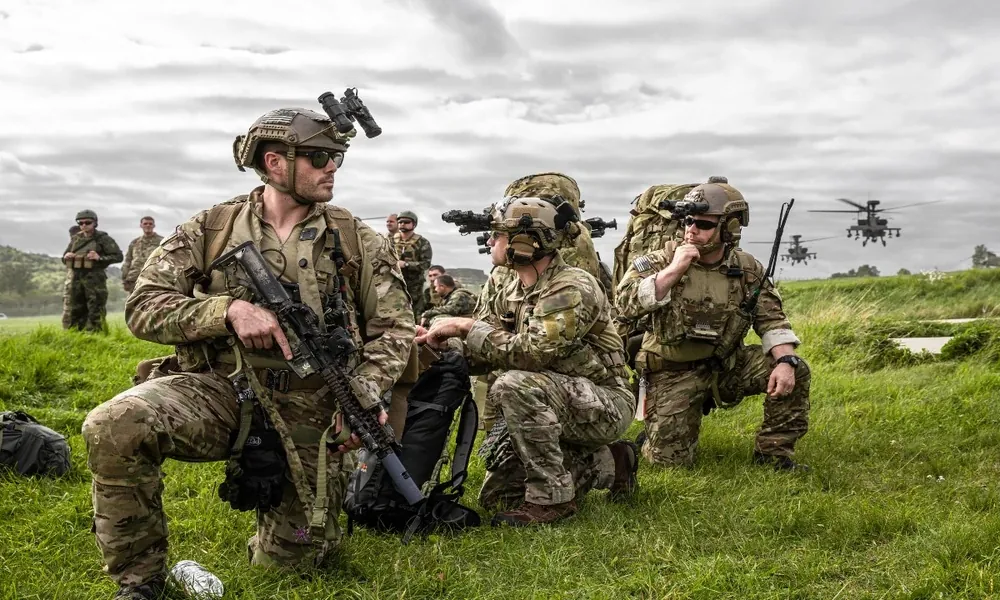
Britain’s SAS perfected modern counterterrorism, America’s Tier One operators specialize in global direct-action missions, while Israel’s special forces are renowned for intelligence-driven operations. Each excels in a different arena, making direct comparisons surprisingly complex.
To keep this ranking fair, we’ve evaluated every unit using publicly available evidence, including selection difficulty, training intensity, operational history, mission versatility, and long-term battlefield performance. Because many successful operations remain classified, no list can claim to reveal the full picture.
Still, enough verified information exists to identify the elite military units that have consistently set the benchmark for special operations around the world.
Let’s examine the five forces that have earned their place through skill, sacrifice, and decades of proven performance.
Ranking the world’s most elite military units isn’t as simple as counting successful raids or comparing military budgets.
In fact, the most capable units often leave the smallest public footprint. Their greatest achievements may never be declassified, making any ranking part science, part informed judgment.
Rather than relying on popularity or national pride, we evaluated each unit using five measurable factors that consistently appear across military doctrine and defense analysis.
| Ranking Criteria | Why It Matters |
| Selection Standards | Higher attrition rates generally indicate more demanding entry requirements and exceptional candidate quality. |
| Training Intensity | Elite operators undergo months, or even years, of specialized instruction beyond conventional military training. |
| Combat Record | A long history of successful real-world operations demonstrates proven effectiveness under pressure. |
| Mission Versatility | The ability to conduct counterterrorism, hostage rescue, reconnaissance, direct action, and covert operations reflects operational flexibility. |
| Strategic Impact | Some units have reshaped military doctrine or influenced special operations forces around the world through their innovations and achievements. |
One important point deserves emphasis: “elite” doesn’t necessarily mean “best at everything.”
A maritime counterterrorism force, for example, isn’t designed for the same missions as a long-range reconnaissance unit. Comparing them is a bit like comparing a Formula 1 car to an off-road rally truck, both are exceptional, but each dominates in a different environment.
For that reason, this list balances historical influence with modern operational capability. It recognizes units that have repeatedly demonstrated excellence across decades, adapted to evolving threats, and maintained exceptionally high standards despite changing battlefields.
The result is a ranking based on documented performance rather than internet myths, ensuring each elite military unit earns its place through merit, not reputation alone.
If there’s one elite military unit that has influenced nearly every modern special operations force, it’s the British Special Air Service, better known as the SAS.
Formed in 1941 by David Stirling during World War II, the regiment was originally created to strike behind enemy lines in North Africa. What began as a small raiding force evolved into one of the world’s most respected special forces organizations.
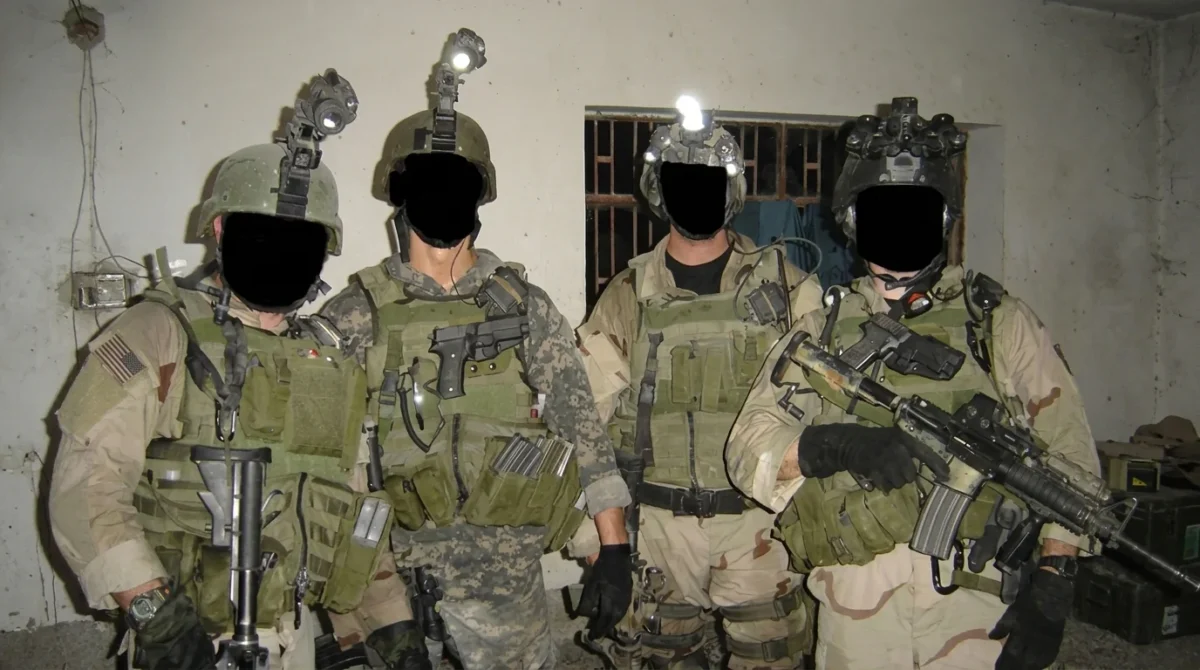
The SAS is renowned for its brutally selective recruitment process. Although exact figures aren’t officially released, independent defense sources often estimate that more than 80% of candidates fail the selection course.
Recruits endure endurance marches across the rugged Brecon Beacons in Wales, survival training, jungle exercises, resistance-to-interrogation drills, and realistic live-fire scenarios designed to test both physical stamina and mental resilience.
| Key Facts | Details |
| Founded | 1941 |
| Primary Missions | Counterterrorism, hostage rescue, special reconnaissance, direct action |
| Famous Motto | Who Dares Wins |
| Operational Reach | Worldwide |
The SAS became internationally recognized after the dramatic 1980 Iranian Embassy Siege in London.
In just 17 minutes, operators stormed the building, rescued most of the hostages, and eliminated the terrorists in an operation broadcast live around the world. The mission transformed public perceptions of counterterrorism and became a blueprint for similar units across Europe and North America.
While many SAS missions remain classified, its influence is undeniable. From training allied special forces to pioneering modern hostage-rescue tactics, the regiment has shaped special operations doctrine for decades.
That enduring legacy, combined with its exceptional combat record and uncompromising selection standards, is why many defense analysts continue to regard the SAS as one of the most elite military units ever created.
When the United States faces its most sensitive counterterrorism or hostage rescue missions, one name is mentioned more than any other, Delta Force.
Officially known as the 1st Special Forces Operational Detachment–Delta (1st SFOD-D), this highly classified unit was established in 1977 by Colonel Charles Beckwith, who modeled many of its principles after his experience serving alongside the British SAS.
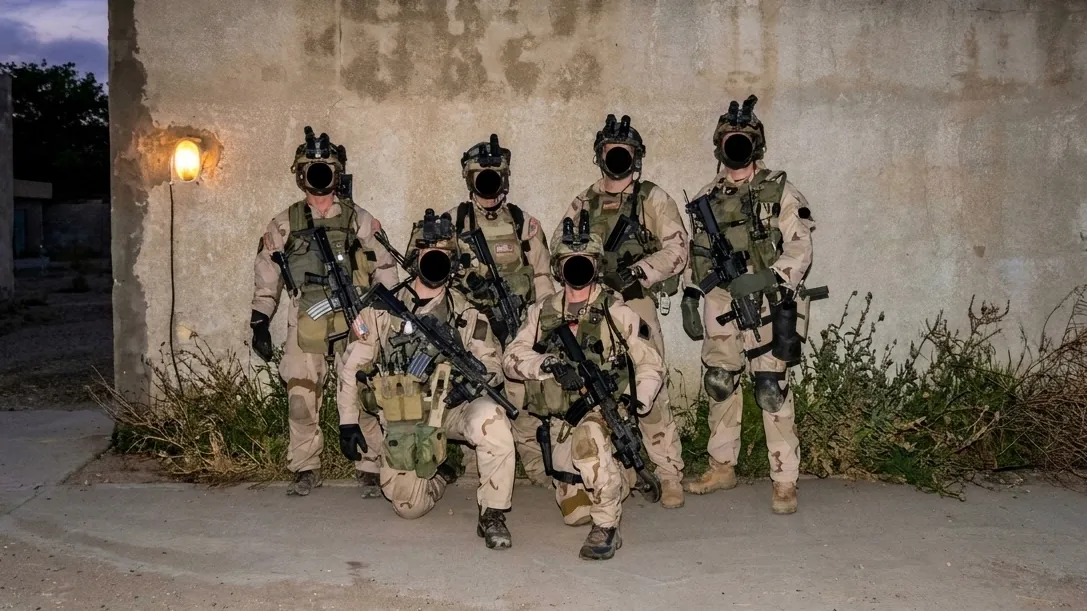
Unlike conventional special forces, Delta Force recruits experienced personnel from across the U.S. military. Applicants are already seasoned soldiers before they even attempt selection.
The assessment process is intentionally secretive, but former members have described grueling land navigation exercises, endurance marches carrying heavy loads, psychological evaluations, and relentless problem-solving under extreme fatigue. Physical strength alone isn’t enough, sound judgment and adaptability often determine who succeeds.
| Key Facts | Details |
| Founded | 1977 |
| Primary Missions | Counterterrorism, hostage rescue, direct action, high-value target operations |
| Parent Command | Joint Special Operations Command (JSOC) |
| Operational Reach | Global |
Delta Force has participated in numerous high-profile operations, including Operation Just Cause in Panama (1989), the Battle of Mogadishu in Somalia (1993), and extensive counterterrorism missions in Iraq and Afghanistan following the September 11 attacks.
Many of its deployments remain classified, reflecting the unit’s role in handling America’s most politically and strategically sensitive missions.
One reason Delta Force consistently ranks among the world’s most elite military units is its flexibility. Operators are trained to work in urban environments, deserts, mountains, jungles, and hostile territory anywhere on the globe.
Combined with advanced intelligence support and cutting-edge equipment, that versatility allows Delta Force to respond rapidly to evolving threats. Its blend of operational secrecy, combat experience, and uncompromising standards has cemented its reputation as one of the premier elite military units in modern warfare.
Few elite military units are as widely recognized as DEVGRU, more commonly known as SEAL Team Six.
Officially designated the Naval Special Warfare Development Group, the unit was established in 1980 after the failed attempt to rescue American hostages in Iran highlighted the need for a dedicated maritime counterterrorism force.
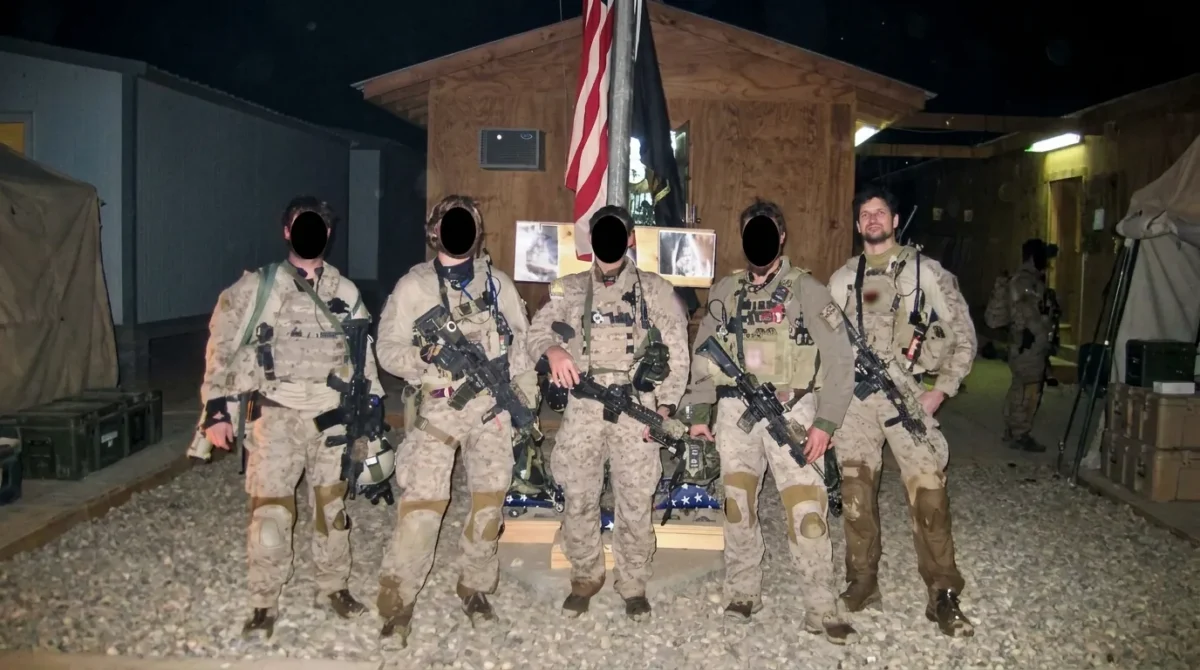
Today, DEVGRU operates under the Joint Special Operations Command (JSOC) and is considered one of the U.S. military’s premier Tier One special mission units.
Unlike standard Navy SEAL teams, DEVGRU selects only the most accomplished operators with years of operational experience.
Candidates must complete the demanding Green Team selection course, where they are evaluated on marksmanship, close-quarters battle, breaching, diving, surveillance, and decision-making under intense pressure. Even experienced SEALs don’t automatically earn a place; many fail before completing the program.
| Key Facts | Details |
| Founded | 1980 |
| Primary Missions | Maritime counterterrorism, hostage rescue, direct action, special reconnaissance |
| Parent Command | Joint Special Operations Command (JSOC) |
| Specialty | High-risk global special missions |
DEVGRU gained worldwide attention in Operation Neptune Spear in 2011, when its operators conducted the raid in Abbottabad, Pakistan, that resulted in the death of Osama bin Laden.
While that mission brought the unit into the public spotlight, it represents only a fraction of DEVGRU’s operational history. Most of its deployments remain classified, ranging from hostage rescues to counterterrorism operations in some of the world’s most volatile regions.
What separates DEVGRU from many other elite military units is its ability to seamlessly integrate intelligence, aviation, and precision assault capabilities into a single operation.
Whether approaching a target by sea, air, or land, the unit is trained to adapt rapidly to changing conditions, an essential trait for missions where seconds can determine success or failure.
Unlike many elite military units that specialize primarily in direct-action raids, Sayeret Matkal has built its reputation on blending intelligence gathering with precision military operations.
Established in 1957 and modeled in part after the British SAS, the unit serves as Israel’s premier special reconnaissance force, operating under the Israel Defense Forces (IDF). Its missions often require operators to work deep behind enemy lines, collecting intelligence or carrying out surgical strikes with minimal visibility.
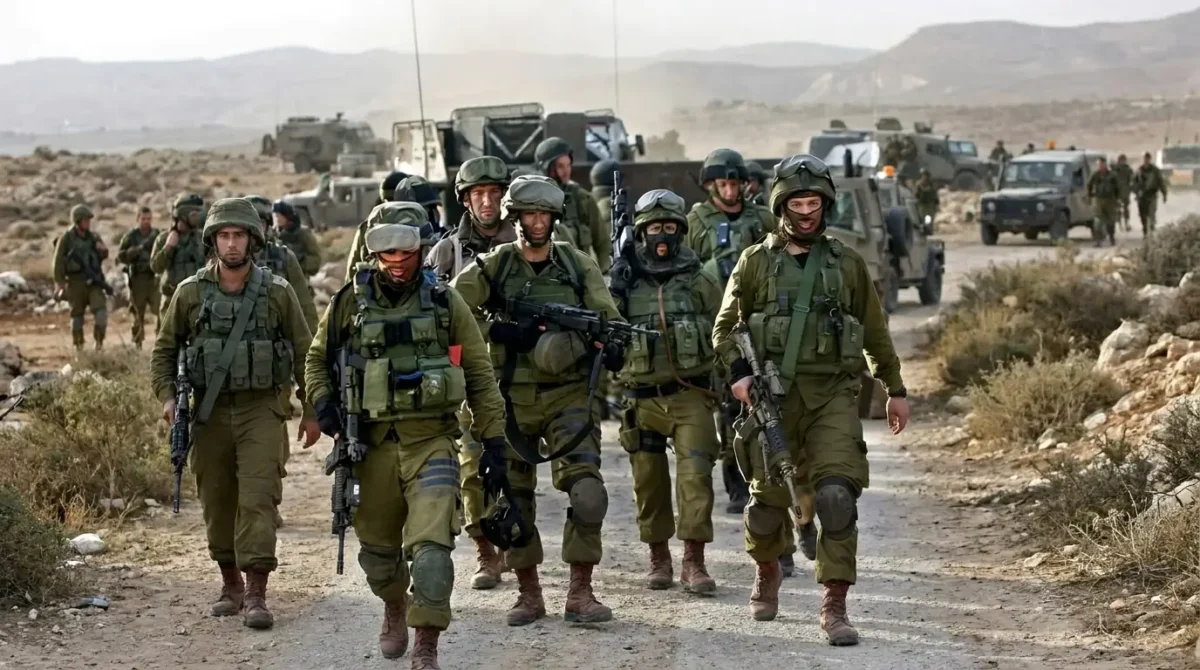
Selection for Sayeret Matkal is among the toughest in the Israeli military. Candidates undergo months of physically demanding training, advanced navigation exercises, survival instruction, close-quarters combat, and extensive psychological screening.
Because operators frequently work in small teams without immediate support, independent thinking and emotional resilience are considered just as important as physical fitness.
| Key Facts | Details |
| Founded | 1957 |
| Primary Missions | Special reconnaissance, counterterrorism, hostage rescue, intelligence operations |
| Parent Organization | Israel Defense Forces (IDF) |
| Operational Focus | Deep reconnaissance and strategic special operations |
The unit’s most famous mission remains Operation Entebbe in 1976. After terrorists hijacked an Air France aircraft and diverted it to Uganda, Sayeret Matkal commandos flew more than 2,500 miles to rescue the hostages.
The operation lasted less than an hour, freed over 100 captives, and is still studied in military academies as one of history’s most successful long-range hostage rescue missions.
Sayeret Matkal’s influence extends well beyond a single operation.
The unit has played a central role in shaping Israel’s intelligence-driven approach to modern warfare, where accurate information often matters as much as firepower. Its combination of meticulous planning, operational secrecy, and consistent battlefield performance has earned it a place among the world’s most elite military units, particularly in missions where precision outweighs overwhelming force.
While many of the world’s elite military units were created with wartime missions in mind, France’s GIGN (Groupe d’Intervention de la Gendarmerie Nationale) earned its reputation by mastering one of the most difficult challenges in modern security, rescuing innocent lives without escalating the danger.
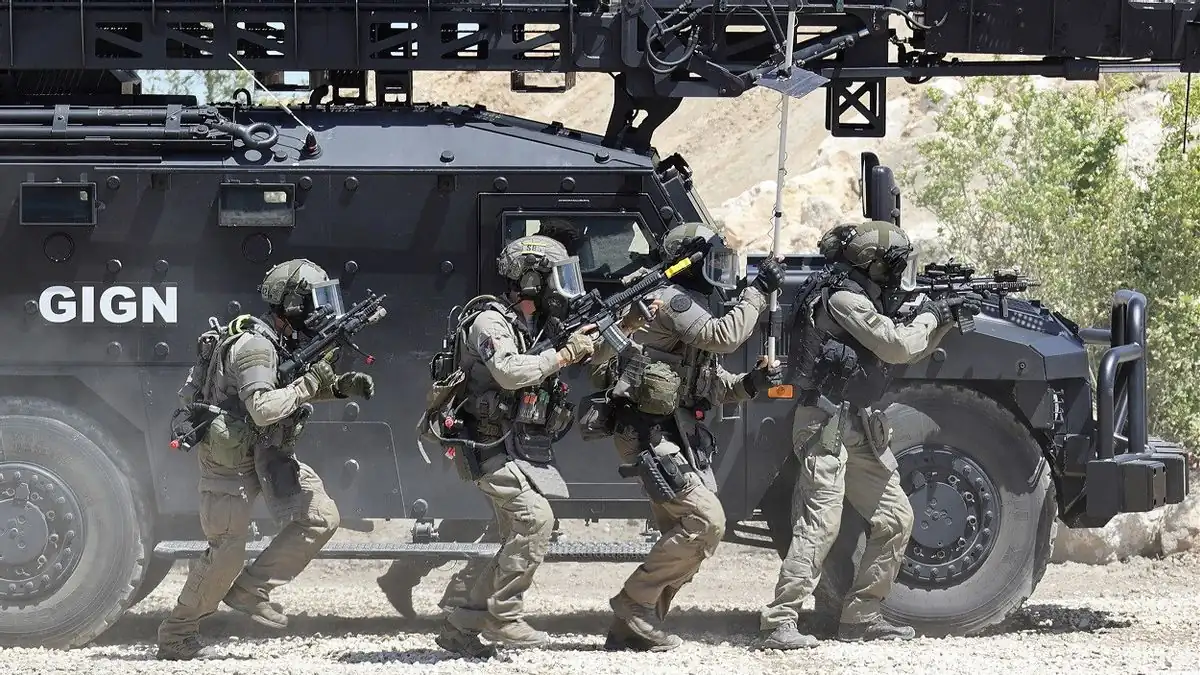
Established in 1973 after the tragic Munich Olympics hostage crisis exposed the need for dedicated counterterrorism teams, GIGN has become a global benchmark for precision intervention.
Joining GIGN is exceptionally competitive. Candidates must already be experienced members of the French Gendarmerie before attempting selection, where they face demanding physical assessments, advanced firearms training, psychological evaluations, negotiation exercises, and realistic hostage-rescue scenarios.
The emphasis isn’t simply on eliminating threats; it’s on making the right decision under extreme pressure, often when civilians are only meters away.
| Key Facts | Details |
| Founded | 1973 |
| Primary Missions | Counterterrorism, hostage rescue, high-risk arrests, aircraft intervention |
| Parent Organization | French National Gendarmerie |
| Operational Reach | France and international deployments |
One of GIGN’s defining moments came in 1994, when four terrorists hijacked Air France Flight 8969 in Algiers.
After the aircraft landed in Marseille, GIGN launched a carefully coordinated assault, eliminating the hijackers and rescuing the overwhelming majority of the passengers and crew. The operation is still regarded as one of the finest examples of aircraft hostage rescue ever executed.
Unlike military units focused primarily on battlefield operations, GIGN frequently works in crowded urban environments where every shot carries enormous consequences.
That demand for precision has driven the unit to develop world-class expertise in marksmanship, tactical negotiation, explosive breaching, and crisis management. Its remarkable operational record and unwavering commitment to protecting civilians firmly secure GIGN’s place among the world’s most elite military units.
Here’s the next section, Honorable Mentions, written in a way that adds topical authority instead of becoming another generic list.
Limiting this ranking to just five entries inevitably leaves out several exceptional forces. In reality, many elite military units specialize in environments or mission sets that make direct comparisons difficult.
Some dominate maritime warfare, while others excel in arctic reconnaissance, jungle operations, or unconventional warfare.
| Military Unit | Country | Primary Specialty |
| Special Boat Service (SBS) | United Kingdom | Maritime counterterrorism and amphibious operations |
| Joint Task Force 2 (JTF 2) | Canada | Counterterrorism and special operations |
| KSK (Kommando Spezialkräfte) | Germany | Hostage rescue and special reconnaissance |
| JW GROM | Poland | Counterterrorism and direct action |
| MARCOS | India | Maritime special operations |
| SASR (Special Air Service Regiment) | Australia | Long-range reconnaissance and special operations |
| Kopassus Group 1 | Indonesia | Counterterrorism and unconventional warfare |
| Green Berets (U.S. Army Special Forces) | United States | Unconventional warfare and foreign internal defense |
These units may not appear in the top five, but each has earned international respect through decades of demanding training and operational success.
Canada’s JTF 2, for example, has quietly supported coalition operations in Afghanistan and Iraq, while Australia’s SASR has built an outstanding reputation in desert and reconnaissance missions.
India’s MARCOS are widely regarded as one of Asia’s premier naval special operations forces, and Poland’s JW GROM has consistently worked alongside NATO’s highest-tier units.
The biggest takeaway? Measuring the most elite military unit depends heavily on the mission. A force optimized for maritime hostage rescue isn’t necessarily better than one designed for deep reconnaissance or unconventional warfare; they simply solve different problems.
That’s precisely why military professionals often judge these units by operational effectiveness within their specialty, rather than trying to crown a single undisputed champion.