Follow Us:
Follow Us:

Defense Feeds – June 13, 2025, Israel attacks Iran with a massive, preemptive military strike targeting multiple strategic sites across the country, marking a dramatic escalation in regional tensions.
The operation, reportedly codenamed “Rising Lion,” targeted Iran’s nuclear facilities, missile infrastructure and key military leadership in what Israeli officials have described as a necessary move to eliminate imminent threats.
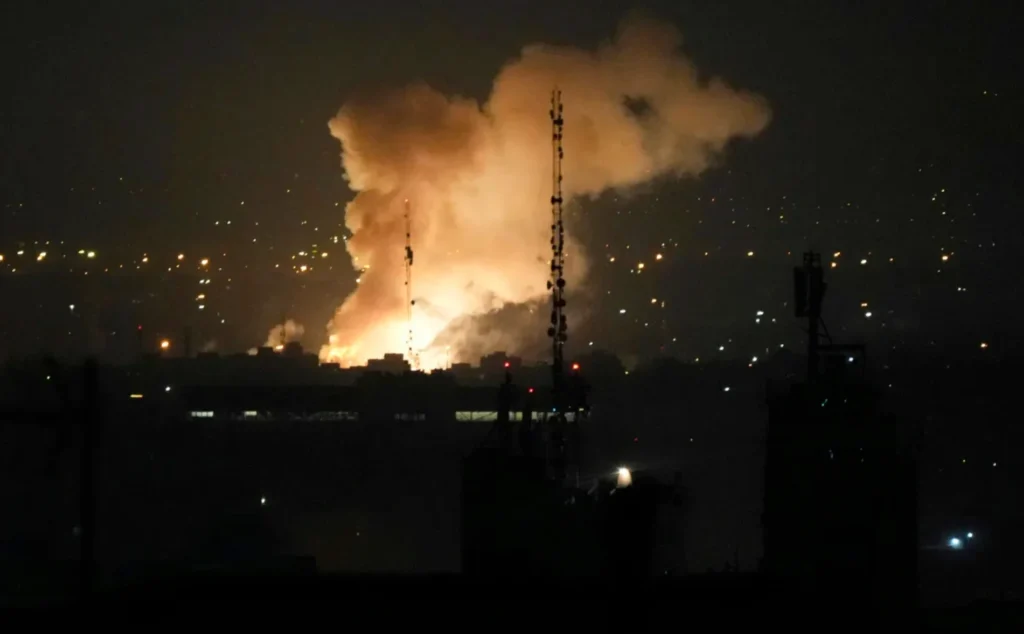
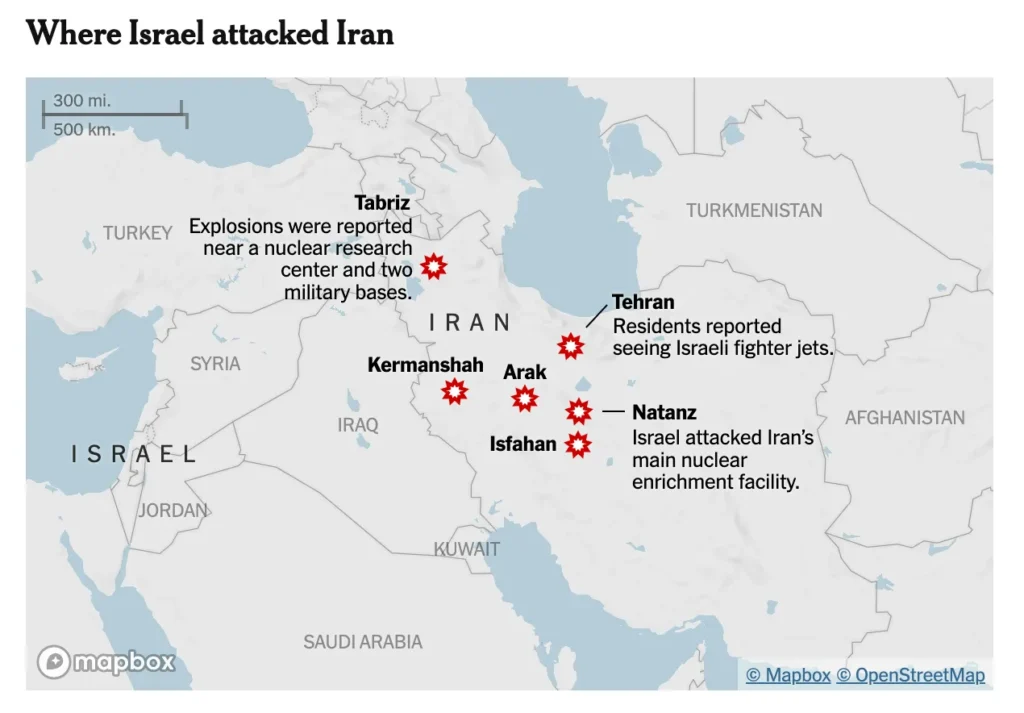
According to Israeli defense sources and initial media reports, dozens of airstrikes were carried out overnight, hitting facilities in Natanz, Isfahan and Tehran. These locations are widely believed to be central to Iran’s uranium enrichment and missile development programs. Unconfirmed reports indicate that several high-ranking Iranian officials and nuclear scientists may have been killed during the Israel attacks Iran strikes.
Israeli Prime Minister Benjamin Netanyahu stated early Friday that the operation was aimed at “defending Israel’s future and preventing a nuclear catastrophe.” He added that intelligence pointed to Iran nearing “irreversible nuclear breakout capability,” prompting immediate action.
Iran has condemned the strikes as an act of war and vowed retaliation. The Islamic Revolutionary Guard Corps (IRGC) placed its missile and drone forces on high alert, raising fears of a broader conflict that could pull in other regional and global powers.
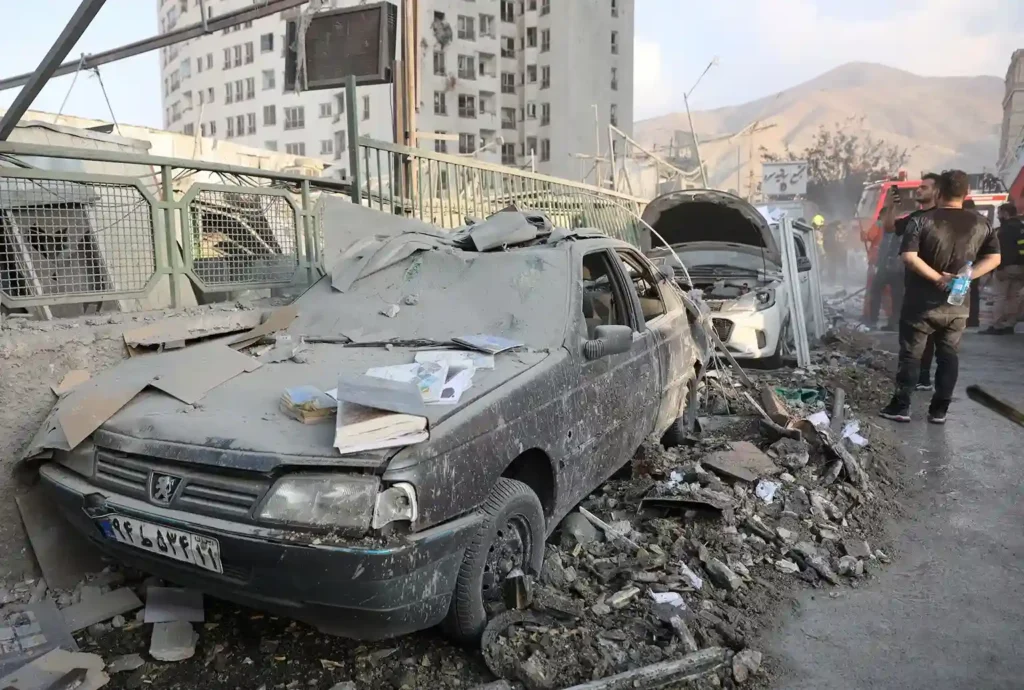
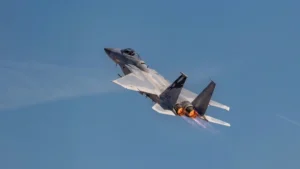
Israeli warplanes, supported by long-range drones and electronic warfare units, reportedly hit multiple high-value targets across Iran. Among them were uranium enrichment sites in Natanz and Fordow, missile production facilities near Khorramabad, and a command-and-control center in Tehran.
Satellite imagery released by independent analysts shows significant structural damage at several of these locations. Footage circulating on social media, corroborated by open-source intelligence, reveals fires and secondary explosions consistent with high-precision airstrikes.
One of the most consequential strikes reportedly killed General Mohammad Bagheri, Iran’s Armed Forces Chief of Staff, along with several senior commanders and scientists closely linked to the country’s nuclear program. Iranian state media has not confirmed all the fatalities but acknowledged “martyrdom among military personnel and experts.”
Read also: Iran’s Nuclear Weapons Program
While Israel has not disclosed specific details, Israeli officials claim the strikes were intended to delay Iran’s ability to produce weapons-grade uranium and disrupt command capabilities that could coordinate a retaliatory response.
Iran’s Supreme National Security Council convened an emergency session in Tehran shortly after the attacks. A government spokesperson condemned the Israeli strikes as a “clear violation of international law and Iranian sovereignty,” warning that a “decisive and proportional response” would follow.
The Islamic Revolutionary Guard Corps (IRGC) has reportedly mobilized missile units in western Iran and placed air defense batteries on full alert. Iranian drones and medium-range missiles have been repositioned near the Persian Gulf, according to regional observers, prompting fears that U.S. bases in Iraq, Qatar, and the UAE could also be targeted in a retaliatory strike.
Read also: Israel-Iran Conflict 2025 Explained: Timeline, Causes & What’s Next
In a statement broadcast on Iranian state television, Supreme Leader Ayatollah Ali Khamenei accused Israel of dragging the region toward war and claimed the attacks would “not go unanswered.” Iranian state media reported public demonstrations in cities like Qom and Mashhad, where crowds chanted slogans denouncing Israel and the United States.
Regional powers, including Iraq, Lebanon and Syria, have begun adjusting their own military postures in anticipation of spillover violence, particularly along the Israeli-Lebanese border where Hezbollah maintains a significant presence.
The Biden administration quickly moved to clarify that the United States was not involved in the Israeli operation. In a press briefing early Friday, White House National Security Council spokesperson John Kirby stated, “The United States was not part of the planning or execution of these strikes. Our priority now is to prevent further escalation.”
The Pentagon confirmed that U.S. forces in the Middle East have been placed on heightened alert to safeguard personnel and assets. Additional defensive measures were reportedly taken at bases in Iraq, Syria and the Gulf region. While the U.S. reiterated its commitment to Israel’s security, officials emphasized the need for restraint on all sides.
Secretary of State Antony Blinken is expected to hold urgent consultations with allies in Europe and the Middle East to assess the situation and explore diplomatic channels for de-escalation.
Meanwhile, some U.S. lawmakers expressed concern that the attack could derail fragile negotiations aimed at reviving the Iran nuclear deal, also known as the JCPOA. Former President Donald Trump, speaking at a campaign event in Florida, criticized the Biden administration’s handling of Iran but stopped short of endorsing Israel’s military actions.
The unfolding situation places Washington in a delicate position—balancing its strategic alliance with Israel against the need to prevent a wider war in the region.
The overnight Israeli strikes mark a significant escalation in the long-standing conflict between Israel and Iran, with uncertain consequences for the region and beyond. While Israel frames the operation as a necessary preemptive move to halt Iran’s nuclear ambitions, Tehran’s vow of retaliation raises the specter of a wider confrontation.
Experts warn that the risk of further escalation is high, especially given Iran’s network of proxy militias across Lebanon, Syria, Iraq and Yemen, which could carry out attacks against Israeli or Western targets. Israel’s military readiness and missile defenses will be tested in the coming days.
At the same time, the strikes cast doubt on ongoing international efforts to revive the Iran nuclear deal, which aimed to limit Iran’s nuclear program through diplomacy. The U.S. and European powers now face the difficult task of balancing support for Israel’s security with the need to prevent a full-scale regional war.
For the global community, the immediate priorities will be monitoring for retaliatory strikes, safeguarding key shipping routes like the Strait of Hormuz, and renewing diplomatic efforts to contain tensions before they spiral further out of control.