Follow Us:
Follow Us:

Tensions between two Middle Eastern heavyweights have erupted into a full-fledged Israel‑Iran war 2025. What’s happening now? In the latest twist, Israel’s Operation Rising Lion unleashed a devastating wave of airstrikes on Iran’s military and nuclear infrastructure—including the hardened Natanz enrichment complex—on June 13, 2025. The Israeli Defense Forces claim they’ve decimated over a third of Iran’s missile launchers and delivered a major blow to key Iran nuclear facilities attacked—sparking infuriated and fierce Iran attacks on Israel, with hundreds of missiles and drones launched southward.
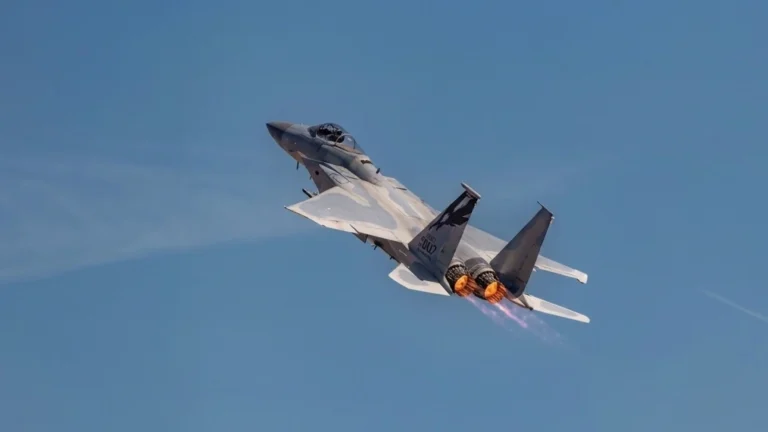
Despite President Trump’s bold declaration that “we have complete control of the skies over Iran,” he has stopped short of targeting Iran’s Supreme Leader—at least “not for now.” Yet the U.S. is unmistakably pulled into the fray: fighter jets and naval fleets are moving into the region, signaling America’s deepening US role in Israel‑Iran conflict and escalating the Middle East tensions.
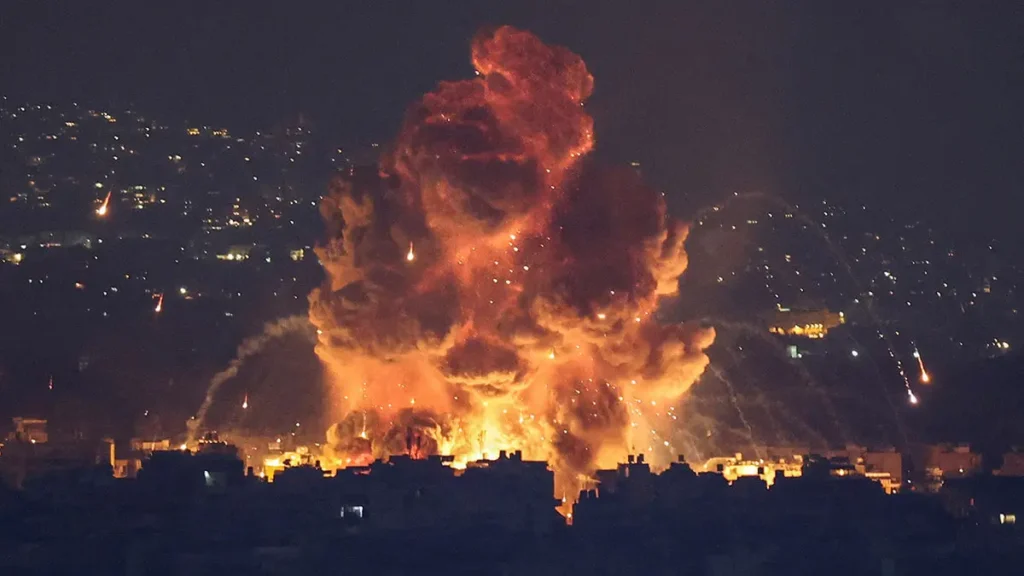
Beyond the skies, the psychological toll is immense. Tehran is in mass panic, roads gridlocked with fleeing families, and fears are mounting as Iran proxy militias vow revenge—not just against Israel, but potentially U.S. forces too.
But before we ask what happens next—first we need to understand: what triggered this war in the first place? What brought Israel and Iran to the edge of all-out confrontation?
To understand how the Israel-Iran conflict in 2025 erupted into open war, we need to rewind the clock—not just by months or years, but decades. Because what’s happening now didn’t come out of nowhere. The roots of this hostility run deep, tangled in revolution, ideology, nuclear fears, and clashing visions for the Middle East.
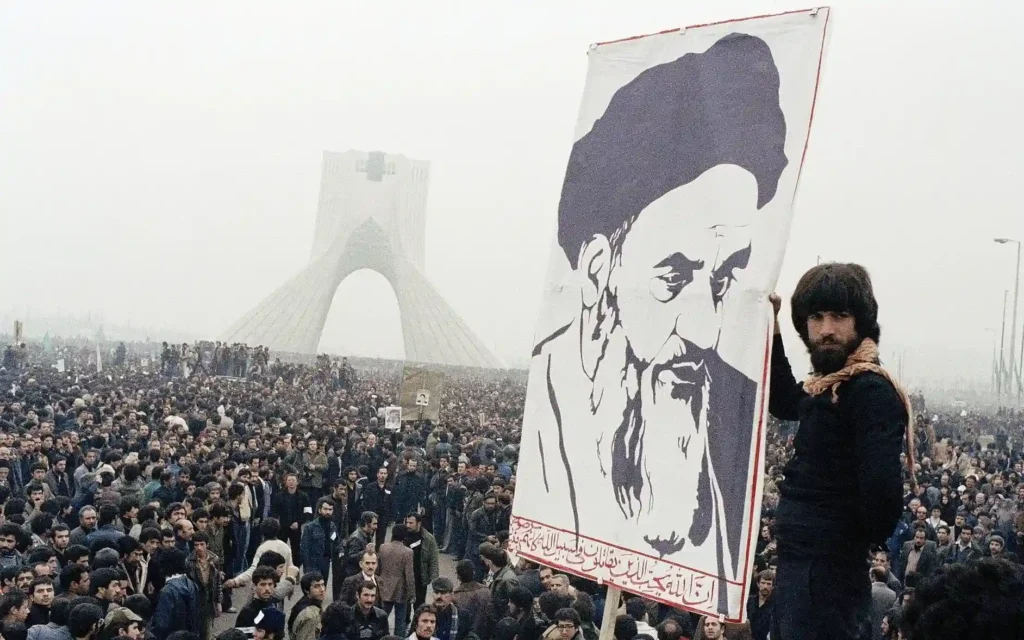
It arguably began in 1979, with Iran’s Islamic Revolution. The overthrow of the Shah and the rise of Ayatollah Khomeini marked a sharp pivot away from the West—and from Israel. Before the revolution, Iran and Israel had enjoyed quiet but steady diplomatic and military ties. But the moment the Islamic Republic was born, those ties were not just severed—they were condemned. Israel became “the Zionist enemy,” and Tehran began framing its foreign policy around opposition to Western influence and the Israeli state.
Over the decades, this ideological rivalry hardened. Iran positioned itself as the leader of the so-called “Resistance Axis,” arming and supporting proxy militias like Hezbollah in Lebanon, Islamic Jihad in Gaza, and, more recently, militant groups in Syria, Iraq, and Yemen. They became extensions of Iran’s strategy to pressure and encircle Israel without direct confrontation. That pressure has only intensified over time, contributing to rising Middle East tensions.
Israel, on the other hand, drew closer to Washington—militarily, technologically, and strategically. With U.S. backing, it emerged as the most powerful military actor in the region. That alignment further deepened the divide, especially as Iran’s nuclear program advanced.
For Israel, an Iranian nuclear weapon was a red line. The Iran nuclear threat, as perceived by Israeli leaders, became one of the driving fears shaping Israeli defense policy in the 2000s and 2010s. And while Tehran has repeatedly insisted its nuclear program is peaceful, many in the West—particularly in Tel Aviv and Washington—have viewed those claims with suspicion.
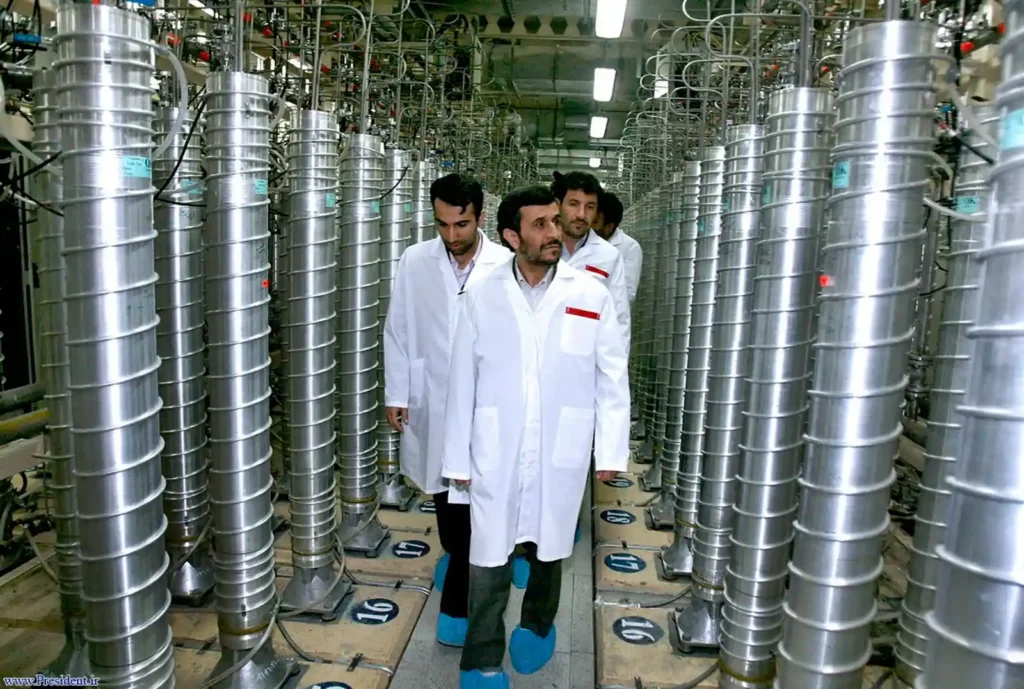
It’s also worth noting that both sides have engaged in years of shadow warfare. Cyberattacks, assassinations of nuclear scientists, sabotage operations, and targeted strikes have all played out in the shadows. While these actions rarely made front-page headlines, they quietly moved both nations closer to direct conflict.
So when Israeli fighter jets struck Iran nuclear facilities in June 2025, it wasn’t a bolt from the blue—it was the culmination of decades of distrust, ideological opposition, and escalating brinkmanship. One might argue that this war was not so much started in 2025, but rather inherited from the unresolved tensions of the late 20th century.
Read also: Strait of Hormuz – Why This Narrow Waterway Holds Global Power
While the ideological divide between Israel and Iran set the stage for long-term hostility, it’s the recurring flashpoints—episodes of confrontation just below the threshold of open war—that have kept this conflict simmering for decades.
As mentioned earlier, one of the most persistent and controversial issues has been Iran’s nuclear program. Since at least the early 2000s, suspicions have swirled around Tehran’s nuclear ambitions. While Iranian officials have consistently maintained that their efforts are peaceful and aimed at energy production, Israeli intelligence and Western agencies have repeatedly claimed otherwise. In response, Israel has allegedly conducted a quiet but intense campaign of sabotage—including covert operations, cyberattacks, and targeted assassinations.
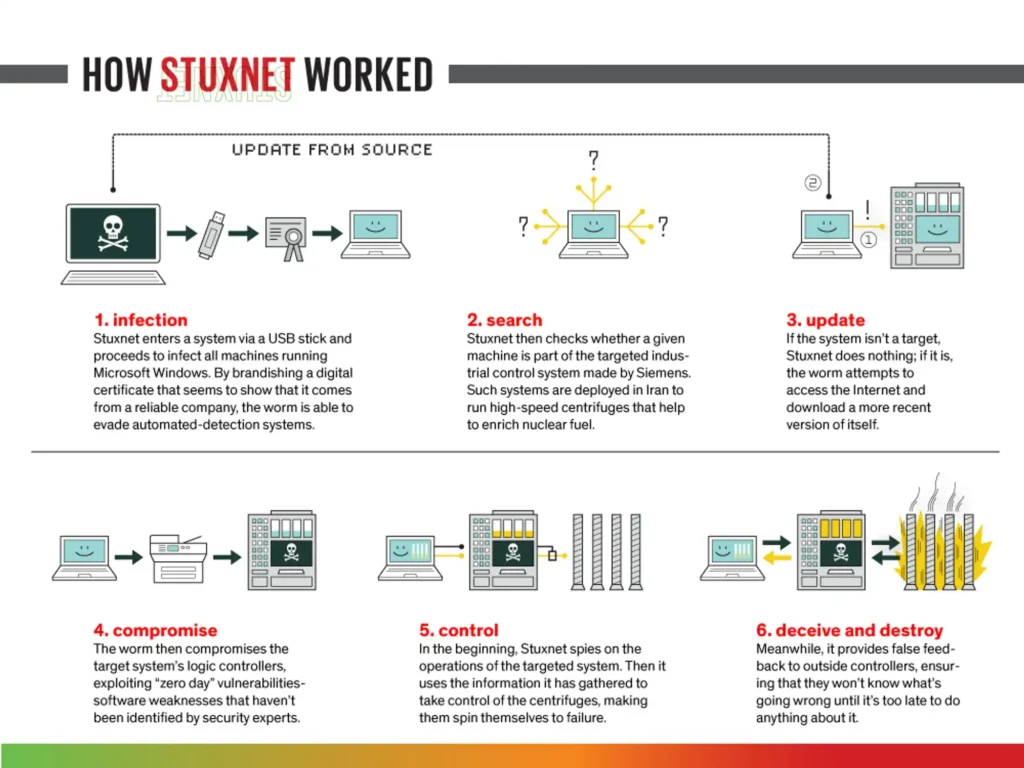
Perhaps the most infamous of these efforts was Stuxnet, a sophisticated cyber weapon that emerged in 2010. Widely attributed to Israel and the United States—though never officially confirmed—it reportedly crippled Iran’s Natanz uranium enrichment facility by silently destroying centrifuges. This attack marked a new phase in warfare: cyber warfare that could cause physical destruction without firing a single shot. While it didn’t start a war, it certainly escalated the arms race in cyberspace between the two nations.
Parallel to the cyber front, a quieter but equally dangerous battle was unfolding across Israel’s northern borders. In Lebanon and Syria, Iran has cultivated and armed a web of proxy militias, most notably Hezbollah. These groups have long posed what Israeli officials describe as a “multi-front threat”—capable of launching rockets, drones, and guerrilla attacks from multiple directions. Over the years, Hezbollah’s arsenal has reportedly grown to include tens of thousands of rockets, many with improved precision and range—raising alarms in Tel Aviv about Iran’s growing influence on its doorstep.
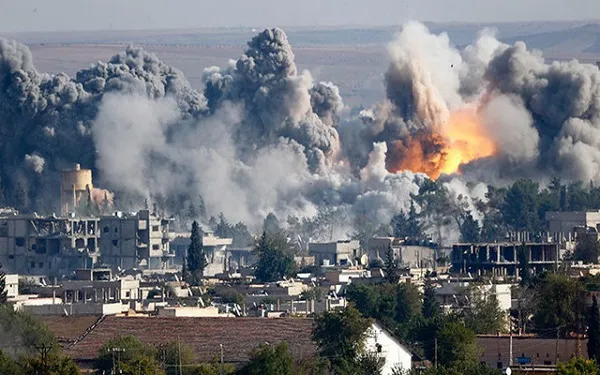
In response, Israel has been conducting what it calls a “campaign between wars.” Though rarely acknowledged outright, the Israeli Air Force is believed to have carried out hundreds of airstrikes in Syria, targeting weapons shipments, Iranian Revolutionary Guard Corps positions, and arms depots linked to Hezbollah.
These strikes, often occurring at night and with high precision, are aimed at curbing what Israel sees as an Iranian effort to entrench itself militarily in Syria under the cover of civil war. Iran, for its part, has condemned these operations as illegal violations of sovereignty and acts of aggression.
Each of these flashpoints has added fuel to the fire. None of them individually triggered the current Iran-Israel war in 2025, but together, they created a climate of distrust and volatility where a single spark could ignite a much broader conflict.
In hindsight, it’s difficult to say if war was inevitable—but many of these flashpoints suggest that the path toward confrontation had been slowly, perhaps even unconsciously, paved over many years.
If there’s one issue that has arguably kept Israel and Iran locked in a cycle of hostility, it’s the nuclear question. While many conflicts in the Middle East revolve around territory, ideology, or influence, the Iran nuclear threat—or at least the perception of it—has added a far more existential dimension to the standoff.
The story really gained international traction in the early 2000s, when secret Iranian nuclear sites were uncovered by dissident groups and later confirmed by the International Atomic Energy Agency (IAEA). These revelations raised immediate concerns in Israel and the West. Although Iran insisted its nuclear program was for civilian energy purposes, skepticism remained high, particularly due to Tehran’s history of undisclosed facilities and uranium enrichment beyond civilian-grade levels.
Read also: Iran’s Nuclear Weapons Program
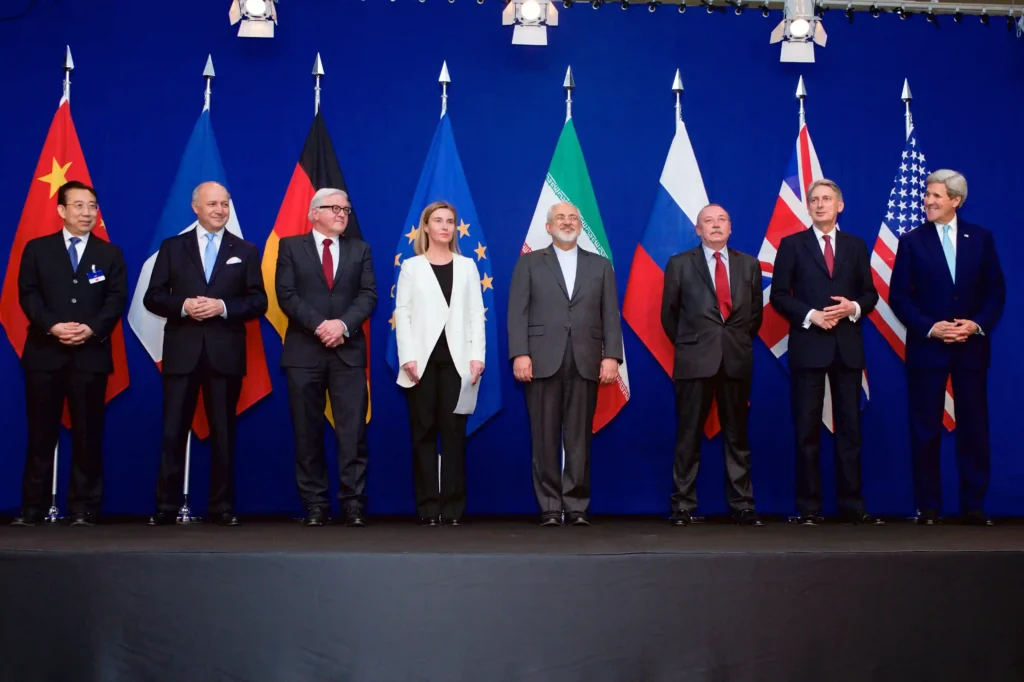
In 2015, after years of tense diplomacy, the Joint Comprehensive Plan of Action (JCPOA) was signed between Iran and six world powers. For a while, it seemed like nuclear tensions might ease. The deal imposed strict limits on Iran’s enrichment activities and allowed for regular IAEA inspections, and in return, Tehran received significant sanctions relief. But the calm was short-lived.
In 2018, the United States—under the Trump administration—unilaterally withdrew from the JCPOA, citing what it called the deal’s “sunset clauses” and Iran’s continued regional destabilization through proxy militias. This move deeply strained U.S.-Iran relations and set off a chain reaction. Iran, while initially trying to preserve the agreement with European powers, gradually began rolling back its commitments.
By 2021, the IAEA reports began to reflect a growing unease. Inspectors noted that Iran had started enriching uranium at levels well beyond the 3.67% limit set by the JCPOA—eventually reaching 60%, a level that, while not yet weapons-grade (which is around 90%), brought it dangerously close. Iran has maintained that it is not seeking a bomb, but that narrative has done little to calm Israeli fears.
Israel has always viewed a nuclear-armed Iran as an unacceptable threat. Officials in Tel Aviv have consistently argued that the risk is not just what Iran would do with such a weapon, but what it would mean for the region: a potential nuclear arms race in the Middle East, emboldened Iranian proxy militias, and greater instability overall.
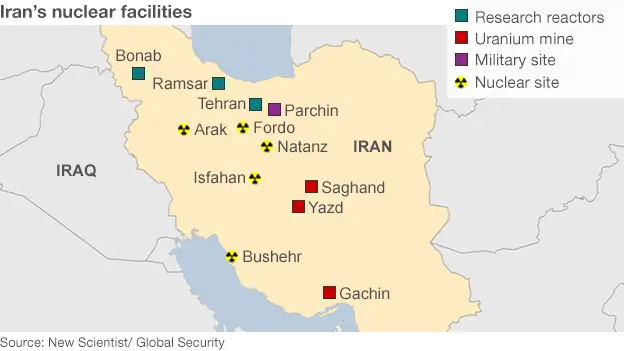
These fears have fueled what some analysts describe as a “preventive doctrine” in Israeli security thinking. From covert sabotage operations at enrichment sites to targeted killings of Iranian nuclear scientists—such as the 2020 assassination of Mohsen Fakhrizadeh—Israel has often acted unilaterally to delay or disrupt Iran’s progress. While Israeli leaders rarely confirm such actions, they often speak openly about their intent to prevent Iran from going nuclear “at any cost.”
In the lead-up to the 2025 war, some intelligence analysts warned that a tipping point was approaching. Whether Iran was truly close to a nuclear weapon is still debated—but the perception that it was nearing that threshold likely shaped the decisions that followed. Israel’s recent strikes on Iranian nuclear facilities, for example, may be viewed by some as a last-ditch effort to reset the strategic balance before it was too late.
By the time we entered 2024, the Israel-Iran standoff had already evolved far beyond cold diplomacy or ideological posturing. What had once been a shadow war—fought through proxies, cyber tools, and strategic ambiguity—was becoming increasingly kinetic, visible, and difficult to contain.
One of the most striking developments has been the sharp escalation in Israeli strikes on Iranian sites—not just within Syria (which had become a familiar theater), but, more controversially, inside Iranian territory itself. Starting in late 2024 and intensifying in mid-2025, Israel launched what it described as “preemptive precision strikes” against what it claimed were facilities linked to Iran’s missile program, weapons depots, and even nuclear research infrastructure. While Israel has not officially acknowledged the full extent of these operations, satellite imagery and on-the-ground reports suggest damage to several Iran nuclear facilities attacked, including in Isfahan and Natanz.
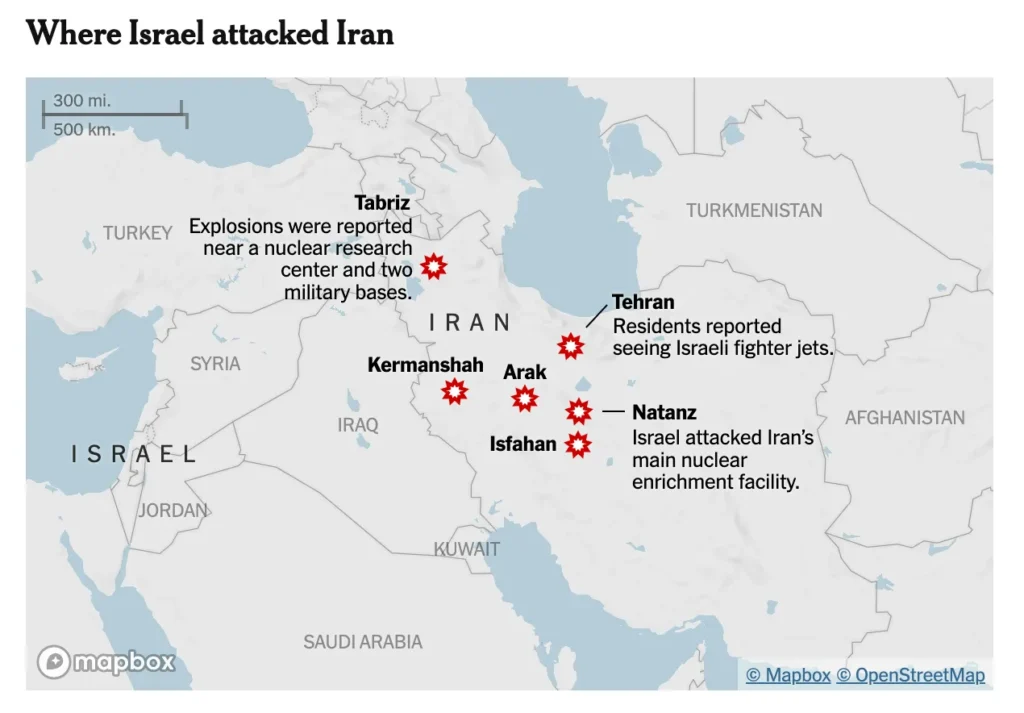
At the same time, the regional proxy conflicts continued to boil. In Gaza, clashes between the Israel Defense Forces (IDF) and Iranian-backed factions—particularly Palestinian Islamic Jihad—became more frequent and deadly. The Iran proxy militias in Lebanon, especially Hezbollah, increased both their rhetorical threats and their military exercises near the Israeli border. Israeli officials warned that Hezbollah now possessed more accurate long-range missiles than ever before, a capability that could shift the strategic balance in the Middle East tensions.
Meanwhile in Syria, the already tangled web of conflict deepened. Iran reportedly expanded its logistical and military footprint near the Golan Heights, drawing what many believe were Israeli airstrikes aimed at curbing this buildup. While Damascus has condemned these strikes, it has been difficult to verify details due to the chaotic nature of the Syrian battlefield.
Iran’s response, at least rhetorically, has been uncompromising. Top Iranian officials have issued repeated retaliation threats, warning that any further attacks would be met with “direct and overwhelming force.” These warnings intensified especially after the June 2025 Israeli offensive, with Iran launching a barrage of missiles and drones at Israel—some of which targeted civilian infrastructure, according to Israeli sources. Iran, however, framed the attacks as justified retaliation for what it calls “Zionist aggression.”
What about the international response?
The situation has not gone unnoticed internationally. The US role in the Israel-Iran conflict has become increasingly pronounced. While Washington has publicly backed Israel’s right to defend itself, officials have also urged restraint, wary of being drawn into a broader regional war. U.S. air and naval assets have reportedly been repositioned closer to the Persian Gulf, signaling readiness without direct engagement—at least for now. Some observers suggest this reflects a hedging strategy: supporting an ally while keeping diplomatic off-ramps open.
Global reactions have varied. European nations have expressed deep concern over the escalation, particularly in relation to the potential collapse of the nuclear non-proliferation regime. The UN Security Council held emergency sessions, though—as is often the case—no unified resolution emerged. The international community appears divided, with some blaming Israeli “provocations” and others focusing on Iran’s “destabilizing activities.”
As the Israel-Iran conflict escalates, it’s not just the two nations at the center of the storm who are feeling the heat. The potential fallout—political, military, and economic—is increasingly being felt regionally across the Middle East, and even on the global stage.
One of the biggest concerns is the risk of a wider Middle East war. While so far the fighting has primarily involved Israel, Iran, and various proxy militias operating in Gaza, Lebanon, and Syria, there are signs that the conflict could spill over.
For instance, if Hezbollah were to launch a full-scale attack from southern Lebanon, or if Iran were to directly target US bases or assets in the Gulf, the regional picture could shift dramatically. Some experts warn that even a single miscalculated strike could pull in actors like Iraq, Jordan, or the Gulf states—intentionally or otherwise.
The US-Israel alliance adds another layer of complexity. The United States has long stood as Israel’s primary backer. Since the start of the 2025 escalation, Washington has reiterated its support for Israel. American naval deployments in the eastern Mediterranean and Persian Gulf seem to serve both as a deterrent to Iran and a signal of solidarity with Tel Aviv.
At the same time, Arab states like Saudi Arabia, the UAE, and Qatar are walking a delicate line. While several of them, particularly under the Abraham Accords, have grown closer to Israel in recent years—especially on economic and intelligence cooperation—public opinion in many of these countries remains broadly sympathetic to the Palestinian and, to some extent, Iranian narratives. So far, these governments have called for restraint and de-escalation, wary of being caught between powerful neighbors in a conflict that could undermine their own national interests.
And then there’s the economic angle. With Iran threatening to disrupt shipping through the Strait of Hormuz—a vital chokepoint for global energy supply—there’s growing concern that the conflict could rattle global oil prices. Some shipping lanes in the Persian Gulf have already reported increased insurance premiums and temporary halts, fearing Iranian drone or missile attacks. If the conflict deepens, energy markets could face significant shocks, which may have ripple effects for global inflation, especially in energy-importing nations.
One possibility is limited de-escalation. This would likely require intense behind-the-scenes diplomacy, possibly brokered by neutral players like Oman, Turkey, or even European powers. In this scenario, both Israel and Iran might agree—informally or through backchannel negotiations—to scale back operations, avoiding further strikes while continuing to posture rhetorically. Some believe a return to JCPOA-style nuclear talks could form part of such an outcome, though that appears unlikely in the short term.
Another likely outcome is a prolonged but contained conflict. This would involve tit-for-tat actions—cyberattacks, proxy skirmishes, occasional missile exchanges—but without either side crossing a red line that would trigger full-scale war. This “gray zone” conflict model has defined much of the Israel-Iran rivalry for the past decade, and it’s possible both parties could revert to this mode once current tensions stabilize.
The most dangerous scenario, however, is a full-scale regional war. While still viewed as less likely, this scenario cannot be ruled out—especially if a major incident occurs, such as mass civilian casualties or a successful strike on a key Israeli or Iranian city. In that case, the conflict could draw in multiple regional and global actors, with devastating consequences for regional stability and the global economy.