Follow Us:
Follow Us:

In recent years, Iran’s advancements in missile technology have sparked global attention, with the Sejjil missile standing at the forefront of this military evolution. Known for its impressive range, solid-fuel propulsion, and mobility, the Sejjil represents a significant leap in Iran’s medium-range ballistic missile (MRBM) capabilities, redefining strategic balances across the Middle East and beyond.
Unlike Iran’s earlier liquid-fueled Shahab missiles, the Sejjil employs a two-stage solid-propellant system—allowing for faster launch times, easier storage, and greater operational flexibility. With an estimated range of up to 2,000 kilometers, the missile can potentially reach targets in Israel, U.S. bases in the Gulf, and parts of Eastern Europe, making it a key element of Iran’s deterrent strategy.
This post explores the Sejjil missile in detail—its development history, technical specifications, and its growing impact on regional and global security dynamics.
The Sejjil missile—sometimes spelled Sejil or referred to as Ashoura in earlier reports—is an Iranian-developed medium-range ballistic missile (MRBM) that has fundamentally changed the country’s strategic missile capabilities. First unveiled in 2008, the Sejjil marked Iran’s first operational missile to use a solid-fuel propulsion system, setting it apart from its liquid-fueled predecessors like the Shahab-3.
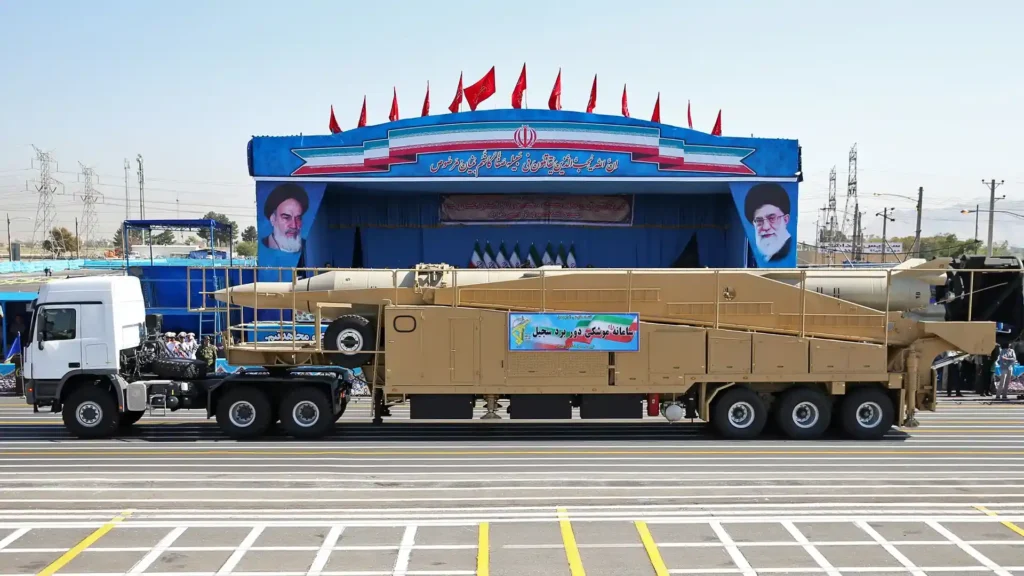
The development of the Sejjil demonstrates Iran’s growing domestic missile manufacturing capability, minimizing reliance on foreign technology sources. Its design suggests influences from both Chinese and North Korean missile technology, but it remains an indigenous product of Iran’s defense industry.
Capable of carrying a payload of approximately 700 kg—suitable for conventional or potentially nuclear warheads—the Sejjil plays a crucial role in Iran’s regional power projection and deterrence strategies.
The Sejjil missile stands out due to its advanced technical features that mark a significant improvement over previous Iranian ballistic systems. One of its most notable characteristics is its two-stage solid-fuel propulsion system, which allows for faster preparation and launch compared to liquid-fueled missiles. This feature enables Iran to keep the missile launch-ready without the lengthy fueling processes required by earlier systems like the Shahab series.
Read also: Khorramshahr-4 Ballistic Missile
In terms of physical dimensions, the Sejjil missile measures approximately 18 meters in length with a diameter of 1.25 meters, and weighs around 23,600 kilograms at launch. It is designed to carry a warhead payload of up to 700 kilograms, which can include conventional explosives or, potentially, a nuclear warhead if Iran develops such capability in the future. The missile is launched from a mobile Transporter Erector Launcher (TEL), providing both strategic mobility and increased survivability against pre-emptive strikes.
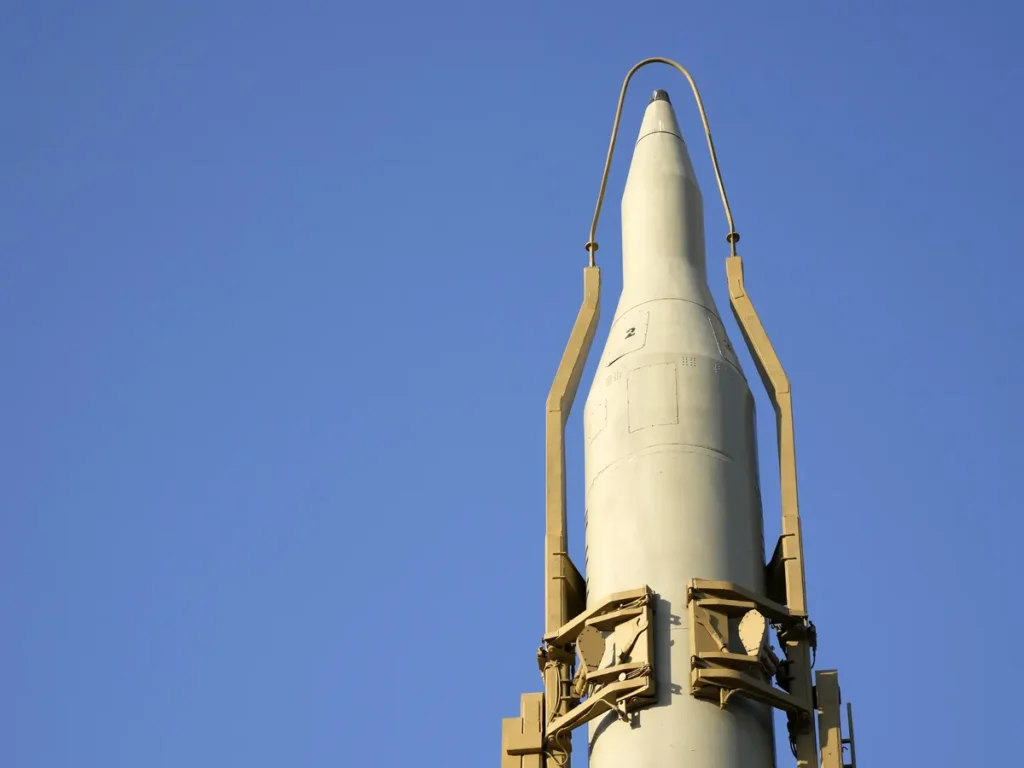
The missile’s effective range is estimated to be between 2,000 to 2,500 kilometers, placing key regional targets such as Israel, U.S. military bases in the Gulf, and parts of Southern Europe within striking distance.
Additionally, the Sejjil is reported to possess an impressive accuracy with a Circular Error Probable (CEP) of approximately 50 meters, making it a credible threat even against hardened military targets. Anti-radar coatings and advanced guidance systems further enhance its ability to evade missile defense systems, positioning the Sejjil as one of the most formidable assets in Iran’s ballistic missile arsenal.
The development of the Sejjil missile marks a turning point in Iran’s ballistic missile program, reflecting the country’s strategic ambition to produce more advanced and independent missile technologies. Work on solid-fueled systems reportedly began in the late 1990s, with Iran seeking to overcome the limitations of its earlier liquid-fueled Shahab series. The Sejjil project likely benefited from technological insights gained through collaboration with countries such as North Korea and China, though the final design is largely considered a product of Iran’s domestic defense industry.
Read also: Fattah-1 Missile: Iran’s Answer to Israeli Missile Defense Systems
Iran first successfully tested the Sejjil-1 missile in 2008, showcasing its two-stage solid-fuel propulsion and confirming its potential operational range. A year later, the upgraded Sejjil-2 variant was unveiled and tested, featuring improvements in range, payload capacity, and guidance systems. These tests demonstrated Iran’s growing expertise in solid-fuel rocket technology—a crucial step toward enhancing missile readiness and reducing launch preparation time.
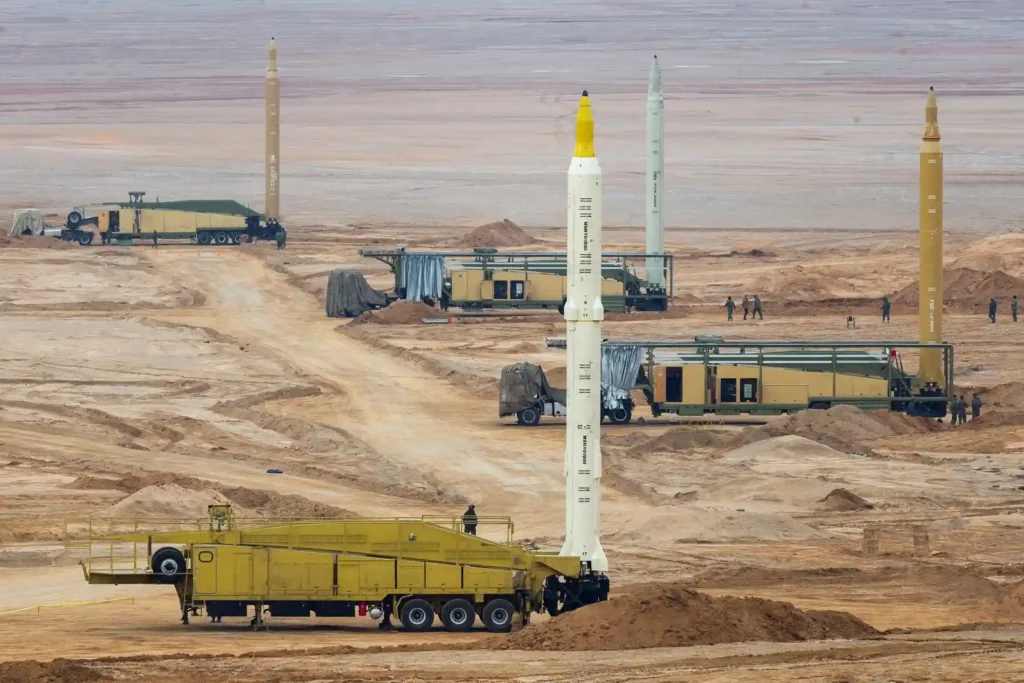
Since its initial introduction, the Sejjil missile has reportedly entered operational service within Iran’s Islamic Revolutionary Guard Corps (IRGC), forming part of the country’s broader strategic deterrent posture. While concrete evidence of mass deployment remains limited, Western intelligence sources suggest that further developments—including the possible Sejjil-3 variant with a speculated range of up to 4,000 kilometers—may already be in the pipeline, indicating Iran’s intent to expand its missile reach far beyond the Middle East.
Since its introduction, the Sejjil missile has undergone several enhancements, leading to the development of distinct variants aimed at improving performance and adaptability. The two most recognized versions are the Sejjil-1 and Sejjil-2. While the Sejjil-1 marked Iran’s first successful deployment of a solid-fueled medium-range ballistic missile, the Sejjil-2 introduced refinements in range, accuracy, and possibly payload capacity, based on improvements in materials and guidance technology.
Additionally, some sources suggest that the Sejjil missile program evolved from earlier Iranian solid-fuel initiatives such as the Ashoura missile project, which may have served as a technical precursor to the Sejjil family. Although Ashoura was never fully confirmed as an operational missile, its design concepts likely influenced Sejjil’s development, especially regarding its propulsion and mobility features.
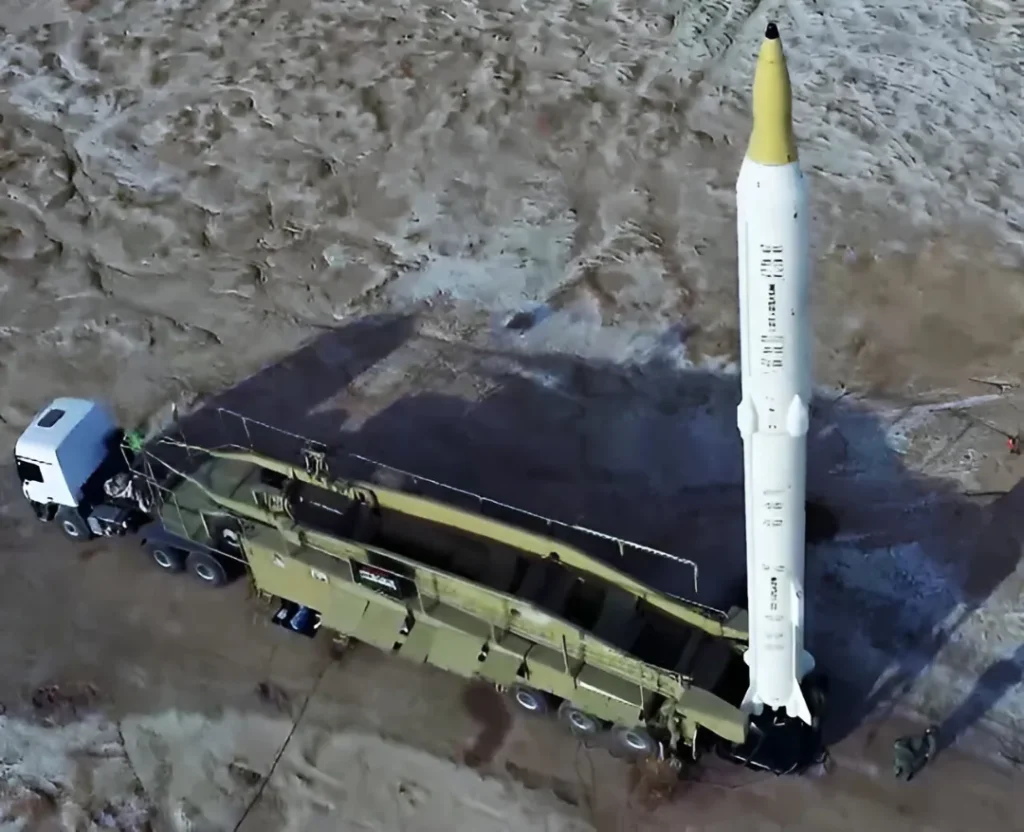
There have also been speculative reports regarding a potential Sejjil-3 variant, which could significantly extend the missile’s range to as much as 4,000 kilometers. If developed and deployed, such a system would move Iran closer to possessing intermediate-range or intercontinental ballistic missile (ICBM) capabilities, enabling it to reach targets in Europe and potentially even parts of Asia. However, the existence of Sejjil-3 remains unverified in open-source intelligence, and its development status is currently unclear.
In Iran’s ballistic missile arsenal, the Sejjil missile stands apart from other medium-range ballistic missiles (MRBMs) due to its solid-fuel propulsion system, a significant advancement over the more traditional liquid-fueled Shahab series. While the Shahab-3 has similar range capabilities (up to 2,000 kilometers), it requires extensive fueling and launch preparation time, reducing its battlefield readiness and survivability compared to the quicker-launching Sejjil.
Read also: Kheibar Shekan Missile: Iran’s Third-Gen Ballistic Powerhouse
The Sejjil also offers advantages over the Ghadr missile, another Iranian MRBM, which is a derivative of the Shahab-3 and likewise relies on liquid fuel. The Ghadr may boast slightly improved range and accuracy over its predecessor, but it does not overcome the inherent limitations of liquid-propellant systems such as vulnerability during fueling and the need for fixed launch infrastructure. In contrast, the Sejjil’s solid-fuel design and mobile TEL deployment system give it greater operational flexibility and resilience against pre-emptive strikes.
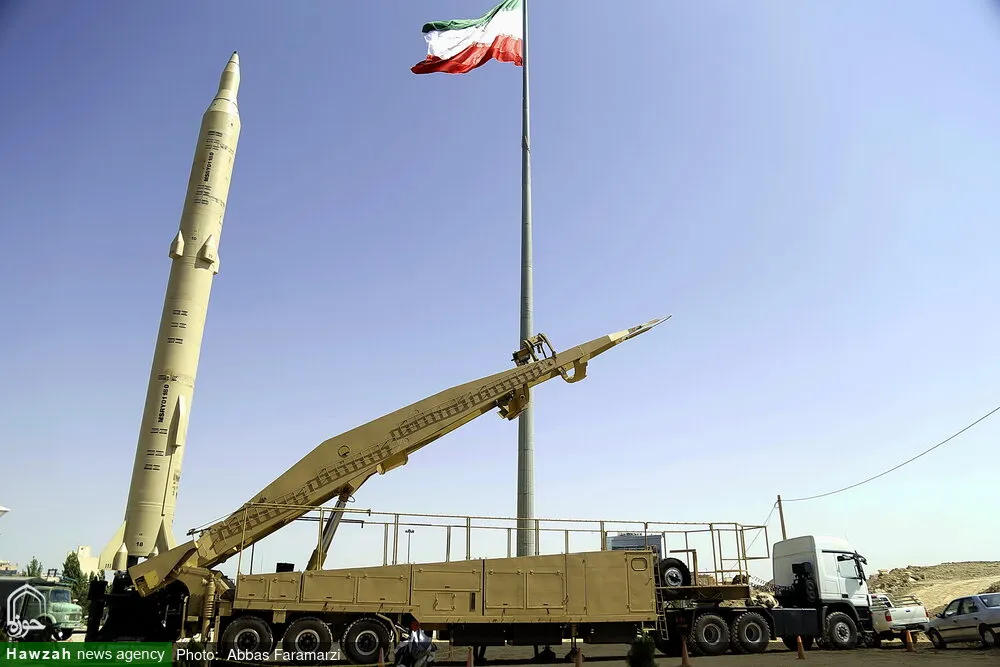
Moreover, the Sejjil missile is believed to have superior maneuverability and precision, possibly aided by more advanced guidance systems, resulting in an estimated CEP (Circular Error Probable) of 50 meters or better, whereas older models like Shahab-3 are reported to have a CEP of several hundred meters. This improvement makes the Sejjil a more credible threat to hardened military or strategic targets, elevating its role in Iran’s deterrence strategy.
Determining the exact cost per unit of the Sejjil missile is challenging due to Iran’s limited transparency regarding its defense expenditures. However, experts estimate that solid-fuel ballistic missiles like the Sejjil are generally less expensive to maintain and operate over their service life compared to their liquid-fueled counterparts. This is because solid-fuel missiles do not require extensive fueling infrastructure, cryogenic storage facilities, or last-minute launch preparations—factors that drive up both operational costs and logistical complexity for liquid-fueled systems.
Estimates based on similar missile systems globally suggest that each Sejjil missile unit may cost between $5 million and $10 million, depending on factors like guidance systems, materials, and production scale. However, the overall cost to Iran is likely lower due to domestic manufacturing and the avoidance of international procurement, which also helps circumvent economic sanctions and restrictions imposed by Western countries.
Regarding production volume, the number of Sejjil missiles produced remains unclear. While Iranian officials claim the missile is mass-produced and operationally deployed, Western analysts remain cautious, noting the absence of publicly verified large-scale field deployment.
Factors such as international sanctions, domestic economic constraints, and technical challenges may have limited Iran’s ability to produce the missile in significant numbers. Nevertheless, even a modest stockpile of Sejjil missiles would enhance Iran’s strategic leverage given the weapon’s range, mobility, and rapid launch capability.
The deployment and advancement of the Sejjil missile have significant implications for the balance of power in the Middle East. Its solid-fuel technology, extended range, and rapid launch capability have altered the strategic calculations of Iran’s regional adversaries, most notably Israel, Saudi Arabia, and the United States. With the ability to strike distant targets accurately and swiftly, the Sejjil provides Iran with a powerful deterrent against potential military actions, reinforcing its defensive posture while enhancing its influence in regional geopolitics.
For Israel, the Sejjil represents a direct threat to national security, prompting the expansion and upgrading of missile defense systems such as Arrow-3 and David’s Sling. The missile’s presence in Iran’s arsenal has also driven the Israeli government to strengthen military alliances with the United States and Gulf Arab states, highlighting the missile’s impact on defense cooperation across the region.
Meanwhile, Gulf countries like Saudi Arabia and the UAE view the Sejjil as a tool through which Iran could project force or influence regional conflicts, such as those in Yemen or Syria, without deploying ground forces. As a result, these states have increased their investments in early-warning radar systems and missile interceptors, aware that Iran’s growing missile capabilities could alter future conflict scenarios. Thus, the Sejjil missile not only boosts Iran’s military posture but also reshapes the strategic environment of the broader Middle East.