Follow Us:
Follow Us:

Every two years, Australia becomes the center stage for one of the Indo-Pacific’s largest and most complex military exercises—but Talisman Sabre 2025 may be on track to break records. While official details are still emerging, early indications suggest this year’s Australia-US military exercise could feature a broader scope, more participants, and an even sharper focus on regional security dynamics.
Some analysts believe Exercise Talisman Sabre 2025 might see the largest number of allied forces deployed in its history, potentially drawing in over 30,000 troops from across the Indo-Pacific and beyond. This number would not only underscore the growing strategic importance of Talisman Sabre, but also reflect deepening concerns over geopolitical instability—particularly around flashpoints like the Taiwan Strait and South China Sea.
So, what can we realistically expect from Talisman Sabre 2025? Who’s involved, where will it take place, and why does it matter more than ever?
At its core, Exercise Talisman Sabre is a large-scale, bilateral military training exercise co-led by the United States and Australia, typically held every two years. While it may sound like just another war game, many defense analysts would argue that it’s far more than that—especially in the current Indo-Pacific security climate.
Talisman Sabre has evolved into a major cornerstone of allied military cooperation, drawing in a growing list of participants that often includes forces from Japan, the United Kingdom, Canada, South Korea, New Zealand, and several Southeast Asian nations. While the 2025 participant list hasn’t been officially published, it’s expected to reflect the region’s increasingly networked defense posture.
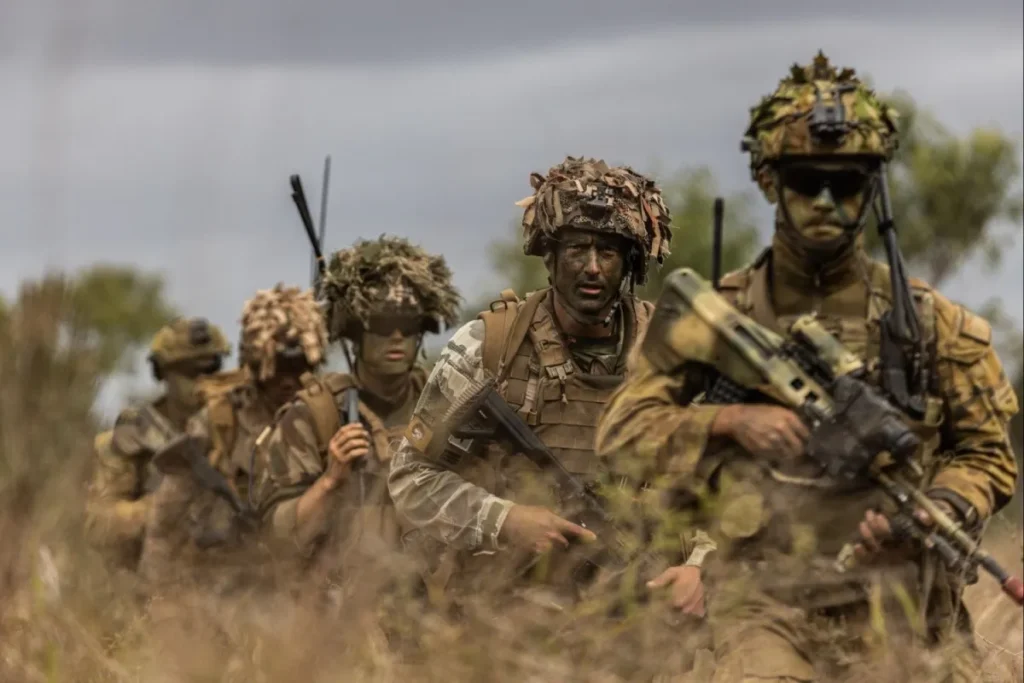
The primary purpose of Exercise Talisman Sabre 2025 is centered on improving interoperability. In simpler terms, it’s about ensuring that different militaries can operate together effectively under a unified command structure, using compatible systems, procedures, and communication protocols. Given the rising complexity of modern warfare, particularly in a multi-domain environment involving cyber, space, and unmanned systems, this kind of joint training is seen as critical.
But there’s also a broader strategic angle. Talisman Sabre serves as a kind of readiness test—not just for individual militaries, but for collective defense partnerships in the Indo-Pacific. With tensions simmering in areas like the Taiwan Strait and South China Sea, and with China’s growing regional assertiveness, many observers view the exercise as a subtle yet significant signal of deterrence and preparedness.
Read also: Is China Preparing to Invade Taiwan?
Some might even say that Talisman Sabre is becoming a de facto platform for shaping future coalition strategies in the region. It allows participants to stress-test scenarios that could, in theory, reflect real-world crises—from humanitarian disasters to full-scale conflict.
If early signals are anything to go by, Exercise Talisman Sabre 2025 could represent one of the most ambitious iterations of the Talisman Sabre exercise yet. While official briefings remain limited, several defense observers and open-source reports hint at some key developments that seem to set this year’s event apart from its 2023 predecessor—in both scale and sophistication.
Back in 2023, the exercise already saw a record number of participants, with over 13 countries and nearly 30,000 personnel involved. But Talisman Sabre 2025 may push those boundaries even further. Some reports suggest that more nations—possibly from Southeast Asia or even Europe—could join as observers or active participants. If true, this would make the 2025 edition not just bigger in size, but broader in its geopolitical messaging, signaling a deepening commitment to allied military cooperation in the Indo-Pacific.
And then there’s the tech factor.
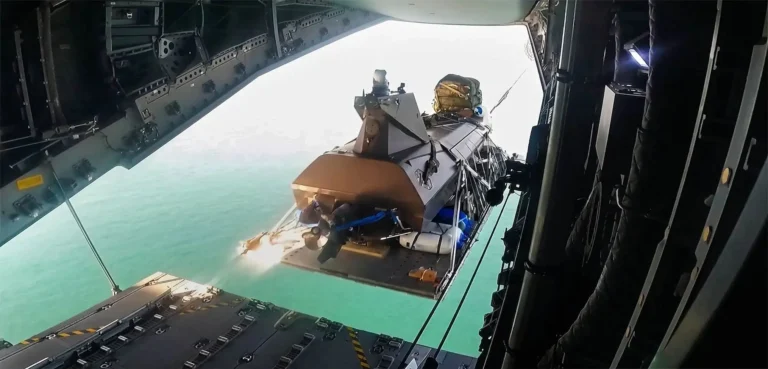
Several defense analysts believe Talisman Sabre 2025 will likely place a stronger emphasis on emerging technologies—particularly autonomous systems, AI-driven decision tools, and cyber warfare capabilities. While drones and unmanned platforms have been used in past exercises, this year might see more integrated scenarios that simulate contested information environments, electronic warfare, and even space-based surveillance coordination. These would reflect how the battlefield is no longer limited to the physical domain—a reality many militaries are now urgently preparing for.
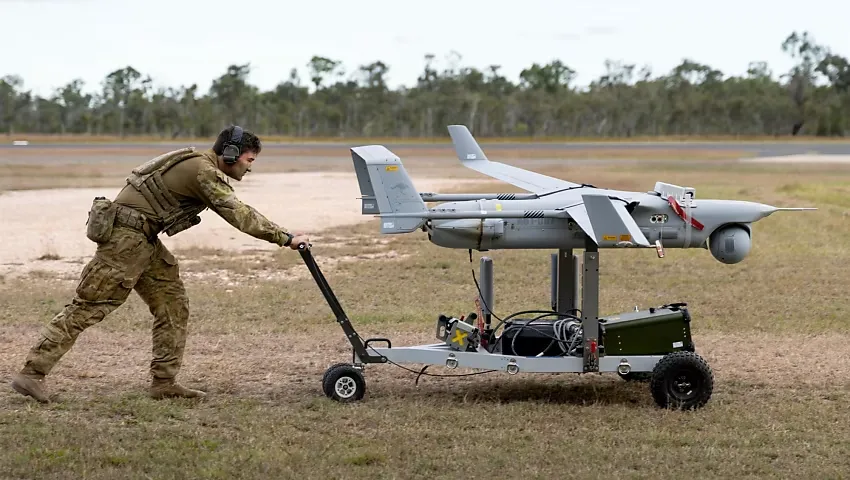
For example, there are indications that this year’s exercise could feature coordinated drone swarms, live cyber-defense simulations, or even cross-domain logistical challenges—like maintaining connectivity when communications are deliberately jammed. While these scenarios might sound like science fiction, they mirror the kinds of hybrid threats that regional planners increasingly anticipate.
Another potential shift lies in the Talisman Sabre 2025 locations. Some defense sources have suggested a wider geographic spread—possibly extending activities further north into Queensland and deeper into Australia’s interior—to mimic real-world operational dispersal. This would test how fast and efficiently coalition forces can deploy, sustain, and communicate across vast and sometimes hostile terrain.
Of course, not everything is confirmed yet. But if these changes do materialize, Talisman Sabre 2025 could quietly mark a turning point—not just in how exercises are conducted, but in how the region prepares for the uncertain challenges ahead.
As of early July 2025, the full, formal list of participants in Exercise Talisman Sabre 2025 has not been officially published in a complete format. However, media reports and defense sources have confirmed some new and returning participants, while others are still unconfirmed or participating in a limited/observer role.
At the heart of the exercise, of course, are the United States and Australia, the co-hosts and long-standing partners behind the US-Australia joint military drill. Their presence anchors the entire event, reflecting their shared commitment to regional security and their increasingly tight interoperability across military branches.
Based on participation trends from 2023, we can reasonably expect countries like Japan, South Korea, the United Kingdom, New Zealand, and Canada to return. These nations have consistently supported the Talisman Sabre exercise in recent years and are actively involved in broader Indo-Pacific joint military drills. Their continued involvement would signal growing multilateral coordination and shared strategic priorities—especially in an era marked by maritime tensions and rapidly evolving defense challenges.
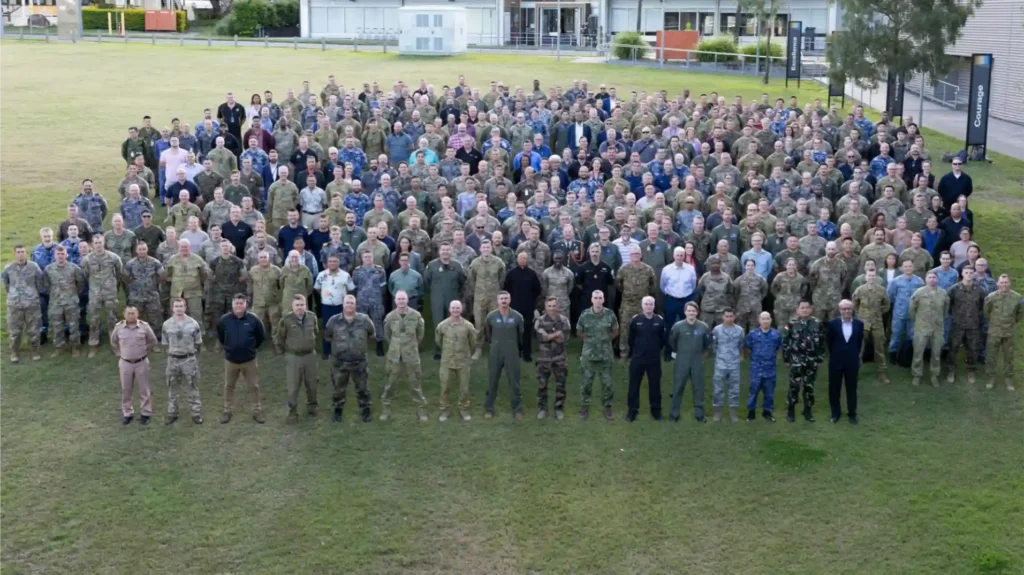
What’s especially interesting about Talisman Sabre 2025, though, is the possibility of new additions. There has been speculation that Southeast Asian countries—such as the Philippines or Indonesia—may either join in a limited capacity or send observers. If so, this could reflect an increasingly regional approach to security cooperation, particularly as nations facing direct maritime pressures look to strengthen defense ties with larger powers.
Some sources suggest that India and Singapore are participating for the first time. This inclusion strongly supports the idea that the exercise is evolving into a more multilateral, interoperable, and regionally integrated military cooperation framework.
At the same time, European nations such as France and Germany, which have shown growing interest in Indo-Pacific affairs, may either expand their roles or shift from observer status to more active participation. This would align with recent trends showing European outreach in the region, perhaps as a way to hedge against global instability and diversify their strategic partnerships.
On the flip side, there may be notable absences, too—whether due to logistics, politics, or shifting defense priorities. Some nations that have previously taken part in smaller roles might step back in 2025, depending on their own security commitments or diplomatic calculations.
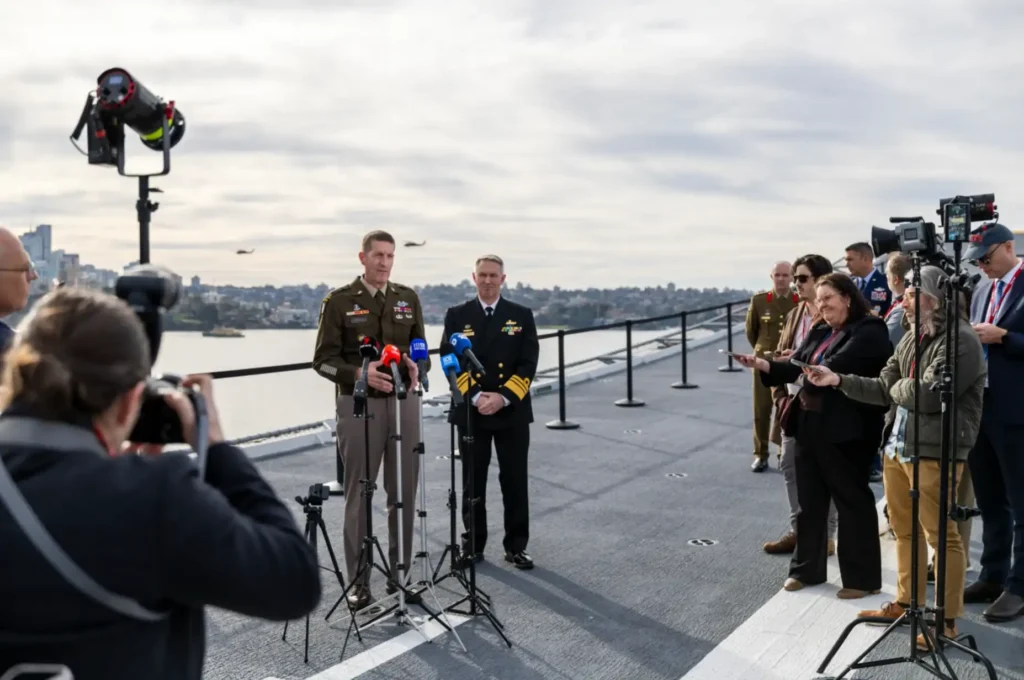
Some ASEAN nations like Malaysia or Thailand may continue to engage cautiously or remain on the sidelines, potentially reflecting their desire to avoid appearing aligned with any single bloc amid US-China competition. While any absence from traditionally active participants might quietly signal a recalibration of their Indo-Pacific engagement, however, it’s too early to draw firm conclusions.
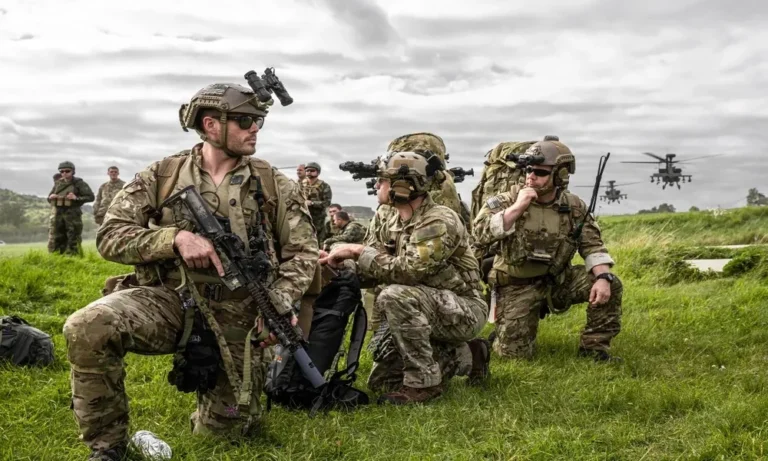
In terms of geography, Australia’s vast and varied landscape has always played a strategic role in shaping the nature of the Talisman Sabre exercise—and 2025 is unlikely to be an exception. Multiple reports and military planning documents suggest that Queensland will remain a key hub, particularly areas such as Shoalwater Bay Training Area (SWBTA) and Townsville, which have hosted major amphibious landings, ground combat drills, and aviation operations in previous years.
What’s interesting is that the footprint may be expanding. Analysts believe that Northern Territory, including bases near Darwin and Katherine, could see increased activity in 2025. This would align with recent upgrades to airfields and logistics infrastructure in the Top End—developments that many interpret as part of a broader push to bolster US-Australia joint military readiness across northern Australia.
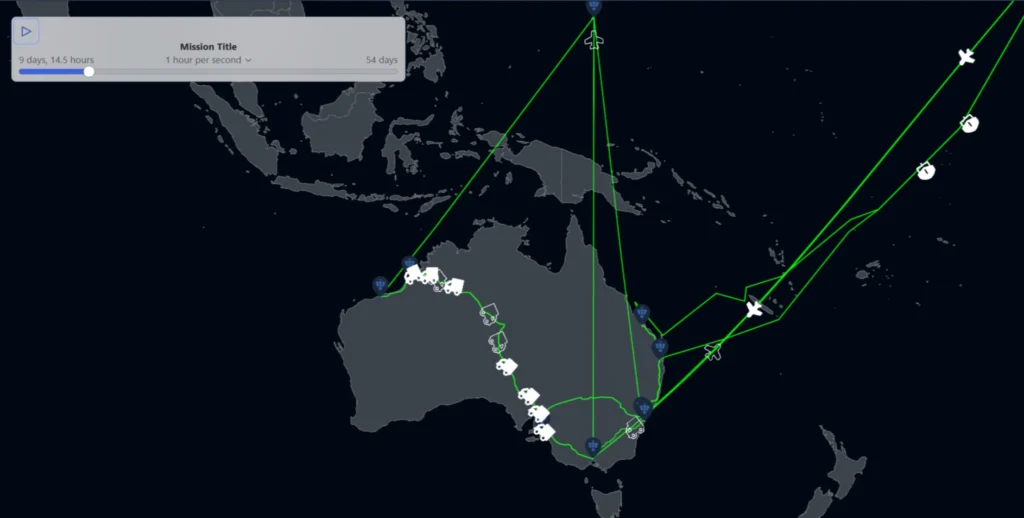
There’s also some speculation that Western Australia or even more remote inland areas could play a limited role this year, perhaps as staging areas or for long-range logistics and surveillance drills. If so, this would reflect a growing focus on testing operational dispersion—the ability to deploy and sustain forces over vast distances.
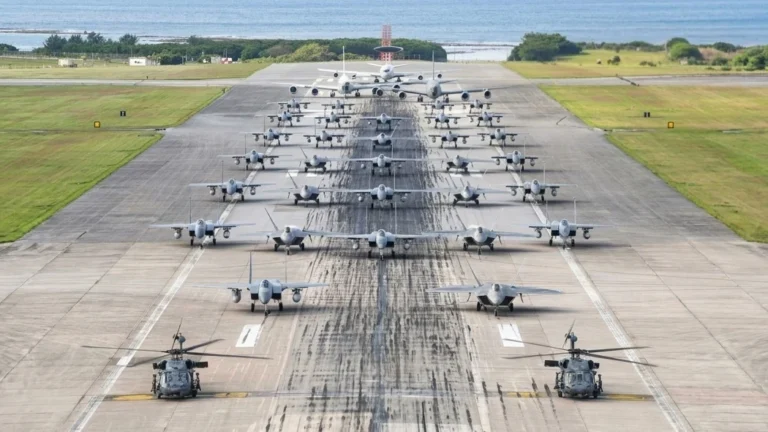
Naval and air components of the exercise are also expected to extend well offshore, possibly including joint maritime drills in the Coral Sea or Timor Sea, as well as coordinated air operations flying out of bases like RAAF Amberley or RAAF Tindal. These areas offer ideal conditions for testing multi-domain operations in realistic, challenging environments.
Exercise Talisman Sabre 2025 is expected to feature a wide array of training components spanning air, land, sea, and cyber domains. While the final exercise script hasn’t been made public, past editions—and early planning updates—offer some strong hints about what’s likely to unfold.
One of the central features will almost certainly be joint amphibious operations, which have become a signature component of the Talisman Sabre exercise. These drills typically involve U.S. Marines, Australian forces, and partner nations conducting beach landings, force insertions, and coordinated movement inland—all designed to simulate responses to high-risk contingencies such as island defense or crisis response in the Indo-Pacific. Given the strategic importance of littoral warfare in the region, some analysts suggest that 2025 could include more complex amphibious landings, possibly with an emphasis on speed, dispersed tactics, or integrating unmanned systems.
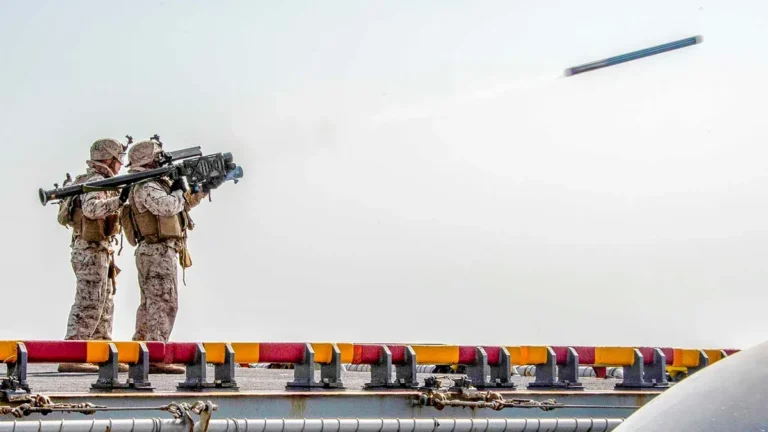
At the same time, live-fire exercises remain a core feature. These may involve artillery units, armored vehicles, and air support working together in real-time, testing both tactical coordination and fire discipline across multinational formations. In 2023, there were notable demonstrations of combined arms operations; 2025 could take this further with more integrated joint targeting—possibly even leveraging AI-assisted battlefield tools or advanced ISR (intelligence, surveillance, reconnaissance) platforms.
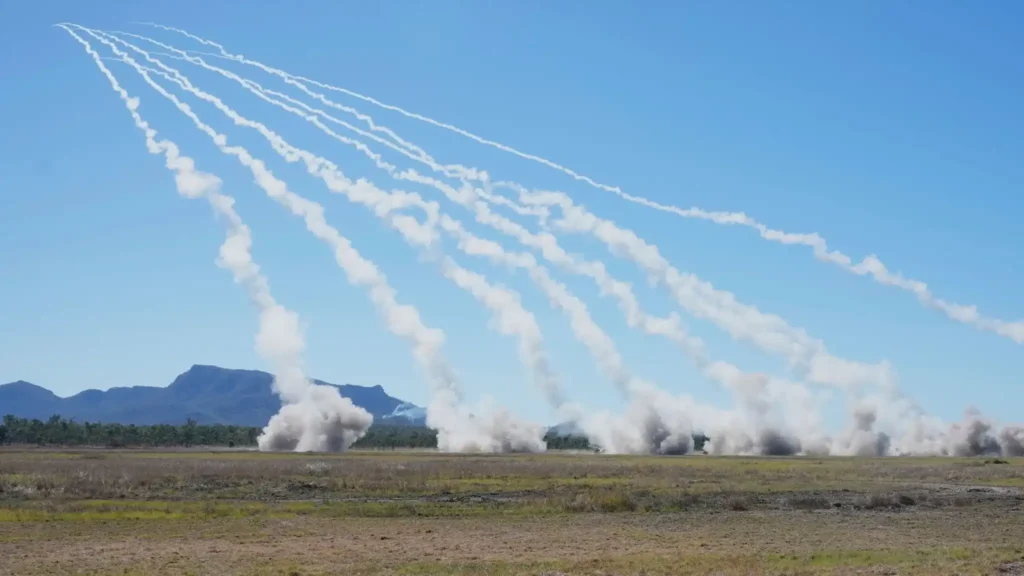
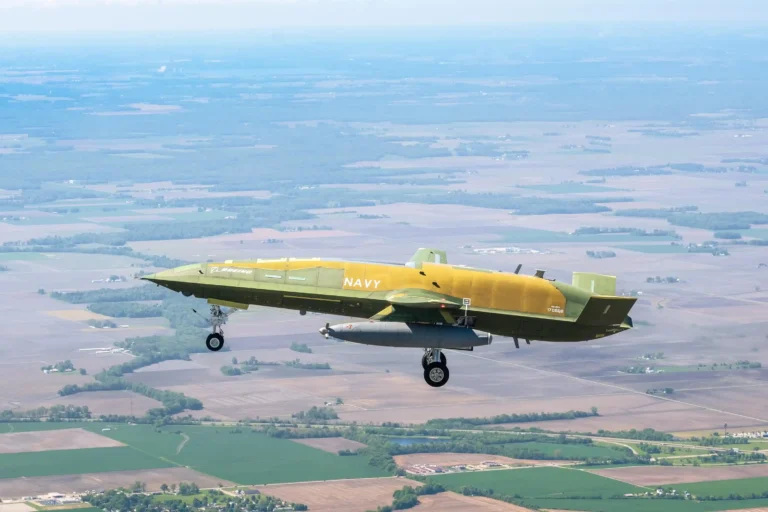
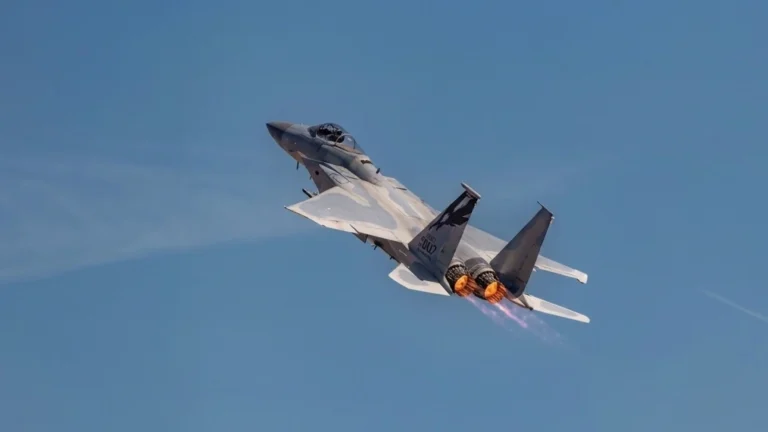
The air component is also likely to be robust. If past exercises are any indication, we could see US and Australian fighter jets, bombers, and surveillance aircraft conducting coordinated missions—including simulated air interdiction, aerial refueling, and contested airspace scenarios. Some have speculated that newer assets like F-35s or autonomous drones may be more deeply integrated this year, reflecting a growing shift toward networked air operations in the Indo-Pacific.
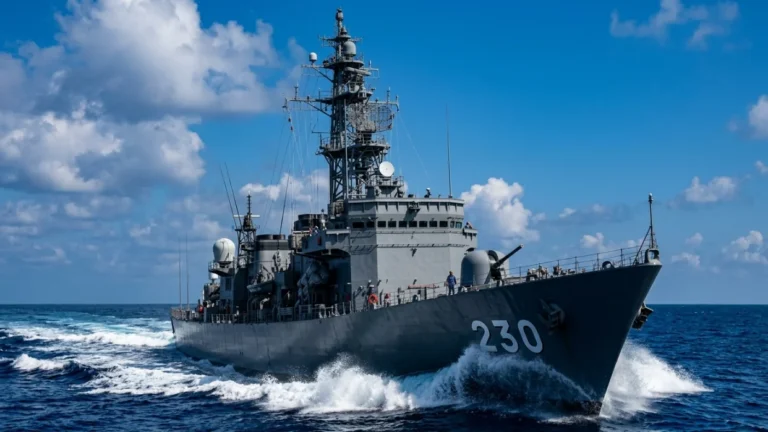
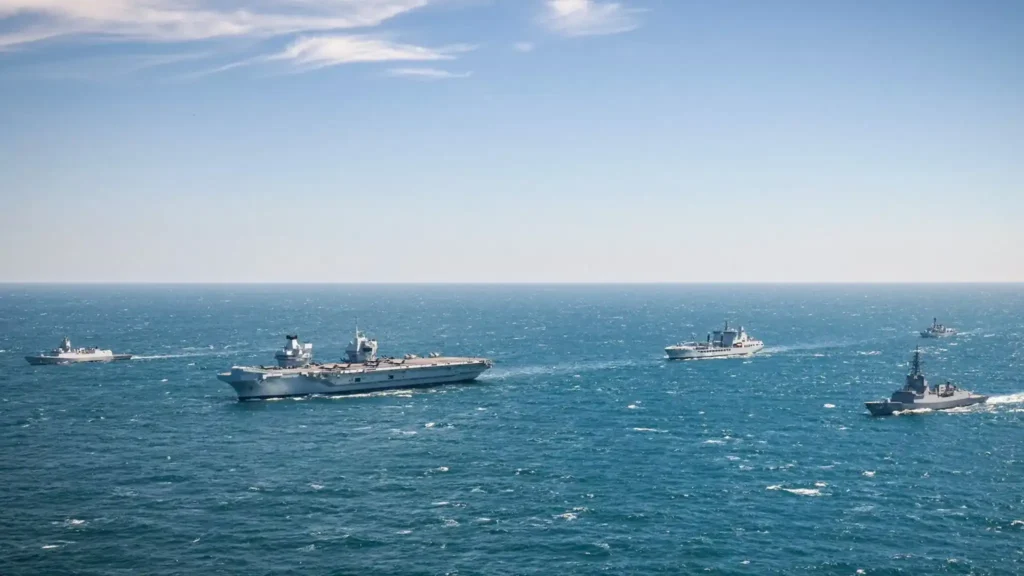
At sea, the naval component typically includes coordinated operations involving destroyers, amphibious assault ships, and submarines. Drills may involve anti-submarine warfare, freedom of navigation maneuvers, or maritime interdiction, designed to prepare forces for a wide range of contingencies — from protecting sea lanes to countering gray-zone threats. Given recent naval tensions in the region, there’s a possibility that 2025’s maritime scenarios could be more focused on realistic, high-stakes conflict simulations.
But perhaps the most rapidly evolving element of Talisman Sabre 2025 is the cyber and command post operations. These exercises often run behind the scenes, but they are crucial for testing how coalition forces would manage information warfare, defend against cyberattacks, and maintain command and control in a degraded or contested environment. It’s possible that this year’s exercise will place greater emphasis on simulated cyber intrusions, electronic warfare, and joint decision-making under pressure, reflecting the realities of modern, multi-domain conflict.
For both the United States and Australia, the exercise continues to reinforce their longstanding alliance, while also deepening operational trust between their militaries. Some analysts suggest that this level of allied military cooperation is becoming increasingly vital as both countries adjust their postures in response to a more uncertain regional landscape.
Talisman Sabre also functions as a kind of strategic messaging tool, particularly toward actors like China. While officials are typically careful not to name any country directly, the scale and complexity of the exercise—especially with growing involvement from Japan, the UK, and other QUAD or AUKUS-aligned partners—could be interpreted as a quiet but deliberate signal. In a region where military exercises are often watched as closely as official statements, these kinds of Indo-Pacific joint military drills can speak volumes about readiness and resolve.
There may also be a deeper geopolitical layer here. As frameworks like AUKUS and the QUAD continue to evolve, Talisman Sabre offers a practical venue for testing some of the capabilities and partnerships those groups are intended to strengthen. For example, real-world cooperation in areas like cyber defense, maritime awareness, and high-tech military integration may not happen overnight — but drills like this lay the groundwork for that future collaboration.
It’s also worth noting the exercise’s growing relevance to smaller regional states. By involving or inviting Southeast Asian observers, the U.S. and Australia may be trying to signal that their security vision for the Indo-Pacific is inclusive rather than exclusive—a message aimed not only at China, but also at fence-sitting nations unsure of how to navigate rising great-power competition.