Follow Us:
Follow Us:


Defense Feeds, Tokyo — Japan is reportedly considering a major defense cooperation step as the Japan Type 88 missile transfer could strengthen Philippines defense through the possible export of coastal anti-ship missile systems to Manila. The proposed transfer reflects deepening security ties between the two countries as concerns over maritime tensions in the South China Sea continue to grow.
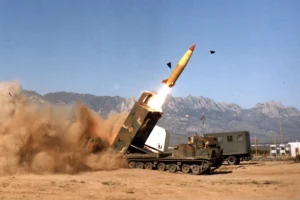
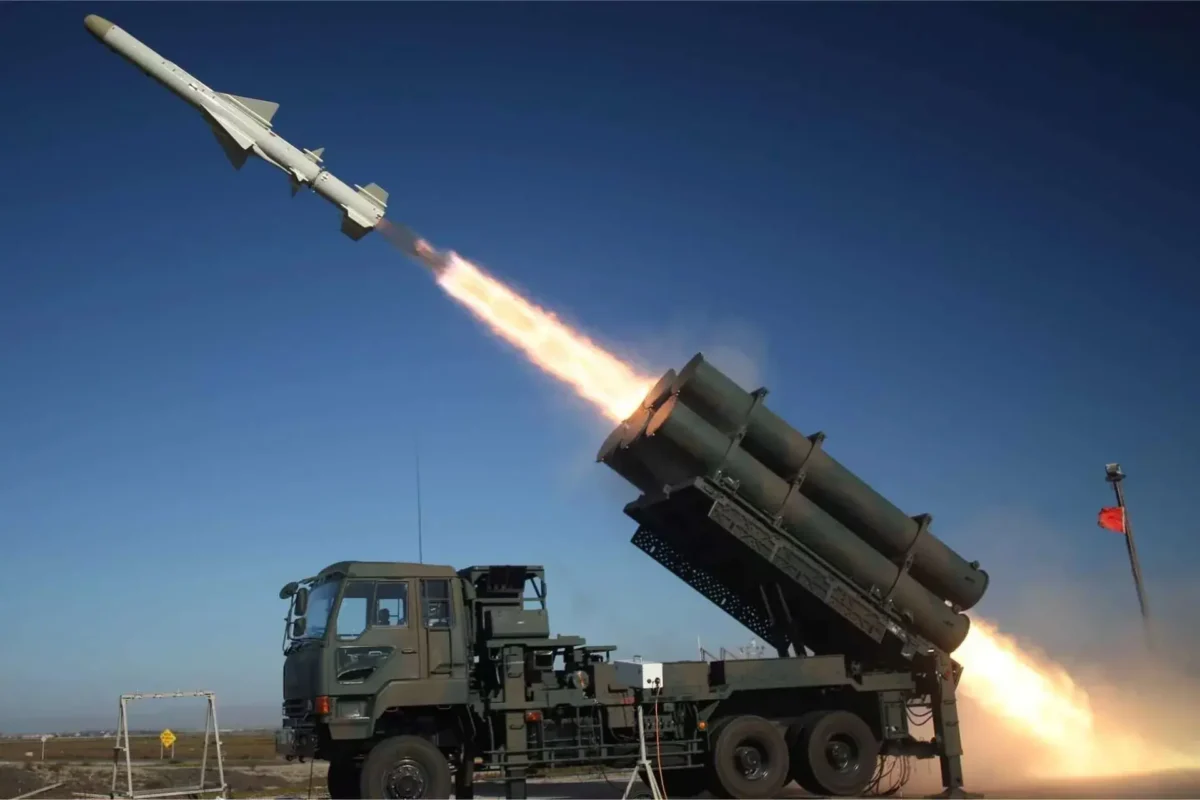
The Type 88 anti-ship missile system is designed to provide coastal defense against hostile naval vessels. Mounted on mobile launch platforms, the system offers flexibility and rapid deployment capability across strategic coastal areas. If approved, the transfer would significantly enhance the Philippines’ maritime denial and coastal defense capabilities.
The potential deal also signals a broader shift in Japan’s regional security posture. Tokyo has gradually expanded defense cooperation with Indo-Pacific partners while increasing support for regional deterrence and maritime stability initiatives. The Philippines has become one of Japan’s closest security partners in Southeast Asia.
The Type 88 anti-ship missile was developed by Japan as a mobile coastal defense system capable of targeting hostile surface vessels approaching strategic maritime areas. The system combines mobility, range and survivability, allowing operators to reposition launch units quickly during operations.
Coastal anti-ship missiles are becoming increasingly important across the Indo-Pacific due to expanding naval competition and maritime disputes. Such systems provide countries with a relatively cost-effective method of strengthening deterrence against larger naval forces.
For the Philippines, acquiring the Type 88 would improve the country’s ability to monitor and defend key maritime approaches. The mobility of the system would also make targeting more difficult during conflict scenarios. This flexibility is especially valuable in archipelagic environments.
The system may additionally support integrated coastal defense networks involving radar, surveillance aircraft and naval assets. Modern maritime security increasingly depends on combining sensors and missile systems into coordinated defensive structures.
The possible missile transfer highlights rapidly growing defense cooperation between Japan and the Philippines. Both countries have strengthened military ties in recent years through joint exercises, equipment discussions and maritime security initiatives.
Shared concerns regarding regional stability and freedom of navigation have driven much of this cooperation. The South China Sea remains one of the world’s most strategically important waterways, with multiple overlapping territorial disputes and increasing military activity.
Japan has gradually adopted a more active regional security role while remaining within its postwar defense framework. Expanding military assistance and defense exports to partners is now seen as part of Tokyo’s broader effort to support regional stability.
The Philippines, meanwhile, continues to modernize its armed forces and improve coastal defense capabilities. Strengthening maritime deterrence has become a priority as Manila faces increasing pressure to secure its territorial waters and strategic maritime zones. In addition to military capability, closer Japan-Philippines cooperation also improves interoperability and strategic coordination between allied and partner nations across the Indo-Pacific.
The potential Type 88 missile transfer comes amid growing military modernization efforts across the Indo-Pacific region. Countries are increasingly investing in anti-ship missile systems, coastal defenses and maritime surveillance as strategic competition intensifies.
The South China Sea has become a focal point for regional security concerns due to its economic importance and strategic shipping routes. Control of maritime access and sea lanes is considered critical for both trade and military operations.
Coastal missile systems provide smaller naval powers with a stronger deterrence capability by increasing the risks faced by larger surface fleets. Mobile anti-ship systems are particularly effective in contested maritime environments where geography can be used to defensive advantage.
The growing emphasis on distributed and mobile missile defenses also reflects lessons from modern conflicts where survivability and flexibility are increasingly important. Fixed military infrastructure is often more vulnerable to long-range precision strikes.
Looking ahead, the proposed Type 88 transfer could become part of a wider regional effort to strengthen maritime deterrence networks among US allies and partners. Such cooperation may expand further as countries seek to improve collective security and operational coordination.
Japan’s consideration of the missile transfer demonstrates how regional defense relationships are evolving in response to changing strategic conditions. As Indo-Pacific competition continues to intensify, anti-ship missile systems are likely to play an increasingly important role in shaping future maritime security dynamics.