Follow Us:
Follow Us:

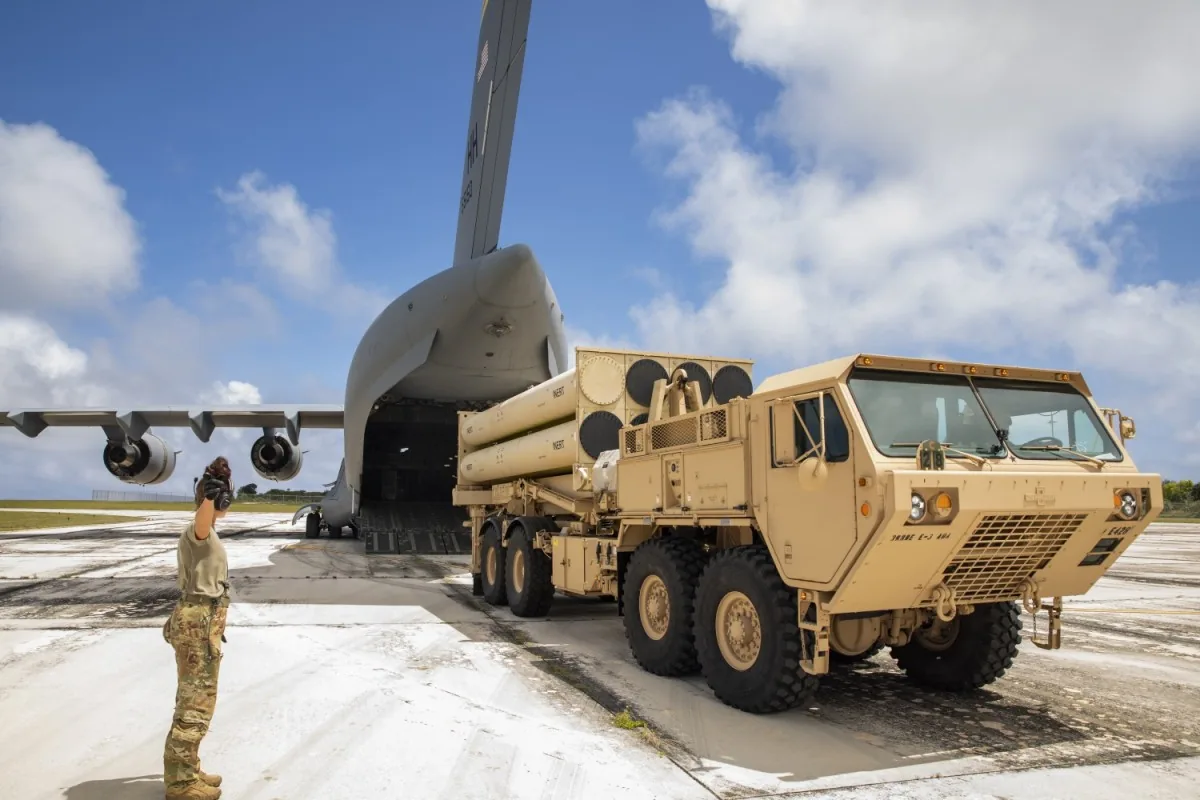
Defense Feeds – Washington. The U.S. Army Seeks 857 THAAD Interceptors for Indo-Pacific Defense plan signals a major expansion of America’s missile defense architecture as the Pentagon strengthens regional deterrence against growing ballistic missile threats across the Indo-Pacific.
The request, outlined in the U.S. Army’s latest procurement planning, would significantly increase the inventory of Terminal High Altitude Area Defense (THAAD) interceptors, one of the military’s most advanced systems for defending against short, medium and intermediate-range ballistic missiles.
The move reflects increasing concerns over the rapid expansion of missile arsenals in the region, particularly those fielded by China and North Korea.
Military officials view missile defense as a critical component of future operations in the Indo-Pacific, where vast distances and advanced strike capabilities could place U.S. forces, allied territories and key military installations at heightened risk during a crisis or conflict.
The planned procurement effort represents one of the largest investments in THAAD interceptors since the system entered operational service and highlights Washington’s growing emphasis on layered missile defense networks.
The THAAD system has become a cornerstone of U.S. ballistic missile defense strategy due to its ability to engage incoming threats during the terminal phase of flight. Developed by Lockheed Martin, the system is designed to intercept hostile missiles at high altitudes using hit-to-kill technology rather than conventional explosive warheads.
THAAD batteries are already deployed in several strategic locations, including the Indo-Pacific, where they contribute to regional deterrence and protection of forward-deployed forces.
The Army’s request for 857 additional interceptors suggests planners anticipate growing demand for missile defense capabilities over the coming decade. Analysts note that large interceptor inventories are essential because modern conflicts could involve sustained missile attacks designed to overwhelm defensive systems through volume and complexity.
China’s continued investment in ballistic and hypersonic missile technologies has been a key factor driving U.S. defense planning. The People’s Liberation Army Rocket Force possesses a broad range of conventional missile systems capable of targeting military facilities, naval forces and critical infrastructure throughout the region.
North Korea’s ongoing missile development programs have also reinforced the need for robust defensive capabilities. Pyongyang continues testing increasingly sophisticated ballistic missile systems, including weapons designed to challenge existing interception architectures.
As a result, American defense planners are focusing on expanding both offensive and defensive capabilities to maintain strategic stability.
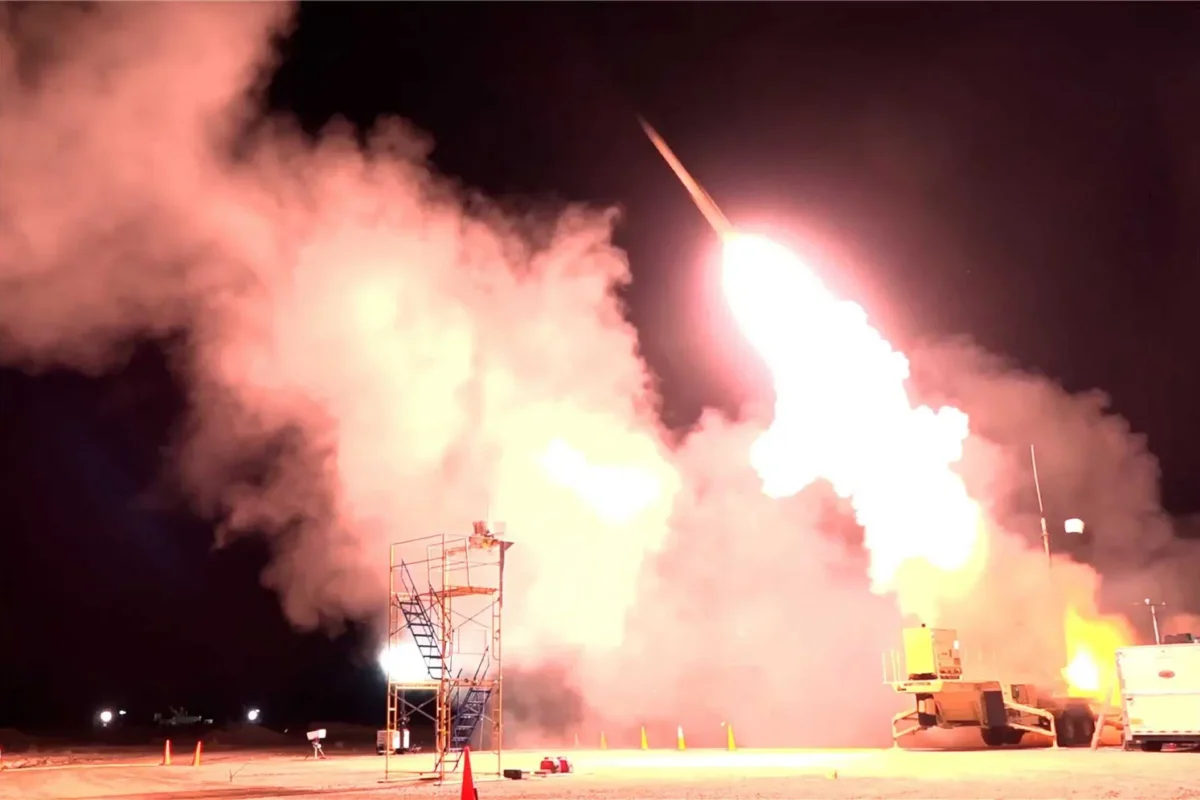
The Indo-Pacific has emerged as the primary focus of U.S. military planning, with missile defense playing an increasingly important role in operational concepts and force posture decisions.
Unlike previous eras where air superiority often provided the foundation for military operations, future conflicts may begin with large-scale missile strikes targeting command centers, airfields, logistics hubs and naval facilities. Protecting those assets is therefore viewed as essential for sustaining combat effectiveness.
THAAD forms part of a broader layered defense architecture that includes systems such as the Patriot PAC-3 and the Aegis Ballistic Missile Defense network. Together, these capabilities are intended to provide overlapping protection against a wide range of aerial threats.
Defense experts emphasize that no single system can address every missile challenge. Instead, military planners rely on integrated architectures where different platforms operate together to maximize interception opportunities.
The growing focus on missile defense reflects broader concerns about anti-access and area-denial strategies that could complicate U.S. military operations in a future regional conflict. By strengthening defensive layers, Washington hopes to preserve freedom of action for both American and allied forces.
The planned interceptor expansion also demonstrates how missile defense is evolving from a niche capability into a central pillar of regional deterrence strategy.
The Army’s proposed acquisition highlights the scale of resources required to sustain modern missile defense operations.
Intercepting advanced ballistic missiles demands sophisticated technology, extensive training and large stockpiles of ready interceptors. As adversaries continue improving missile range, speed and maneuverability, defensive systems must evolve accordingly.
The emergence of hypersonic weapons has further complicated the challenge. These systems travel at extreme speeds and can alter flight paths, making detection and interception more difficult than with traditional ballistic missiles.
For U.S. military planners, maintaining a sufficient inventory of THAAD interceptors is essential to ensuring credible defensive coverage across the Indo-Pacific. The region’s vast geography and growing strategic importance mean missile defense requirements are likely to continue expanding in the years ahead.
The proposed procurement also aligns with broader Pentagon efforts to strengthen alliances and enhance regional security cooperation. Many U.S. partners rely on American missile defense capabilities as part of collective deterrence arrangements designed to counter emerging threats.
As competition between major powers intensifies, the request for hundreds of additional THAAD interceptors underscores Washington’s commitment to building a more resilient and layered missile defense network.
For the Indo-Pacific, where missile arsenals continue growing in both size and sophistication, such investments are increasingly viewed as indispensable to maintaining regional stability and military readiness.