Follow Us:
Follow Us:

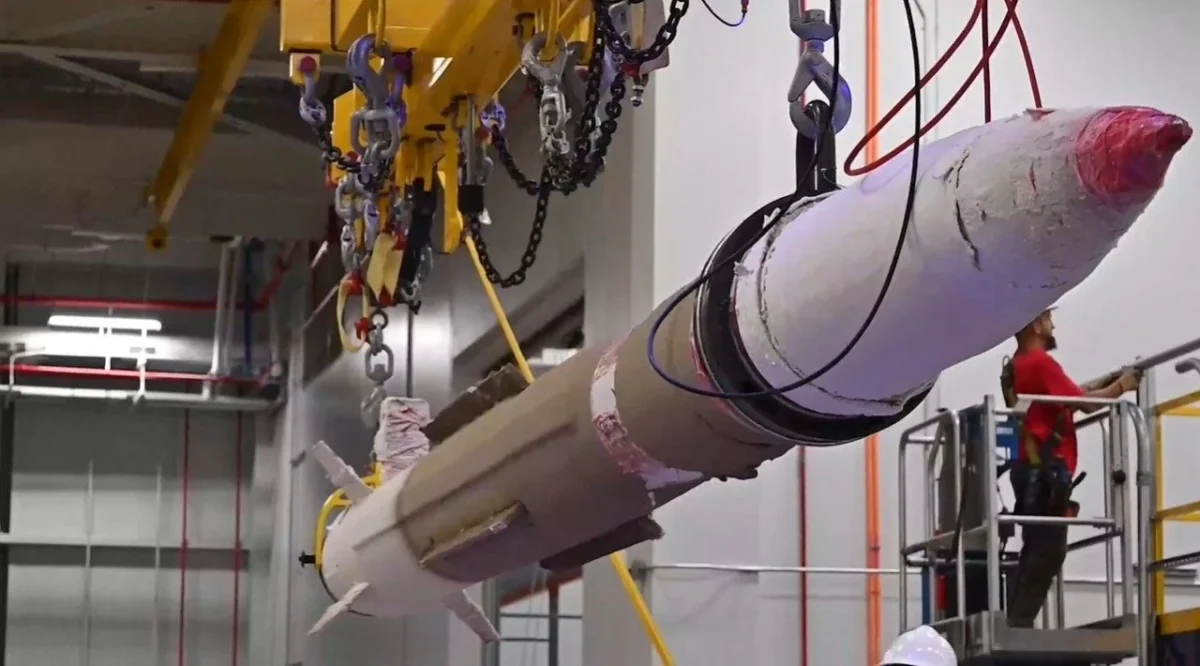
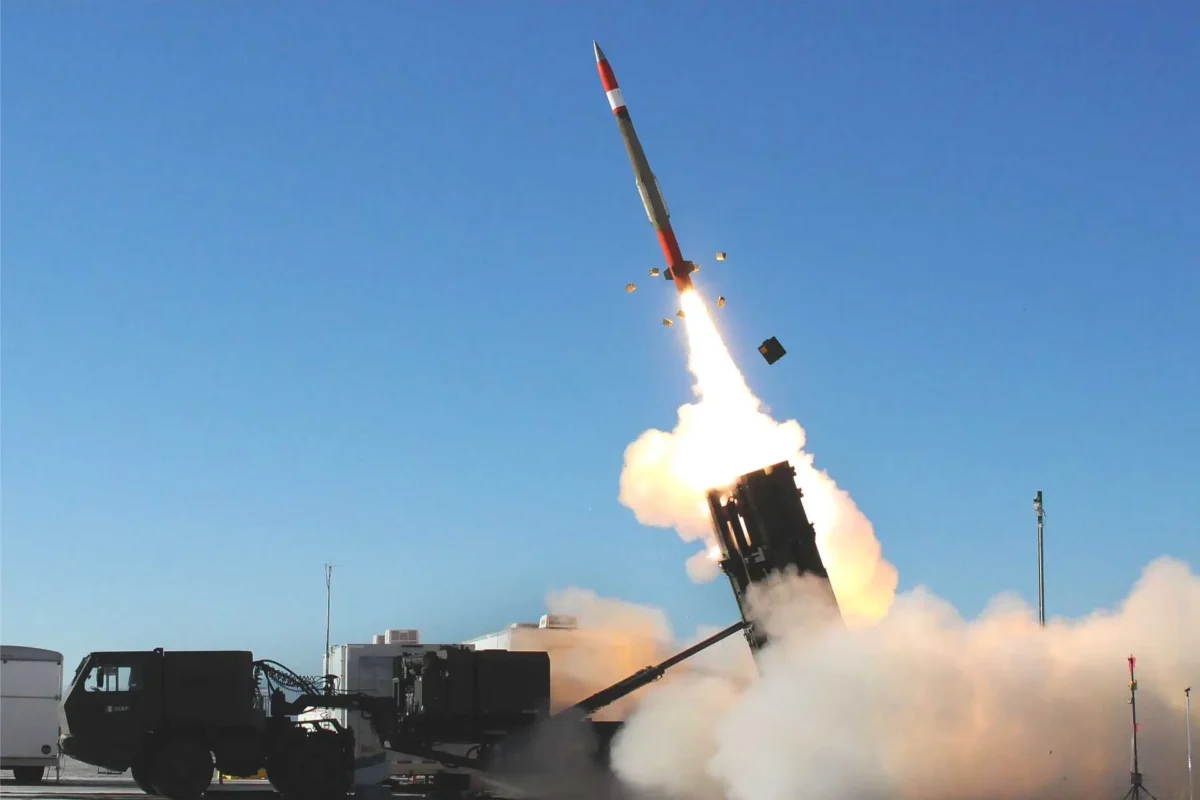
Defense Feeds – Washington. The U.S. Army plans a massive purchase of 2,798 Patriot PAC-3 MSE Missiles in what could become one of the largest missile defense procurements in recent history, highlighting the Pentagon’s growing focus on strengthening air and missile defense capabilities against increasingly sophisticated threats.
The procurement request centers on the Patriot Advanced Capability-3 Missile Segment Enhancement (PAC-3 MSE), one of the most advanced interceptor missiles currently fielded by the United States and several allied nations.
The planned acquisition reflects mounting concerns over the rapid expansion of ballistic missile, cruise missile and drone threats across multiple regions, particularly in the Indo-Pacific, Europe and the Middle East.
Military officials view modern air and missile defense systems as essential to protecting military bases, critical infrastructure and deployed forces against evolving strike capabilities developed by potential adversaries. The scale of the proposed purchase suggests the U.S. Army is preparing for long-term demand as global security challenges continue to intensify.
The move also comes as the Pentagon seeks to replenish and expand missile stockpiles following years of high operational demand and increased support for allied defense initiatives.
The Patriot PAC-3 MSE interceptor represents the latest evolution of the Patriot air and missile defense family. Developed by Lockheed Martin, the missile is designed to defeat a broad range of threats including tactical ballistic missiles, cruise missiles, aircraft and increasingly complex aerial targets.
Unlike earlier interceptor variants, the PAC-3 MSE incorporates a larger motor and enhanced maneuverability, improving both range and engagement performance. These upgrades allow the missile to intercept incoming threats at greater distances while increasing the overall defensive coverage provided by Patriot batteries.
The system has become a critical component of U.S. and allied missile defense architecture. Several NATO members and Indo-Pacific partners have either acquired or expanded Patriot capabilities in response to rising regional security concerns.
Recent conflicts have further highlighted the importance of modern air defense systems. Missile and drone attacks have demonstrated how vulnerable military installations and civilian infrastructure can be without robust layered defenses capable of responding to multiple threats simultaneously.
Defense analysts note that interceptor stockpiles are becoming just as important as launch platforms themselves. Even the most advanced air defense systems can face challenges if missile inventories are insufficient during prolonged high-intensity operations.
The proposed acquisition reflects broader concerns regarding the changing nature of modern warfare.
Countries such as China, Russia, North Korea and Iran continue investing heavily in missile technology, including ballistic missiles, cruise missiles and hypersonic weapons designed to challenge existing defense networks. At the same time, low-cost drones and loitering munitions have emerged as increasingly common battlefield threats.
The war in Ukraine has underscored the value of advanced air defense systems in protecting cities, military facilities and critical infrastructure. Patriot batteries supplied to Kyiv have repeatedly been credited with intercepting sophisticated missile attacks, reinforcing the system’s reputation as one of the world’s most capable defensive platforms.
Military planners are also examining scenarios involving large-scale missile salvos intended to overwhelm defensive systems through sheer volume. Such threats require substantial interceptor inventories to sustain defensive operations over extended periods.
The Indo-Pacific remains a particularly important factor in U.S. planning. China’s extensive missile arsenal, including anti-ship ballistic missiles and long-range strike systems, has prompted the Pentagon to prioritize investments in both offensive and defensive capabilities throughout the region.
As a result, air and missile defense modernization has become a central pillar of American military strategy.
The planned purchase of nearly 2,800 PAC-3 MSE interceptors signals a broader shift toward expanding defensive capacity alongside traditional force modernization programs.
Future conflicts are expected to involve highly contested environments where missile attacks, drone swarms and precision-guided strikes play a much larger role than in previous wars. Defending critical assets against these threats will require not only advanced technology but also sufficient interceptor inventories capable of sustaining long-duration operations.
The Pentagon has increasingly emphasized the concept of layered defense, integrating systems such as Patriot, THAAD and naval missile defense platforms into a unified network designed to counter diverse aerial threats. Large-scale interceptor procurement supports this approach by ensuring forces have the resources needed to maintain operational readiness during crises.
The acquisition could also provide benefits beyond the U.S. military. Increased production may help strengthen supply chains, support allied procurement efforts and improve availability of missile defense systems across partner nations.
As strategic competition continues intensifying across multiple regions, the U.S. Army’s proposed Patriot procurement demonstrates the growing importance of missile defense in modern military planning. The scale of the purchase reflects a clear message from Washington: maintaining credible protection against advanced aerial threats will remain a top defense priority for years to come.