Follow Us:
Follow Us:


Defense Feeds – Krasukha-4 EW System Leak Sheds New Light on Tech In a major intelligence breach, the hacker collective Black Mirror has released a trove of classified documents and images linked to Russia’s state defense conglomerate Rostec, revealing unprecedented details about the Krasukha-4 Electronic Warfare System (EW).
Reportedly sourced from a formal production document for a foreign buyer, possibly Serbia, the leaked files feature rare photos that display the Krasukha-4 Electronic Warfare System’s internal design, build process, and evaluation steps.
These disclosures provide an extraordinary look inside one of Russia’s most closely guarded EW assets, granting Western analysts fresh insight into Moscow’s electronic warfare capabilities and strategic ambitions.
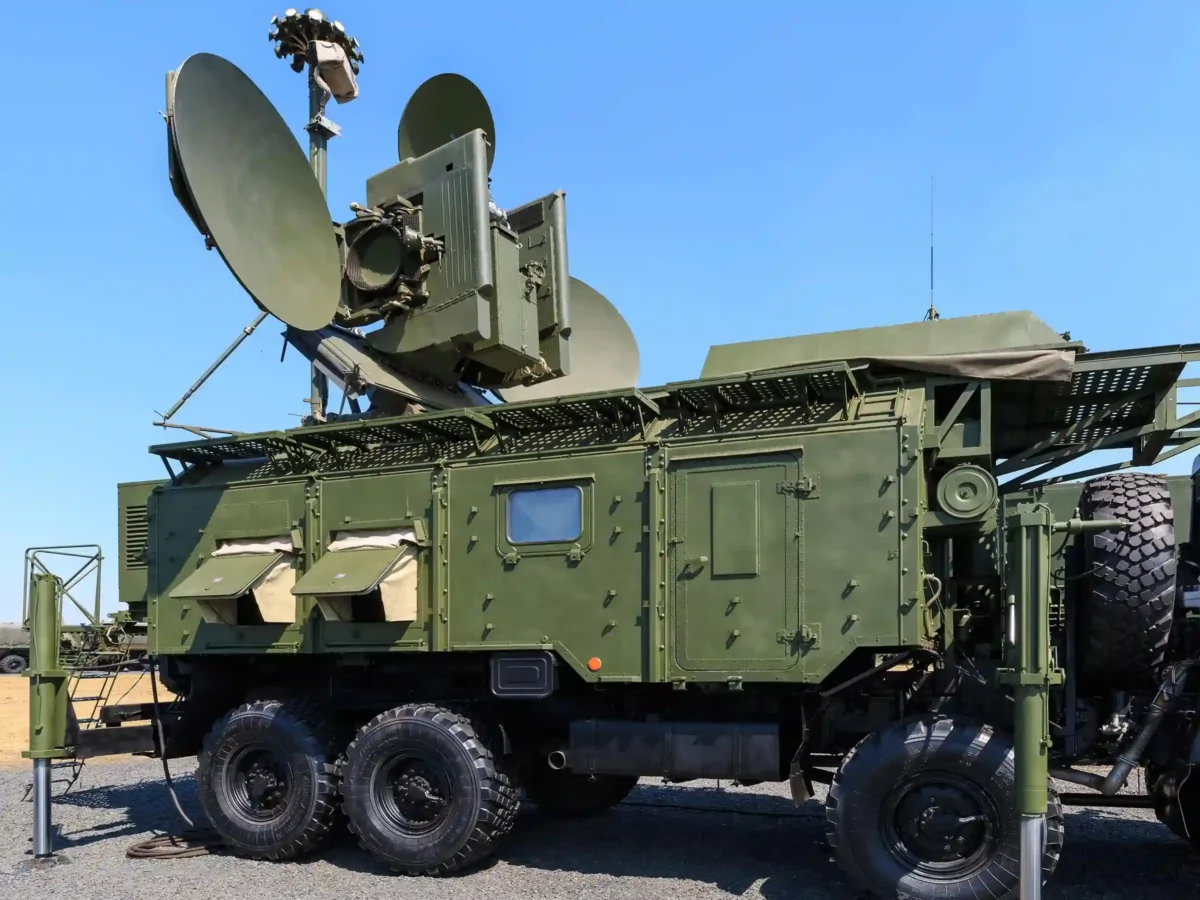
The Krasukha-4 represents one of the most advanced and secretive ground-based EW platforms in Russia’s arsenal.
Developed by Concern Radio-Electronic Technologies (KRET), a subsidiary of Rostec, the system is designed to detect, jam, and disable a wide spectrum of radar and reconnaissance signals.
It primarily targets airborne early warning and control (AEW&C) aircraft, such as the U.S. E-3 AWACS, as well as satellite-based reconnaissance systems and airborne imaging radars.
Mounted on two KAMAZ-6350 8×8 truck chassis, the system comprises two main components: one vehicle housing the jamming emitters, and another serving as a command and control post for operational coordination.
According to official specifications, the effective jamming radius of the Krasukha-4 extends from 150 to 300 kilometers, depending on terrain and environmental conditions.
Russian media have long claimed that the system emits powerful radiofrequency beams capable of not just disrupting signals but also damaging sensitive electronics within targeted radar or reconnaissance devices.
If accurate, these claims suggest the Krasukha-4 functions beyond simple defense, acting as an offensive electronic weapon that can emit damaging energy pulses to disable hostile systems.
In strategic terms, the Krasukha-4 functions as a key component in Russia’s layered air defense network, designed to obscure or neutralize the enemy’s “eyes and ears.”
By jamming or blinding surveillance aircraft and drones, it reduces adversaries’ ability to detect, track, and engage Russian forces, thereby safeguarding critical infrastructure and high-value assets across contested airspace.
Believed to originate in 2023, the leaked materials contain internal files, engineering schematics, and images of the production process from Rostec’s EW facility.
These files reveal detailed aspects of the system’s modular architecture, signal processing hardware, and power distribution framework, providing analysts with a deeper understanding of the design philosophy behind Russia’s modern EW equipment.
For Western intelligence agencies and defense researchers, this leak represents a rare opportunity to assess the actual construction quality, performance limitations, and possible vulnerabilities of the Krasukha-4.
Previously, most available information about the system was speculative or derived from Russian promotional materials that lacked verifiable technical data.
The new images bridge this gap, allowing for a more accurate comparison between Russia’s claims and its real-world engineering achievements.
This incident underscores the growing cyber dimension of modern defense competition, where intelligence gathering increasingly relies on hacking, digital infiltration, and data leaks.
Black Mirror’s operation follows a pattern of targeted disclosures that previously exposed information about drone manufacturing, radar exports, and tank modernization programs.
Collectively, these leaks map out the contours of Russia’s defense modernization drive, offering foreign observers a clearer picture of its evolving technological capabilities and priorities.
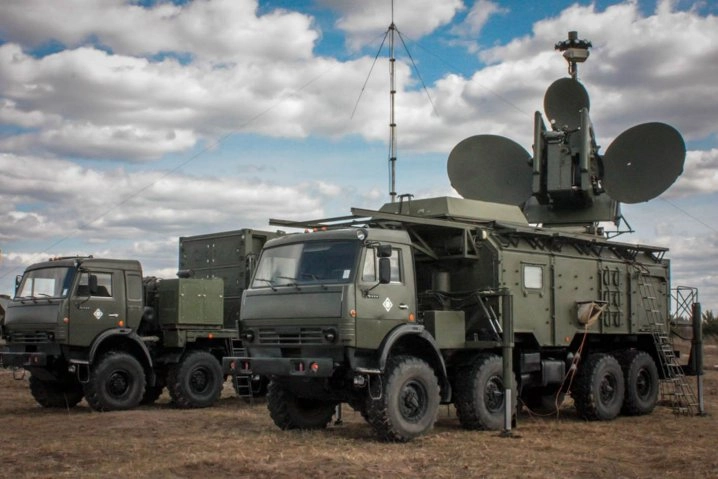
The Krasukha-4 leak highlights how electronic warfare has become a core element of 21st-century military strategy, influencing both tactical battlefield engagements and strategic deterrence.
For Russia, the system represents a key tool in achieving information superiority by preventing enemies from gaining accurate situational awareness.
For Western militaries, however, the exposure of this information offers valuable lessons in understanding and countering Russia’s electronic warfare tactics.
Beyond immediate intelligence gains, the breach reflects the ongoing cyber conflict shaping defense innovation worldwide.
As advanced EW systems become increasingly central to national security, leaks of this nature demonstrate that future battles may be fought not only through electronic signals but also through the silent war of data and intelligence.
Essentially, the Krasukha-4 disclosures highlight the advanced technology and tight secrecy within Russia’s defense sector—underscoring that information has become a fiercely contested asset in modern conflicts.