Follow Us:
Follow Us:


Defense Feeds – Russia Expands Missile Arsenal with advanced tactics aimed at outmaneuvering Ukraine’s US-supplied Patriot systems, deepening challenges for Kyiv’s air defense network.
Ukrainian and Western officials report Moscow is deploying refined versions of its Iskander-M and Kinzhal missiles, now capable of evasive maneuvers designed to bypass interceptors.
This shift highlights Russia’s strategy to undermine Western defenses and reduce Ukraine’s interception success.
In recent months, Russian missile strikes have displayed new flight profiles. Instead of predictable paths, many now fly normal trajectories before sharply diving or maneuvering just before reaching targets.
These last-second changes shorten reaction times, making interception far harder.
Ukraine, which earlier achieved high interception rates, has seen that performance decline since September.
Analysts tie the drop directly to Moscow’s upgrades, which complicate calculations for Patriot operators.
Systems like the Iskander-M short-range ballistic missile and the Kinzhal hypersonic missile were already challenging.
With evasive maneuvers and steep terminal dives, they further mimic hypersonic behavior, reducing radar tracking windows. This evolution represents a major step in Russia’s missile strategy.
Ukrainian officials admit interception percentages have fallen but maintain defenses remain vital for protecting infrastructure, military assets, and civilians.
Their main challenge lies in sustaining interceptor supplies as stockpiles drain quickly and deliveries from Western partners arrive more slowly than battlefield demand.
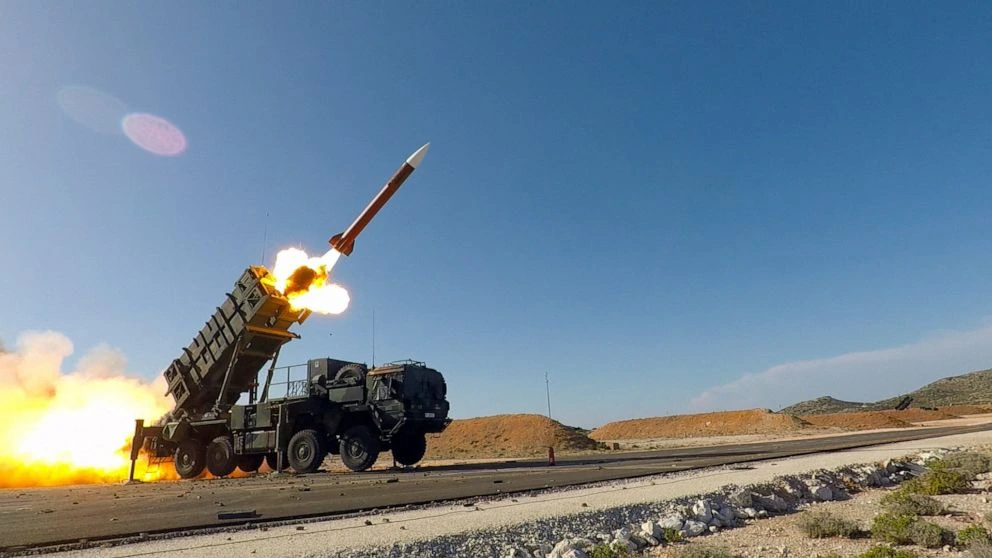
The US-made Patriot system, considered one of the world’s most advanced air defense platforms, remains a cornerstone of Ukraine’s defensive shield.
Designed to engage ballistic and cruise missiles, as well as drones and aircraft, it has performed reliably in multiple conflicts. Yet Russia’s missile upgrades now place the system under extraordinary stress.
Patriot radars rely on precise tracking to guide interceptors, but when missiles execute sudden dives or side maneuvers, radar locks can be disrupted.
This forces operators to predict paths with limited accuracy, creating a dangerous margin for error.
Defense experts argue Russia has deliberately engineered these tactics to exploit known limitations.
Western allies acknowledge the system faces strain. Engineers are working on radar and software improvements designed to enhance tracking of erratic missile paths.
At the same time, resupply efforts are intensifying. The European manufacturer MBDA has announced a new Patriot production facility in Germany, planned to begin operations in 2026.
This plant will expand interceptor stock and strengthen Europe’s ability to supply Ukraine.
For now, Kyiv must manage with existing batteries and finite ammunition, all while Russian missile strikes increase in complexity and frequency.
Russia’s evolving missile capability has wider implications than battlefield tactics alone. With winter approaching, Moscow is expected to escalate strikes on Ukraine’s power grid and critical infrastructure, aiming to disrupt energy supplies and increase pressure on civilians.
Reduced interception effectiveness creates higher risks of outages and undermines morale. Analysts suggest Russia is also waging psychological warfare.
Demonstrating that advanced maneuvering missiles can evade Patriot systems bolsters Moscow’s narrative of technological superiority while pressing Ukraine to exhaust interceptors at an unsustainable pace.
Ukraine continues to request accelerated support from Western nations, warning that delays could widen operational vulnerabilities.
Faster interceptor resupply and speedier upgrades for Patriot radars will be crucial to maintain an effective defense posture.
For Russia, the modernization of missile arsenals appears designed to exhaust Ukraine’s layered air defenses and shape the battlefield ahead of winter offensives.
For Ukraine, survival depends on sustaining a balance of Western support, domestic resilience, and air defense adaptation.
As both sides refine their strategies, the duel between Russia’s expanding missile arsenal and Ukraine’s Patriot systems has emerged as a defining contest.
The outcome will not just influence missile defense effectiveness but may also steer the wider trajectory of the war in the coming months.