Follow Us:
Follow Us:

Defense Feeds – Germany Unveils GMARS Launcher as the next evolution of the American M142 HIMARS, introducing double the launch capacity, enhanced mobility, and a planned cruise missile integration by 2027.
The system marks a significant step in artillery development and could become one of the most important battlefield assets for European forces in the years ahead.
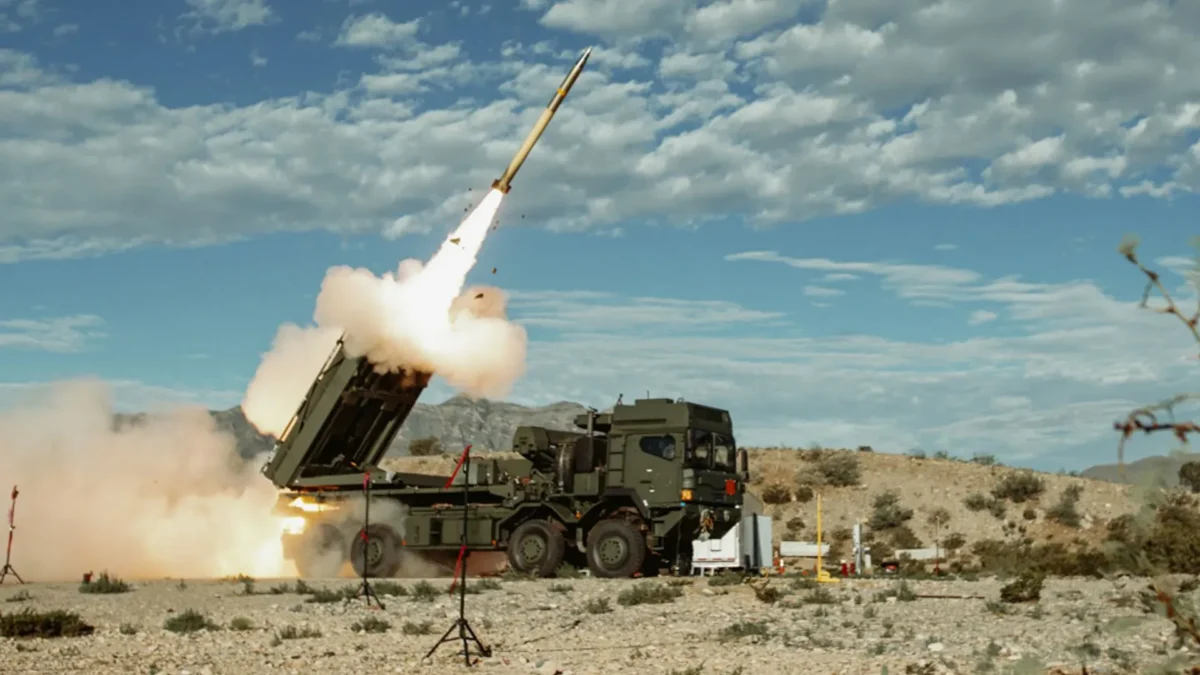
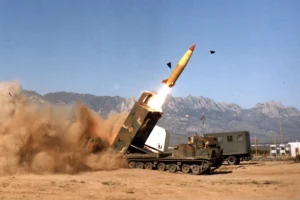
The American-made M142 HIMARS has become one of the most effective artillery systems in modern combat.
Mounted on a 6×6 chassis, it carries one pod of six guided rockets or a single ATACMS tactical missile, offering flexibility and long-range precision.
Its operational value has been highlighted in recent conflicts, where rapid deployment and pinpoint strikes have shaped outcomes.
The German GMARS advances this formula. Instead of a single module, GMARS carries two rocket pods, giving it the ability to launch 12 guided rockets in one salvo or fire two ATACMS missiles.
This straightforward yet impactful design upgrade means each GMARS unit provides double the firepower of HIMARS without requiring additional vehicles.
Such an increase in payload brings tactical advantages. A single GMARS launcher can saturate larger enemy areas, neutralize multiple high-value targets, or deliver a heavier strike in shorter time frames.
In high-intensity battles, this could prove decisive, as commanders can achieve maximum fire concentration with fewer assets. It also streamlines logistics since fewer vehicles are needed to generate the same level of firepower.
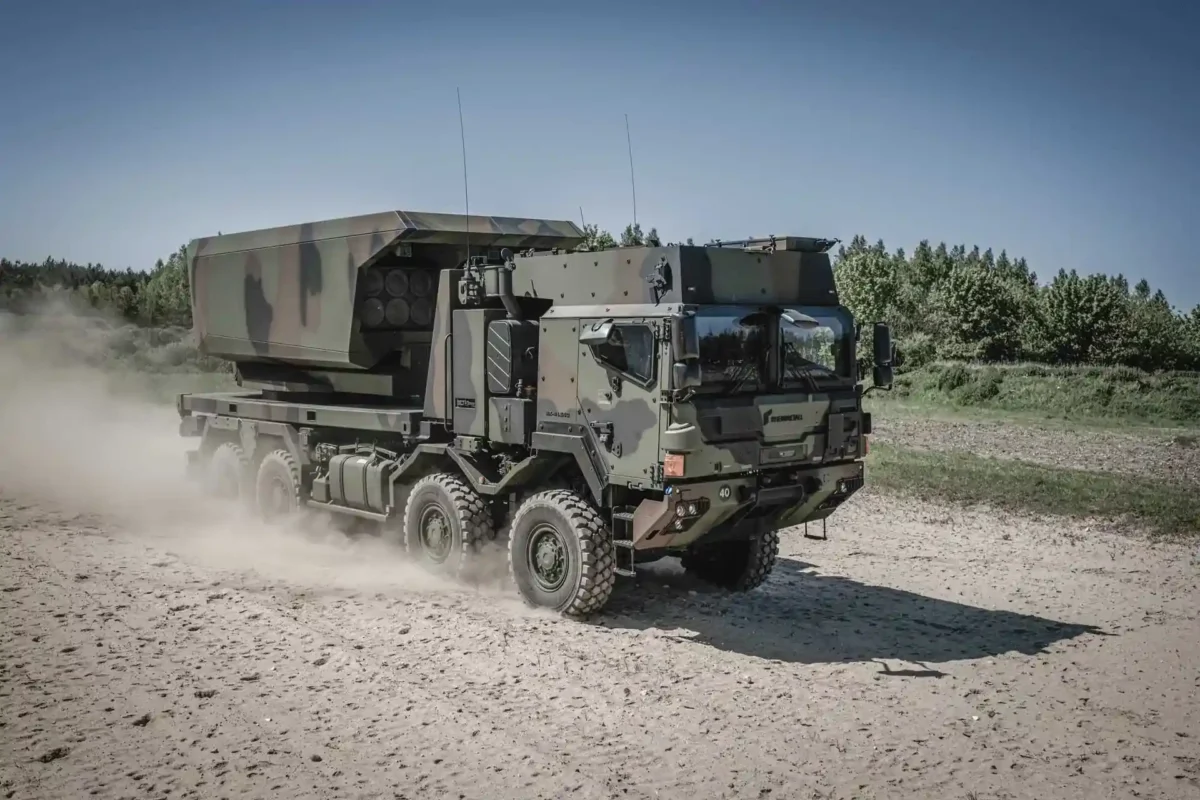
Another design difference lies in the vehicle platform. Where HIMARS uses a 6×6 wheeled truck, GMARS is mounted on a heavier 8×8 armored chassis.
This upgrade is not only to support the dual-pod weapon system but also to boost mobility and survivability in varied terrain.
The 8×8 platform gives GMARS superior off-road performance, allowing it to traverse muddy fields, rugged tracks, and other demanding environments common in Europe.
This makes it better suited for relocation after a launch, a critical tactic for rocket artillery units that need to “shoot and scoot” before being located by enemy counter-battery fire.
Additionally, the larger chassis allows for greater crew protection and the possibility of carrying additional support equipment.
For modern armies operating under constant surveillance and under threat from drones, mobility combined with resilience is essential.
Unlike traditional tracked artillery pieces, GMARS combines heavy firepower with speed and maneuverability, striking an important balance between offensive reach and battlefield endurance.
These upgrades highlight an ongoing shift in European military thinking. Defense planners are increasingly focused on systems that can maintain survivability under modern precision targeting conditions while still delivering heavy strikes. GMARS fits this need precisely.
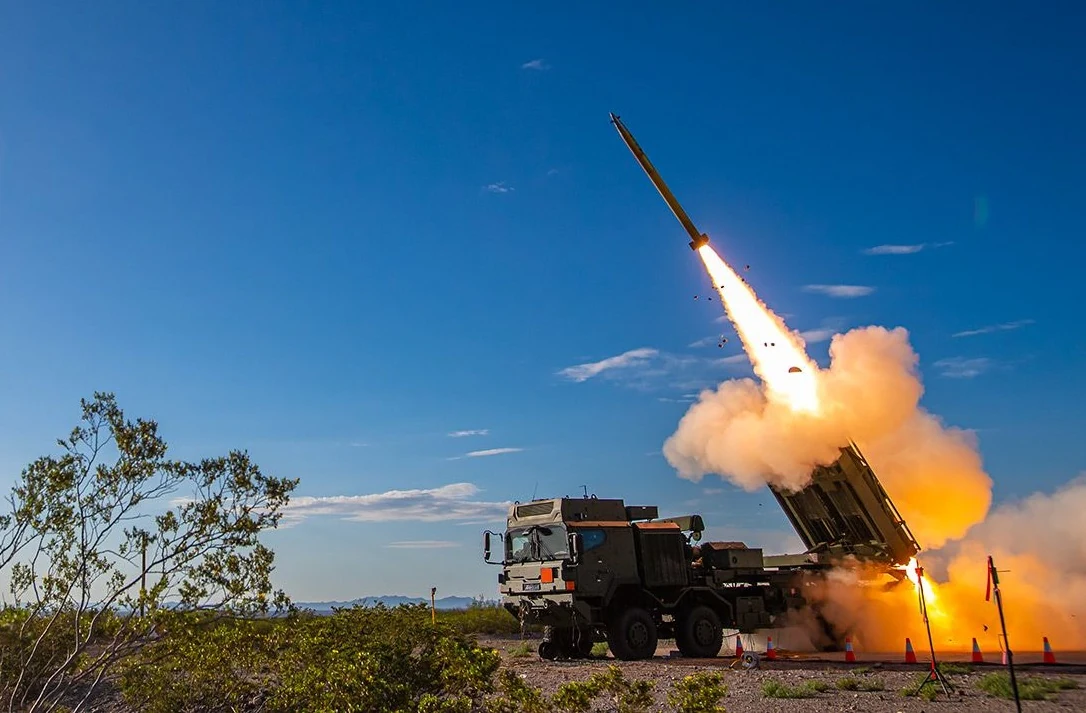
One of the most forward-looking aspects of GMARS is its planned ability to launch long-range cruise missiles.
While this capability is still under development, reports indicate it could be ready as early as 2027.
If successful, it would place GMARS in a league of its own, able to perform missions well beyond the reach of existing rocket artillery.
The addition of cruise missile capability would extend GMARS’ role from battlefield-level support to strategic deep-strike operations, allowing it to target command centers, infrastructure, and logistic hubs hundreds of kilometers inside enemy defenses.
This type of strike capacity normally comes from aircraft, naval platforms, or dedicated strategic missile systems.
Having it in a mobile ground launcher would give Germany and NATO a level of flexibility and autonomy unmatched by current artillery systems.
If realized, GMARS would not only be able to fire guided rockets and tactical ballistic missiles but also potentially become a multi-role system capable of handling three distinct classes of munitions.
For NATO, this could offer improved deterrence and operational freedom, especially in scenarios where access to air assets is contested.