Follow Us:
Follow Us:

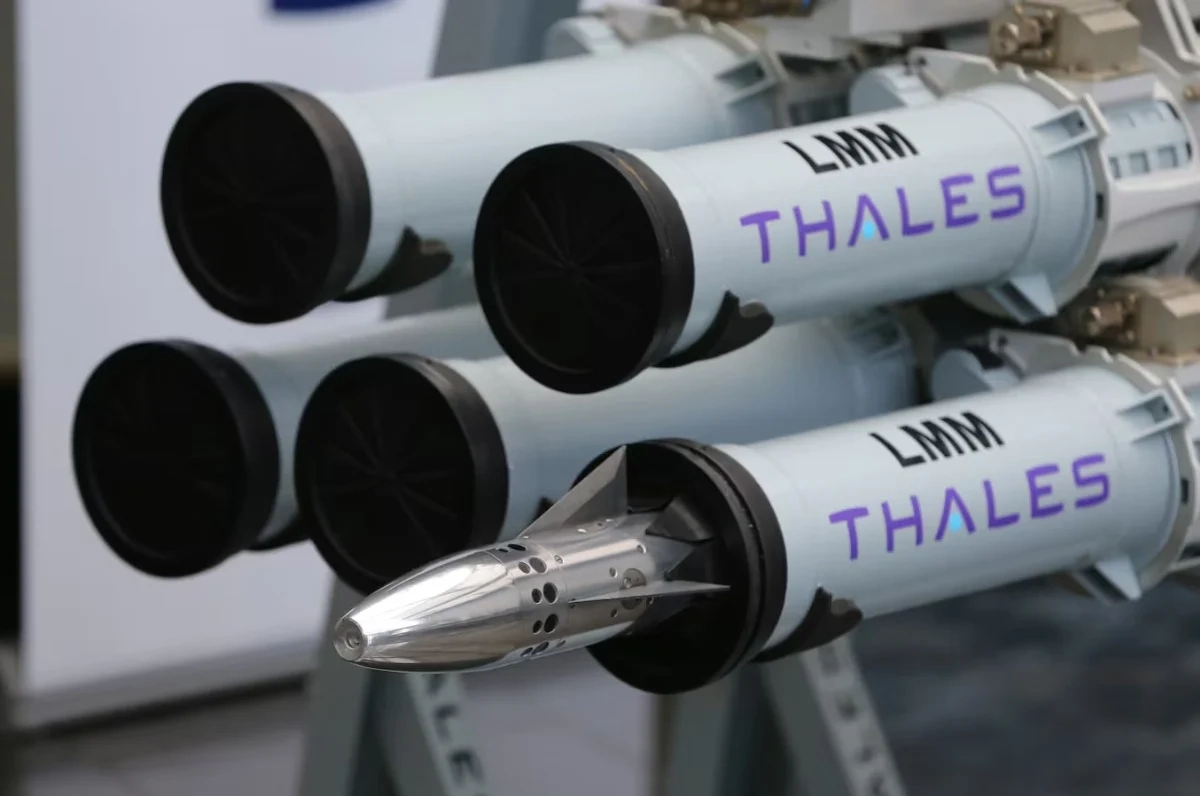
Defense Feeds – London. The UK Expands LMM Missile Orders Following Combat Success decision underscores Britain’s growing effort to reinforce its air defense inventory as military planners respond to rising global security challenges and lessons learned from recent conflicts.
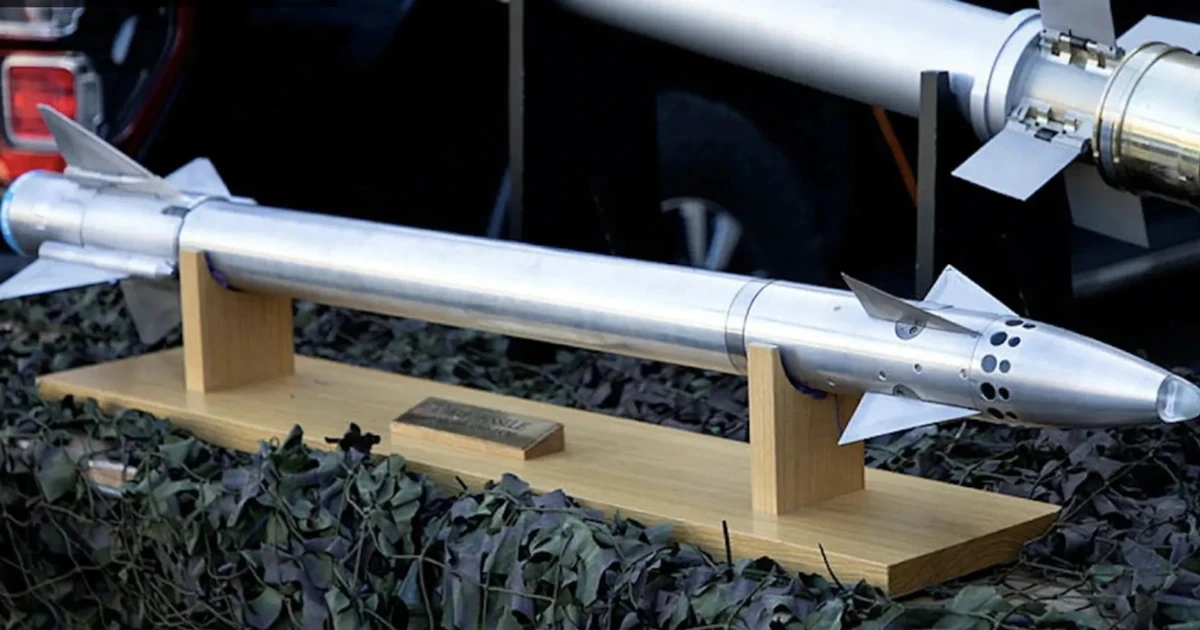
The UK Ministry of Defence has ordered hundreds of additional Lightweight Multirole Missiles (LMMs), a precision-guided weapon that has gained increasing attention for its effectiveness against drones, helicopters and other low-flying aerial threats. The latest procurement reflects confidence in the missile’s battlefield performance and highlights the growing importance of affordable air defense solutions in modern warfare.
As armed forces worldwide confront a surge in drone usage across conflict zones, demand for flexible and cost-effective missile systems has increased significantly. The British government views the LMM as an important component of its layered defense strategy, capable of addressing a broad range of emerging threats while supporting both domestic and expeditionary military operations.
The additional order is also expected to strengthen Britain’s defense industrial base while ensuring continued availability of critical munitions for future operational requirements.
The Lightweight Multirole Missile, developed by Thales UK, was originally designed to provide a versatile precision-strike capability against fast-moving and low-altitude targets. Over time, the system has evolved into one of the United Kingdom’s most valuable short-range air defense assets.
The missile can be launched from various platforms including ground-based air defense systems, naval vessels and helicopters, providing operational flexibility across multiple combat environments. Its compact size and precision-guided design allow operators to engage threats without relying on larger and significantly more expensive interceptor missiles.
Military analysts note that the rise of unmanned aerial systems has transformed air defense planning. Traditional surface-to-air missiles often cost far more than the drones they are tasked with intercepting, creating a growing demand for lower-cost defensive solutions.
The LMM addresses that challenge by offering a relatively affordable means of defeating drones, loitering munitions and other aerial threats while maintaining a high degree of accuracy.
Recent operational use has further strengthened confidence in the missile’s effectiveness. Combat deployments have demonstrated the value of lightweight precision-guided weapons capable of responding rapidly to evolving battlefield conditions.
The expansion of LMM production comes at a time when militaries across Europe are reassessing munitions stockpiles and procurement strategies.
The war in Ukraine has highlighted the critical importance of maintaining sufficient missile inventories during prolonged military operations. Air defense systems have been used extensively to counter drones, cruise missiles and other aerial threats, placing significant pressure on existing stockpiles.
British defense officials have increasingly emphasized the need to ensure sustainable supplies of key weapons systems while preparing for future operational demands. The latest order reflects that broader objective.
The growing use of drones on modern battlefields has become one of the defining military developments of the past decade. From reconnaissance platforms to explosive-laden attack drones, unmanned systems now play a central role in many conflicts.
As a result, countries throughout NATO are investing heavily in counter-drone technologies and air defense systems designed to protect troops, infrastructure and critical national assets.
The UK’s decision to increase LMM procurement aligns with wider alliance efforts aimed at improving readiness and strengthening defensive capabilities across Europe.
Defense observers also note that increasing domestic missile production supports long-term industrial resilience. Expanding manufacturing capacity can help ensure rapid replenishment during future crises while reducing dependence on external suppliers.
The latest missile order reflects a broader shift in military thinking regarding air defense and force protection.
Future conflicts are expected to feature larger numbers of drones, precision-guided weapons and low-cost aerial threats capable of challenging traditional defense systems. Militaries therefore require layered solutions capable of engaging targets across different ranges and threat categories.
The LMM fills an important niche within that architecture. Its versatility allows it to support air defense missions while remaining effective against a variety of targets, making it a valuable tool for both homeland defense and deployed operations.
The UK has been steadily increasing defense spending and accelerating modernization programs in response to changing security conditions across Europe and beyond. Investments in missile production and air defense capabilities form a key part of those efforts.
For British military planners, maintaining adequate stockpiles is now viewed as just as important as acquiring advanced platforms. Modern warfare can consume munitions at a pace far greater than many pre-war assumptions, making sustained production capacity a strategic necessity.
As global demand for air defense systems continues to rise, Britain’s decision to order additional LMM missiles highlights the growing recognition that affordable, battle-proven weapons will play a critical role in protecting forces against the rapidly evolving threats of the modern battlefield.