Follow Us:
Follow Us:

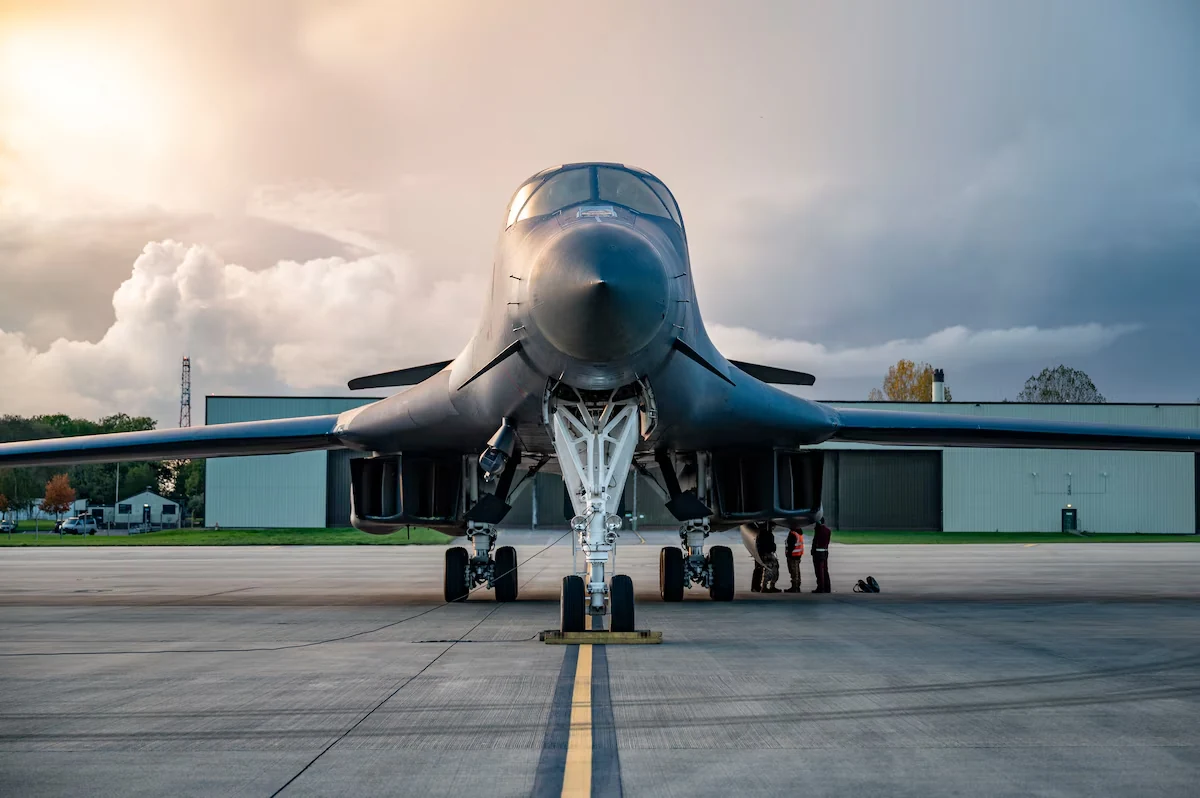
Defense Feeds, Washington – The B-1B Lancer combat readiness effort remains a critical priority for the U.S. Air Force as it works to maintain strategic bomber capacity before the next-generation B-21 Raider enters operational service.
Despite decades of service, the B-1B continues to play a key role in America’s long-range strike architecture, prompting ongoing investments aimed at preserving its effectiveness during a period of major force modernization.
The decision reflects the Air Force’s need to balance future procurement programs with current operational requirements. While the B-21 is expected to become the backbone of the future bomber fleet, maintaining sufficient combat-ready aircraft today remains essential for deterrence and global power projection.
The focus on B-1B Lancer combat readiness comes as the Air Force continues managing a complex transition between legacy platforms and next-generation systems. Originally introduced during the Cold War, the B-1B has evolved into a versatile conventional strike platform capable of delivering large payloads across vast distances.
Over the years, the aircraft has participated in numerous combat operations, demonstrating its ability to provide sustained strike capability against a wide range of targets. Its combination of speed, payload capacity and operational flexibility has allowed it to remain relevant despite the emergence of newer technologies.
To ensure the bomber remains mission-capable, the Air Force has implemented maintenance initiatives, structural upgrades and modernization efforts designed to address aging airframes while improving reliability. These investments help sustain force availability as production and fielding of the B-21 Raider continue.
Military planners view maintaining bomber inventory levels as particularly important given the growing demands placed on long-range strike forces in multiple regions around the world.
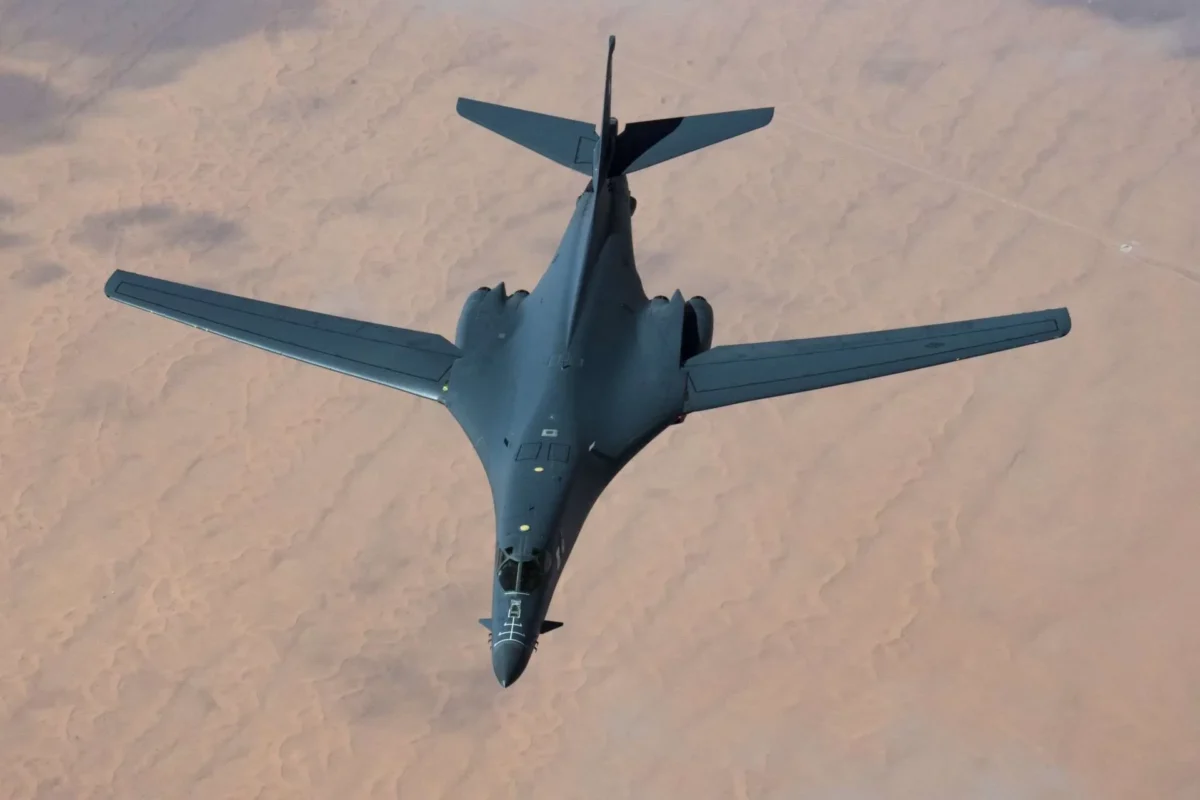
A major reason for preserving the aircraft is its ability to carry one of the largest conventional weapons payloads in the U.S. military inventory. The B-1B can support a wide range of missions, including precision strike operations, maritime targeting and strategic deterrence activities.
Its long range enables operations across vast geographic areas without requiring extensive forward basing infrastructure. This capability remains particularly valuable in regions such as the Indo-Pacific, where distance presents a major operational challenge.
The aircraft has also benefited from continuous modernization programs that improve communications, mission systems and weapons integration. These upgrades help ensure the platform remains compatible with evolving operational requirements and emerging battlefield technologies.
Maintaining readiness across the bomber fleet provides commanders with flexibility to respond to crises, support allies and conduct visible deterrence missions when necessary. The B-1B remains an important contributor to that capability despite its age.
As the Air Force prepares for the future, preserving operational availability among existing bombers helps prevent potential capability gaps during the transition period.
The emphasis on B-1B Lancer combat readiness highlights the challenges associated with replacing major strategic platforms. Introducing a new bomber fleet is a lengthy process involving testing, production, training and infrastructure development. Until sufficient numbers of B-21 aircraft enter service, legacy bombers must continue carrying a significant share of operational responsibilities.
The Air Force’s bomber force currently serves as a central pillar of U.S. strategic deterrence. Alongside the B-52 and B-2, the B-1B contributes to maintaining credible long-range strike capabilities capable of operating across multiple theaters.
Global security developments have further reinforced the importance of preserving bomber readiness. Increasing competition among major powers has elevated demand for forces capable of projecting power rapidly and operating at long distances.
The transition to the B-21 is expected to provide substantial improvements in survivability, networking and operational effectiveness. However, those future capabilities do not eliminate the need for combat-ready aircraft today.
By sustaining the B-1B fleet, the Air Force is ensuring that it can maintain strategic bomber strength throughout the modernization process. The approach reflects a broader defense principle: successful transformation depends not only on acquiring next-generation systems but also on preserving the capabilities needed to meet current operational commitments until those new platforms are fully available.