Follow Us:
Follow Us:


Defense Feeds – Hungarian Gripen Jets intercept Russian fighters near Latvian airspace on September 25, as two Hungarian JAS-39 Gripen jets scrambled from Šiauliai Air Base in Lithuania.
These NATO Baltic Air Policing mission aircraft engaged a formation including a Su-30, Su-35, and three MiG-31 interceptors.
NATO Air Command confirmed the swift action underscores the Alliance’s firm commitment to defending its eastern flank and swiftly responding to Russian maneuvers in the Baltic region.
This interception highlights rising tensions between Russia and NATO, with European states increasingly vocal over repeated Russian aerial provocations close to or inside Alliance territory.
The Baltic Air Policing mission, established in 2004, serves as NATO’s frontline air security framework for Estonia, Latvia, and Lithuania—three states that lack air defense fighter fleets of their own.
The mission rotates responsibility between Allied nations, with Hungary currently contributing Gripen fighters to the Baltic patrols.
Hungarian pilots were tasked to respond when Russian military aircraft flew in international airspace close to Latvia without filing flight plans or maintaining open radio contact, common practices in Russian military aviation that create serious risks for civil and military aircraft operating in the region.
Such activities often force NATO to activate its Quick Reaction Alert (QRA) fighters.
The intercepted formation is particularly notable due to the combination of aircraft involved: the Su-30 and Su-35 are advanced multirole fighters known for their maneuverability, while the MiG-31 remains one of the fastest interceptors in service, capable of carrying long-range air-to-air missiles.
NATO believes deployments of MiG-31 aircraft are used deliberately during such missions to test the responses of NATO QRA assets.
In parallel to the latest interception, Western diplomats issued what is described as one of the firmest warnings yet to Moscow.
According to reports, officials from Britain, France and Germany directly informed Russian representatives that NATO will not hesitate to shoot down military aircraft if they continue to cross Allied airspace.
This diplomatic intervention followed the most recent incident in Estonian skies, when three Russian MiG-31 fighters were tracked violating Estonia’s sovereign airspace earlier in the week.
NATO radar data reportedly confirmed the breach, which European governments suspect was not accidental but a deliberate maneuver approved by Russian commanders.
While Moscow strongly denied the accusation, dismissing it as “baseless,” the statement did little to ease regional defense concerns.
The Kremlin insisted its pilots adhere to international norms and blamed separate drone-related incidents over Poland on navigational errors.
Still, officials across NATO capitals interpret these actions as calibrated attempts by Russia to probe Alliance readiness and political resolve.
Sweden has also taken a noticeably tougher stance. Swedish Defense Minister Pål Jonson declared that Stockholm will authorize its air force to engage Russian warplanes that violate its sovereign territory.
This policy shift, articulated in recent days, further aligns Sweden with NATO’s warning posture, as the country inches closer to full membership in the Alliance.
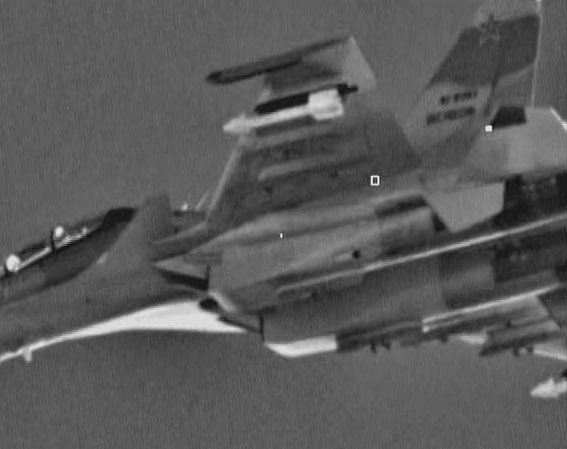
The steady increase in Russian aerial activity along NATO borders forms part of a wider pattern of intimidation Moscow employs across the Baltic and Black Sea regions.
By flying close to NATO territories without transponders or flight clearances, Russian crews create dangerous moments that force neighboring states to demonstrate immediate defensive responses.
NATO officials argue this tactic is meant to test response times, assess deployments, and deliver psychological pressure.
For countries on the Alliance’s eastern flank, the threat feels immediate. Estonia, Latvia, and Lithuania are exposed geographically and remain central to NATO’s forward defense strategy.
Incidents involving advanced fighter aircraft like the Su-35 and MiG-31 are therefore closely analyzed by NATO planners for potential shifts in Russian military tactics.
NATO insists that its response posture remains proportional and defensive, aimed at preventing escalation while ensuring no Russian incursion goes unanswered.
However, the increasing frequency of interceptions—combined with repeated airspace violations—has compelled European decision-makers to consider stronger deterrence messaging, including public threats of downing violators in future cases.
Hungary’s role in the latest encounter fits the wider dynamic of Alliance solidarity. Hungarian Gripen pilots, operating far outside their home skies, demonstrated readiness to intercept Russian jets promptly, showing NATO’s ability to maintain unified presence across Europe’s most sensitive air corridors.
The Kremlin, meanwhile, maintains an outward position of dismissal, portraying NATO concerns as political fabrication while continuing military flights that trigger defensive responses.
For defense analysts, this signals Moscow’s desire to normalize such dangerous encounters as a tool of hybrid pressure—and suggests that further confrontations in Baltic skies are likely as winter approaches.