Follow Us:
Follow Us:

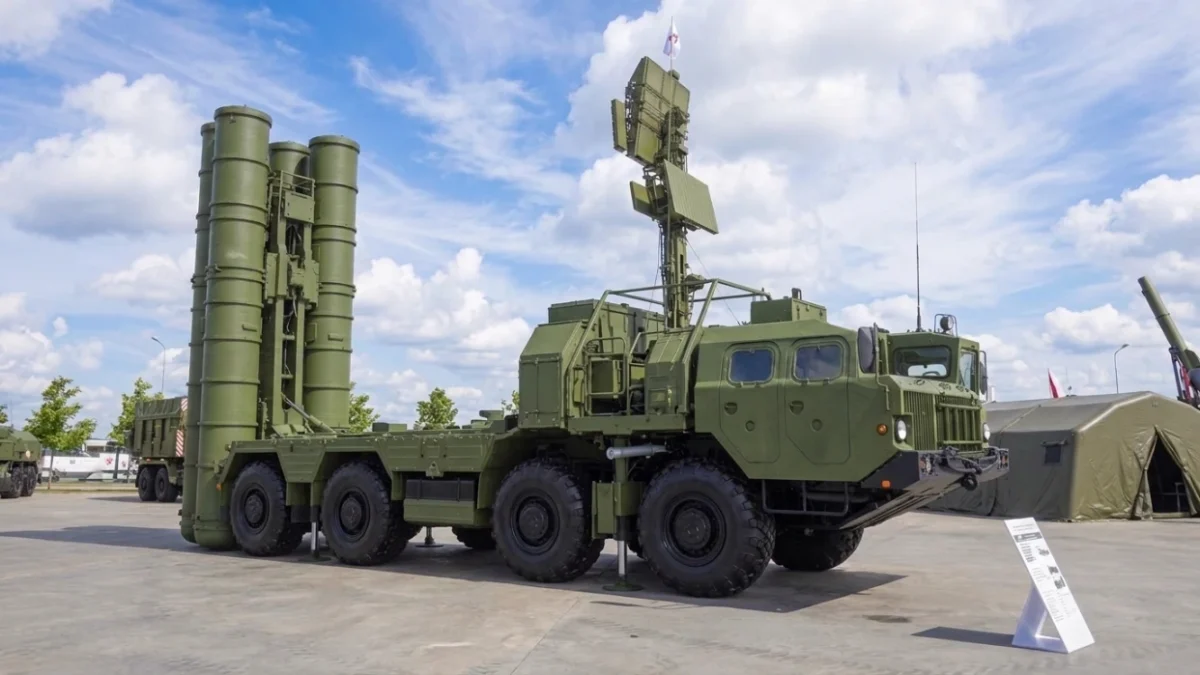
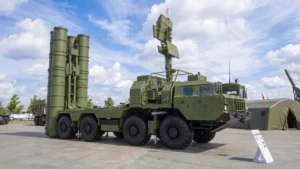
Defense Feeds, Ankara – A potential Türkiye S-400 sale is emerging as one of the most closely watched defense developments involving Ankara and Washington in years.
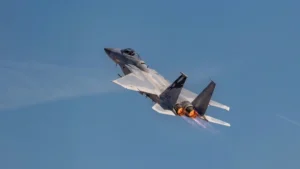
According to recent reports, Turkish officials are considering the possibility of transferring the Russian-made S-400 air defense system to a Gulf nation, a move that could remove one of the biggest obstacles preventing Türkiye from rebuilding defense ties with the United States and reopening discussions surrounding the F-35 Lightning II program.
No formal agreement has been announced, and both the reported transfer and any future changes to Türkiye’s status in the F-35 program remain subject to political decisions. Even so, the discussion itself highlights how rapidly regional security dynamics and alliance priorities continue to evolve.
The proposed Türkiye S-400 sale comes after years of tension between Ankara and Washington following Türkiye’s decision to purchase the Russian-made S-400 Triumf air defense system. The acquisition prompted the United States to remove Türkiye from the multinational F-35 fighter program, citing concerns that operating the advanced fighter alongside the Russian air defense system could compromise sensitive technology.
Since then, the issue has remained one of the most difficult challenges in bilateral defense relations.
Reports suggesting that Ankara may consider transferring the S-400 to another country indicate that Turkish policymakers are exploring new options to reduce that friction without abandoning broader national defense objectives. If such a transfer were to proceed, it could create political space for renewed negotiations on military cooperation between the two NATO allies.
At the same time, any decision would likely require careful diplomatic coordination involving the purchasing country, the United States and other stakeholders because of the strategic and political sensitivities surrounding Russian-made military equipment.
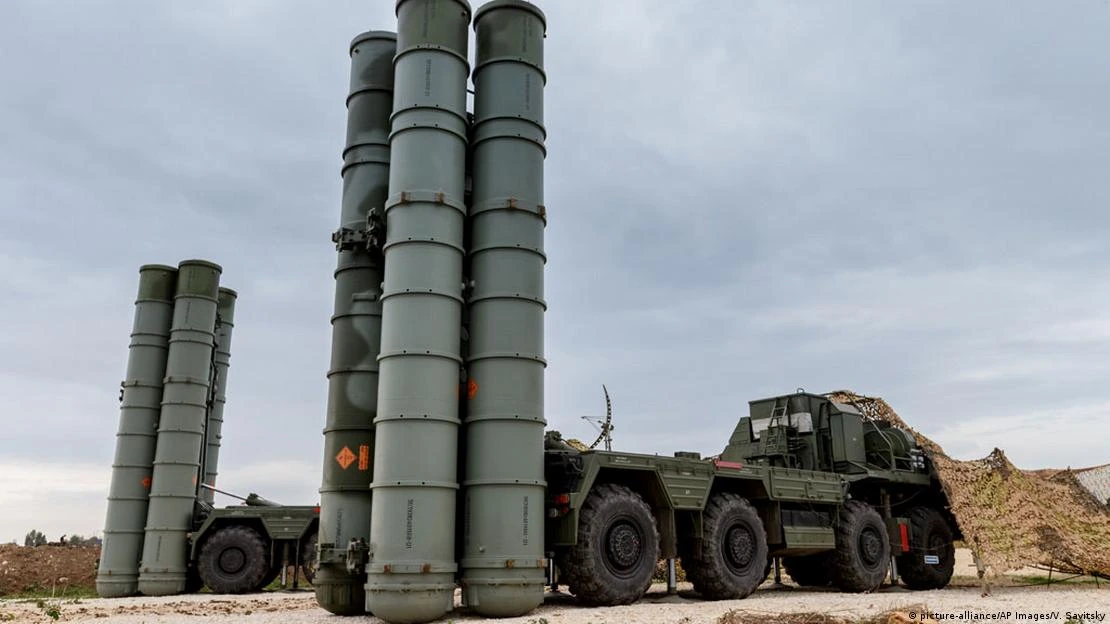
Although the Türkiye S-400 sale focuses on a single air defense system, the implications reach much further than one procurement decision.
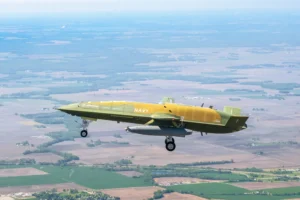
For Türkiye, access to advanced Western defense technologies remains an important element of long-term military modernization. The country’s air force continues to pursue a combination of indigenous programs, including the KAAN fighter, alongside modernization of its existing F-16 fleet.
From Washington’s perspective, restoring closer defense cooperation with Türkiye could strengthen NATO’s southeastern flank at a time when alliance members are placing greater emphasis on collective deterrence and regional stability.
Military analysts also point out that removing the S-400 from Turkish territory would address one of the principal concerns that has complicated cooperation between the two countries for several years. Whether that alone would be sufficient to restore participation in the F-35 program, however, remains uncertain, as any decision would involve both political approval and broader strategic considerations.
Meanwhile, a Gulf customer acquiring the system would represent another notable development in the regional air defense landscape, although the operational and diplomatic implications would depend on the identity of the buyer and the terms of any eventual agreement.
The discussion surrounding the Türkiye S-400 sale reflects a wider shift in defense policy as governments increasingly weigh geopolitical priorities alongside traditional procurement decisions. Advanced weapons systems are no longer viewed solely through the lens of military capability; they also carry significant diplomatic and industrial consequences.
For Ankara, improving defense relations with Western allies could provide greater flexibility as it balances commitments within NATO while continuing to expand its domestic defense industry. At the same time, Türkiye has invested heavily in developing indigenous aerospace and missile technologies that reduce dependence on foreign suppliers over the long term.
For NATO, any improvement in U.S.-Türkiye defense cooperation would likely be welcomed, particularly as the alliance continues adapting to a more demanding European and Middle Eastern security environment. A closer relationship could enhance interoperability, strengthen regional planning and support future joint capability development.
Still, the reported proposal remains just that—a proposal. Any transfer would require complex negotiations and multiple political approvals before becoming reality.
Even without a finalized agreement, the Türkiye S-400 sale discussion signals that both Ankara and Washington may be searching for practical ways to move beyond one of the alliance’s most persistent defense disputes. Whether that ultimately leads to renewed cooperation on the F-35 or broader defense initiatives will depend on decisions that extend well beyond the future of a single missile system.