Follow Us:
Follow Us:

In an era where advanced air defense systems shape the balance of power, Iran’s Bavar-373 missile system has emerged as a symbol of technological ambition and self-reliance. Touted as a domestic counterpart to Russia’s S-300 and S-400 systems, the Bavar-373 represents Iran’s most significant step yet in creating an indigenous, long-range surface-to-air missile platform capable of defending its airspace against modern threats—including stealth aircraft and ballistic missiles.
First unveiled in 2016 and officially entering service in 2019, the Bavar-373 system showcases homegrown radar technology, powerful Sayyad-4 missiles, and multi-target tracking capabilities. These features allow it to simultaneously detect, track, and engage multiple threats at considerable distances, reflecting Iran’s drive to counter potential aerial incursions from regional adversaries and global powers alike.
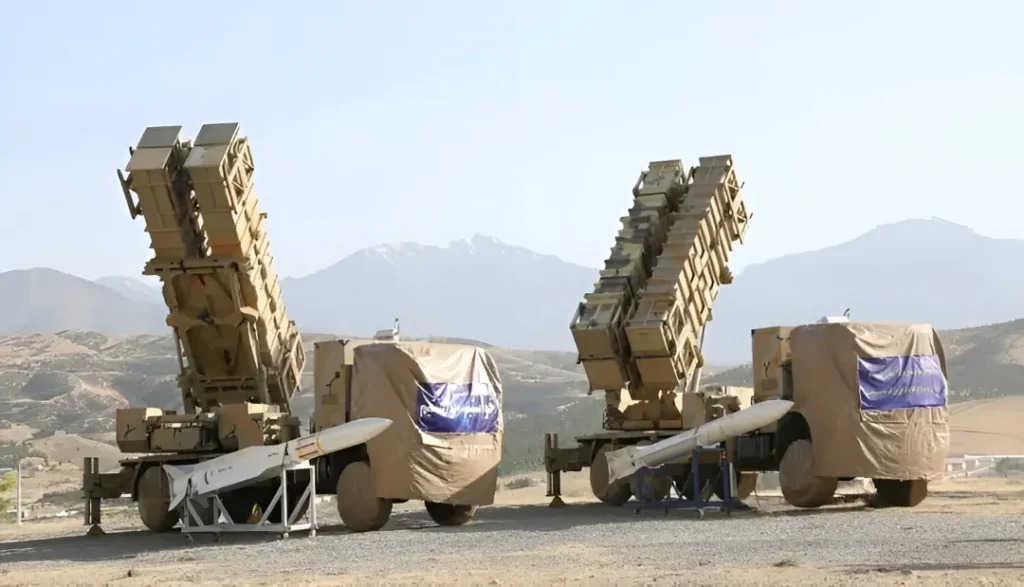
As interest grows around the Bavar-373 air defense system. In this post, we’ll explore the Bavar-373’s development, technical prowess, and its role in reshaping Iran’s defense posture in the Middle East.
The story of the Bavar-373 missile system begins with necessity rather than ambition. In 2007, Iran finalized a deal to purchase Russia’s S-300 air defense system, a move that would have dramatically upgraded its aerial defense capabilities. However, due to escalating international sanctions and diplomatic pressure, the S-300 deal was suspended in 2010, leaving Iran without a modern long-range surface-to-air missile platform at a critical moment in its military development.
Faced with this setback, Iranian defense authorities announced a bold solution: to design and build their own high-performance missile defense system entirely domestically. Thus, the Bavar-373 project—named after the Persian word for “belief”—was launched.
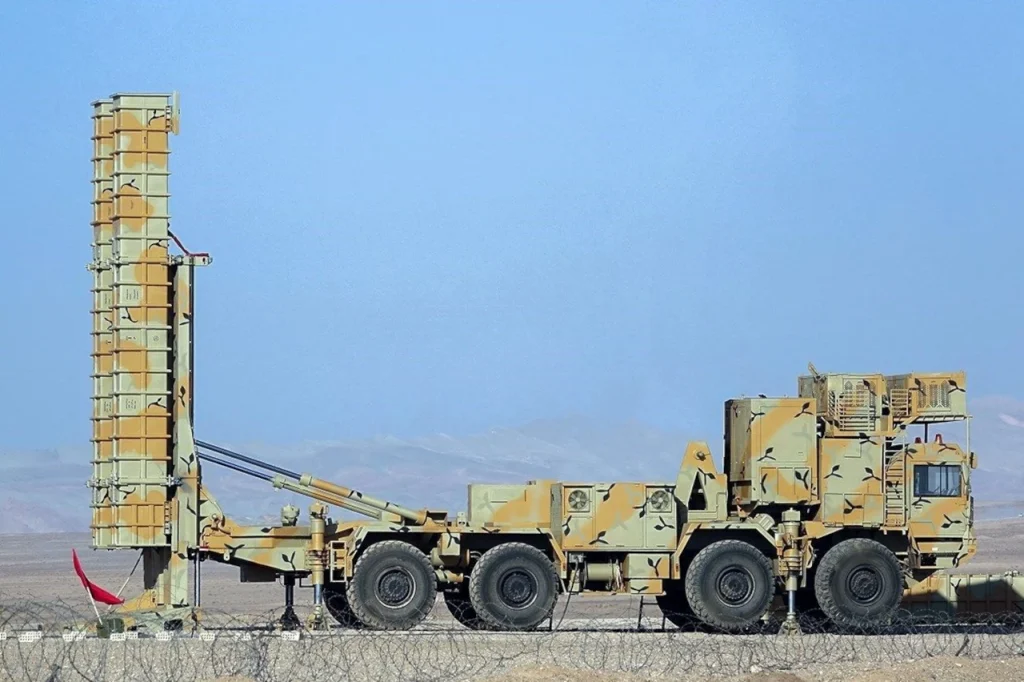
Initial prototypes were constructed by late 2011, and after several years of rigorous testing and refinement, Iran unveiled the completed system to the public on August 21, 2016. Following further trials and operational evaluations, the system was formally inducted into service with the Islamic Republic of Iran Air Defense Force (IRIADF) on August 22, 2019.
Since its deployment, the Bavar-373 system has seen continuous upgrades. In 2022, Iranian military officials revealed plans to develop an enhanced variant, sometimes referred to as Bavar-373-II, promising even greater range and radar capabilities.
By 2025, reports indicated the inclusion of new radar-equipped TELAR units—transporters that can operate more independently from centralized command posts. This evolutionary approach suggests that Iran intends to keep the system competitive with global counterparts such as the Russian S-400 and the American Patriot PAC-3, while also preparing the AD-200 export variant for potential foreign sales.
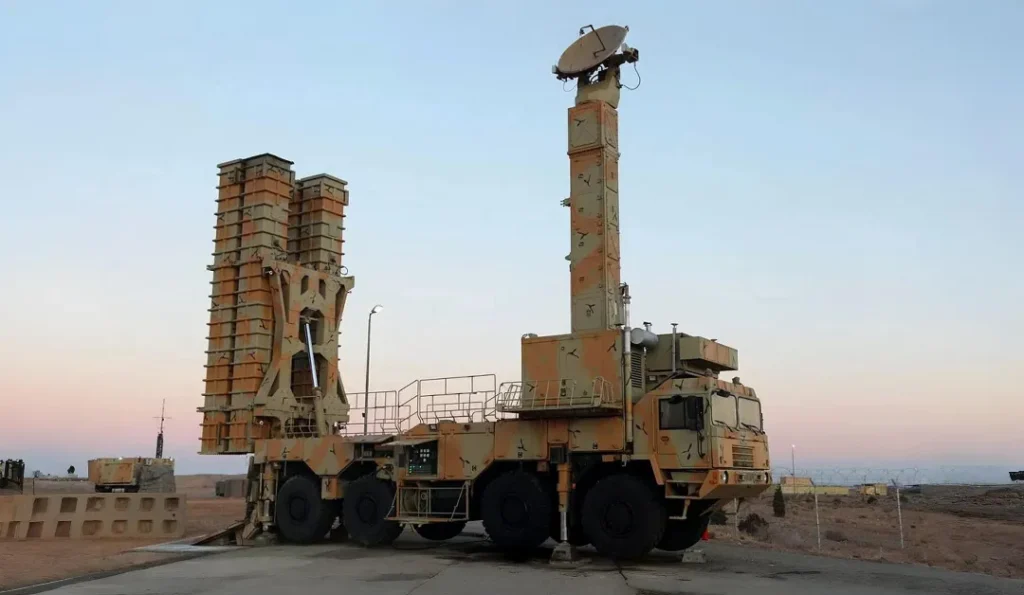
The Bavar-373 air defense system integrates several cutting-edge technologies designed to create a layered, multi-threat engagement capability. It combines advanced radar systems, potent long-range missiles, and highly mobile launch platforms to provide robust coverage of Iranian airspace.
At the heart of the Bavar-373’s detection capabilities is the Meraj-4 S-band Active Electronically Scanned Array (AESA) radar. This radar can detect targets at ranges up to 450 kilometers and track up to 200 aerial objects simultaneously.
The system is also equipped with additional L-band and X-band radars to boost resilience against electronic countermeasures (ECCM) and to improve detection of low-observable (stealth) aircraft—a critical requirement in the face of potential threats like the F-35 fighter jet.
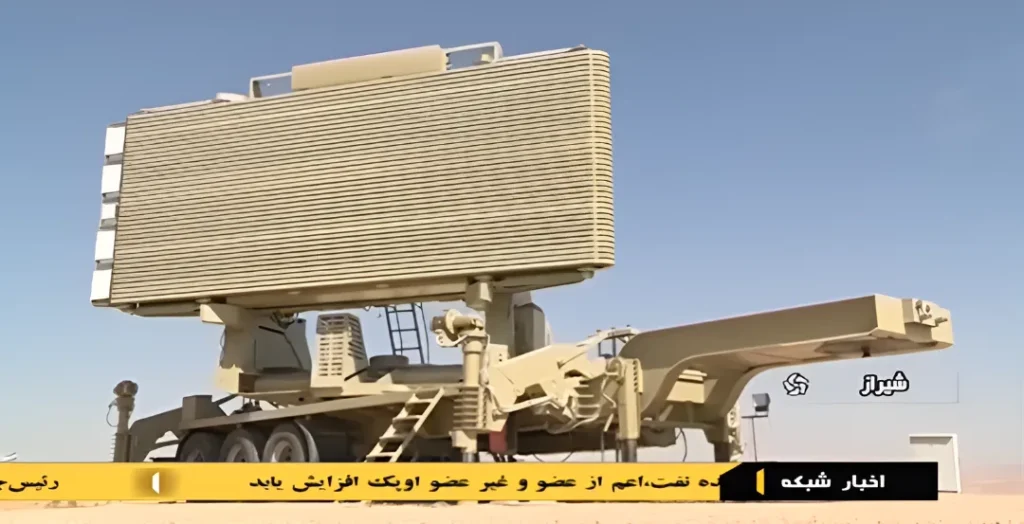
The radar’s design allows it to operate in a fully autonomous mode, providing 360-degree coverage while feeding data to command and control units. Notably, Iran claims the Bavar-373 can detect and track stealth targets at long range, potentially challenging Western low-observable platforms in the region.
The Bavar-373 utilizes the Sayyad-4 missile family, specifically the Sayyad-4B variant, as its primary interceptor. These missiles are vertically launched and can engage targets at distances of up to 300 kilometers and altitudes of 27 to 30 kilometers, placing them in a performance class similar to Russia’s S-300 and approaching that of the S-400 system.
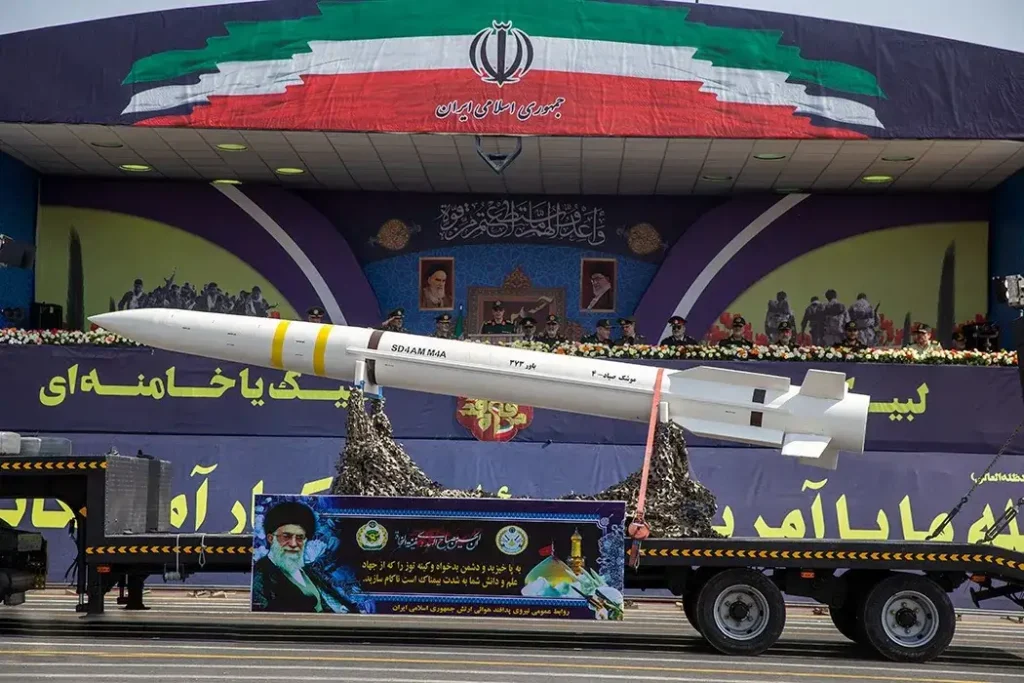
The Sayyad-4 missile is reportedly capable of reaching speeds of Mach 5 to Mach 6, allowing it to intercept both high-speed aircraft and some types of ballistic or cruise missiles. Each missile employs an active radar seeker in its terminal phase, enhancing accuracy and resistance to jamming.
One of the key advantages of the Bavar-373 system is its mobility. The missiles are carried and launched from 10×10 Zoljanah transporter-erector-launcher (TEL) vehicles, with each battery containing up to six launchers. These launchers are supported by 8×8 Zafar command and control vehicles, as well as additional radar and power supply trucks.
This road-mobile design ensures rapid redeployment and concealment, making the system harder to target in a conflict scenario. The flexibility of the TEL platforms allows Iran to position the Bavar-373 across various strategic locations, including its coastal regions, urban defense zones, and key military installations.
The Bavar-373 system boasts impressive engagement capabilities, with the ability to:
This multi-target proficiency places it among the top-tier air defense systems currently in operation globally.
The true strength of the Bavar-373 system lies in its combination of detection range, engagement versatility, and adaptability to modern threats. Designed to counter both traditional and emerging aerial dangers, the system reportedly detects up to 300 targets simultaneously, can track 60 of them, and engage up to six threats at once. This level of performance places it in the same operational category as well-known systems like Russia’s S-400 and the U.S. Patriot PAC-3, both of which are considered benchmarks in the global air defense arena.
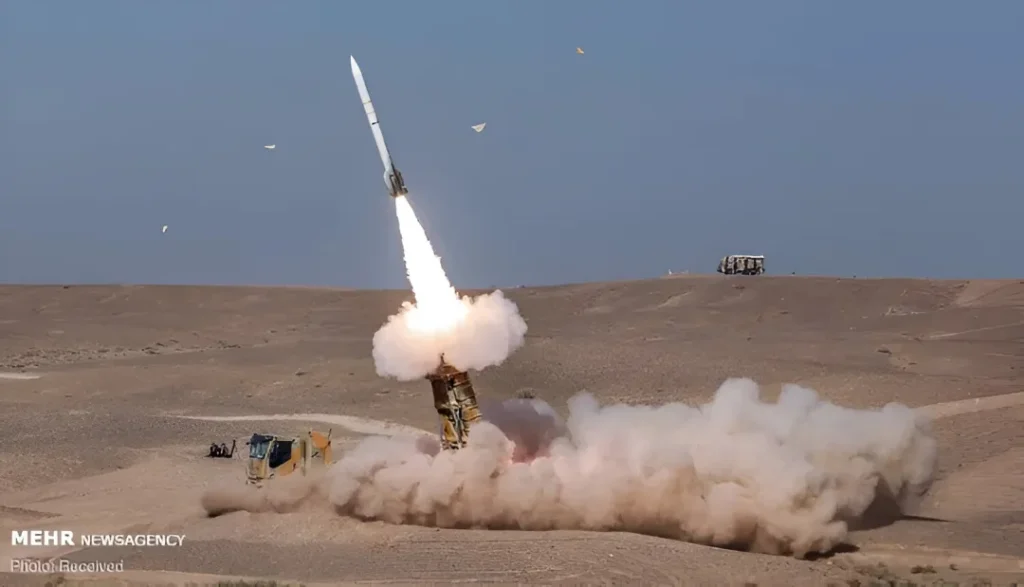
One of the most notable—and controversial—features attributed to the Bavar-373 is its claimed ability to detect stealth aircraft. Using a blend of S-band AESA and L-band radar technologies, the system may theoretically track low-observable platforms such as the F-35 Lightning II or F-22 Raptor. While no real-world combat tests have confirmed this capability, Iranian officials highlight this as a critical advantage over rival systems, asserting that it gives the Bavar-373 the edge needed to protect Iranian airspace against technologically superior adversaries.
When compared side-by-side with global counterparts, the Bavar-373 missile system holds its own on paper. The system’s maximum range of 300 kilometers and engagement altitude of up to 30 kilometers are competitive with Russia’s S-300PMU2 and early models of the S-400. The U.S. Patriot PAC-3, in contrast, has a shorter effective range but is optimized for ballistic missile defense.
What sets the Bavar-373 apart is its modular design and recent 2025 upgrades, which include radar-equipped launch vehicles that can operate independently, significantly increasing its survivability and battlefield flexibility. These advancements suggest that while Bavar-373 may not yet match the S-400 in sophistication, it offers Iran a credible, self-sustaining, and modern air defense platform tailored to its regional defense strategy.
The introduction of the Bavar-373 missile system marks a pivotal shift in Iran’s air defense doctrine, emphasizing self-reliance and layered territorial protection against regional and global adversaries. Strategically, the system is designed to form the backbone of Iran’s Anti-Access/Area Denial (A2/AD) strategy—particularly in sensitive zones like the Persian Gulf, the Strait of Hormuz, and along Iran’s western borders, where the risk of aerial incursion is highest.
Iran has reportedly deployed multiple Bavar-373 batteries in areas critical to its national security infrastructure, including around major cities like Tehran, near nuclear facilities, and along the southern coastline to deter hostile aircraft and missile attacks from U.S. or Gulf Cooperation Council (GCC) forces. This deployment pattern underscores Iran’s intent to establish a protective shield over its most valuable military and civilian assets, denying adversaries the freedom to operate in Iranian airspace.
Beyond national defense, the Bavar-373 also serves a broader political purpose. Its development and deployment have been heavily publicized by Iranian media and leadership as a symbol of technological independence in the face of Western sanctions and military pressure.
By showcasing a domestically produced alternative to systems like the Russian S-300 or American Patriot PAC-3, Iran seeks to project regional power and potentially influence military balances across the Middle East. With the unveiling of the export-oriented AD-200 variant, Tehran has further hinted at ambitions to become a supplier of strategic defense technology to allied nations, reinforcing its geopolitical reach.
The exact cost of the Bavar-373 missile system remains undisclosed by Iranian authorities, a common practice among nations developing sensitive military technologies. However, defense analysts estimate that the system’s production cost is significantly lower than that of comparable Western or Russian systems like the S-300 or Patriot PAC-3, primarily due to its domestic manufacturing base and Iran’s emphasis on self-sufficiency under economic sanctions. Some sources suggest that a single Bavar-373 battery could cost between $200 million to $300 million, depending on configuration, though this remains speculative.
This relative affordability gives Iran a potential advantage as it moves to market the AD-200 export variant to interested countries, particularly those under Western sanctions or seeking alternatives to American or Russian missile systems.
Nations in Africa, parts of Asia, and potentially Latin America may find the Bavar-373 an attractive option if priced competitively and backed by flexible political terms. Its advertised ability to detect stealth aircraft and intercept a variety of aerial threats adds to its appeal for militaries seeking to enhance their airspace sovereignty without relying on Western suppliers.
While no confirmed export deals have been announced as of 2025, Iranian officials have openly promoted the AD-200 version at international arms expos, signaling a clear intention to enter the competitive global SAM market. However, widespread adoption may depend on the system’s real-world combat performance—a factor that remains untested in actual conflict scenarios, which could either boost or limit its future sales prospects.
The Bavar-373 missile system stands as a testament to Iran’s determination to achieve self-reliance in critical defense technologies. Born out of necessity following stalled foreign arms deals and years of sanctions, the system represents not only a technical accomplishment but also a symbol of national resilience and strategic ambition. With capabilities that reportedly rival established platforms like Russia’s S-300 and even approach the sophistication of the S-400, the Bavar-373 has carved out a unique position in the realm of modern surface-to-air missile systems.
Looking ahead, the system’s true impact may extend beyond Iran’s borders if the country successfully markets the AD-200 export version to international customers. Whether this ambition materializes will depend on geopolitical dynamics, regional conflicts, and the Bavar-373’s ability to demonstrate its effectiveness in real operations. For now, the system remains a cornerstone of Iran’s evolving air defense doctrine and a subject of close observation by military analysts worldwide.