Follow Us:
Follow Us:

When you hear the phrase “Brimstone missile”, it doesn’t sound like a piece of military hardware—it sounds like something plucked from a medieval sermon, all fire and fury. And yet, that name fits perfectly. This British-developed weapon has become one of the most precise and feared strike options in modern arsenals, a tool designed not just to destroy, but to do so with uncanny accuracy and remarkably little collateral damage.
Unlike the Hollywood image of missiles leveling entire blocks, Brimstone was built with a different philosophy: hit the right target, at the right time, even if it’s moving fast, and spare the things around it. That concept—surgical destruction—is what makes it stand out in the crowded field of modern guided munitions.
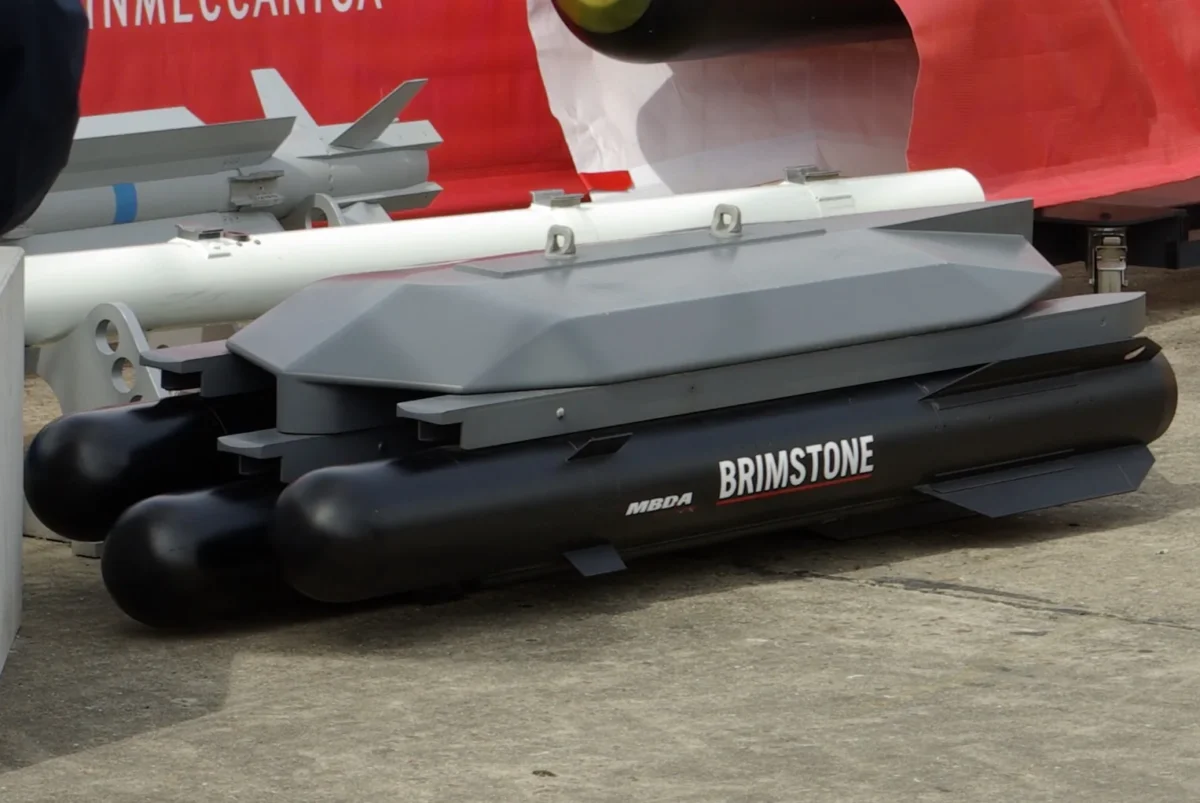
But here’s where it gets really interesting: Brimstone didn’t just spring into being as a one-size-fits-all missile. It has evolved through multiple versions, each answering a specific battlefield problem. From the dusty roads of Afghanistan to the shifting battlefields of the Middle East, Brimstone has quietly built a reputation as the missile pilots trust when “good enough” simply won’t cut it.
In this post, we’ll peel back the layers of the Brimstone family. You’ll see how it works, what makes it unique, how it’s been used in real wars, and why countries are still lining up to buy it. And by the end, you may understand why this missile has been described as “a sniper rifle strapped to a jet.”
At its core, the Brimstone missile is a precision-guided, air-to-surface weapon built by MBDA UK. That sounds straightforward enough, but the philosophy behind its design makes it different from most of its peers.
Developed in the 1990s, it was intended to solve a very specific problem: NATO aircraft needed a way to take out armored vehicles quickly and reliably, even if those vehicles were scattered, moving, or hidden among civilian infrastructure. In other words, the missile had to be lethal to the target, but forgiving to everything around it.
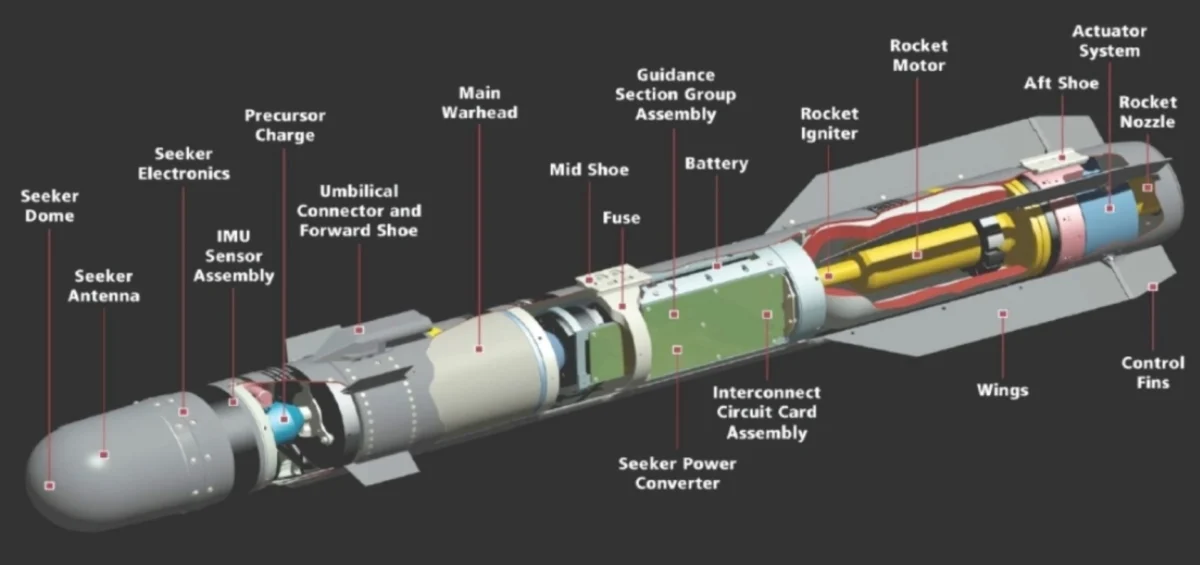
Brimstone accomplishes this through its unique combination of seekers and smart targeting systems. Where older missiles often relied on one type of guidance—say, a laser pointer from the ground or radar from the aircraft—Brimstone uses dual-mode guidance.
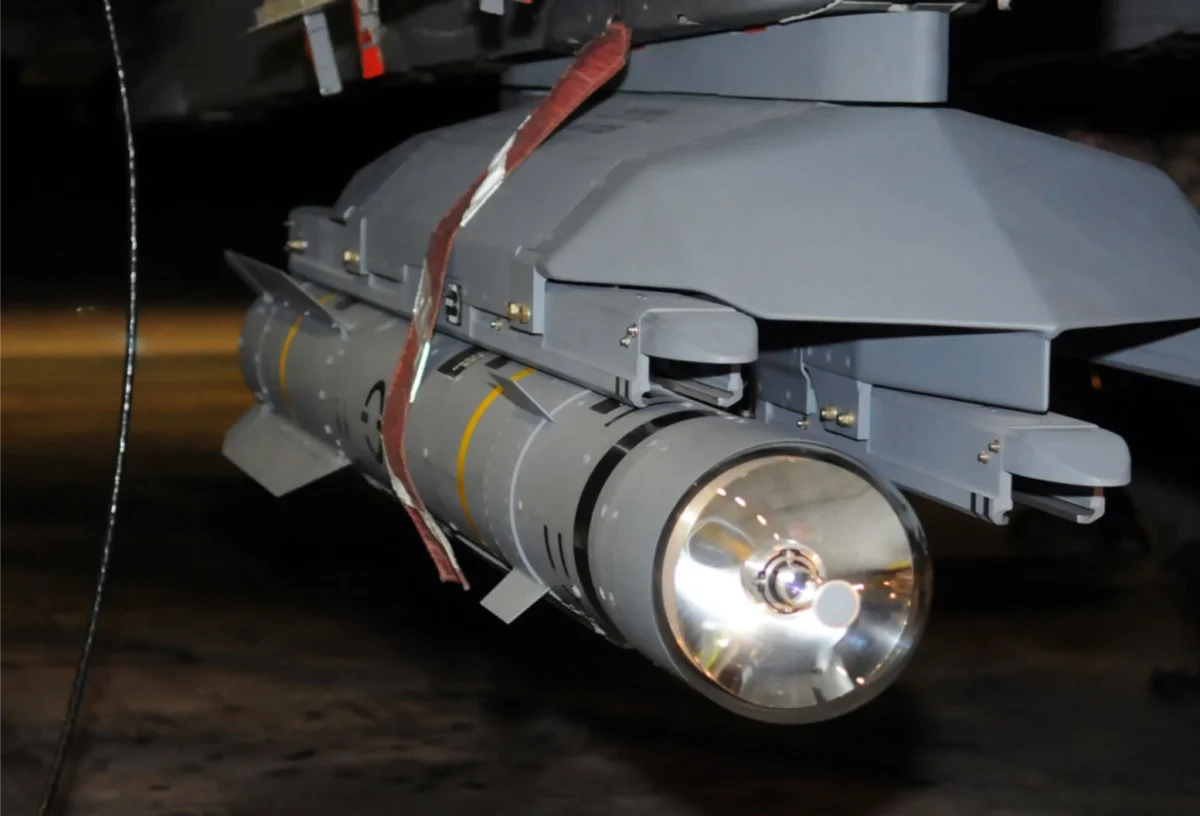
It combines a millimetric-wave radar seeker (which hunts targets on its own) with a semi-active laser option (allowing troops or aircraft to “paint” a target). This hybrid approach means it can operate autonomously, or with human-in-the-loop control, depending on the situation.
Imagine a convoy of trucks weaving through a crowded village. A traditional missile might struggle to distinguish between the intended target and the bus full of civilians parked nearby. Brimstone, however, can be programmed to recognize the signature of armored vehicles and ignore everything else. It’s like giving a missile a pair of selective glasses—it sees only what it’s meant to hit.
When people talk about the Brimstone missile, they often imagine a single weapon. In reality, it’s more like a family tree, branching out into specialized versions that reflect decades of lessons learned on the battlefield.
Each upgrade wasn’t just cosmetic—it was born out of necessity, responding to new threats and changing styles of warfare.
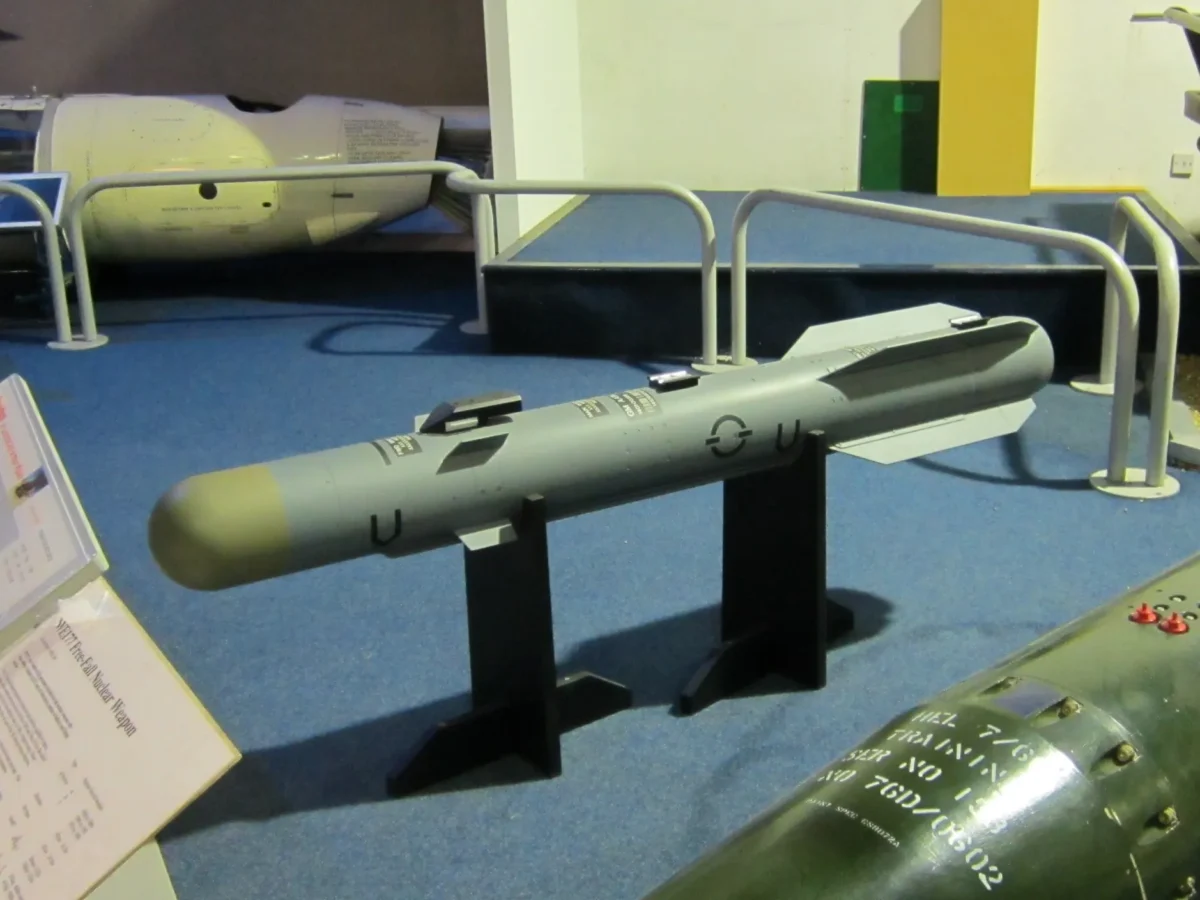
The first-generation Brimstone entered service with the Royal Air Force in the early 2000s. It was designed primarily as an anti-armor missile, a successor to older systems that struggled against modern tanks.
Compact, light, and extremely precise, it quickly became the go-to tool for knocking out armored convoys. Its big selling point was the “fire and forget” capability—once launched, it didn’t need further input from the pilot. This allowed jets like the Tornado GR4 to unleash Brimstone at high speed without circling back into danger zones.
Combat in Afghanistan and Libya exposed new challenges. Enemy forces weren’t always in tanks; sometimes they were in pickup trucks or technicals darting through city streets.
To adapt, engineers added a semi-active laser (SAL) seeker to the original millimetric-wave radar, creating the Dual-Mode Brimstone. Suddenly, troops on the ground or another aircraft could “paint” a target with a laser, giving Brimstone the flexibility to strike unconventional or fleeting targets with pin-point precision.
The next big leap came with Brimstone 2, unveiled in the 2010s. This version extended the missile’s range, boosted its electronics, and improved resistance to countermeasures. It was smarter, tougher, and had a longer shelf life—exactly what modern militaries wanted.
Then came Brimstone 3, announced in the late 2010s. This upgrade pushed even further, with better seeker technology, longer range (reportedly exceeding 40 km from fast jets), and compatibility with a wider array of platforms, including land vehicles and naval mounts.

Perhaps the most intriguing offshoots are the Maritime Brimstone and the Surface-Launched Brimstone. The maritime version is tailored to smash small, fast attack boats—the kind of asymmetric threat that’s a nightmare in littoral waters.
The surface-launched variant, on the other hand, gives ground forces a rapid, precision strike option against armor or fortified positions. Both reflect the same design philosophy: give commanders a flexible, plug-and-play missile that can adapt to whatever the battlefield throws at them.
Taken together, the Brimstone family is a story of evolution. It’s proof that the best military technology doesn’t stand still—it grows, splits, and reshapes itself to remain relevant. In Brimstone’s case, that adaptability may be the secret to its longevity.
Numbers don’t tell the whole story of a weapon, but in the case of the Brimstone missile, they give us a window into why it’s such a respected system.
At first glance, Brimstone is surprisingly small compared to many other air-to-surface missiles. That compact design is deliberate—it allows aircraft to carry more of them, giving pilots the flexibility to engage multiple targets in a single mission.
Here’s a breakdown of the Brimstone family’s key technical details:
| Specification | Brimstone (Original) | Brimstone 2 / Dual-Mode | Brimstone 3 (Latest) |
| Length | ~1.8 m (5 ft 11 in) | ~1.8 m | ~1.8 m |
| Diameter | 180 mm | 180 mm | 180 mm |
| Weight | ~50 kg (110 lb) | ~50 kg | ~50–54 kg |
| Warhead | Tandem-shaped charge | Tandem-shaped charge | Advanced tandem warhead |
| Range (air launch) | ~12–20 km | 20+ km | Up to 40 km+ (from jets) |
| Guidance | mmW radar | Dual-mode (mmW + SAL) | Enhanced dual-mode seeker |
| Launch Platforms | Fast jets (Tornado, Typhoon) | Jets, UAVs, helos | Jets, UAVs, land, naval |
| Target Types | Armored vehicles | Vehicles, boats, fast movers | Armor, ships, multi-domain threats |
On paper, the numbers might not leap off the page. A 50 kg missile doesn’t sound as intimidating as, say, a 500 kg cruise missile. But that’s precisely the point.
Brimstone isn’t about brute force—it’s about smart lethality. Its tandem-shaped charge warhead is specifically engineered to defeat modern tank armor, even reactive plating that’s designed to neutralize incoming attacks.
Another detail worth noting: range. The leap from roughly 20 km in the earlier models to over 40 km in Brimstone 3 might not seem huge, but in air combat terms, that’s the difference between flying into enemy air defenses and staying out of reach. Pilots call this “standoff range,” and it’s priceless in modern warfare.
Equally important is the guidance suite. With radar and laser options, the missile can operate in bad weather, at night, or against targets trying to hide in cluttered environments. Think of it like having night vision goggles, a GPS tracker, and a heat-seeking camera all packed into one.
These specs may look clinical in a table, but they represent a very real advantage on the battlefield: confidence. A pilot who launches Brimstone doesn’t wonder if the missile will find its target—they expect it to. That certainty changes how wars are fought.
A weapon’s reputation isn’t built in labs or glossy brochures—it’s forged in combat. The Brimstone missile has had plenty of opportunities to prove itself, and its battlefield record is one of the main reasons it continues to attract international interest.
Brimstone’s baptism of fire came in the early 2000s, during coalition operations in Afghanistan and later Iraq. Tornado GR4 jets armed with Brimstone were tasked with hunting Taliban and insurgent convoys.
The missile quickly earned a reputation for hitting fast-moving technicals—pickup trucks with mounted weapons—that had previously been difficult to track and neutralize. Pilots reported extremely high hit rates, even when vehicles tried to maneuver through cluttered environments.
In the mid-2010s, RAF Typhoons used Brimstone against ISIS targets. This was a different kind of war—urban fighting, enemy vehicles mixed in with civilian traffic, and fleeting opportunities to strike.
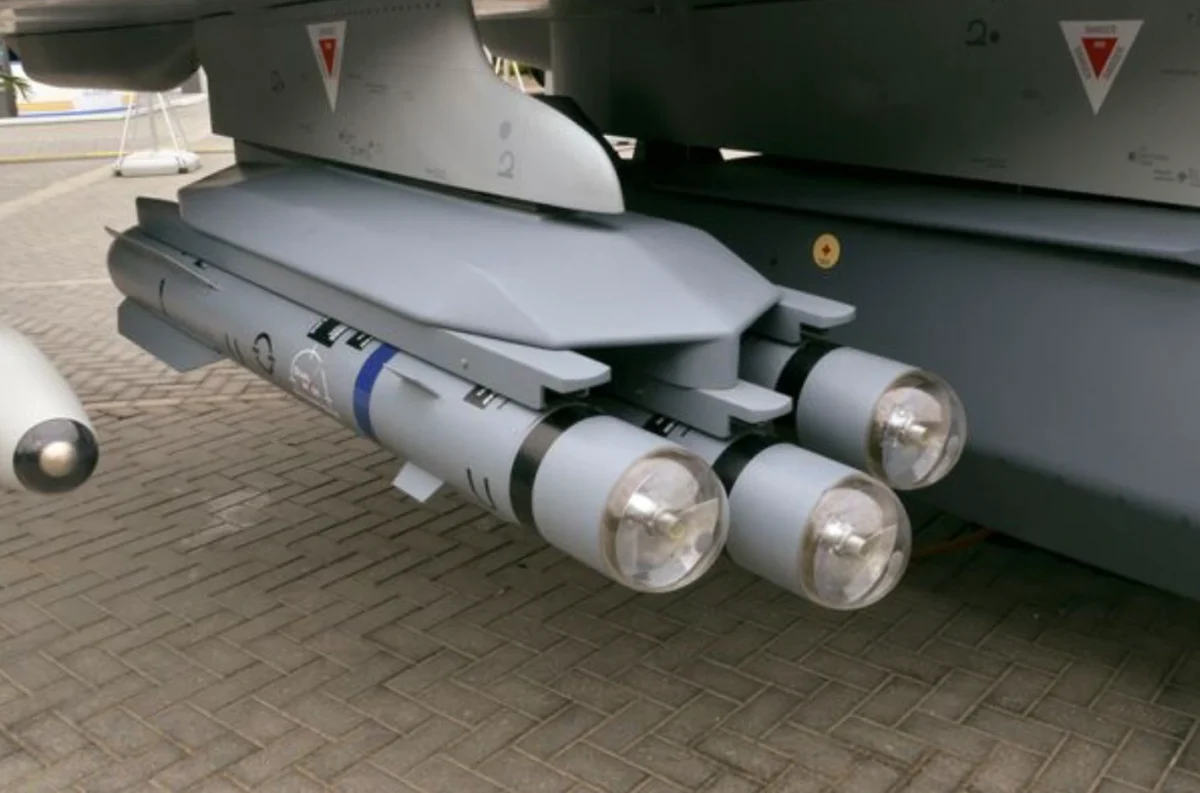
Brimstone’s dual-mode guidance was crucial here, allowing operators to designate vehicles with a laser when necessary, or let the missile’s radar seeker autonomously pick them out in a chaotic battlespace.
More recently, Brimstone has made headlines after being supplied to Ukraine, where it’s been adapted for ground-launch against Russian armor. Videos circulating from the battlefield show truck-mounted launchers firing Brimstone missiles at armored columns, underscoring just how flexible the weapon has become.
While exact performance statistics in Ukraine are tightly guarded, British defense officials have praised the system’s effectiveness in blunting Russian advances.
Across these conflicts, a consistent theme emerges: Brimstone gives commanders confidence in precision. It isn’t the missile you use to level a city block; it’s the one you reach for when you need to stop a single vehicle weaving through a crowded street or neutralize a high-value armored target without creating unintended chaos.
No missile exists in a vacuum. The Brimstone missile often gets measured against its American cousins, particularly the AGM-114 Hellfire and its successor, the Joint Air-to-Ground Missile (JAGM). On paper, they all look like precision-guided anti-armor weapons. But when you dig deeper, some interesting contrasts emerge.
Hellfire has been the workhorse of U.S. and allied forces for decades, famously mounted on Apache helicopters and drones. It’s rugged, combat-proven, and available in large numbers. But here’s the catch: Hellfire was originally designed in the late Cold War for tank-killing from helicopters. While it’s been adapted for drones and other roles, its design roots show.
Hellfire typically requires direct line-of-sight guidance, usually laser designation. Brimstone, on the other hand, can operate in fire-and-forget mode with its millimetric radar seeker, giving pilots or UAV operators more freedom and survivability.
JAGM, the Hellfire replacement, narrows that gap by adding a dual-mode seeker—laser plus millimetric-wave radar, much like Brimstone. But Brimstone had a head start. By the time JAGM was entering limited deployment, Brimstone had already been combat-tested across Afghanistan, Libya, and Syria.
Another edge: Brimstone is optimized for fast jets, not just helicopters and drones. That makes it uniquely versatile, bridging the gap between slow-moving close-support platforms and supersonic strike aircraft.
The Brimstone missile isn’t just another precision weapon on a long list of modern munitions—it’s a statement of how warfare has changed.
Designed to be fast, flexible, and surgical, Brimstone represents a shift from brute-force bombardment to pinpoint strikes with minimal collateral damage. It’s the kind of missile built for today’s conflicts, where political consequences can be as decisive as battlefield outcomes.
What makes it stand out is its multi-domain adaptability. Few systems can claim equal effectiveness when fired from a fast jet, a drone, a truck launcher, or even a naval platform. This versatility means militaries aren’t buying a single tool; they’re investing in a toolbox that adapts to shifting missions and environments.
But Brimstone’s story also hints at something larger—the growing demand for weapons that balance lethality with restraint. In an era where every strike is scrutinized by satellites, news outlets, and social media, weapons like Brimstone are as much about optics as they are about armor penetration.
In the end, Brimstone is more than a missile. It’s a case study in modern military design: precise, adaptable, and politically savvy. And that might explain why, despite its niche origins, it keeps finding new battlefields and new customers.