Follow Us:
Follow Us:

Not that long ago, hardly anyone outside defense circles had heard of the Bayraktar TB2. Now, it keeps showing up in the news. Some call it a game-changer on the battlefield, while others aren’t so sure.
Some believe that it’s less about raw power and more about showing what affordable drones can actually do. What really caught people’s attention were the clips of TB2 strikes shared online, footage that turned a fairly plain-looking aircraft into a symbol of modern conflict.
When you first check the specs, the TB2 drone looks kind of average. It’s not that quick, it doesn’t haul a big payload, and bigger models from the U.S. or Israel can stay up way longer. Still, from what people on the ground have shared, it seems to have done more than expected, knocking out tanks here and there, hitting artillery, even managing to get past air defenses in some cases.
The price tag also matters here. Because it’s relatively cheap and has a decent range, a lot of countries, more than 30 countries, in fact, have either bought it or at least shown interest.
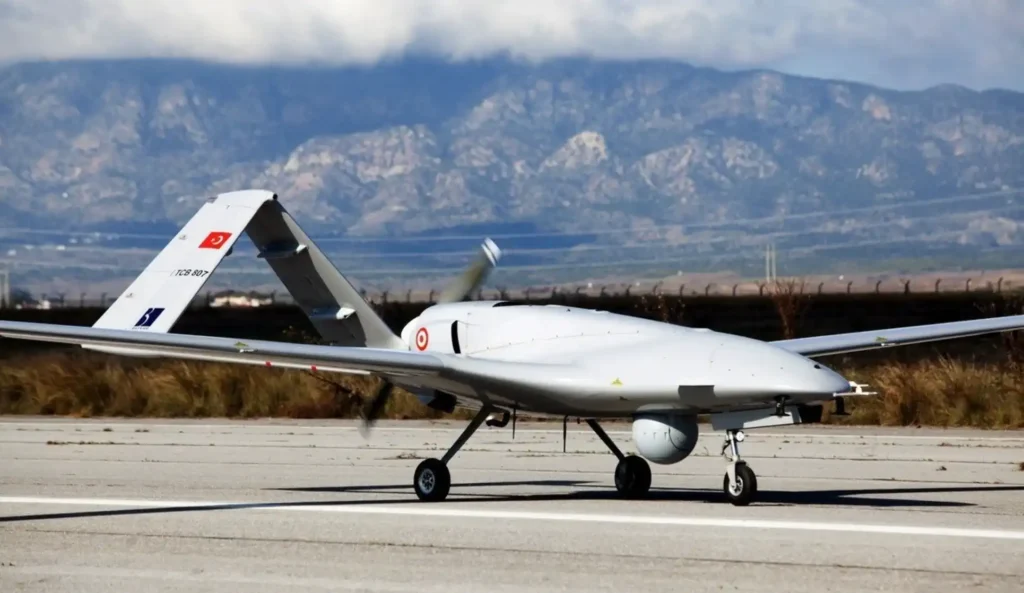
Even so, the picture isn’t entirely straightforward. A few analysts point out that the TB2 has mostly done well when it’s facing weaker defenses, not top-tier systems. Others argue its real impact isn’t about the number of targets it destroys, but more about proving how smaller, unmanned aircraft can be used in creative ways.
Which raises a bigger question: is the Bayraktar TB2 really a breakthrough that’s changing modern warfare, or has it just looked good in the right conditions?
What do the numbers actually tell us? When people talk about the Bayraktar TB2, they like to bring up the numbers, range, endurance, and payload. On their own, those figures don’t really say much. They only start to make sense once you picture them in practice, like how long a drone can actually circle over a frontline or how much damage a small payload can do in one run.
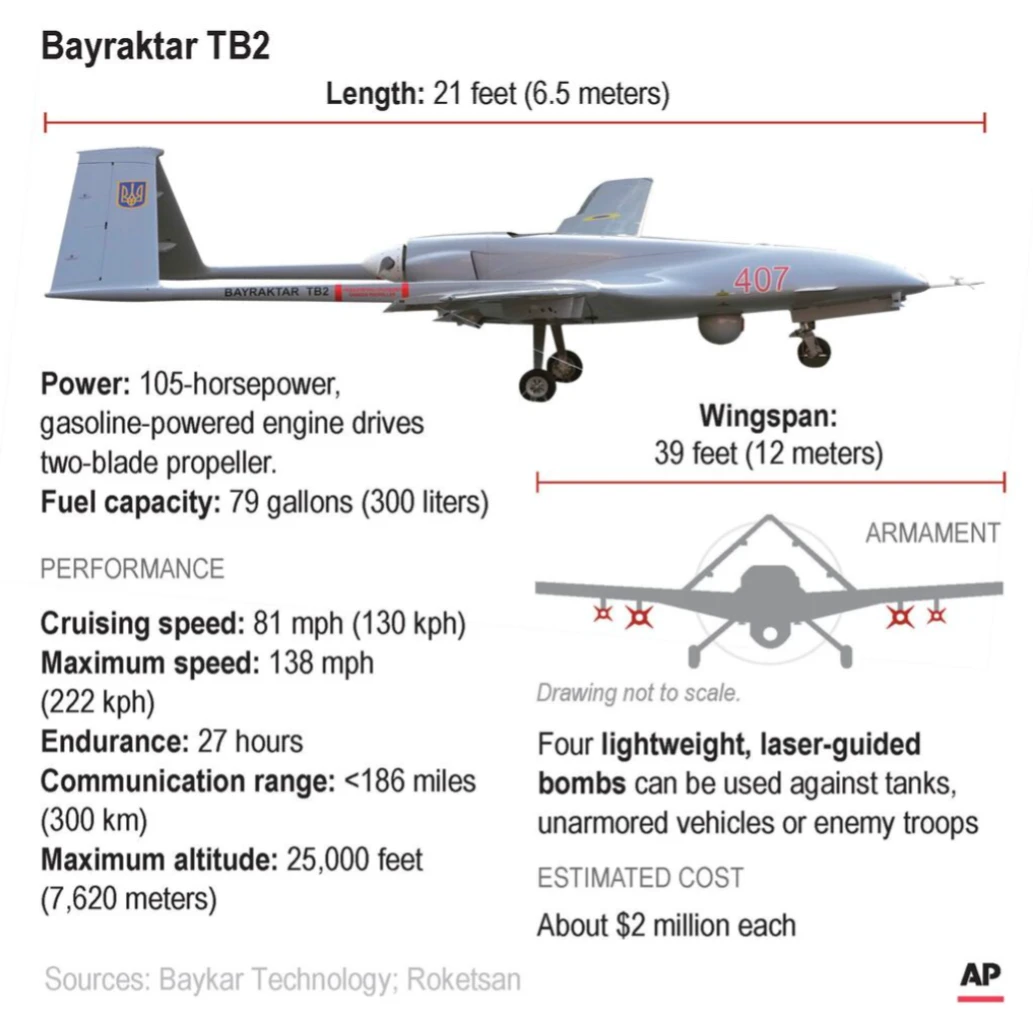
Take the range, for example. The TB2 reportedly reaches targets around 150 kilometers away. Reports put the TB2’s endurance at more than 24 hours. In practice, that translates into long surveillance runs. It lets commanders keep eyes on a sector for much longer than manned aircraft could safely manage.
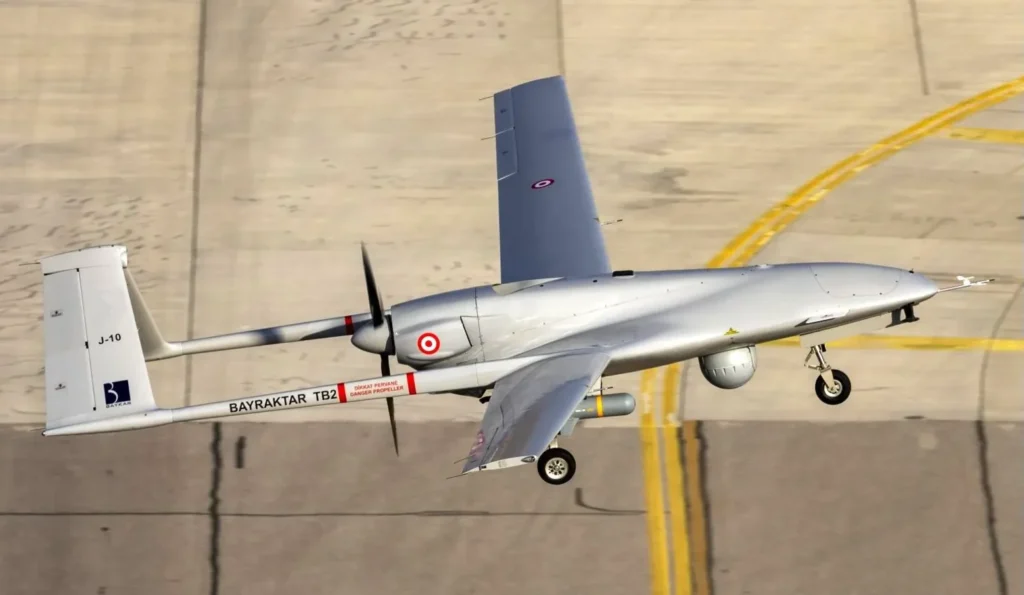
That’s a big deal when running operations in areas where pilots would be at risk. However, in modern wars, where air defenses and electronic jamming are becoming more common, only part of that endurance can realistically be used safely.
Read also: Baykar Bayraktar TB3: Turkey’s Carrier-Based Combat Drone
Then there’s the payload. The TB2 can only carry around 150 kilograms of weapons. Compared to a fighter jet, that’s tiny. It usually carries a few small precision-guided bombs. That doesn’t make it a “flying tank killer” on its own, but it does mean it can strike targets like artillery pieces, supply trucks, or radar stations in a cost-effective way.
Some analysts argue that it’s less about the size of the payload and more about the ability to deliver it precisely and repeatedly.
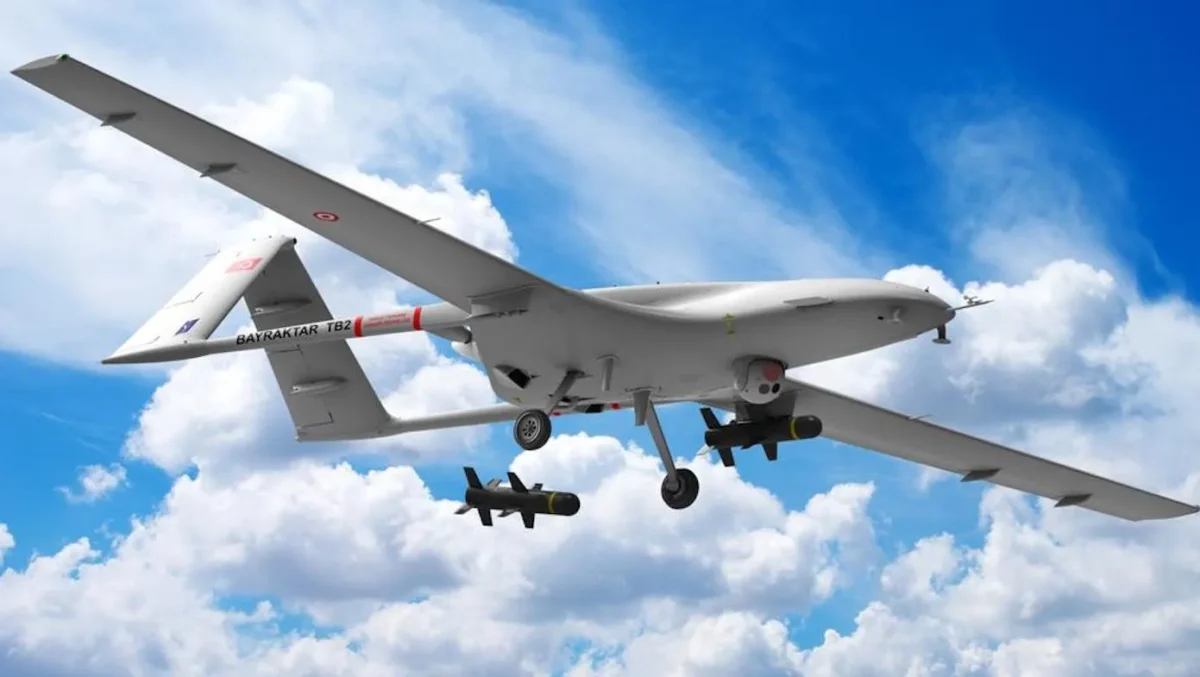
Cost is where the Bayraktar drone often gets the most attention. An American MQ-9 Reaper is priced at more than $30 million, while a single Bayraktar TB2 is usually put in the $1–2 million range.
That kind of gap means a country could trade one Reaper for maybe a dozen TB2s. It’s really a choice between one powerful system with long reach, or a bunch of smaller drones that can be sent out in different directions at the same time.
Read also: Croatia Acquires Turkish Bayraktar TB2 Drones for $91M
Would it be a wise decision? The answer probably depends on the kind of conflict. When the opponent is a top-tier military with strong defenses, the Reaper usually has the edge. Whilst in some smaller conflicts, drones like the TB2 seem to fit better than expensive systems.
They aren’t powerful on their own, but flying several at the same time gives wider coverage and more chances to hit targets. Even though the reach and payload are smaller, commanders gain flexibility in how they use them.
For a long time, drones were mostly linked with countries like the U.S. or Israel. The Bayraktar TB2 changed that by showing up in several wars since the late 2010’s. Its reputation comes less from what it looks like on paper and more from what happened in wars.
In Libya, Syria, Nagorno-Karabakh, and Ukraine, it was sent against tanks, artillery, and supply lines, and those experiences shaped how people now see the drone.
After Gaddafi’s fall, Libya didn’t settle into peace. The country ended up with two rival centers of power: the UN-backed Government of National Accord in Tripoli, and Khalifa Haftar’s forces in the east, which called themselves the Libyan National Army. This group controlled much of the territory with help from Egypt, Russia, and the UAE.
By 2019–2020, foreign support had turned the war into a contest of outside technology, and drones became central to the fighting. Turkey brought in Bayraktar TB2s to support the Tripoli government, while Haftar’s side had Chinese-made Wing Loongs supplied by the UAE.
Reports from the time suggest the TB2s were especially active around supply convoys and artillery units. They were fuel trucks and ammunition carriers, the kind of soft targets that can quietly decide whether an offensive keeps moving or runs out of steam.
For a while this gave the Tripoli side breathing room, slowing Haftar’s advance. Yet the TB2s also had limits: whenever Haftar’s allies brought in stronger air defenses and operated them properly, shoot-downs increased.
For years, Syria’s war had drawn in outside powers, and by 2020 Idlib province was one of the last strongholds for rebels. In Syria, Turkey was not just helping from afar. Its troops were already inside Idlib, trying to hold the line against Syrian army pushes.
Once the clashes grew, Ankara looked for ways to strike back without sending in jets that could be shot down. That is when the Bayraktar TB2 started to be used heavily, and for the first time people could see what it might do when flown in large numbers.
Turkey released many clips online showing the TB2 hitting tanks, artillery, and supply trucks. The damage seemed clear enough in videos and battlefield reports. The reports at the time claimed the drone attacks hit hard, with some Syrian units falling back after losing equipment.
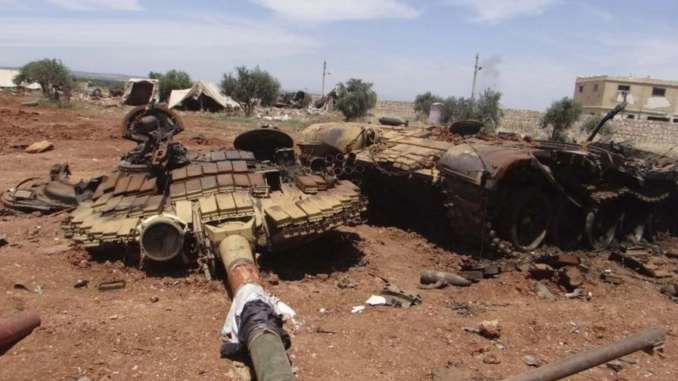
Still, not everyone agreed on how much credit should go to the TB2 itself. Some argued the results owed just as much to weak air defenses and the fact that Syrian forces weren’t expecting such a heavy use of drones.
For Turkish commanders, the key value of the TB2 was persistence. It could loiter above the battlefield and strike targets quickly once located.
One thing to keep in mind, back then, Syria’s air defense network was not really joined up. Some units worked on their own, and that made it easier for Turkey to find weak spots. Because of that, it’s hard to say how the TB2 would have performed against a stronger or more modern system.
Nagorno-Karabakh had been a frozen conflict since the early 1990s, with both Armenia and Azerbaijan digging in behind heavy defenses. When fighting flared up again in 2020, the balance shifted in a way few expected. Azerbaijan brought in drones, especially the Turkish TB2, which soon became a focus of attention.
In Nagorno-Karabakh, TB2 drones were sent after tanks, artillery, and even the air-defense units that Armenia had depended on for a long time. Footage from the time showed convoys and dug-in positions being blown up from above. These clips spread quickly on social media, giving the impression that the drones were almost unbeatable.
At the same time, it’s not totally clear if the drone alone caused that. Some of the Armenian defenses were old, scattered, or not really connected, so openings were there before the drone even arrived. In other words, the strikes worked, but part of it might have been luck or timing, not just technology
When Russia invaded Ukraine in early 2022, a few videos started showing drones buzzing over the battlefield. There weren’t many TB2s in Ukraine at the time, but the ones they had were quickly put into action.
Some clips showed tanks and supply trucks being hit, and there was even talk of drones helping to spot Russian ships in the Black Sea. From what could be seen, the drones caused real disruption, at least at first, slowing down some Russian advances.
For a time, these strikes gave TB2 almost legendary status. It became a symbol of resistance, with songs and fundraising drives built around it. Still, not everyone agrees on how big its military impact really was. Some suggest the early successes had more to do with Russia being unprepared in the first phase of the war, while others point to the TB2’s cost and availability as real strengths.
As the fighting went on, the situation changed. Russia brought in heavier air defenses and used more electronic warfare, which made TB2 missions much harder. By late 2022, the drone was being used less for direct strikes and more for scouting or occasional precision attacks.
People often ask how the TB2 is changing drone warfare. From what could be seen on the battlefield, it seems the drones can hit tanks, artillery, and supply trucks, though they’re not unstoppable. Sometimes one strike is enough to stop a whole convoy for a while, like if a fuel truck goes up in flames, everything behind it might have to wait.
At least some reports suggest that even a small number of drones can make opponents move differently or think twice about how they operate. Soldiers seemed to adjust once the drones were around.
Vehicles were moved more carefully, artillery sometimes fired and then quickly relocated, and supply routes were changed to avoid being targeted. In some cases, entire units appeared to operate differently because of the TB2.
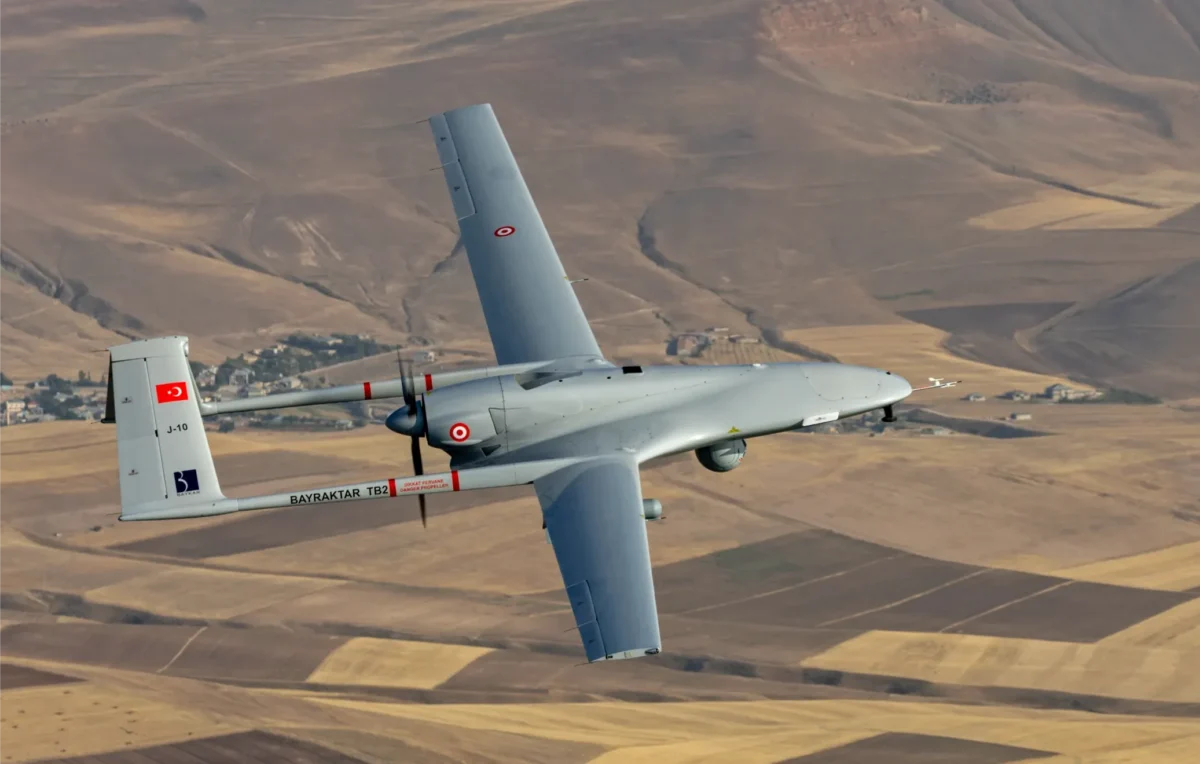
In this sense, the Bayraktar seems to offer some new possibilities, though it’s not a game-changer in every scenario. One area is asymmetric warfare. Smaller countries or forces with fewer resources can use drones like the TB2 to hit key targets without having to match a larger military in tanks or jets. That can give them an advantage they wouldn’t have otherwise, at least according to some reports.
Another factor is the combination of precision strikes and surveillance. The TB2 can spot enemy movements and hit specific vehicles or positions, which helps forces plan attacks more carefully. Indeed, strong air defenses or electronic jamming can limit its usefulness, but in situations where defenses are weaker or gaps appear, it can have a noticeable effect.
TB2 also shows a different way to think about cost and technology. Some drones from places like the U.S. or Israel can carry a lot more weapons and stay in the air much longer, but they cost a lot. The TB2 is cheaper, and a country can put more of them in the air at once.
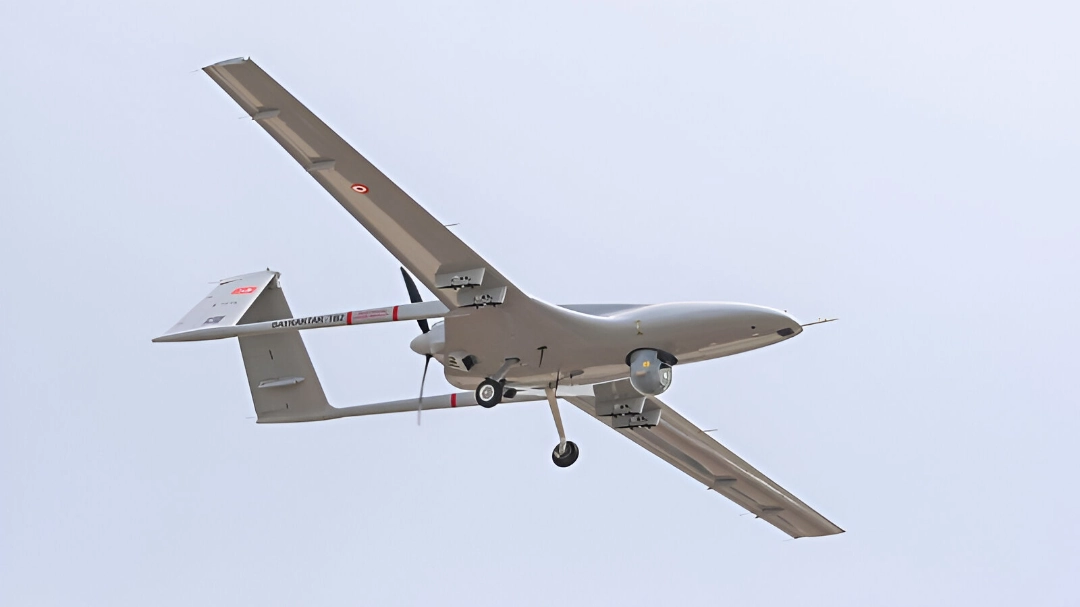
Is the TB2 unbeatable? From what could be seen on various battlefields, the answer seems to be no. The drones can run into trouble when air defenses are strong or when electronic jamming is used.
In Ukraine, for example, operators sometimes had to fly higher than usual or move more cautiously, and attacks were limited at times because of Russian systems. That doesn’t mean the drones didn’t do anything. They still managed to hit vehicles, convoys, and artillery, but it does show there are real limits in “particular” circumstances.
Looking at these situations, some lessons start to appear. TB2s work best when defenses are patchy or uncoordinated. Thus, these limitations suggest that using the TB2 effectively against layered or modern air defenses requires planning and adaptation.
Commanders can’t just send it out and expect every strike to succeed. Sometimes it works better for reconnaissance or selective strikes rather than constant bombardment. In other situations, drones might need to be coordinated with other forces or use distractions to get through.
Given the situation, it’s hard not to think about how much a cheaper drone can actually make a difference when the enemy is ready with strong defenses and ways to block or jam it.
Indeed, the drone can clearly cause disruption and make soldiers rethink how they move equipment or organize supply lines, but they aren’t invincible. In that sense, understanding its limitations is just as important as recognizing its successes.