Follow Us:
Follow Us:

Defense Feeds – Twelve people are dead. Artillery shells have landed near ancient temples. Fighter jets are in the sky.
If you haven’t been following the Thailand Cambodia conflict, now’s the time to pay attention.
In July 2025, the decades-old border dispute between Thailand and Cambodia exploded into fresh violence. A series of deadly clashes broke out near the disputed Ta Moan Thom temple—an ancient site nestled in the rugged Dangrek Mountains. For locals, it’s a sacred place. For both countries, it’s a symbol of national pride—and a lightning rod for conflict.
So what sparked the latest round of fighting?
It started with rising tensions in May, when a Cambodian soldier was killed during a standoff. Then came failed peace talks in June, and by late July, things boiled over. Thailand launched airstrikes. Cambodia fired artillery. Thousands of civilians fled border villages. The violence quickly became the worst seen in the region in years.
But this isn’t just a story about a border. It’s about history, identity, and power.
The roots of this dispute go back more than a century, to colonial-era maps drawn by the French. Both countries interpret them differently. The International Court of Justice ruled on the issue multiple times—most notably in 1962 and again in 2013—but the conflict never truly died down.
Now, with diplomacy stalled and military forces on high alert, the region faces a serious risk of prolonged confrontation.
So what happens next? Can ASEAN calm things down? Will the ICJ get involved again?
We’ll break it all down—from the history of the dispute, to what each side wants, to why this conflict could affect more than just Thailand and Cambodia.
To understand the current Thailand Cambodia conflict, you have to go back more than 100 years—back to a time when European colonial powers were drawing borders across Southeast Asia without much regard for the people who lived there. That’s where this border dispute was born.
The trouble centers around a series of ancient Khmer temples scattered along the Dangrek Mountains, a natural border between the two countries. One of the most well-known sites, Preah Vihear Temple, became a flashpoint in the 20th century.
In 1962, the International Court of Justice (ICJ) ruled in Cambodia’s favor, awarding it sovereignty over the temple. But the land surrounding the temple remained contested, and that’s where the tension never quite went away.

Fast forward to the early 2000s, and things flared up again.
In 2008, UNESCO listed Preah Vihear as a World Heritage Site under Cambodia’s name. Thailand wasn’t happy. Protests erupted, and both countries sent troops to the area. What followed was a string of deadly clashes from 2008 to 2011, with mortar fire, troop buildups, and civilian evacuations. Thousands were displaced, and dozens killed or wounded.
By 2013, the ICJ tried once again to settle things—this time affirming that Cambodia also had control over the land surrounding Preah Vihear. But the ruling did little to end tensions at other nearby temples, like Ta Moan Thom and Ta Krabei. These remain outside the ICJ’s decision and are now at the heart of the renewed conflict.
Despite multiple meetings, including efforts by the Joint Boundary Commission (JBC), both nations have failed to agree on a final demarcation. The temples, rich in cultural symbolism and national pride, continue to serve as powerful triggers for conflict.
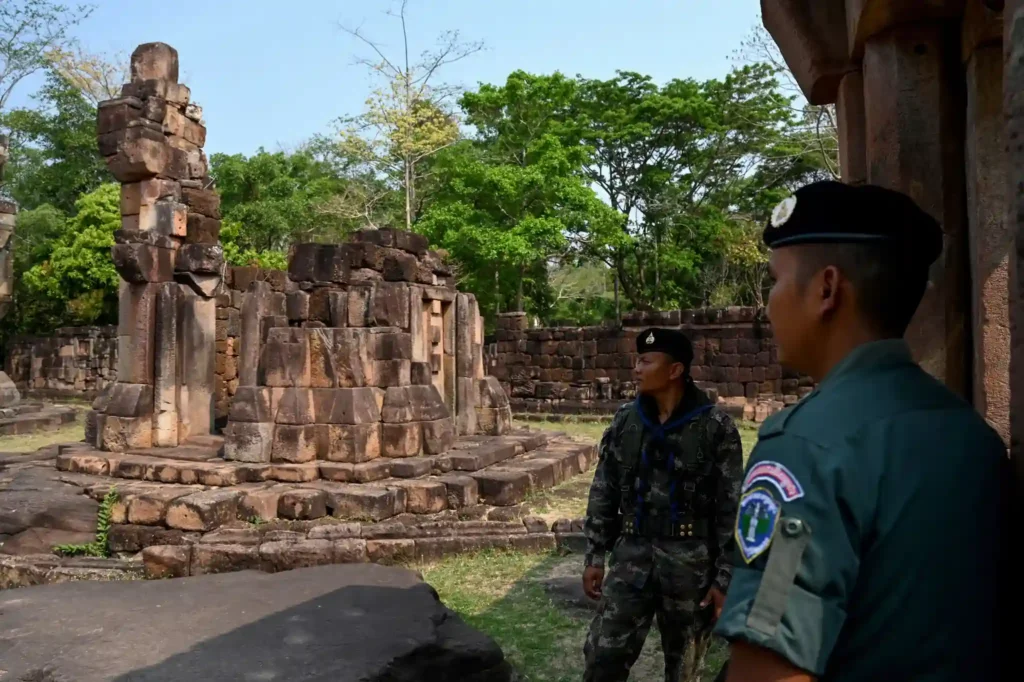
In short, this isn’t just a modern political dispute. It’s a deeply rooted struggle tangled in colonial legacy, nationalism, and unresolved history. And as we’ve seen, it only takes one spark—like a soldier’s death or failed diplomatic meeting—for tensions to explode again.
The Thailand Cambodia conflict reached a boiling point in mid-2025, after months of rising tensions and failed diplomacy. What began as a tense standoff quickly escalated into one of the deadliest clashes between the two neighbors in over a decade. Here’s how events unfolded.
May 28, 2025 – A Cambodian soldier was reportedly killed in a skirmish near the Emerald Triangle, a rugged border area where Thailand, Cambodia, and Laos meet. Cambodian authorities accused Thai forces of firing across the border, while Thailand claimed it was responding to a border breach. The incident sparked outrage in Phnom Penh and became a rallying point for nationalist groups demanding a stronger response.
June 14, 2025 – Hopes for a peaceful solution took a hit during a high-level Joint Boundary Commission (JBC) meeting. Cambodia submitted revised maps that excluded four disputed zones—Ta Moan Thom, Ta Krabei, Mum Bei, and the Emerald Triangle—from discussions. Thailand rejected the move, arguing it undermined prior agreements to settle the issue jointly. The meeting ended without progress.
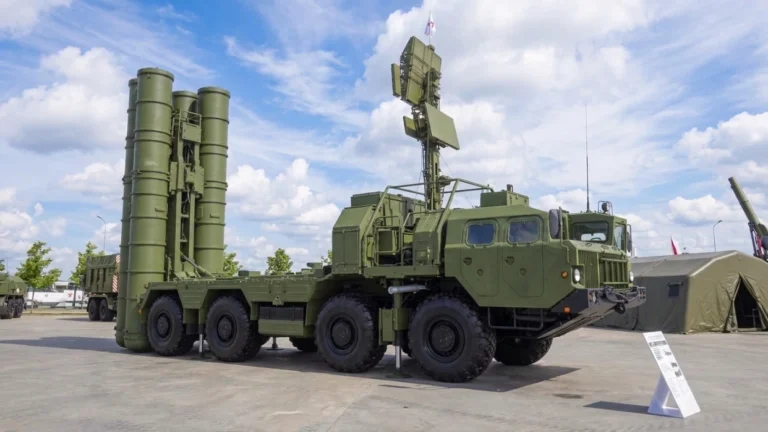
Early July – Tensions continued to rise. Thailand increased its military presence near the disputed sites, deploying additional ground forces and repositioning air assets to nearby provinces. Cambodian troops dug in as both sides exchanged sharp rhetoric through official channels and state media.
July 24, 2025 – Violence erupted. Thai F-16 fighter jets launched airstrikes on what the Thai military described as “hostile Cambodian forward positions.” Cambodian artillery returned fire. Reports confirmed at least 12 deaths, including civilians, and dozens more injured. Thousands were forced to evacuate nearby villages. Border crossings were immediately shut down, and both sides began reinforcing their positions.
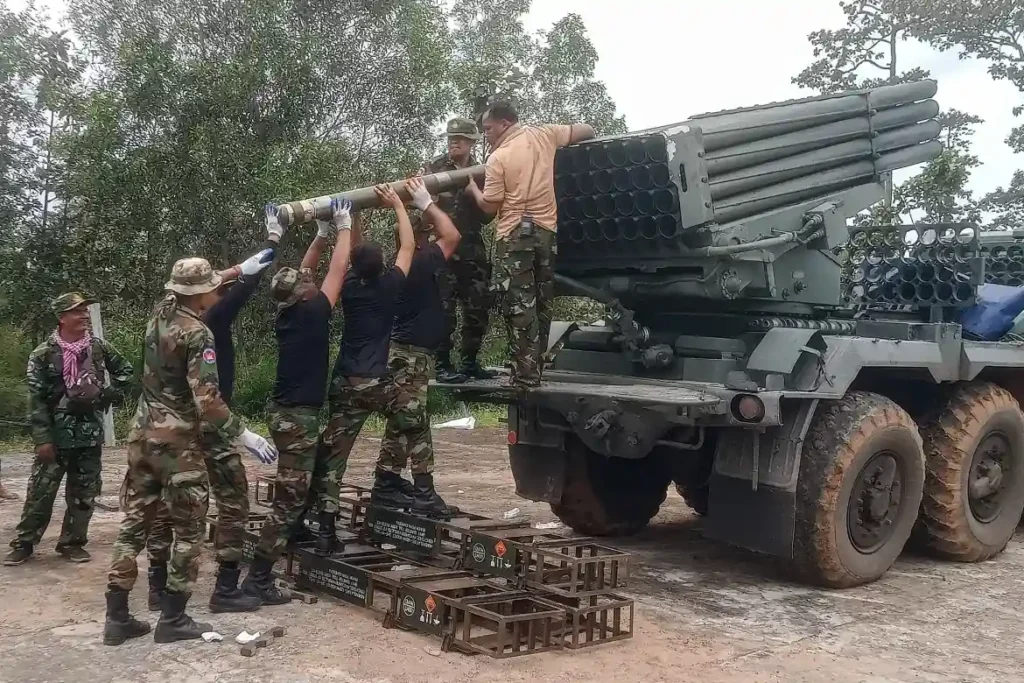
July 25–Present – The situation remains volatile. Cambodia announced plans to file an emergency complaint with the International Court of Justice. Thailand warned of further action if its territorial integrity is threatened. ASEAN members, led by Malaysia and Indonesia, have called for restraint and offered to mediate—but so far, neither side has accepted.
This latest eruption is a stark reminder that the Thailand Cambodia conflict remains dangerously unresolved. What began as a border argument is now threatening to spiral into a full-blown regional crisis.
The heart of the Thailand Cambodia conflict lies in the rugged terrain of the Dangrek Mountains, a natural boundary that has long blurred political lines between the two nations. While maps may draw clear borders, reality on the ground is far more complex—and it’s this geography that makes the conflict both difficult to resolve and easy to ignite.
At the center of the dispute are several key temple sites built during the ancient Khmer Empire, all located within dense jungle and mountainous terrain that makes monitoring and patrols challenging. These temples—many of them cultural treasures—are claimed by both Thailand and Cambodia, not just for their historical value, but for the nationalist sentiment they represent.
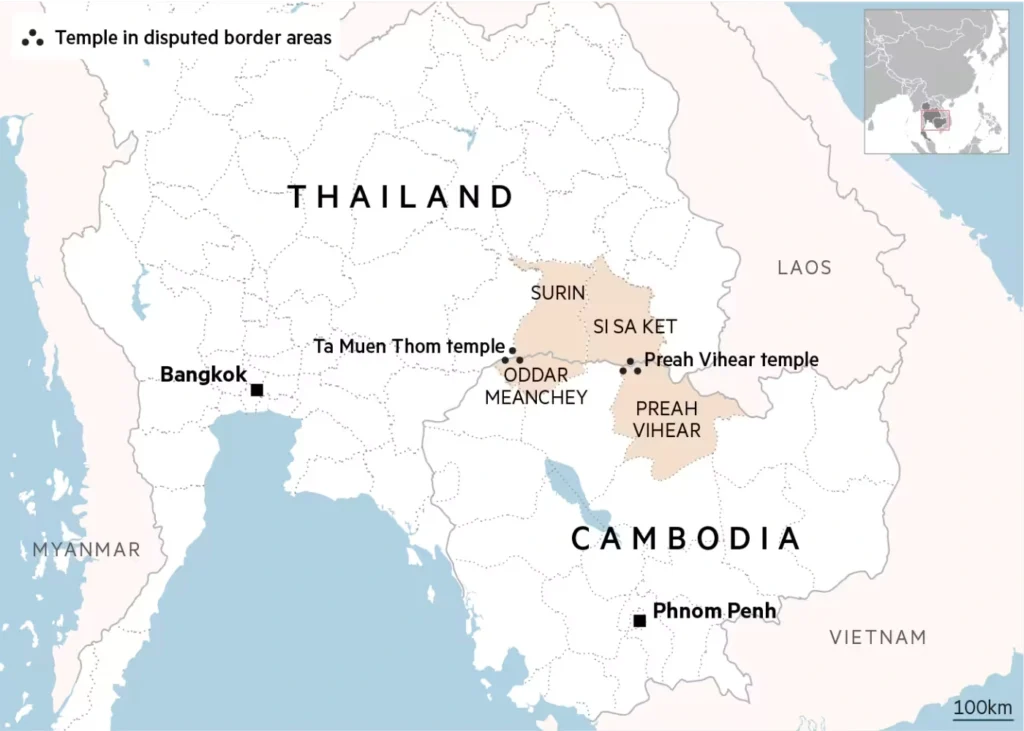
The most sensitive and symbolic sites include:
Add in the fact that the border is often poorly marked, remote, and rugged, and you have a recipe for misunderstanding, miscalculation, and, too often, violence.
The Thailand Cambodia conflict isn’t just about ancient temples or historical maps—it’s driven by powerful actors on both sides, each with their own political agendas, military posturing, and public pressures. Understanding who’s involved helps explain why the situation has escalated so quickly—and why it’s so hard to deescalate.
Thailand’s position is firm: it claims that several of the disputed sites, especially Ta Moan Thom and Ta Krabei, fall within its internationally recognized borders. Thai officials argue that access routes, historical control, and administrative records show Thai sovereignty over the area. They also reject Cambodia’s use of colonial-era maps that Thailand says are outdated and manipulated.
In response to recent skirmishes, the Thai government authorized the deployment of more troops along the border. Fighter jets and artillery have been repositioned, and officials have warned of “decisive action” if Thai territory is violated again. The Royal Thai Army is playing a more prominent role than usual, a reflection of Thailand’s long history of military influence in civilian politics.
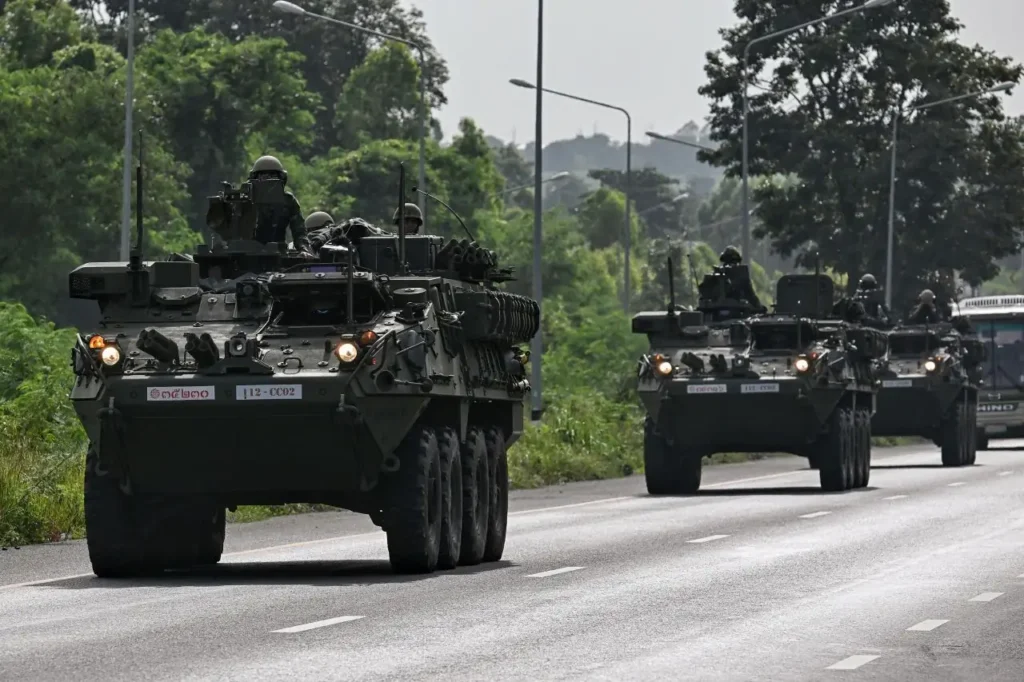
Behind the scenes, some analysts believe the Thai leadership is using the border issue to rally nationalist sentiment and shore up political support amid domestic challenges. It wouldn’t be the first time a government has leaned on nationalism to distract from internal instability.
Cambodia’s position hinges on the 1907 map created by French colonial administrators, which it says clearly places the disputed temples on its side of the border. Cambodian Prime Minister Hun Manet, following in his father Hun Sen’s footsteps, has taken a strong stand, portraying Cambodia as the victim of Thai aggression and vowing to defend national sovereignty at all costs.
Cambodia has already announced its intention to bring the matter before the International Court of Justice again, seeking legal resolution. At the same time, Cambodian forces have dug in near key flashpoints and expelled Thai diplomats, escalating the diplomatic fallout.
Like Thailand, Cambodia’s leadership is navigating domestic politics. With a new generation of leaders emerging, standing firm against external threats is a way to build legitimacy and unity.
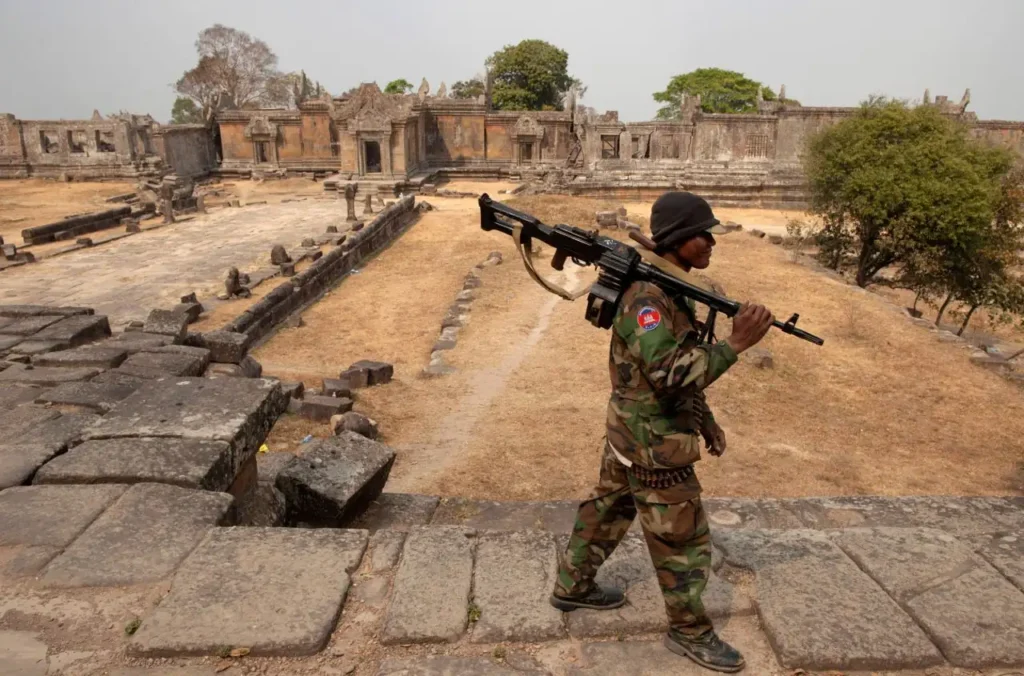
As violence escalates, regional powers like Malaysia, Indonesia, and Vietnam have called for calm. ASEAN, known for its non-interventionist stance, has issued statements urging dialogue but has yet to take concrete steps. China has also expressed concern, calling for restraint, though some worry that any vacuum in mediation could invite external influence.
The problem? Neither Thailand nor Cambodia seems eager for outside arbitration right now. With nationalist momentum building, both sides appear more focused on winning the narrative than backing down.
This standoff isn’t just about ancient stones or old maps—it’s about pride, politics, and power. And unless one side is willing to make concessions, this conflict could drag on far longer than anyone wants.