Follow Us:
Follow Us:

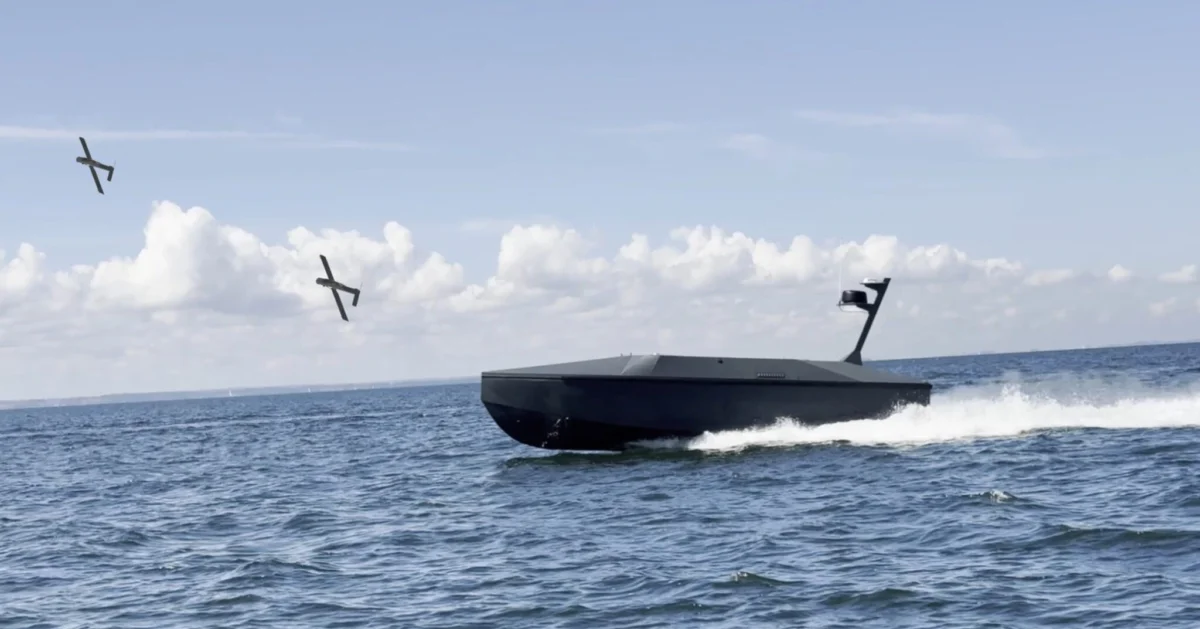
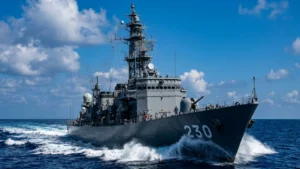
Defense Feeds, Gdynia – Poland is continuing to expand its investment in maritime autonomy after successfully evaluating the StormRider naval drone alongside one of its frontline frigates during a Baltic Sea exercise.
The demonstration focused on integrating live intelligence collected by the unmanned aircraft directly into NATO-compatible networks, giving commanders faster access to information without relying solely on the sensors carried aboard surface warships.
The trial reflects a broader transformation taking place across allied navies. Rather than treating drones as separate reconnaissance assets, many fleets are now integrating them into routine shipboard operations, allowing commanders to extend their surveillance range well beyond the horizon while reducing the workload on crewed aircraft.
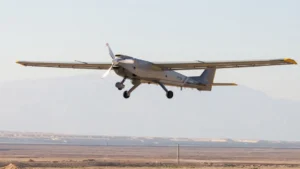
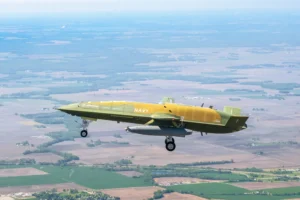
The StormRider naval drone was tested as part of an effort to improve how Polish naval forces collect and distribute intelligence during maritime operations. Operating from a frigate, the unmanned aircraft transmitted live surveillance data that could be shared across NATO command networks, helping build a more complete picture of activity in the Baltic Sea.
That capability addresses one of the enduring limitations of surface combatants. Even modern frigates equipped with advanced radar can only observe targets within the limits imposed by the Earth’s curvature. Launching a drone provides a much higher observation point, dramatically increasing the area that can be monitored without repositioning the ship itself.
The exercise also demonstrated how unmanned systems can become part of a ship’s sensor suite rather than functioning as independent platforms. Instead of replacing existing surveillance equipment, the drone complements radar, electro-optical systems and other onboard sensors by providing additional perspectives and faster visual confirmation of contacts.
For Poland, the trial represents another step toward integrating autonomous technologies into everyday naval operations rather than reserving them for experimental programs.
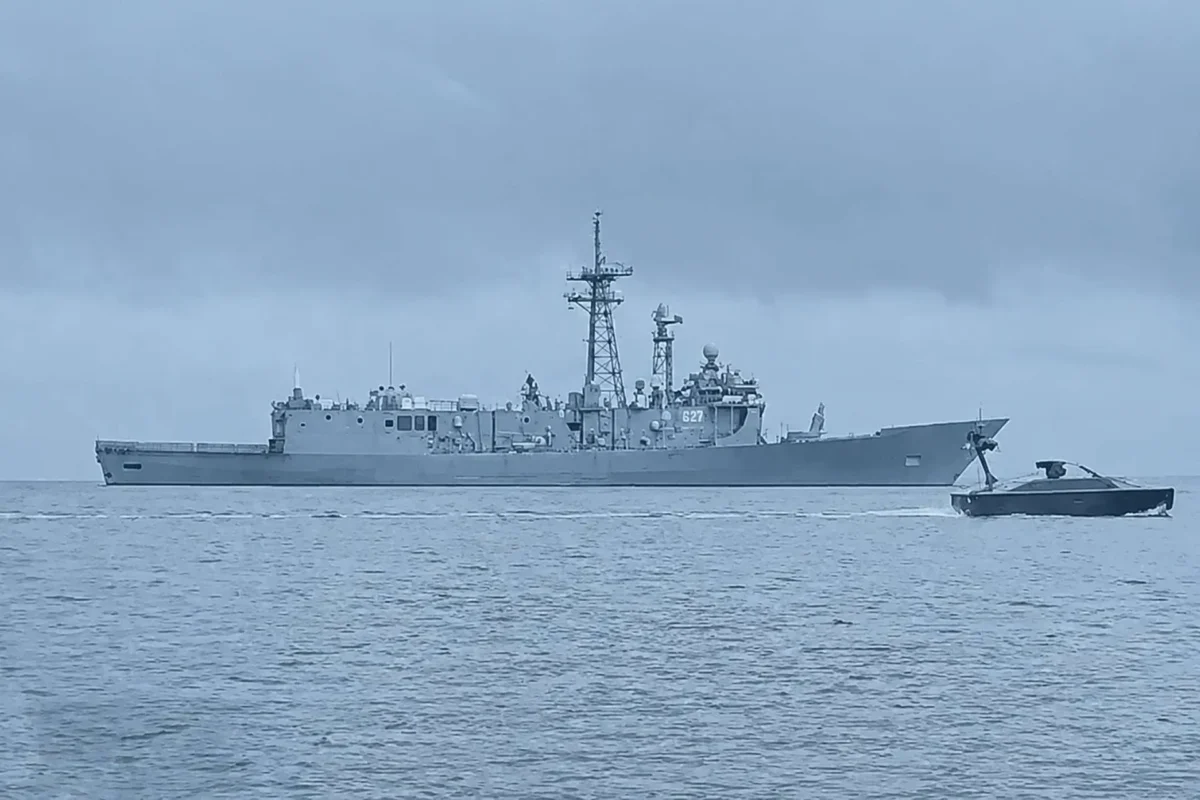
The real value of the StormRider naval drone lies not simply in collecting imagery but in how quickly that information reaches commanders.
Modern naval operations generate enormous amounts of data from ships, aircraft, satellites and coastal sensors. The challenge is often less about gathering information than ensuring it can be distributed rapidly enough to support operational decisions.
By streaming intelligence directly into NATO-compatible systems, the drone enables commanders aboard the frigate and at higher headquarters to monitor developments almost as they occur. That can shorten the time required to identify suspicious vessels, verify contacts or respond to emerging situations.
From an operational standpoint, quicker access to accurate information improves flexibility. Ships can adjust patrol routes sooner, coordinate with allied units more effectively and allocate resources based on a shared understanding of the maritime environment.
This approach also fits within NATO’s growing emphasis on networked operations, where information gathered by one platform immediately benefits the wider force.
The StormRider naval drone demonstration comes as the Baltic Sea has become one of Europe’s most strategically significant maritime regions. Increased military activity, concerns over critical underwater infrastructure and the need for persistent surveillance have encouraged NATO members to invest in technologies that improve maritime awareness without significantly expanding fleet size.
For Poland, autonomous systems offer a practical way to multiply the effectiveness of existing warships. Instead of relying solely on additional ships or helicopters, commanders can deploy lightweight unmanned aircraft to monitor larger operating areas while maintaining the frigate’s primary mission.
The exercise also reflects a wider trend across NATO, where drones are increasingly viewed as integral components of naval task groups rather than optional support assets. Similar concepts are being explored by several allied navies seeking to improve reconnaissance, anti-submarine warfare and force protection.
Looking ahead, technologies like the StormRider naval drone could become standard equipment aboard future surface combatants. As naval operations grow more data-driven, the ability to collect, process and distribute real-time intelligence may prove just as valuable as traditional firepower.
For Poland, the successful demonstration is another indication that unmanned systems are moving from promising concepts to operational tools. By linking shipborne drones directly with NATO networks, the Polish Navy is taking a practical step toward building a more connected, responsive and information-driven maritime force for the challenges emerging across the Baltic region.