Follow Us:
Follow Us:

For a fighter jet that first flew in the 1950s, the MiG-21 has had a surprisingly long goodbye.
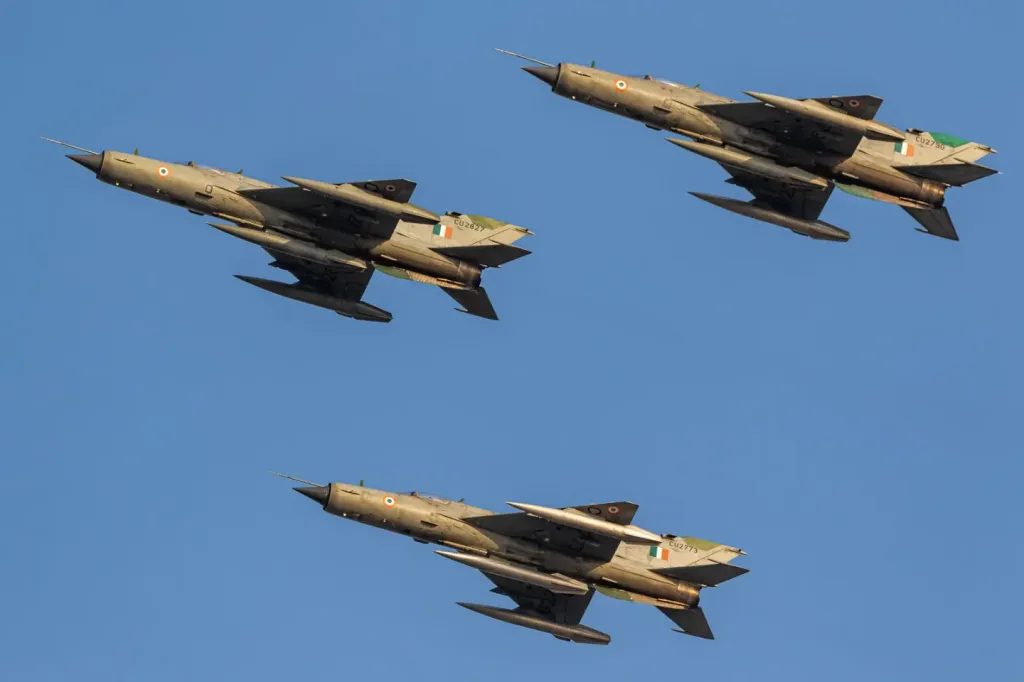
Just recently, with countries like India finally retiring their last operational MiG-21s, the jet popped back into the news, not because it was doing anything new, but because it was finally stepping aside. That moment felt bigger than just another aircraft retirement. It felt like the curtain closing on a huge chunk of Cold War aviation history.
The MiG-21, or MiG-21 Fishbed if you’re using its NATO name, was never meant to be flashy. It was small, fast, relatively cheap, and built with one main idea in mind, to get into the air quickly and intercept the enemy before they knew what happened. That mindset pretty much defined Soviet fighter design at the time.
Still, despite its simplicity, the jet went on to serve in more than 50 air forces and fight in conflicts across Asia, the Middle East, Europe, and Africa. Few fighter aircraft can claim that kind of reach.
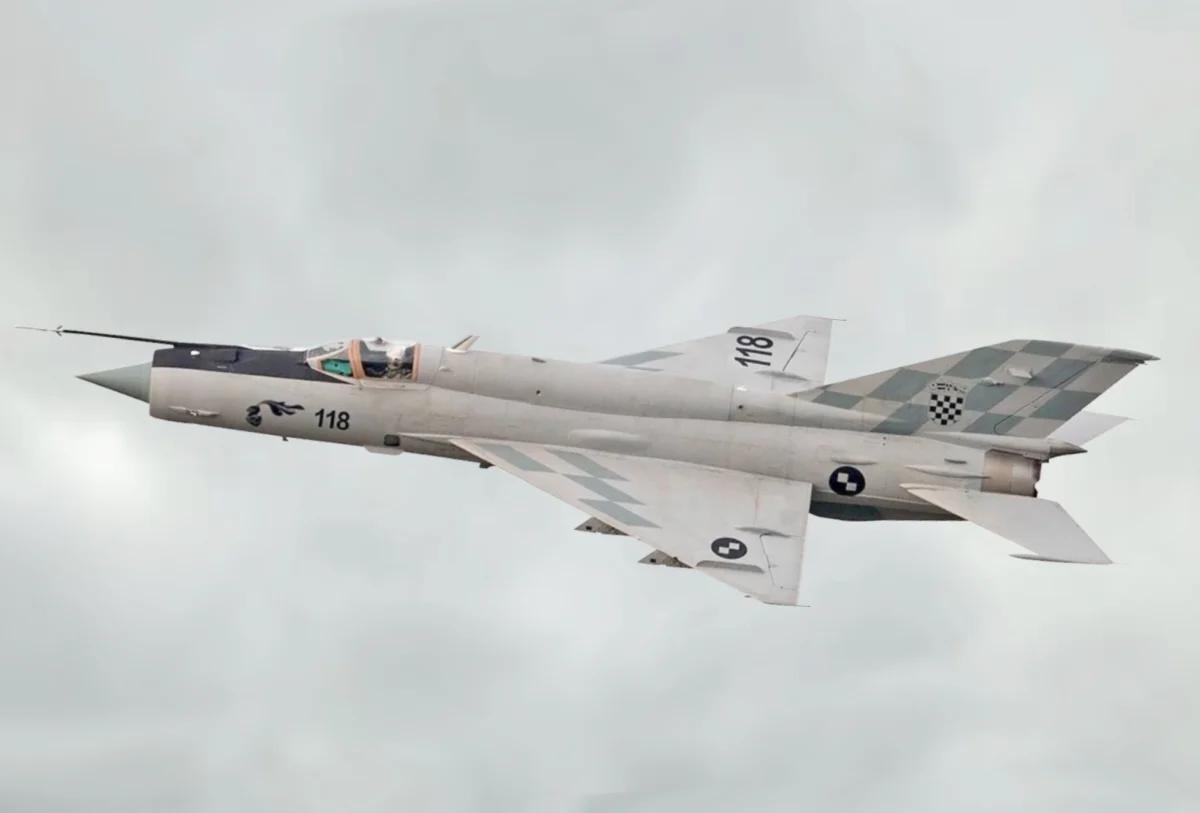
What makes the MiG-21 especially interesting, though, is how long it stuck around. Even as stealth fighters and advanced sensors became the norm, this old-school supersonic jet kept flying, sometimes upgraded, sometimes controversial, and often debated. Some pilots respected it. Others criticized its limits. Either way, the MiG-21 refused to fade into history quietly.
So before it becomes just a museum piece or an airshow favorite, it’s worth taking a closer look at what the MiG-21 really was; how it flew, how it fought, why it was so widely used, and why, eventually, the world had to move on.
The Mikoyan MiG-21 feels like a very Soviet answer to a very Cold War problem.
Back in the 1950s, the Soviet Union wanted a fighter that could get airborne fast, fly extremely fast, and be built in huge numbers without costing a fortune.
So instead of chasing comfort or complexity, the designers at the Mikoyan-Gurevich bureau leaned into a pretty no-nonsense philosophy: keep it small, keep it light, and make it supersonic.
The result was a jet that might look simple on the outside, but was purpose-built for intercept missions and high-speed combat, especially against bombers and intruding aircraft.
In simple terms, the Mikoyan-Gurevich MiG-21 is a single-engine, supersonic fighter jet developed by the Soviet Union during the height of the Cold War.

It was designed primarily as an interceptor, meaning its job was to scramble quickly, climb hard, and engage enemy aircraft before they got too close. It wasn’t trying to be an all-singing, all-dancing multirole jet by modern standards.
Instead, it focused on speed, climb rate, and straightforward firepower, and for its time, that approach worked surprisingly well.
Read also: Mikoyan MiG-29 Fulcrum: Russia’s Agile Multirole Fighter Jet
The nickname “Fishbed” wasn’t something the Soviets came up with themselves. It’s actually a NATO reporting name, part of a system Western countries used to label Soviet aircraft in an easier-to-remember way.
Fighters usually got names starting with the letter “F,” and Fishbed just happened to stick. It doesn’t really say much about how the jet flies or fights; it’s more of an identification shortcut, but over time, the name became almost as famous as the MiG-21 itself.
While the Russian MiG-21 started life in the Soviet Union, its real story is global.
The jet was exported widely, produced under license, and flown by more than 50 countries at its peak. Nations like India, Vietnam, Egypt, Poland, and many others relied on the MiG-21 for decades, sometimes making it the backbone of their air forces.
In many places, it was the first supersonic jet pilots ever flown, which kind of explains why its legacy still sparks strong opinions, both good and bad, long after its frontline days are mostly over.
This is where the MiG-21 starts to feel less like a legend and more like a machine you can actually measure.
On paper, the numbers don’t look outrageous by modern standards, but you have to remember the context. For the late 1950s and 1960s, these figures were kind of a big deal.
| Length | ~14.7 m (48.2 ft) |
| Wingspan | ~7.15 m (23.5 ft) |
| Height | ~4.1 m (13.5 ft) |
| Empty Weight | ~5,300 kg (11,685 lb) |
| Max Takeoff Weight | ~9,800 kg (21,605 lb) |
| Engine | 1× Tumansky R-25 turbojet |
| Maximum Speed | ~2,175 km/h (1,352 mph, Mach 2.05) |
| Combat Range | ~660 km (410 miles) |
| Ferry Range | ~1,200 km (745 miles) |
| Service Ceiling | ~17,500 m (57,400 ft) |
| Crew | 1 pilot |
Now, on their own, these numbers might feel a bit dry. The real question is: what did they mean in the air?
The MiG-21’s top speed, just over Mach 2, was seriously impressive for its era. In the 1960s, it put it right up there with Western fighters like the F-104 Starfighter and early versions of the Mirage III. It wasn’t just fast in a straight line, either.
Read also: Russian MiG-17 Fresco: Why This Simple Jet Was So Deadly
The delta wing design helped with high-speed stability and climb rate, which made the MiG-21 very effective as an interceptor.
That said, agility was a bit of a mixed bag. At high speeds, the jet felt solid and responsive. At lower speeds, especially during landing or tight turns, it could be less forgiving.
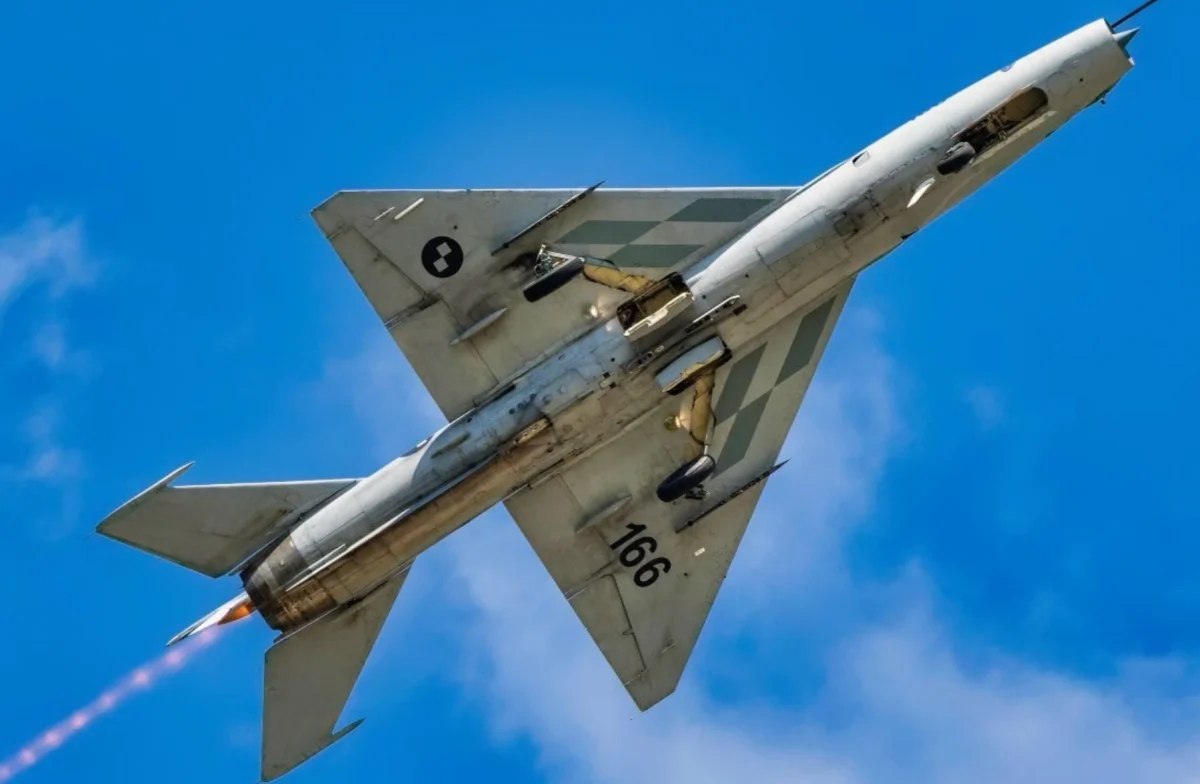
So while it could absolutely sprint and climb, it demanded respect from the pilot; this wasn’t a jet that liked sloppy flying.
When you look at the MiG-21 range, you start to see the trade-offs in its design. Its combat range of roughly 660 km (410 miles) meant it wasn’t built for long patrols or deep strike missions. Instead, it was meant to launch, intercept, fight, and return quickly.
The ferry range looks better on paper, but that usually involves drop tanks and ideal conditions.
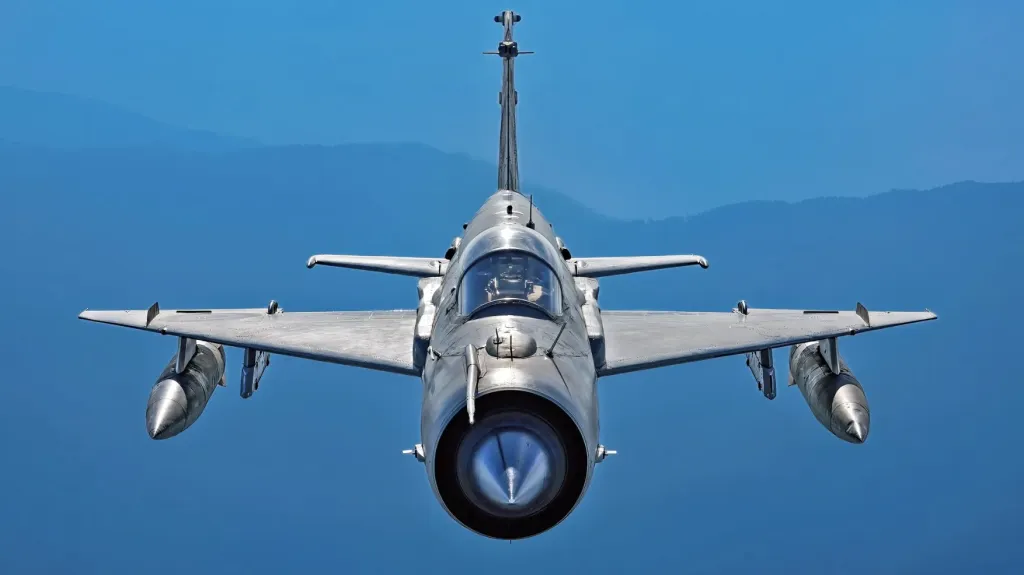
In real operations, pilots had to plan carefully. Fuel management mattered, and loiter time was limited. This is one reason many air forces later paired the MiG-21 with ground-controlled interception systems because the jet didn’t stay airborne long enough to hunt on its own.
Powering the MiG-21 was the Tumansky R-25 turbojet, an engine that was all about raw thrust rather than efficiency. At full power, it could push out around 69.6 kN (15,650 lbf) with an afterburner, which explains how such a small jet could hit Mach 2.
Fuel efficiency, though, wasn’t its strong suit. Like many early jet engines, it burned fuel aggressively, especially with the afterburner engaged. Pilots could tap into an emergency thrust mode for short bursts, but that came at the cost of higher engine wear. It worked, but you definitely paid for it in maintenance.
The MiG-21 cockpit was compact, to put it politely.
Everything was functional, but not exactly comfortable. Instruments were mostly analog, tightly packed, and designed with the assumption that the pilot already knew what they were doing.
Visibility was okay forward, but rearward views were limited, which could be stressful in air combat.
Avionics were fairly basic, especially in early variants. Radar capability existed, but it was limited, and pilots relied heavily on ground controllers for guidance. Ergonomics weren’t a priority in the way they are today; long missions could be physically tiring.
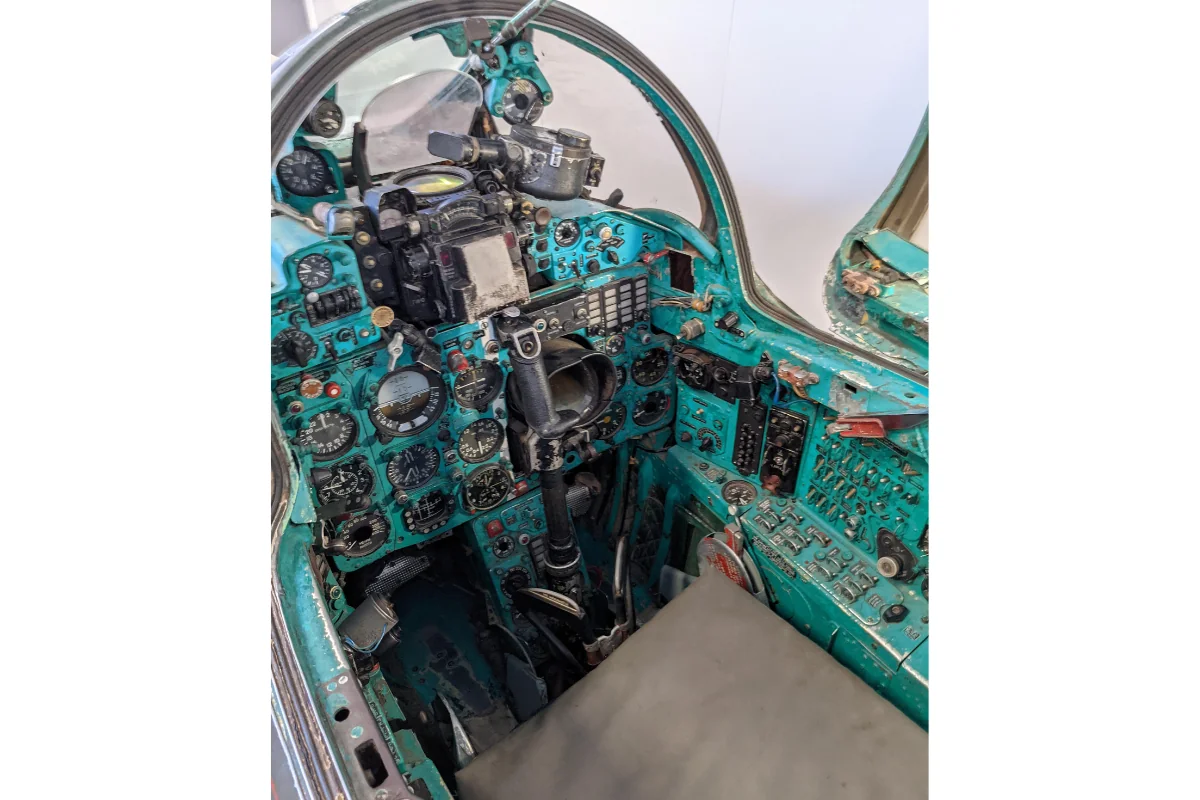
Still, many pilots appreciated the straightforward layout once they got used to it. It didn’t hold your hand, but it told you what you needed to know.
Most MiG-21 variants were equipped with an internal cannon, commonly a 23 mm or 30 mm gun, depending on the version. That gave pilots a reliable last-ditch option in close-in fights, especially when missiles missed or rules of engagement forced visual combat.
On the wings, the jet could carry air-to-air missiles like the early K-13 (AA-2 Atoll), which was roughly comparable to the U.S. Sidewinder at the time. Later upgrades added better missile options, but the philosophy stayed the same: simple, effective, and limited in number.
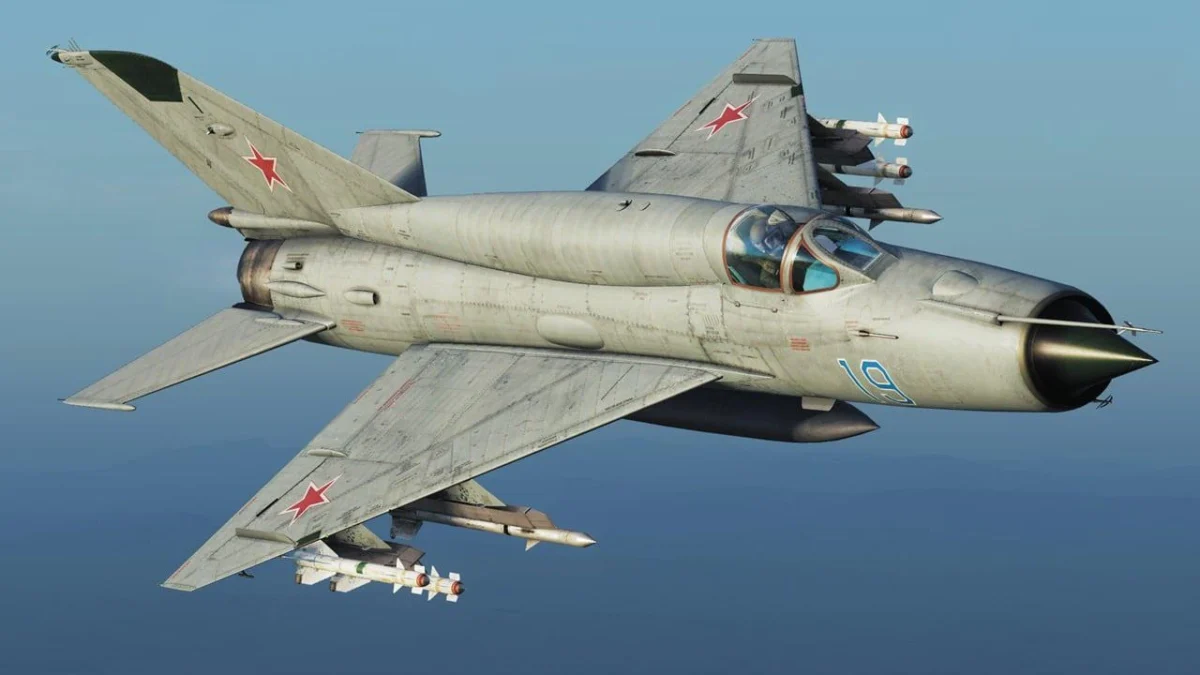
For air-to-ground work, the MiG-21 could carry unguided bombs, rocket pods, and sometimes napalm tanks. Typical strike loadouts weren’t heavy by modern standards, but they were enough for close air support or quick strike missions. That said, it was never really a true ground-attack specialist. It could do the job, but that wasn’t what it was born to do.
The MiG-21’s combat history is honestly one of the busiest of any fighter jet. It saw action across Asia, the Middle East, Africa, and even parts of Europe.
Notable conflicts include the Vietnam War, the Arab-Israeli wars, the Indo-Pakistani conflicts, and numerous regional clashes during the Cold War. In many of these, the MiG-21 was a frontline fighter.
Read also: Dassault Mirage F1: The French Fighter That Refused to Fade Away
In Vietnam, for example, MiG-21 pilots used speed and small size to their advantage, often engaging U.S. aircraft in short, sharp encounters before breaking away. In the Middle East, MiG-21s were flown by multiple air forces with mixed results, depending heavily on pilot training, tactics, and support systems.
As for strengths, the jet was fast, climbed well, and was relatively hard to spot visually. It could be dangerous in the right hands, especially in hit-and-run engagements.
But its limitations were just as real. Short range, limited radar capability, and basic avionics meant pilots often relied on ground controllers. Situational awareness wasn’t great, and once fuel ran low, options disappeared quickly.
One big reason the MiG-21 spread all over the world was money. Compared to many Western fighters of the same era, the MiG-21 was relatively affordable to buy and, at least at first, manageable to operate. That made it especially attractive to countries building or expanding their air forces during the Cold War.
Exact MiG-21 production costs are a bit fuzzy, but estimates usually put the unit price at roughly USD 2–3 million in 1960s dollars. For comparison, Western jets like the F-4 Phantom II cost several times more.
So while the MiG-21 didn’t offer the same radar power or payload, it delivered supersonic performance at a much lower price point. For many air forces, that trade-off probably felt worth it.
The MiG-21’s fuel consumption was high, especially when flying fast or using an afterburner, which limited endurance and drove up operating costs.
Maintenance was fairly straightforward in terms of design, but aging airframes eventually became a real challenge. Spare parts were widely available for decades thanks to massive production numbers, but as fleets got older, keeping them airworthy required more time, more inspections, and more work overall.
The short answer is age and limitations. Most MiG-21 airframes were designed decades ago, and even with upgrades, there’s only so much you can modernize an old structure.
Avionics lagged behind newer fighters, radar and sensors were limited, and the short range just didn’t fit modern air combat needs anymore. Safety also became a growing concern as fleets aged and maintenance demands increased.
At the same time, air forces needed jets that could do more than just intercept. Multi-role fighters with better situational awareness, longer endurance, and advanced weapons became the standard.
As a result, many countries replaced the MiG-21 with aircraft like the MiG-29, Su-30, F-16, Mirage 2000, or locally developed fighters. The shift was more about staying relevant in modern airspace.
Even so, the MiG-21 Fishbed leaves behind a massive legacy. It influenced fighter design by proving that speed, simplicity, and mass production could work. It also became a cultural icon; flown by dozens of nations, remembered by generations of pilots, and instantly recognizable by its delta wings and sharp nose.
Long after retirement, the MiG-21 still stands as one of the most important fighter jets ever built, not because it was perfect, but because it shaped an era.