Follow Us:
Follow Us:

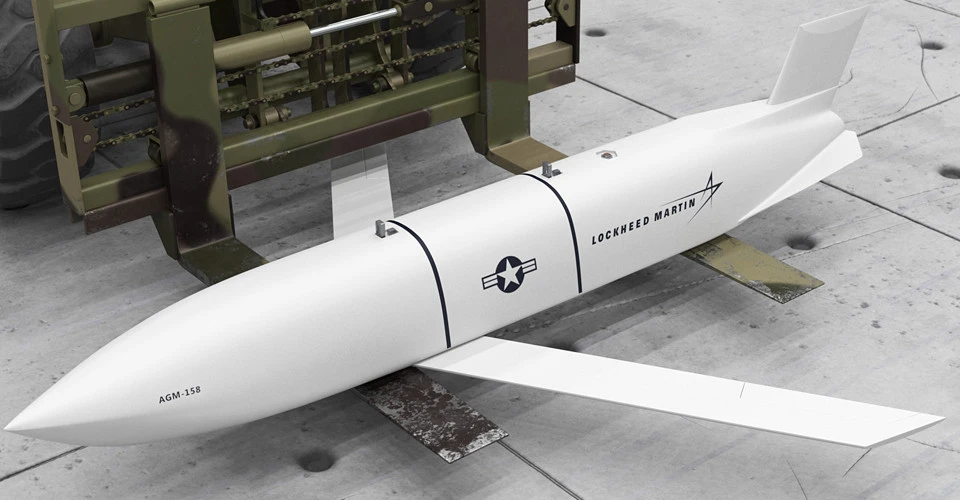
Ever wondered how modern air forces strike deep into enemy territory without even crossing the border? Meet the AGM-158 JASSM—the stealthy, long-range missile built for precision strikes from far, far away.
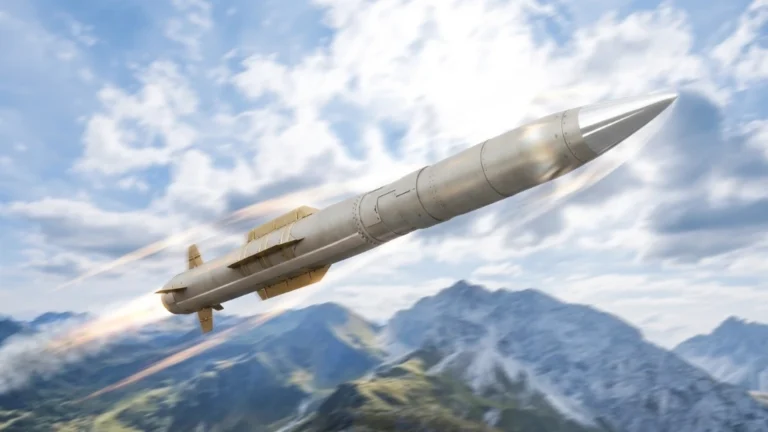
The Joint Air-to-Surface Standoff Missile, or JASSM, is a powerful weapon designed to hit high-value targets without exposing pilots to enemy air defenses. Built by Lockheed Martin, this air-launched cruise missile combines stealth, smart guidance systems, and serious punch—all while staying completely off enemy radar.
But what makes the AGM-158 cruise missile such a game-changer?
For starters, it’s stealthy. Its low-profile design helps it slip past enemy radar. It’s smart, too—using GPS, inertial guidance, and infrared sensors to find and strike targets with extreme accuracy. And most impressively, it can do all this from hundreds of kilometers away. No need to fly directly over the target.
Used by the U.S. Air Force and several allied nations—including Australia, Finland, and Poland—the JASSM missile is quickly becoming one of the most trusted tools in long-range warfare. Variants like the JASSM-ER (Extended Range) and the AGM-158C LRASM (designed for naval targets) make it even more versatile.
Whether you’re a defense enthusiast, a military analyst, or just curious about modern firepower, this guide will break down everything you need to know.
From specs and variants to cost, range, and real-world use, we’ve got it all covered. Let’s dive into the technology behind one of the world’s most advanced air-to-ground standoff weapons—and see why the AGM-158 JASSM stands in a class of its own.
The AGM-158 JASSM, or Joint Air-to-Surface Standoff Missile, is a long-range, precision-guided cruise missile developed by Lockheed Martin for the United States Air Force. It’s designed to destroy high-value, heavily defended targets—such as enemy bunkers, radar stations, air defense systems, and command centers—without requiring aircraft to fly directly into danger.
At its core, the JASSM missile is all about reach and survivability. It gives pilots the ability to launch a strike from well outside the range of enemy air defenses, then lets the missile do the rest. With its stealthy shape, internal navigation systems, and infrared terminal seeker, the JASSM can fly autonomously, evade detection, and hit its target with surgical precision.
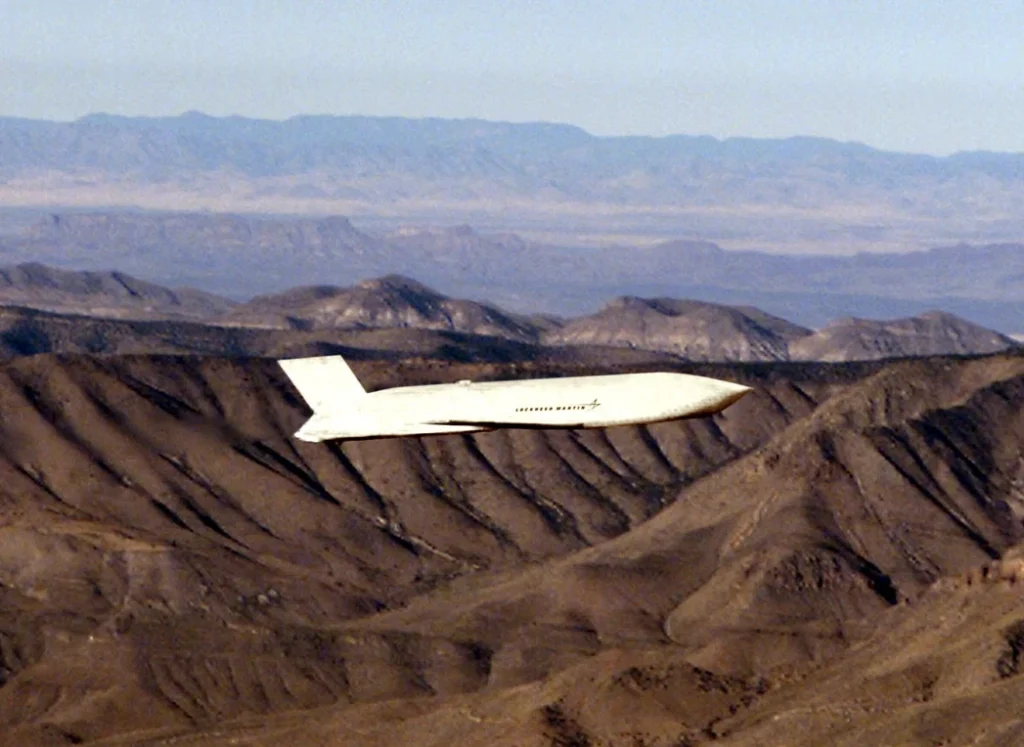
You might be wondering, how accurate is the JASSM missile? The answer: very. It uses a combination of inertial navigation, GPS guidance, and imaging infrared (IIR) sensors to locate and engage its target with a circular error probable (CEP) of just a few meters. That means it can reliably strike within a few feet of its aim point—even in contested environments where GPS signals may be jammed.
The original AGM-158A version entered service in the mid-2000s, but the missile has evolved dramatically since then. The improved JASSM-ER (Extended Range) variant more than doubles the missile’s reach, increasing the operational flexibility of strike aircraft. Some sources estimate the AGM-158 JASSM range to be over 370 km for the baseline model and up to 1,000 km for the ER version—though exact figures are often classified.
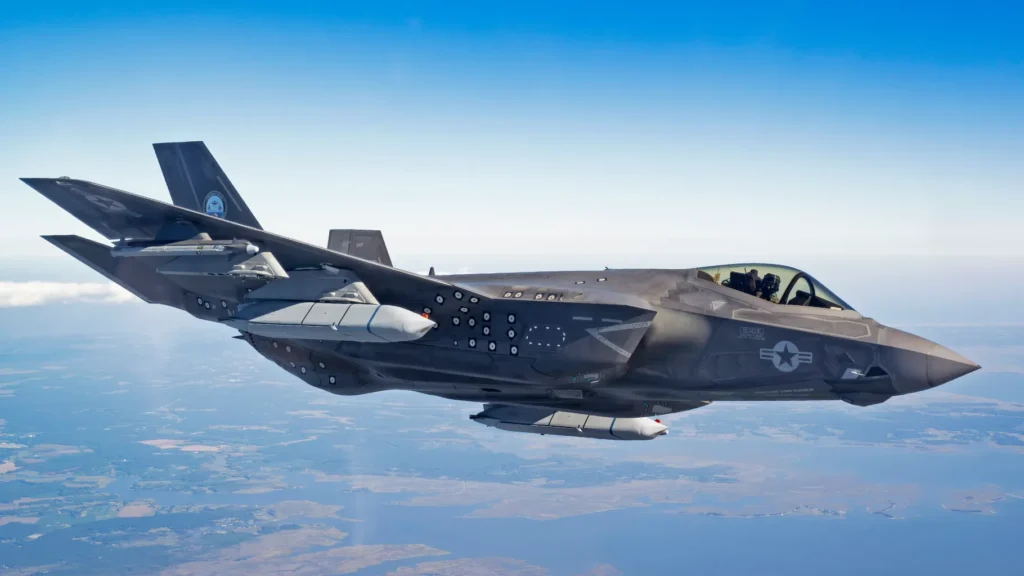
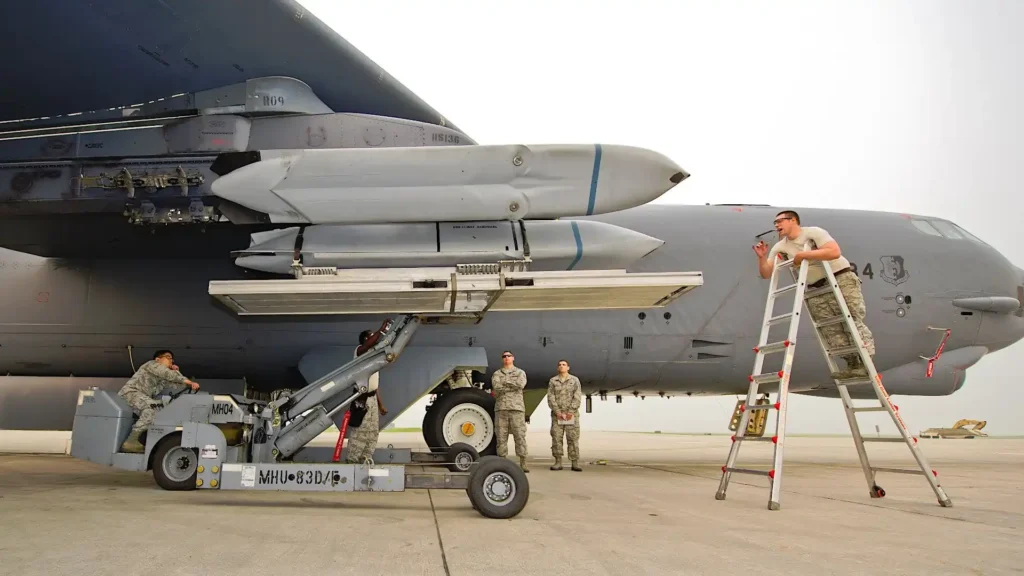
Today, the JASSM missile is integrated on several platforms, including the F-15E, F-16, B-1B Lancer, B-52 Stratofortress, and even the F-35, giving it a key role in both tactical and strategic missions. And thanks to its growing adoption by allied nations, it’s now playing a bigger role in global deterrence strategy.
In short, the AGM-158 JASSM is more than just another missile. It’s a critical tool for modern air forces looking to win the fight—before it even begins.
When it comes to combining stealth, range, and precision in one deadly package, the AGM-158 JASSM stands out among modern cruise missiles. Designed from the ground up to avoid detection and deliver devastating accuracy, the JASSM’s technical specs reflect its advanced engineering and battlefield versatility.
Let’s break down what’s under the hood.
So, what does all that mean for real-world use?
First, the combination of INS and GPS guidance, backed by a sophisticated infrared seeker, makes the JASSM missile incredibly accurate, even in GPS-denied environments. Its targeting system allows it to independently identify and strike its assigned target, reducing the need for external commands during flight.
The stealthy design—low observable materials, internal navigation, and a low thermal signature—helps the JASSM avoid early detection, increasing the chance it reaches high-value targets deep behind enemy lines.
As for the AGM-158 JASSM speed, while it’s not a supersonic missile, its subsonic velocity is offset by its stealth and ability to fly complex, low-level routes to avoid radar. The slow-and-silent approach works well for penetrating heavily defended airspace without warning.
When asked, how much does a JASSM missile cost?—the answer varies by variant and batch order. The JASSM-A reportedly costs around $430,000 to $500,000 per unit, while the more advanced JASSM-ER can exceed $1.2 million per missile, according to U.S. defense budget documents and open-source estimates.
All told, the AGM-158 cruise missile is engineered to give strike aircraft a lethal edge—blending reach, accuracy, and survivability in a single munition that’s reshaping modern air warfare.
The AGM-158 JASSM isn’t just a one-size-fits-all missile. Over time, the system has evolved into a family of highly specialized variants, each designed to meet different mission requirements—from deep land strikes to anti-ship warfare. Understanding the differences between these versions is key to grasping how versatile and adaptable this cruise missile truly is.
This is the baseline model, the original AGM-158 cruise missile that entered service in the early 2000s. It offers a range of approximately 370 kilometers (230 miles) and uses a 450 kg penetrator/blast-fragmentation warhead, capable of taking out fortified targets like bunkers and underground facilities.
Though now mostly used for training or low-threat environments, it laid the foundation for all future JASSM upgrades.
The AGM-158B JASSM-ER is a major leap forward in capability. It looks almost identical to the A-model externally but features a larger fuel tank and a more efficient Williams F107 engine, boosting its range to 1,000 kilometers (620+ miles) or more—without increasing its radar signature.
The JASSM-ER is now the standard for U.S. operations, particularly for long-range strike aircraft like the B-1B Lancer and F-15E. It’s a key tool in any air force seeking to strike deep without being detected.
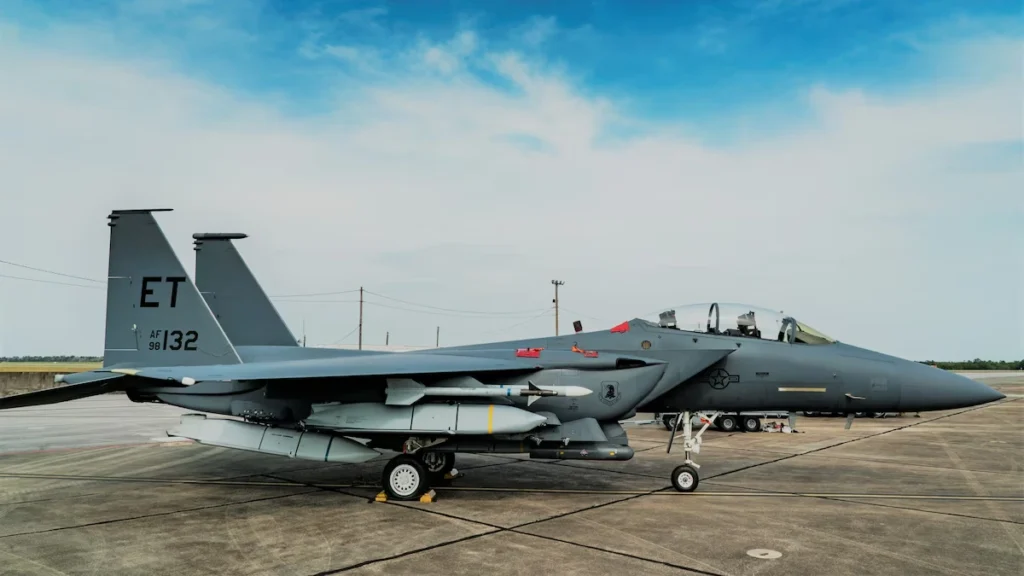
This upgraded version of the ER variant features improvements in survivability and target recognition, including advanced countermeasures and AI-based guidance enhancements. While details remain classified, it is reported to have an even longer range and is being integrated with fifth-generation platforms like the F-35 Lightning II.
Designed specifically for maritime warfare, the AGM-158C LRASM adapts the JASSM airframe for anti-ship roles. It includes enhanced sensors, sea-skimming flight profiles, and a powerful warhead to penetrate naval vessels. It can be launched from both aircraft and vertical launch systems aboard U.S. Navy ships, giving it multi-platform flexibility.
This variant is quickly becoming the go-to anti-ship missile for U.S. forces, especially in Pacific deterrence scenarios.
Still under development, the AGM-158D, often referred to as JASSM-XR (Extreme Range), could push strike capabilities to 1,800+ kilometers (1,100+ miles). It’s expected to support “arsenal aircraft” concepts and palletized munitions like the Rapid Dragon system, enabling large-scale, long-range missile salvos from cargo planes like the C-130 or C-17 Globemaster.
From the original AGM-158 JASSM to the cutting-edge JASSM-XR, this missile family is continuously evolving to meet the demands of modern warfare. Whether you’re talking range, precision, or mission-specific roles like maritime strike, there’s a JASSM variant designed to get the job done.
When analyzing the true battlefield value of the AGM-158 JASSM, one of the most talked-about features is its range and overall performance. In modern combat scenarios—especially those involving anti-access/area denial (A2/AD) environments—being able to strike from a distance is critical. That’s where the JASSM truly excels.
| Variant | Estimated Range | Role |
| AGM-158A | ~370 km (230 miles) | Baseline precision strike |
| AGM-158B (ER) | ~1,000 km (620+ miles) | Extended range standoff |
| AGM-158C (LRASM) | ~930 km (580 miles) | Anti-ship/sea control |
| AGM-158D (XR) | 1,800+ km (1,100+ miles) | Strategic long-range strike (in dev.) |
The jump from the JASSM-A to JASSM-ER more than doubles the missile’s standoff capability. That means a bomber like the B-1B can launch a strike from over 1,000 kilometers away—outside the coverage of most surface-to-air missile systems like the S-300 or S-400. It also allows fighter aircraft like the F-15E or F-35 to engage targets from international airspace.
And while JASSM missile speed stays subsonic—estimated around Mach 0.85 to 0.9—its stealthy profile, low radar cross-section, and terrain-following capabilities make interception extremely difficult. This is especially important when flying through areas protected by advanced integrated air defense systems (IADS).
Another standout trait is precision. If you’re asking, “How accurate is the JASSM missile?”—the answer is impressive. With a circular error probable (CEP) of around 3 meters, it’s designed to hit within a car-length of its intended target, even in contested GPS environments. That level of accuracy makes it ideal for surgical strikes against hardened command bunkers or high-value mobile targets.
In side-by-side comparisons with other air-launched weapons—like the Storm Shadow, SCALP, or Tomahawk—the AGM-158 JASSM often comes out ahead in range, survivability, and sensor fusion. While those missiles are formidable, JASSM’s evolutionary family of variants and stealth profile give it the edge in flexibility.
While the AGM-158 JASSM is built for war, its most important value often lies in deterrence. By giving air forces the power to destroy strategic targets from hundreds—if not thousands—of kilometers away, the JASSM missile forces adversaries to think twice before escalating.
The first known combat use of the JASSM came in April 2018, during a joint U.S., British, and French operation against Syrian government chemical weapons facilities. In that strike, two B-1B bombers launched 19 JASSM-ER missiles against a key research and storage site near Damascus. All targets were reportedly hit with high accuracy, demonstrating the weapon’s capability in a complex, real-world scenario.
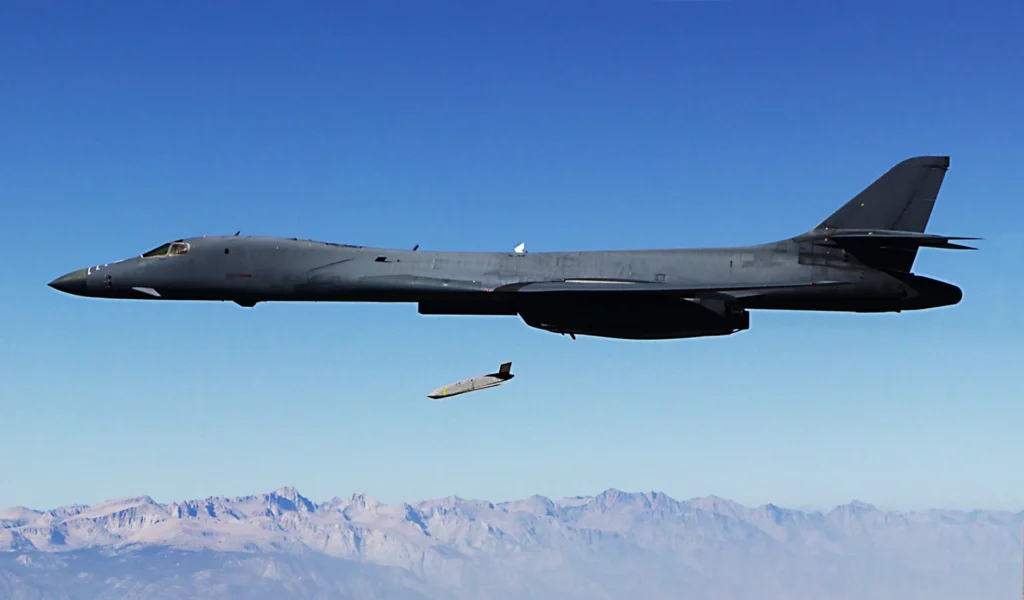
That operation marked a turning point—not only was it a show of force, but it also confirmed that JASSM could perform as intended in hostile environments. Its stealth characteristics allowed it to penetrate Syria’s Russian-supplied air defenses, which include S-200 and S-300 systems.
The AGM-158 JASSM is also used in a strategic role without ever being fired. For example, during tense military exercises or bomber patrols in the Indo-Pacific or Baltic regions, U.S. aircraft often carry JASSM-ERs as part of the mission loadout. That presence alone sends a powerful message—any aggression could be met with a pinpoint strike before defenders even see the launch aircraft.
In 2023 and 2024, the U.S. also increased the visibility of its Rapid Dragon palletized missile system, which uses the JASSM as its core weapon. The ability to launch dozens of long-range missiles from a cargo plane adds a new layer of unpredictability, changing how adversaries plan their defenses.
Though not yet confirmed, there has been ongoing speculation and diplomatic discussion about supplying JASSM missiles to Ukraine. Analysts argue that the missile’s ability to strike command posts, supply depots, and air defense nodes far behind Russian lines could be a major advantage in breaking the stalemate on the battlefield. While nothing has been publicly delivered as of mid-2025, the conversation around it speaks volumes about how highly the system is valued.
The AGM-158 JASSM is a powerful standoff missile, but it’s not the only player in the field. Several countries use their own long-range cruise missiles for deep strike missions, and it’s worth looking at how JASSM stacks up against them.
One of the closest Western counterparts is the Storm Shadow—also known as SCALP-EG in French service. Developed by MBDA, it’s a stealthy, air-launched missile with similar guidance systems, including GPS, inertial navigation, and an imaging infrared seeker.
However, its range—usually estimated between 250 and 560 kilometers—is significantly shorter than the JASSM-ER, which easily exceeds 1,000 kilometers. That alone gives JASSM a serious advantage in any long-range mission, especially in high-threat areas like the Indo-Pacific or Eastern Europe. Stealth capabilities are similar in concept, but the JASSM missile’s radar cross-section is generally believed to be smaller, giving it a better chance of slipping through layered defenses.
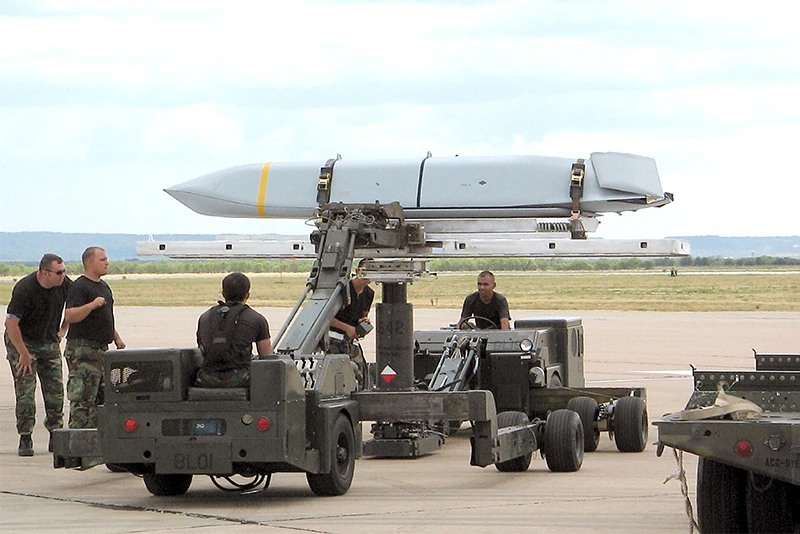
The Tomahawk cruise missile also comes up often in these comparisons. It boasts a long range—well over 1,600 kilometers—and has been used in numerous conflicts since the 1990s. But Tomahawk is primarily sea-launched from ships and submarines, which makes it highly effective in naval campaigns but less flexible than the air-launched JASSM.
When airpower is the preferred delivery method, JASSM offers faster deployment, platform variety, and greater strategic mobility. Additionally, JASSM’s smaller size, stealth shaping, and ability to launch from fighters like the F-15E and F-35 make it more adaptable to modern tactical operations.
When it comes to choosing between these systems, it often depends on the mission profile and platform availability. But from a capability perspective, the AGM-158 cruise missile stands out due to its range, stealth, targeting precision, and ongoing upgrade path. It’s not just keeping pace with competitors—it’s setting the benchmark for what a next-generation standoff missile should be.
The AGM-158 JASSM represents a leap forward in long-range precision strike capability. With its stealthy design, flexible deployment options, and continuously evolving variants, it offers armed forces a critical edge in modern warfare. Whether deployed from strategic bombers like the B-52 or tactical fighters like the F-15E and F-35, the JASSM missile delivers reliable accuracy and survivability in high-threat environments—without requiring pilots to fly into harm’s way.
As adversaries invest in anti-access/area denial (A2/AD) systems, weapons like the AGM-158 cruise missile become even more essential. Its extended range, especially in the JASSM-ER and upcoming JASSM-XR, allows forces to strike deep behind enemy lines while staying safely outside contested airspace. Meanwhile, its integration with modern platforms and emerging delivery concepts like Rapid Dragon keeps it ahead of the curve.
From its growing global adoption to its role in strategic deterrence, the AGM-158 JASSM is more than just a missile—it’s a force multiplier. Whether you’re analyzing missile range, cost, or technological sophistication, JASSM consistently proves its value. As future upgrades roll out, expect it to remain a backbone of Western airpower for decades to come.