Follow Us:
Follow Us:

In July 2025, a pair of U.S. Air Force C-17 Globemaster III aircraft were spotted landing in Eastern Europe, their cargo bays filled with mobile radar systems and armored vehicles, barely 48 hours after NATO raised its alert status due to sudden Russian troop movements near the Baltic border.
Just a month earlier, the same aircraft were conducting humanitarian evacuations in Sudan, delivering aid in one flight and extracting civilians in the next.
This kind of versatility may not grab headlines, but it should. Because when we talk about power projection, rapid response, or even global deterrence, the conversation often drifts to fighters, bombers, or nuclear submarines. Yet behind the scenes, it’s often the C-17 transport plane that makes these operations possible.
Despite entering service in the 1990s, the Boeing C-17 Globemaster III has only become more strategically relevant in today’s unpredictable, multi-theater operational environment. With aging B-52s still flying and stealth fighters grabbing attention, the C-17 has evolved into one of the most indispensable platforms in the U.S. military and perhaps the most underappreciated.
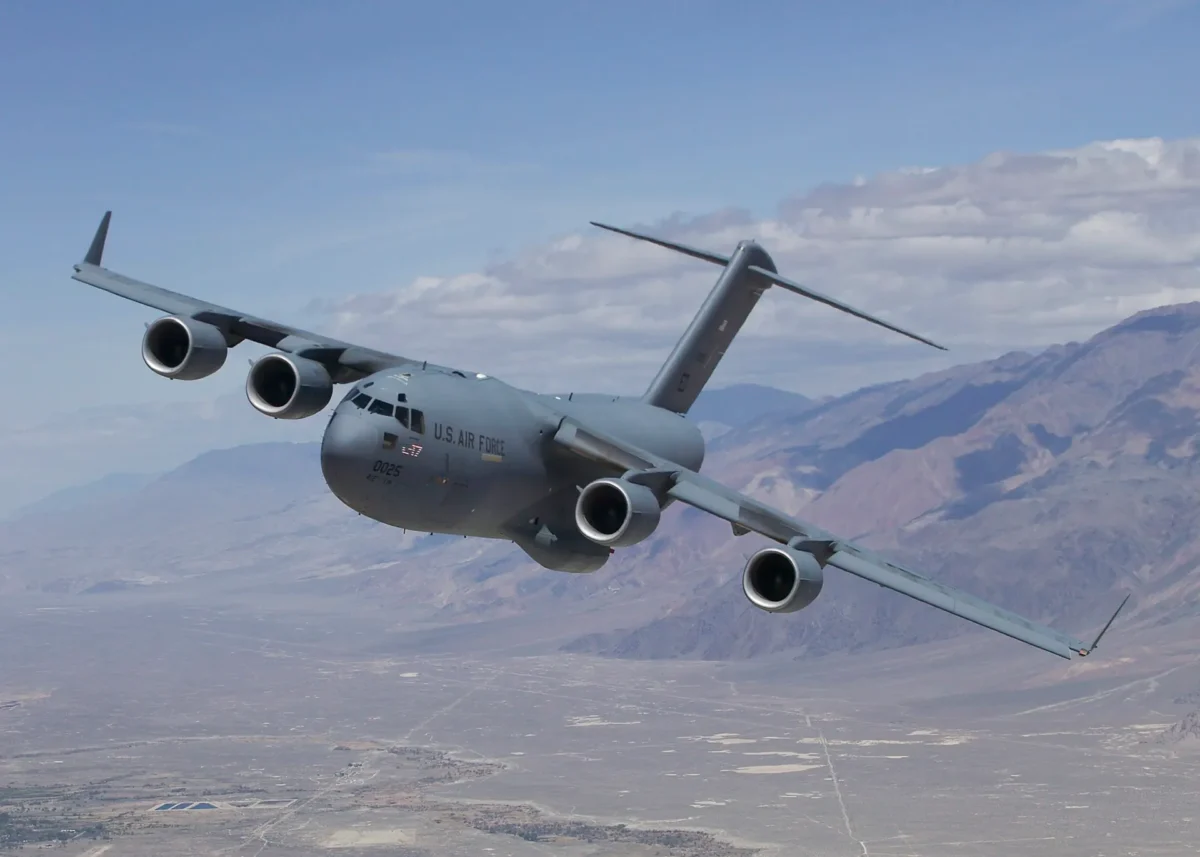
But what exactly makes the C-17 aircraft so crucial in 2025? Is it the payload capacity, the STOL performance, or its ability to operate in austere environments where even smaller aircraft hesitate to land? And how does its design, engine configuration, and modular cargo handling enable such unmatched logistical agility?
In this post, we’ll break down the C-17 Globemaster III’s capabilities, mission profiles, and enduring value in modern conflict and crisis response. We’ll also explore how a plane originally built for Cold War logistics has adapted to the complex demands of hybrid warfare, near-peer competition, and non-combatant evacuation operations (NEOs).
When the Cold War was winding down in the 1980s, the U.S. Air Force faced a growing challenge: how to move heavy military equipment quickly across continents, not just to established bases with long runways, but also into remote or damaged airfields during crises.
At the time, older cargo aircraft like the C-141 Starlifter and the C-130 Hercules had clear limitations. The former lacked modern efficiency and payload capacity, while the latter was more tactical than strategic in nature.
This logistical gap is what gave birth to the C-17 Globemaster III. This large military transport aircraft was designed by Boeing (originally by McDonnell Douglas before the companies merged).
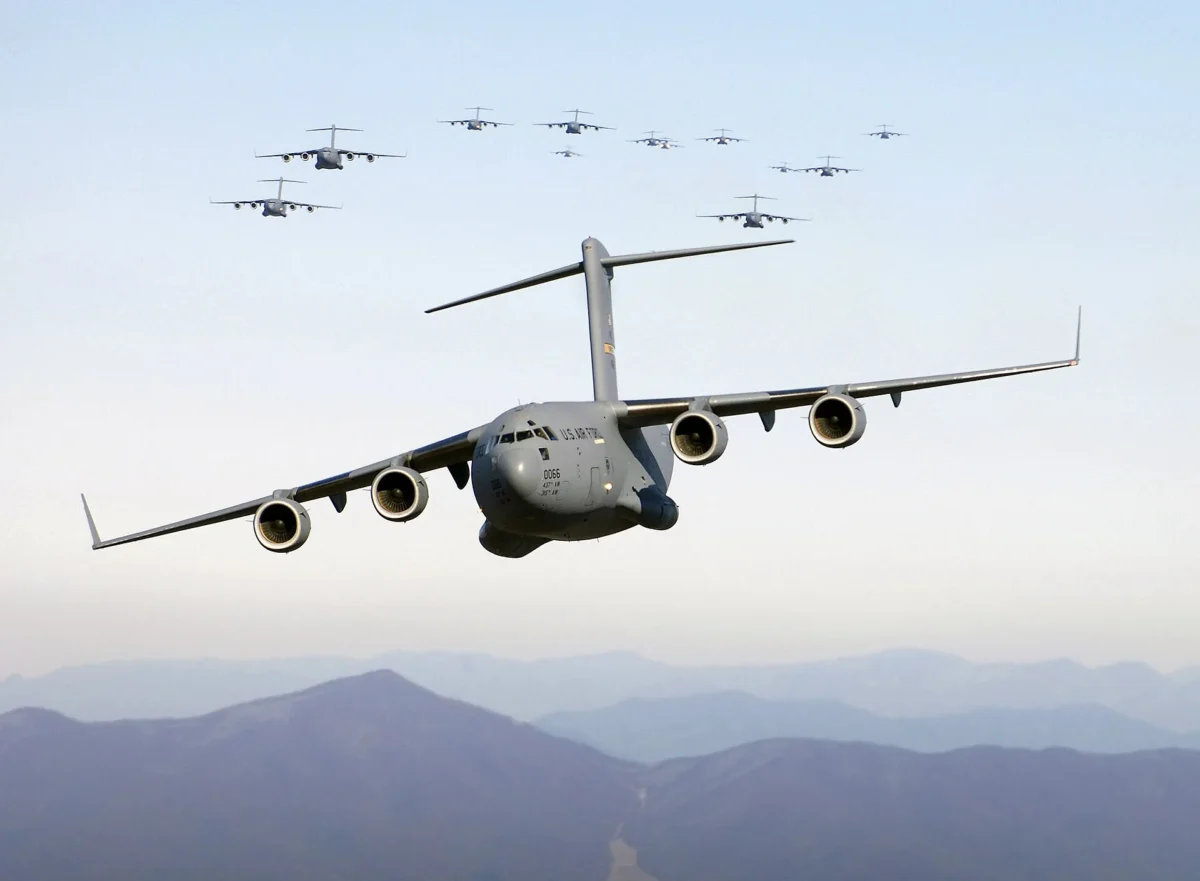
The program was approved in the 1980s, but it wasn’t until the early 1990s that the first C-17 aircraft took flight. By the time it reached full operational capability, the world had shifted. No longer focused on a single Cold War adversary, the U.S. military needed rapid global mobility more than ever.
What made the C-17 transport plane stand out from the start was its ability to blend strategic range with tactical flexibility. It’s widely regarded as a kind of “hybrid” airlifter, capable of flying intercontinental missions but also landing on short, rough runways close to the front lines.
This is where its STOL (Short Takeoff and Landing) capability really comes into play. While many large aircraft need long, paved runways, the C-17 Globemaster III can land on dirt, gravel, or narrow airstrips.
Another standout feature is its payload capacity. The C-17 can carry up to 77.5 tons of cargo, enough for a main battle tank, multiple helicopters, or hundreds of troops and supplies. Yet, it can still take off and land on runways as short as 3,500 feet under certain conditions, thanks to its advanced engine thrust reversers and high-lift wing design.
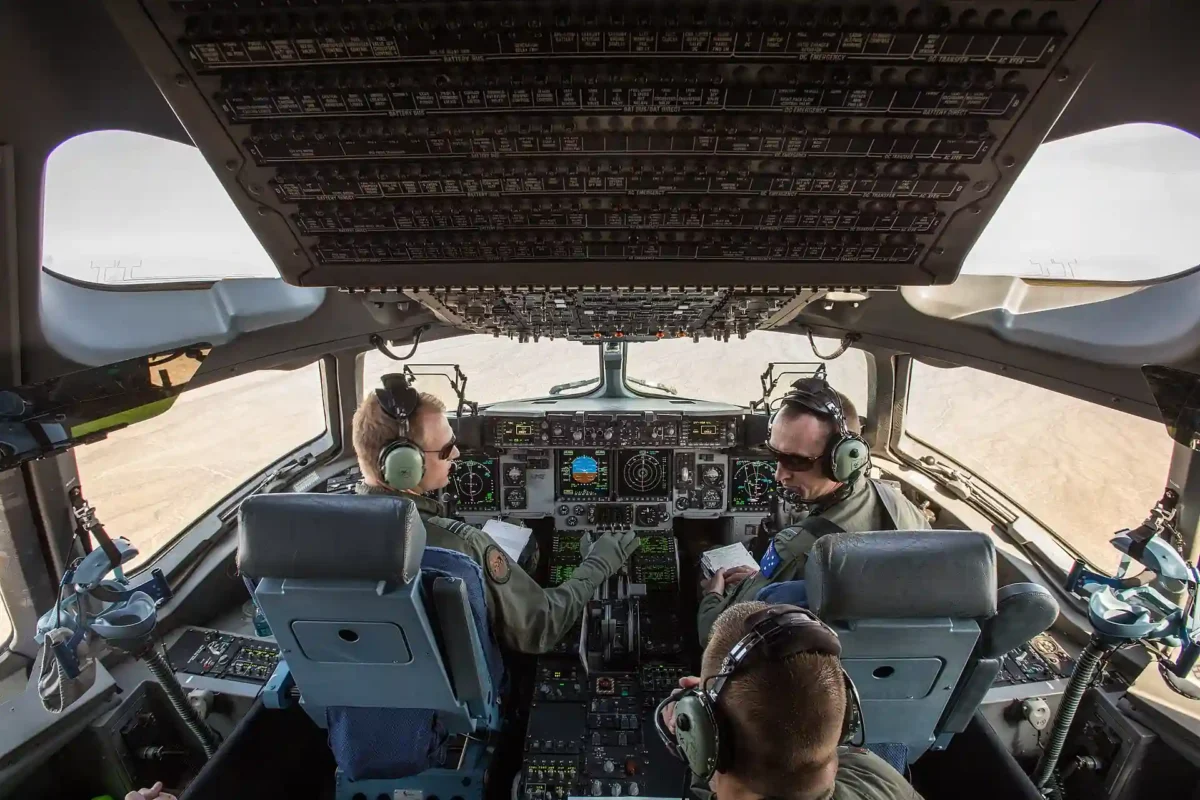
The C-17 cockpit is also a product of its era: fully digital, fly-by-wire, and designed for a smaller crew, just three people (pilot, co-pilot, and loadmaster). This was a big leap forward in terms of efficiency and automation compared to its predecessors.
The C-17 Globemaster III was never meant to be just another cargo hauler. From the start, its design aimed to bridge a crucial gap in U.S. airlift capability: offering both strategic reach across continents and tactical flexibility at the front lines. Few aircraft can operate effectively at both ends of that spectrum, but the C-17 comes remarkably close.
At its core, the C-17’s ability to carry up to 77.5 tons of cargo makes it a true heavyweight in the realm of military transport aircraft. That’s enough to load an M1 Abrams tank, multiple armored vehicles, or large pallets of humanitarian aid. Combined with a range of approximately 4,500 kilometers (without refueling), it allows the aircraft to fly directly from the U.S. to major theaters of operation.
This mix of high payload and long range gives the C-17 its strategic airlift edge. It can move essential assets across the globe quickly, often within 24 to 48 hours.
In practice, this means the U.S. or allied forces can reinforce forward bases, deliver relief after natural disasters, or deploy rapid-response units without relying heavily on pre-positioned equipment. That said, while the C-5 Galaxy still outperforms the C-17 in raw payload capacity (nearly 140 tons), the C-17 arguably offers a better balance of speed, versatility, and access to more types of airfields.
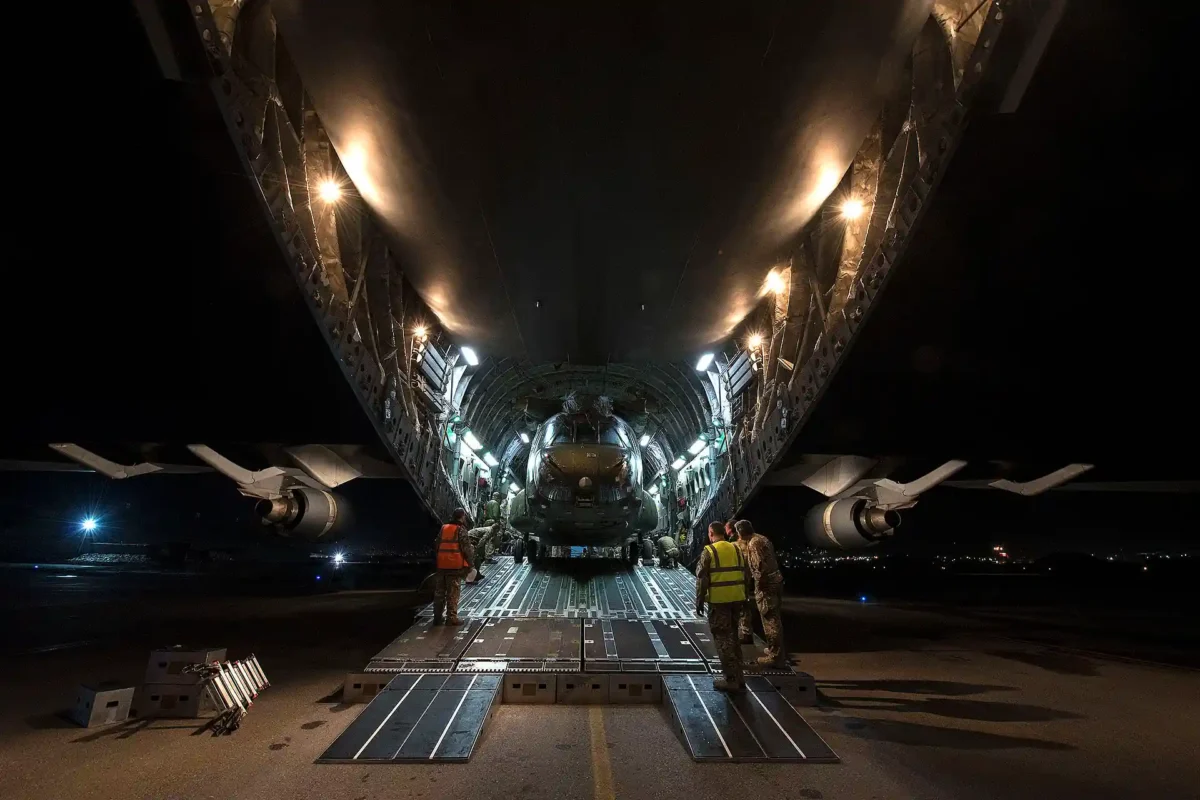
Where the C-17 really begins to blur the line between strategic and tactical roles is in its STOL (Short Takeoff and Landing) capability. Under the right conditions, it can land on runways as short as 3,500 feet, including dirt or gravel strips. This is what makes it viable for austere or forward-deployed environments.
To put that in perspective: imagine delivering a fully loaded C-17 into a remote, mountainous area for special operations, or flying into a hastily cleared runway during a disaster relief operation. These are situations where a larger aircraft like the C-5 Galaxy likely wouldn’t be able to land, and a smaller plane like the C-130 Hercules might need multiple trips to carry the same load.
Read also: C-5 Galaxy vs C-17 Globemaster: What Sets These Giants Apart?
Let’s think of the C-130 Hercules as a reliable tactical lifter and the C-5 Galaxy as a long-range strategic powerhouse. The C-17 Globemaster III effectively fills the middle ground and in some scenarios, outperforms both.
The C-130 has long been known as a rugged, reliable tactical lifter, ideal for short-haul missions, airdrops, and operations in rough environments. On the other hand, the C-5 is a true strategic airlift giant, capable of transporting enormous payloads across intercontinental distances. But each comes with trade-offs, and this is where the C-17 often proves itself as the more balanced and versatile option.
Read also: Inside Lockheed C-5 Galaxy: Size, Payload, and Capabilities
When compared to the C-130, the C-17 offers a dramatic increase in capability. It can carry three to four times more cargo and fly much farther without needing to refuel.
Yet, despite its much larger size, the C-17 retains short takeoff and landing (STOL) performance similar to the Hercules, meaning it can operate from short, semi-prepared runways. This combination of tactical access and strategic range is rare, and it’s part of what makes the C-17 so valuable in both combat and non-combat missions.
Against the C-5 Galaxy, the C-17 might seem outmatched in sheer payload numbers, the C-5 can carry more weight overall. However, the C-17 is often seen as more operationally flexible. It can land at airfields that the C-5 simply can’t use due to its longer runway requirements.
While the C-17 Globemaster III looks impressive on paper, with its STOL capabilities, heavy payload, and global range, it’s in real-world operations where its true value becomes most apparent.
Over the past two decades, the C-17 has played a central role in some of the most demanding military and humanitarian missions around the world.
Read also: Airbus A400M Atlas: How This Plane Redefines Military Airlift
During the height of operations in Afghanistan and Iraq, the C-17 was essential for maintaining supply lines to U.S. and coalition forces. These were not typical supply routes; many missions required landing on short, dusty airstrips in remote areas with little to no infrastructure.
In these scenarios, the aircraft’s STOL performance allowed it to deliver armored vehicles, ammunition, medical supplies, and even fuel directly into forward operating bases, often without the need for extensive ground logistics.
While other aircraft like the C-130 also supported these missions, the C-17’s larger payload capacity meant fewer flights were needed, reducing risk and increasing efficiency.

Outside of combat zones, the C-17 transport plane has been a key asset in global humanitarian missions. After the devastating 2004 Indian Ocean tsunami, C-17s were among the first aircraft delivering aid to Indonesia and Sri Lanka, where airfields were damaged and access by road was nearly impossible.
Similarly, during the 2010 Haiti earthquake, the C-17 was used extensively to move food, water, and medical teams into Port-au-Prince, often operating in high-tempo conditions with limited runway availability. In these kinds of crises, speed and volume are everything and the C-17 has shown time and again that it can provide both.
Perhaps more surprisingly, the C-17 has also been quietly effective in special operations and combat logistics. While it’s not a stealth aircraft or built for covert missions, its ability to operate under difficult conditions makes it useful in supporting elite units in the field.
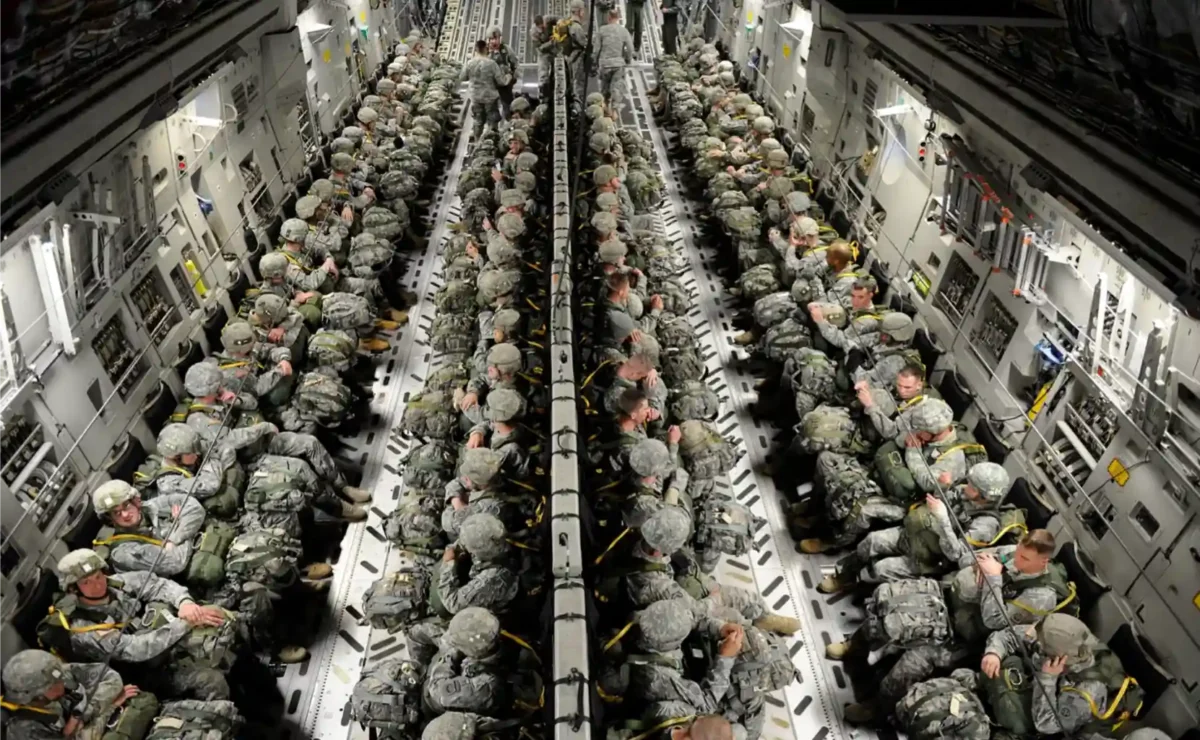
For example, in operations where speed, flexibility, and payload matter more than discretion, the C-17 has reportedly been used to insert quick-reaction forces, deliver light vehicles, or even recover equipment and personnel from dangerous zones.
In this context, it serves as a force multiplier, not just moving cargo, but enabling missions that might otherwise be impossible to support at scale. All of this suggests that the C-17’s dominance is about how well its capabilities come together under pressure.
As global threats become more dynamic and less predictable, operational speed and flexibility have become essential components of modern military effectiveness. That’s one reason why the C-17 Globemaster III continues to hold such a vital role in military planning.
While some newer technologies may promise greater speed or stealth, few platforms currently match the C-17’s versatility across a wide range of missions. It’s not just about how much it can carry, it’s more about where, when, and how it can deliver.
One of the most defining strengths of the C-17 aircraft is its ability to adapt to vastly different theaters of operation. From icy runways in the Arctic to high-altitude strips in Central Asia, the C-17 has proven capable of operating where many other large aircraft simply cannot.
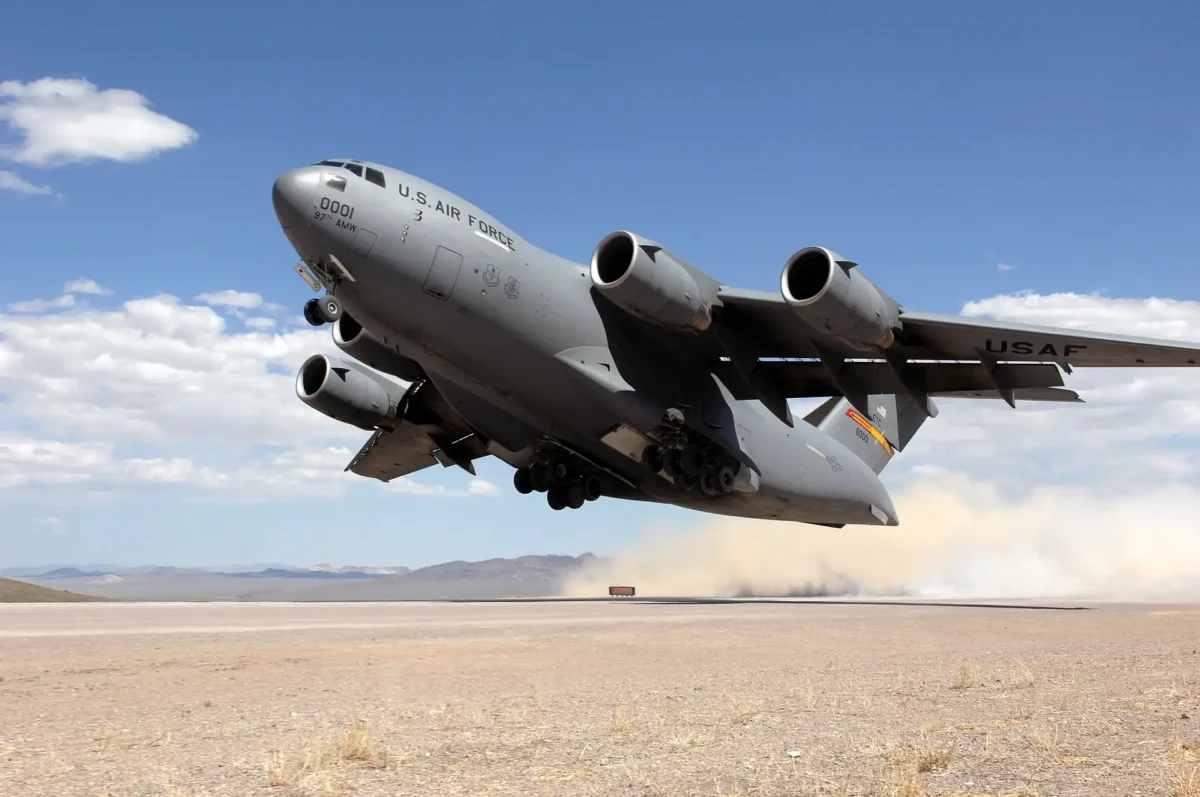
In recent NATO exercises, for example, C-17s were observed landing on short, unpaved runways during simulated crisis deployments. This demonstrates how its STOL performance allows it to insert forces into forward areas with little warning. This kind of tactical access, combined with the range and payload needed for strategic airlift, is difficult to replicate in a single aircraft.
Another key factor is interoperability. The C-17 isn’t just used by the U.S. military; it also serves in the air forces of countries like the UK, Australia, Canada, India, and Qatar. This shared platform makes joint operations and multinational missions significantly smoother.
In recent humanitarian airlifts and joint logistics operations, such as those in Ukraine and the Indo-Pacific, C-17 fleets from multiple nations have coordinated to deliver supplies, troops, and equipment. Because of its standardized design and training protocols, the C-17 Globemaster allows for greater alignment across allied forces, reducing redundancy and increasing operational efficiency.
Perhaps most importantly, the C-17 plays a critical role in rapid deployment. When crises erupt, whether natural disasters, political instability, or near-peer conflicts, the first few hours are often the most critical.
According to U.S. Air Mobility Command, the C-17 is capable of delivering an entire brigade’s worth of equipment in a matter of days, supporting forces like the 82nd Airborne Division or special operations teams who are expected to deploy within hours. Its onboard loading system, minimal crew requirements, and quick turnaround times mean it can launch and sustain missions faster than most other heavy-lift aircraft.
In that sense, the C-17 transport plane may not be flashy, but it’s deeply embedded in nearly every major military contingency plan—from combat logistics to non-combatant evacuation operations (NEOs). Even if its individual features might be matched or exceeded by specialized aircraft, the total package—strategic reach, tactical flexibility, interoperability, and reliability—makes it extraordinarily difficult to replace.
For now, and likely for years to come, the Boeing C-17 Globemaster III remains the backbone of air mobility—not because it’s the newest, but because it continues to deliver where and when it counts.