Follow Us:
Follow Us:


Defense Feeds, Kyiv – On December 9, 2025, President Volodymyr Zelensky revealed that Ukrainian troops are now launching the homegrown Sapsan operational-tactical ballistic missile. This marks a big shift as Kyiv builds its own long-range strike power and cuts dependence on outside help.
Zelensky shared the news during a press event in Kyiv. He said Sapsan is in active use right alongside other key weapons like Neptun cruise missiles, upgraded Neptun variants, Palianytsia platforms and the fresh Flamingo strikers.
No more hiding in the shadows, this domestic missile program is out in the open and hitting targets deep in enemy territory.
For years experts watched Sapsan development drag on and off. The Pivdenne design team led the charge with Pivdenmash handling production. It draws from Ukraine’s old Soviet missile roots plus early funding tied to export dreams, think Saudi buyers eyeing a toned-down version.
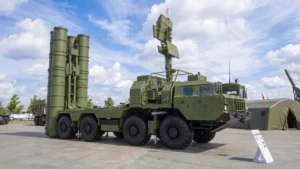
Picture this: a road-mobile beast with a single-stage solid-fuel rocket. It rides on a wheeled truck that hauls two missiles, fires them fast then scoots away to dodge counterattacks. Export specs peg the range at 280 to 300 kilometers with a hefty 480-kilogram warhead. That’s right at the edge of global export rules like the Missile Technology Control Regime.
But for Ukraine’s own arsenal, the real story is bigger. Analysts peg the home version at 400 to 500 kilometers. Officials even hinted at a combat hit near 300 kilometers earlier this year. Full power stays under wraps to keep Russia guessing. This Ukraine ballistic missile fills a sweet spot, faster than cruise options with enough punch for tough operational targets.
Zelensky played it smart with reporters. He confirmed “we’ve started using it” but zipped his lips on numbers of missiles or launchers. Why tip off the adversary? It’s a classic move to build deterrence without handing over blueprints for defense plans.
Stack Sapsan against what Ukraine had before and it shines. The old Tochka-U topped out at 120 kilometers—fine for close fights but useless against far-off Russian airfields or supply dumps. US-made ATACMS helped from 165 kilometers with cluster loads up to 300 kilometers for newer solid warheads.
Cruise missiles steal the show for distance though. Long-range Neptune has nailed spots 1,000 kilometers out. Flamingo pushes toward 3,000 kilometers but carries lighter loads and takes longer to arrive. Sapsan slots in perfectly as a quick high-payload ballistic option for mid-depth strikes where rockets fall short and super-long cruises feel like overkill.
Geography tells the tale. From central or northern launch sites a 400-500 kilometer reach threatens Russian bases in Bryansk, Kursk and Belgorod. Rail hubs and command posts near Smolensk or Voronezh? In the crosshairs too. Russian media hype even floats 750 kilometers, enough for Moscow’s outskirts, but no proof Ukraine’s there yet.
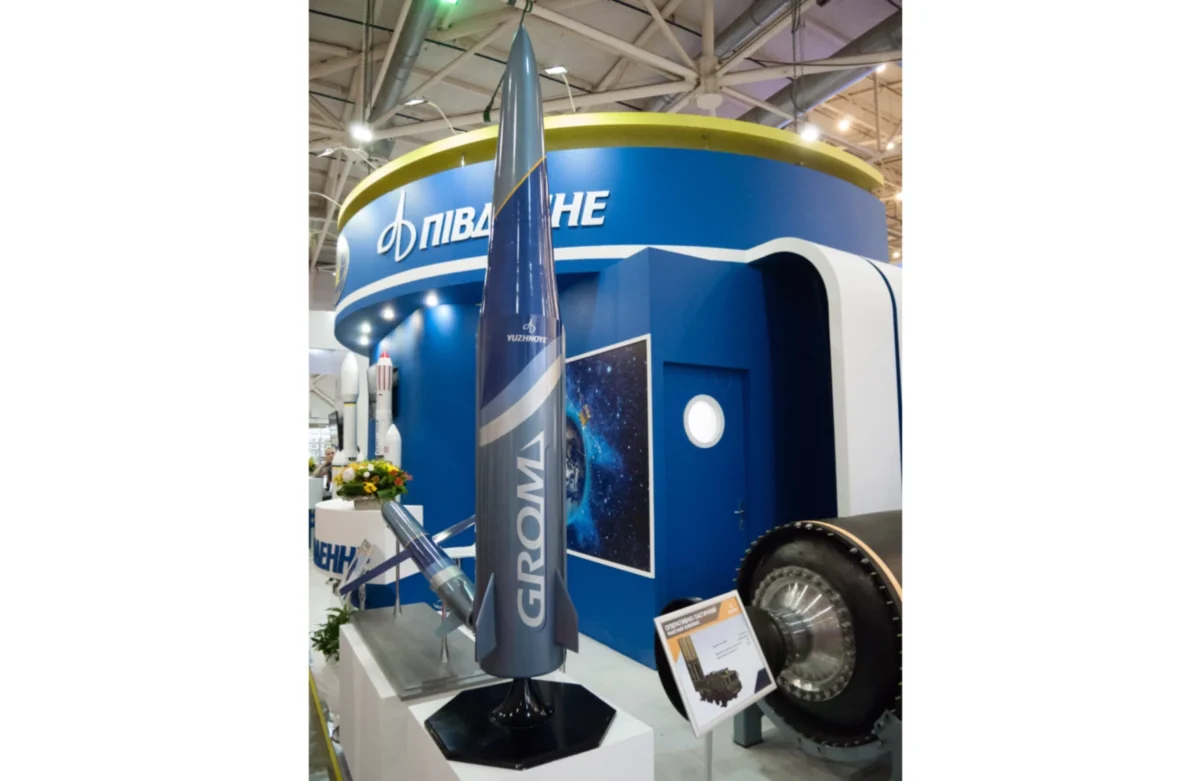
What sets Sapsan apart is speed and path. Its high arc and velocity slash warning times versus slower Neptune flies. Russian air defenses scramble harder forcing them to spread high-tech gear thin across rear bases. Plus it’s all Ukrainian, no foreign strings attached. No more begging for ATACMS amid political debates or red-line shifts.
Russia tried to kneecap this. Just months back their intel and military boasted of smashing Sapsan sites in Sumy and Dnipropetrovsk. They flashed maps showing strikes blanketing Belarus, Smolensk and Moscow zones. Pundits called it a 750-kilometer medium-range menace.
Yet here we are, Zelensky confirms combat use. That screams either failed raids or smart Ukrainian moves like spreading factories and bunkering them deep. It ramps pressure on Russia’s defense industry hunts too. Moscow now paints Western tech aid as war meddling.
Layer it with Neptune, Flamingo and drones and Ukraine crafts killer mixed attacks. Ballistics and cruises hit from all angles at once overwhelming radars. Sapsan could anchor army-level ops bridging short rockets and strategic flyers.
Zelensky’s words pack a punch. Ukraine’s strike setup evolves from borrowed gear to a homebuilt stack. Under bombs, sanctions and squeeze Kyiv forges weapons to menace Russian heartland assets.
How many Sapsans lurk in the field? That’s the riddle keeping foes up at night. As a military analyst this debut yells self-reliance in the Russia Ukraine war—and a headache for deep-strike defenses.