Follow Us:
Follow Us:

In an era where long-range missile threats are escalating across volatile regions, few defense systems have captured global attention quite like the Arrow 3 missile defense system. This cutting-edge technology, a result of collaboration between Israel Aerospace Industries (IAI) and Boeing, offers more than just national security for Israel—it represents a leap into the future of space-based missile interception. As hypersonic and ballistic missile capabilities spread among adversarial states, the need for an exo-atmospheric shield like the Arrow 3 air defence system has never been more urgent or more relevant.
What sets the Arrow 3 defense system apart is its ability to engage and destroy enemy projectiles far beyond Earth’s atmosphere—literally in space—before they pose a threat to civilian or military infrastructure. Unlike conventional interceptors that rely on explosive warheads within the atmosphere, the Arrow 3 missile system employs a “hit-to-kill” approach using sheer kinetic force to obliterate its target. This method minimizes fallout risks and ensures that even nuclear, chemical, or biological threats are neutralized at a safe distance. For Israel, whose geopolitical position demands constant vigilance, this capability is not just advantageous—it is essential.

Beyond protecting Israeli skies, the Arrow 3 Israel missile system has stirred international interest, with countries like Germany investing billions in this breakthrough technology. The Israel Arrow 3 missile defense system is no longer just a national asset—it’s shaping the global conversation on how advanced nations will defend against the next generation of missile threats.
The origins of the Arrow 3 missile system trace back to the early 2000s when Israel recognized the urgent need for a next-generation interceptor that could outperform the existing Arrow 2 in both range and altitude. As ballistic missile threats became more advanced—particularly from Iran’s evolving arsenal—Israel, with strong backing from the United States, initiated plans for a system capable of defending against long-range threats outside the Earth’s atmosphere. The result was the birth of the Arrow 3 defense system, a joint development between Israel Aerospace Industries (IAI) and the American aerospace giant Boeing.
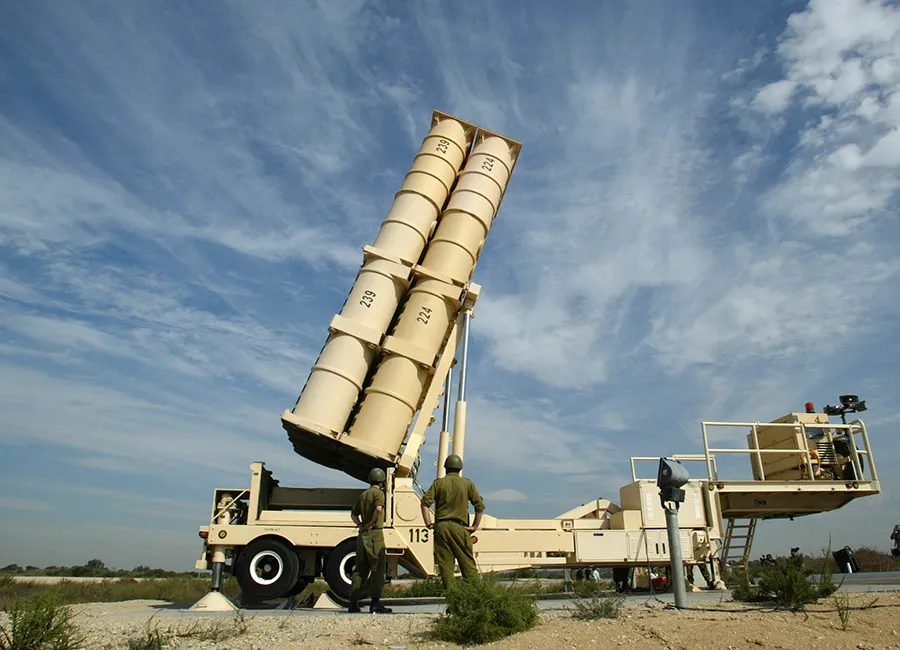
The journey from concept to operational capability was both complex and methodical. A formal design agreement was signed in 2008, followed by years of rigorous testing. The first successful fly-out of the Arrow 3 missile took place in February 2013, marking a major milestone in its development. It wasn’t until December 2015, however, that the system achieved a full intercept over the Mediterranean Sea—successfully destroying a target missile in space.
Read also: How Israel’s Multi-Layered Air Defense Systems Work
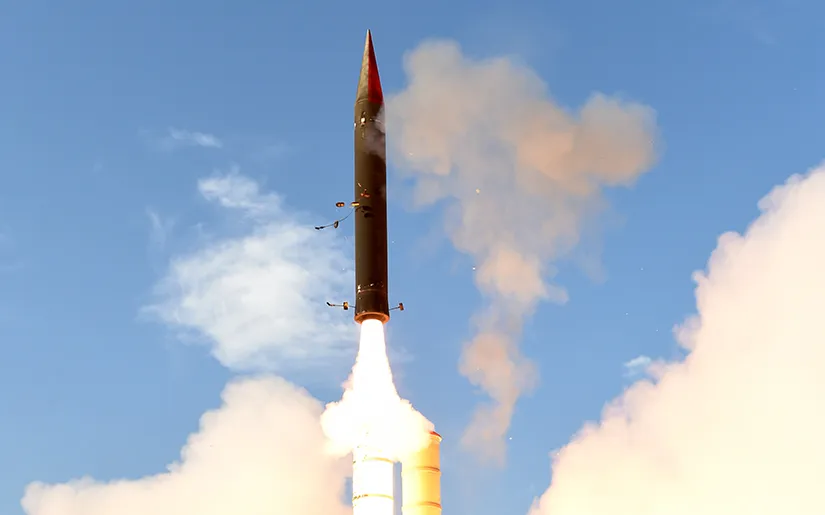
This test validated the system’s “hit-to-kill” kinetic interception method, a major leap from previous missile technologies that depended on explosive warheads. Subsequent tests, including high-profile trials in Alaska in 2019, further solidified the Arrow 3 air defence system’s reliability in diverse operational environments.
By January 2017, the Israel Arrow 3 missile system was officially declared operational and became fully integrated into the Israeli Air Force’s layered missile defense architecture. Positioned as the uppermost tier in Israel’s multi-layered strategy—which includes Iron Dome for short-range threats, David’s Sling for medium-range projectiles, and Arrow 2 for high-altitude targets—the Arrow 3 missile defense system was engineered to confront the most dangerous threats, including potential intercontinental ballistic missiles (ICBMs). It represented not just a national defense milestone but a strategic deterrent that continues to redefine airspace security in the Middle East and beyond.
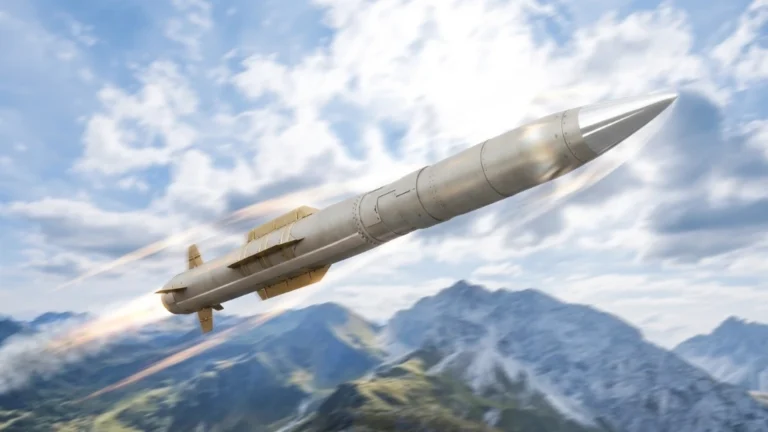
The Arrow 3 missile defense system is not only a technological marvel but also a prime example of military engineering designed to meet the evolving demands of modern warfare. At its core, the Arrow 3 missile system consists of a two-stage, solid-fuel rocket that achieves hypersonic speeds, allowing it to intercept targets far outside the Earth’s atmosphere. With an estimated operational ceiling exceeding 100 kilometers and an effective range of up to 2,400 kilometers, the Arrow 3 missile range far surpasses its predecessor, the Arrow 2, and positions itself as one of the most capable exo-atmospheric interceptors in the world.
Read also: Fattah-1 Missile: Iran’s Answer to Israeli Missile Defense Systems
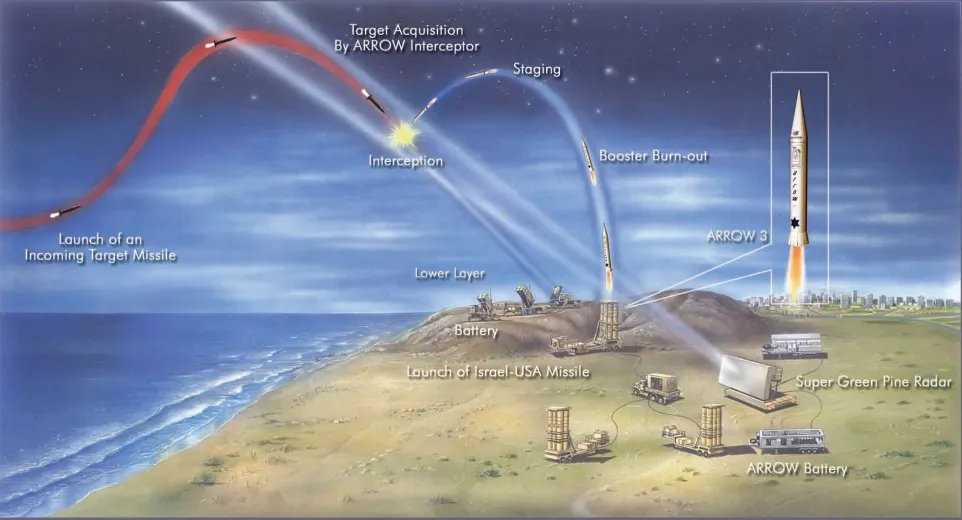
One of the standout features of the Arrow 3 system is its ability to perform “hit-to-kill” interceptions, where the missile physically collides with its target rather than relying on proximity explosives. This method is designed to neutralize the most dangerous ballistic threats, including nuclear or chemical warheads, before they can enter the atmosphere and endanger populated areas. The Arrow 3 missile’s speed and maneuverability are aided by onboard electro-optical sensors and pivoting thrusters that allow mid-course corrections, ensuring precise targeting even in the vacuum of space.
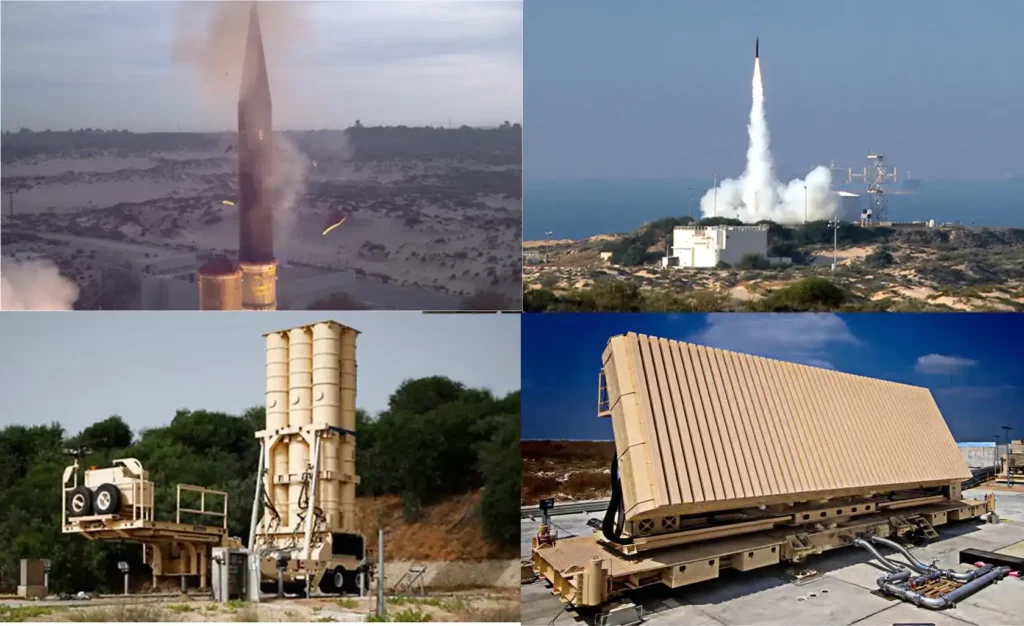
The system’s versatility is further enhanced by its integration with multiple radar and detection technologies. It interfaces seamlessly with the Green Pine radar, the American AN/TPY-2 radar, and other components of Israel’s Arrow missile system architecture to provide early threat detection and rapid response. Mobile launch units housing six missiles each allow for flexible deployment across various strategic locations.
Since its induction into service in January 2017, the Arrow 3 missile defense system has become a vital pillar of Israel’s national security strategy. Positioned as the uppermost layer of the country’s missile shield, it is tasked with intercepting and destroying the most dangerous ballistic missiles at distances and altitudes far beyond the reach of conventional air defense systems. The importance of the Arrow 3 system became evident during multiple real-world operations, proving its capabilities not only in controlled test environments but also in live combat scenarios.

One of the first major operational successes of the Israel Arrow 3 missile defense system was recorded in November 2023, when the system successfully intercepted a ballistic missile launched by Houthi forces from Yemen. This marked the first time the Arrow 3 missile system was used in an actual combat situation, showcasing its ability to neutralize a high-speed threat outside the Earth’s atmosphere before it posed any danger to Israeli territory.
Another significant event took place in April 2024 during Iran’s massive missile barrage against Israel, where the Arrow missile defense system played a crucial role in intercepting multiple long-range threats aimed at critical infrastructure. These real-world engagements have not only validated the effectiveness of the Arrow 3 defense system but also highlighted its strategic value in countering state-level missile threats.
What sets the Arrow 3 Israel missile system apart from other missile defenses is its ability to engage multiple incoming projectiles simultaneously—a feature designed to handle complex attack scenarios such as salvo strikes, where dozens of ballistic missiles are fired at once to overwhelm traditional defenses. The system’s performance during stress tests and combat operations underscores its robustness and reliability.
In a world where adversaries are developing faster and more evasive missile technologies, the Arrow 3 air defence system ensures that Israel and its allies remain one step ahead in the race for superior missile interception capabilities. Its success on the battlefield has also spurred interest from global defense markets, reinforcing the system’s reputation as one of the most capable and trusted missile defense platforms available today.
The Arrow 3 missile defense system, while technologically superior, comes with a significant price tag that reflects its cutting-edge capabilities and strategic value. The total Arrow 3 missile cost has been estimated to range between $2 million to $3 million per interceptor missile, with the complete battery—including radars, launch systems, and command units—costing considerably more.
When nations like Germany commit to multi-billion-dollar deals, such as the historic $3.5 billion agreement signed in 2023, they are not merely purchasing hardware but investing in a comprehensive shield against the gravest missile threats known today.
For Israel, the high development and deployment costs of the Arrow 3 system have been partially offset by substantial American funding and technical collaboration, notably through Boeing’s involvement. This international partnership helped reduce the financial burden while ensuring that Israel gained access to some of the most advanced missile technology in the world.
Despite the steep price, the return on investment for the Israel Arrow 3 missile defense system is measured not in profit but in national security—by deterring potential aggressors and reducing the probability of successful missile attacks against Israeli territory.
The cost debate also takes into account the alternative: the devastating human, economic, and political consequences of a successful ballistic missile strike on a major city or military installation. In this context, the expense of the Arrow 3 missile system is justified by its ability to prevent catastrophic scenarios.
Furthermore, with Germany’s high-profile purchase, there is growing speculation that other nations may follow suit, potentially driving down costs per unit through expanded production. As the global demand for exo-atmospheric missile defense rises, the Arrow 3 missile cost may become more accessible for allied nations seeking to fortify their own defenses.
The development of the Arrow 3 missile defense system represents a milestone in missile interception technology, but its evolution is far from over. Israel, in collaboration with the United States, has already laid the groundwork for future iterations and improvements that will extend the system’s capabilities even further.
Among these planned advancements is the potential Arrow 4, a next-generation interceptor that could address new types of threats, including hypersonic glide vehicles and more evasive ballistic missiles that traditional systems struggle to engage. These enhancements will ensure that the Israel Arrow 3 missile system remains at the cutting edge of global missile defense technology.
Another area under exploration is the system’s adaptability to satellite and space-based threats, an increasingly relevant concern as militarization of space accelerates. As part of its long-term defense strategy, Israel may modify the Arrow 3 missile system to intercept not only ballistic warheads but also low-orbit satellites that could pose intelligence or offensive threats. This would elevate the Arrow missile system from purely defensive operations to a broader role in space dominance and security—a domain where only a few nations currently hold credible capabilities.
Additionally, the system’s export success, highlighted by Germany’s multi-billion-dollar procurement deal, has opened the door for potential upgrades tailored to different operational environments outside Israel. Customization for NATO integration or compatibility with other regional defense networks in Europe or Asia could lead to enhanced versions of the Arrow 3 air defence system with extended range, improved tracking algorithms, or multi-threat engagement capabilities.
The Arrow 3 missile defense system stands as a testament to Israel’s advanced military technology and strategic foresight in addressing modern threats. As part of the nation’s multi-tiered air defense shield, the Arrow 3 system offers unparalleled protection against long-range ballistic missiles, intercepting threats outside the Earth’s atmosphere where they pose no danger to civilian life.
Its unique “hit-to-kill” approach, superior missile speed, and extended missile range make it one of the most effective systems in existence. Real-world use, including the successful interceptions of Houthi and Iranian missile threats, has proven that the Israel Arrow 3 missile system is more than theory—it’s a critical operational asset.
Beyond Israel’s borders, the export of the Arrow 3 air defence system to Germany signals its growing influence on global defense strategies. As more nations evaluate the rising risk of ballistic and hypersonic weapons, demand for systems like the Arrow 3 missile system will likely surge. Whether defending Israeli skies or fortifying European airspace, the Arrow missile defense system represents a forward-looking solution to the ever-changing nature of missile warfare—cementing its place as one of the world’s most advanced and reliable defense technologies.