Follow Us:

Follow Us:

If you’ve been following the U.S. Army’s weapon updates even loosely, you’ve probably heard the buzz around the new M7 rifle. Depending on who you talk to, it’s either a long-overdue upgrade or a “wait, do we really need this?” kind of change.
The Army seems to be betting that the next generation of infantry fights will demand something with more reach, more punch, and a bit more adaptability than the long-serving M4.
That said, the M7 isn’t just “a slightly better M4.” It’s a pretty major shift in philosophy (e.g., new calibre, new feel, new expectations), and that naturally stirs both excitement and a bit of controversy.
People are still figuring out how it fits into real-world tactics, whether the extra power justifies the extra weight, and what this all means for soldiers who’ve spent decades with 5.56mm platforms.
So, if you’re curious about what the M7 actually brings to the table and why it’s getting so much attention, I’ll walk you through it piece by piece.
The simplest way to frame the M7 rifle is that it’s the U.S. Army’s next big leap beyond the M4, or at least, that’s the direction things seem to be heading. It grew out of a broader push to rethink what an infantry rifle needs to do on a modern battlefield.
Instead of sticking with 5.56mm and hoping incremental upgrades would keep up with emerging threats, the Army decided to look for something with more reach and more punch. That mindset is basically what set the stage for the M7.

If you zoom out a bit, the M7 came from the NGSW program, the “Next Generation Squad Weapon” effort.
The Army kicked this off because they were worried that existing small arms might struggle against better armour and longer-range engagements that could show up in future conflicts. So the idea was to test a bunch of fresh designs, fresh optics, and even fresh ammunition concepts.
Sig Sauer’s entry, originally called the XM7, ended up winning the competition. The “X” just meant it was still experimental, almost like a placeholder while the Army evaluated whether this new platform was worth adopting. Once the Army decided it had checked enough boxes, the rifle dropped the “X” and became the M7.
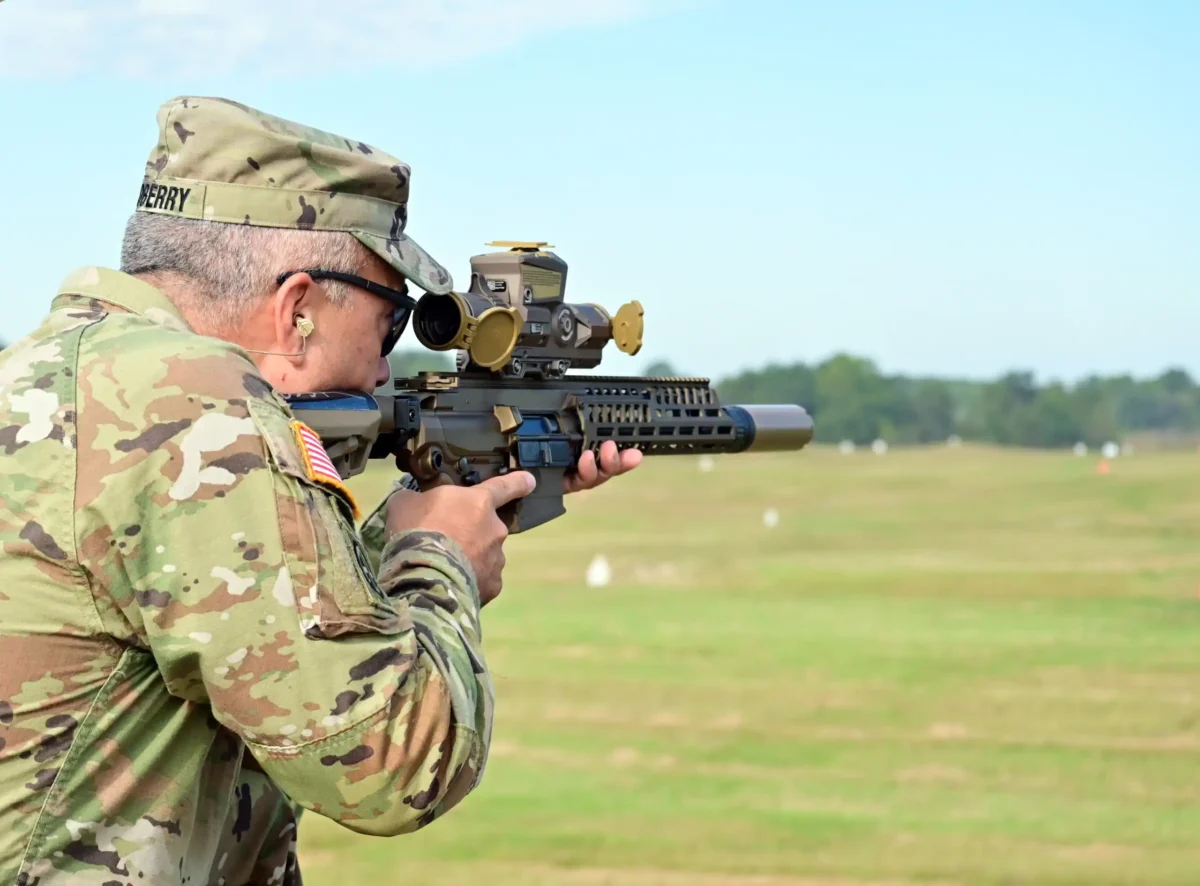
The whole process was tied directly to an updated cartridge, new fire-control systems, and a shift in how squads might operate in the next decade.
And while it’s still early, the move from XM7 to M7 signals the Army’s confidence that this rifle or at least this general direction could reshape the standard kit for frontline troops.
The heart of the M7’s “newness” is the 6.8×51mm round. It’s not just a bigger bullet, it’s a whole rethink of what an infantry cartridge should do.
And honestly, I’d say the Army is betting on the idea that future enemies might show up with better body armor and engage from slightly longer distances than what troops have gotten used to over the past couple decades.
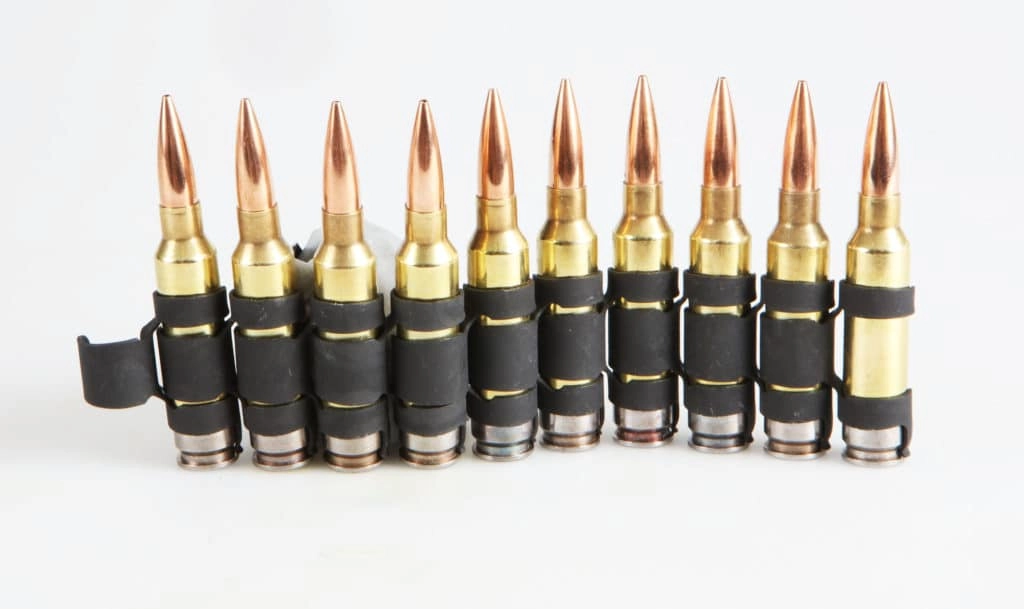
The hybrid-cased design (part brass, part steel) lets it run at much higher pressures than traditional rifle ammo. That usually translates to higher velocity, flatter trajectories, and more energy on impact.
Compared to the classic 5.56×45mm, the 6.8mm round seems to offer:
The trade-off is pretty obvious, though: heavier ammo and more recoil. That means fewer rounds per magazine (20 instead of 30) and a bit more to manage when firing rapidly.
Still, I’d argue the Army sees the added punch as worth that compromise, especially with threats trending toward tougher protection.
The M7, especially with its mandatory suppressor, does come in heavier than the M4 carbine. Bare rifle weight sits around 9.8 lbs (4.4 kg), and once you tack on the suppressor and the new optic, you’re realistically carrying 11–12 lbs (5.0–5.4 kg).
Some soldiers might not mind that. Others might feel it immediately. I’d guess it’ll depend heavily on mission type and how long you’re hauling the thing.
As for recoil, the 6.8mm round does kick more than 5.56mm, but early testers often mention that the gas system and suppressor help calm things down a bit. It’s not “uncontrollable”, just more authoritative.
Handling-wise, the ergonomics look pretty familiar if you’ve used modern rifles. Controls feel intuitive, but the overall bulk is definitely noticeable compared to an M4.
This is arguably the M7’s biggest selling point. With the new cartridge and the advanced fire-control optic that comes standard, soldiers should be able to reach targets well past what a typical 5.56mm carbine reliably handles. Numbers vary, partly because field tests are still ongoing, but it seems reasonable to say:
The new optic (built around a laser rangefinder + ballistic computer) helps take the guesswork out of longer shots. If everything works the way the Army hopes, typical soldiers could hit targets at distances that previously required a designated marksman.
| Feature | Specification (Approx.) |
| Calibre | 6.8×51mm (.277 Fury–based hybrid cartridge) |
| Overall Weight | ~9.8 lbs (4.4 kg) bare; ~11–12 lbs (5.0–5.4 kg) with suppressor + optic |
| Barrel Length | ~13 inches (330 mm) |
| Overall Length | Roughly similar footprint to an M4, but a bit bulkier |
| Operating System | Short-stroke gas piston |
| Effective Range | Often suggested to be well beyond 500 m; potentially pushing 600–700 m depending on load + optics |
| Fire Modes | Semi-auto / Full-auto |
| Magazine Capacity | 20 rounds |
One of the first things that tends to catch people’s attention is the integrated suppressor. It’s not just an optional add-on anymore, it’s meant to be the standard setup. I’d say the Army is leaning toward quieter, more controlled fire as a baseline, not a specialty capability.
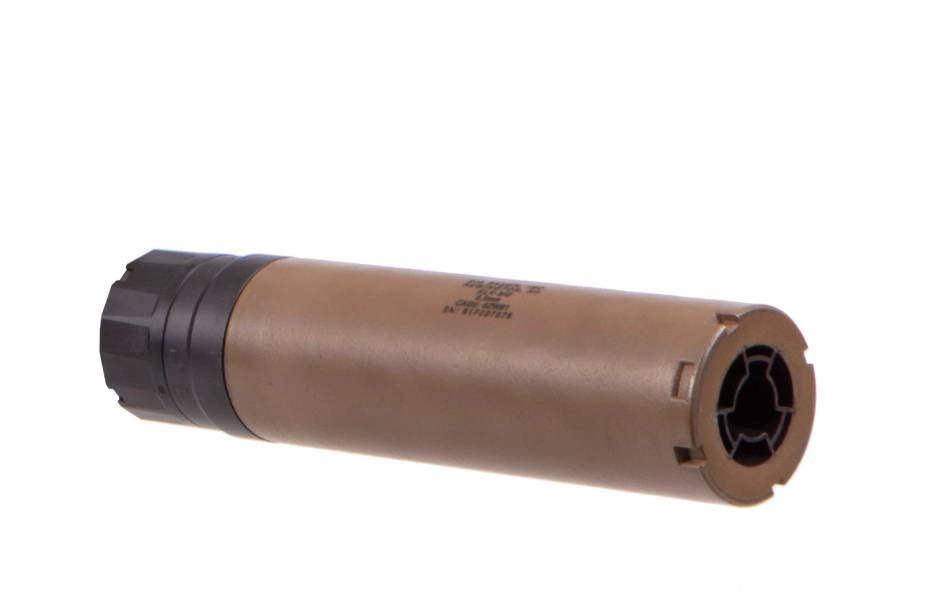
The suppressor isn’t there to make soldiers “silent” operators or anything dramatic like that. It’s more about taming muzzle blast, cutting down on flash, and making communication on the move slightly easier.
Of course, this comes with the usual trade-offs; more length, more weight, and, depending on the situation, more heat buildup.
But the idea seems to be that the benefits outweigh the annoyances, especially in close-quarters environments where noise can quickly turn chaotic.
Then there’s the fire control optic, which might be the biggest technological leap in the whole package. Instead of relying purely on experience or instinct for longer shots, the optic basically helps handle some of the math in the background. It includes things like a laser rangefinder and a basic ballistic calculator that, at least from what early testers suggest, should help regular infantry get more consistent hits at distance.
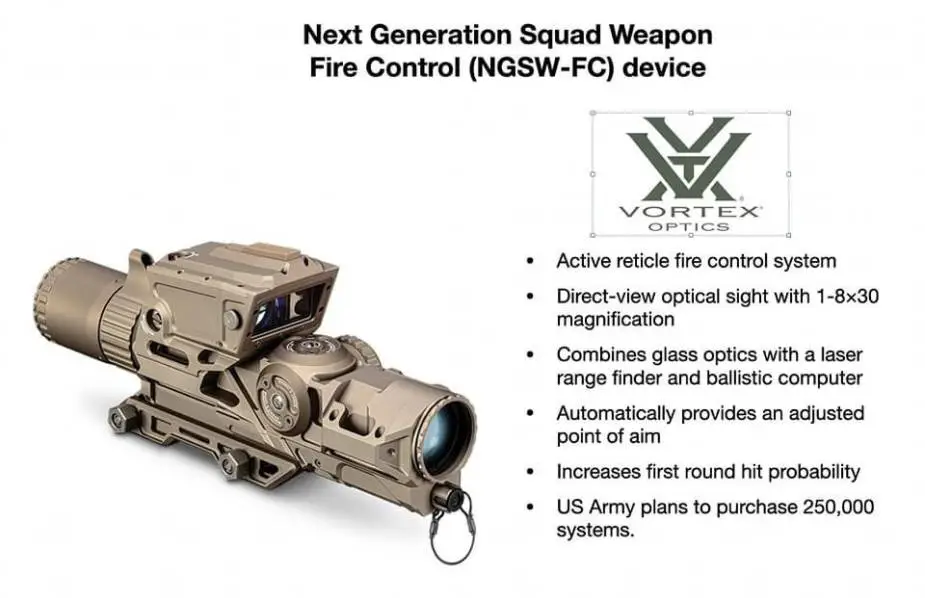
I wouldn’t call it magic, it still depends heavily on the person behind the rifle, but it does tilt the playing field a bit. If anything, it feels like a shift toward blending infantry marksmanship with some light digital assistance. Not enough to feel futuristic, but enough that younger soldiers who grew up with tech will probably adapt quickly.
The modular design rounds everything out. If you’ve used modern rifles before, nothing here will feel alien. The M7 sticks closely to the familiar layout: rails, mounting options, ambidextrous controls, and compatibility with the kinds of accessories troops already expect.
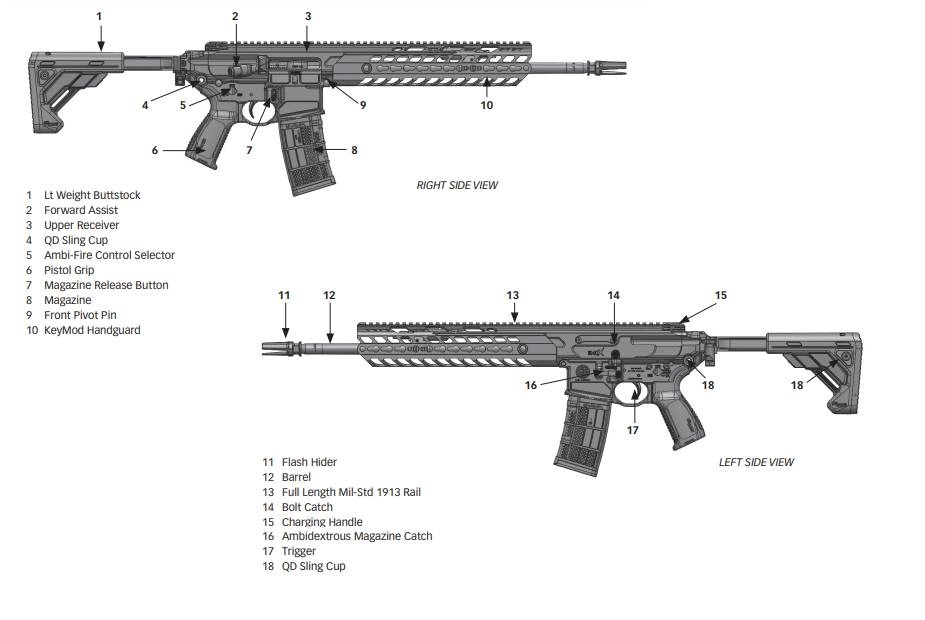
The big difference is just that everything is built a little tougher and tailored for the 6.8mm system. So while the rifle might be heavier, it should also be flexible enough that soldiers can adjust it around their mission.
I’d say it’s sparked more debate than any U.S. infantry weapon in years. Some of the concerns feel pretty reasonable, while others might be more “let’s wait and see.”
The most common complaint you hear is about weight, not just the rifle, but the whole package. The M7 is already heavier than the M4, and once you factor in the suppressor and the advanced optic, it does start to look like a noticeable jump.
Then there’s the ammo. The 6.8×51mm cartridges are heavier than 5.56mm, so soldiers will likely carry fewer rounds unless the Army tweaks loadout expectations.
From a practical point of view, this matters. Modern infantry already carries an almost overwhelming amount of gear, and adding more weight isn’t something you brush off.
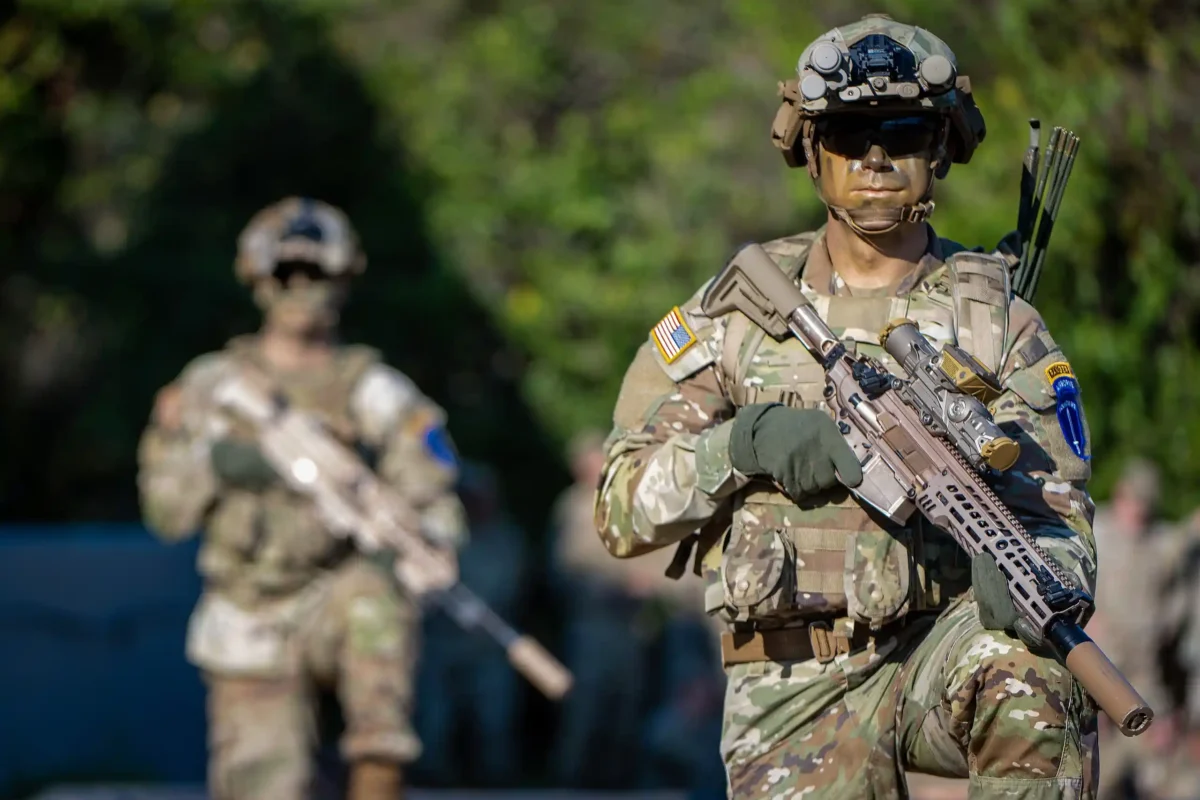
The Army might be pushing two big changes at once, a heavier rifle and heavier ammo, and that combo could create fatigue in ways that aren’t fully understood until more troops use it in the field. It might be fine, but I’d hedge that there’s a real chance this ends up being a sticking point.
Another debate that pops up a lot is over-penetration. The 6.8mm round hits harder, flies flatter, and carries a lot of energy. That’s the whole appeal, but it also raises questions: Is it too powerful for certain environments?
In urban settings, for example, there’s at least a possibility that a high-pressure round could zip through walls, vehicles, or cover more easily than intended.
I wouldn’t say the sky is falling here; over-penetration concerns happen with pretty much any new caliber, but it’s not an entirely baseless worry. The Army seems convinced the trade-off is worth it because armor threats are trending upward.
Big-ticket programs like NGSW always draw accusations of industry lobbying, rushed timelines, or “solution looking for a problem” logic.
Some people argue the Army may be trying to leap ahead too aggressively, adopting a whole new ecosystem of rifles, machine guns, ammo, and optics all at once. That kind of overhaul isn’t cheap, and the logistics footprint could be intense.
From my perspective, cost isn’t automatically a negative; militaries invest in future needs all the time.
But I’d say there is a valid critique around whether the Army is ready for the long-term sustainment demands of a hybrid-cased cartridge. It’s not exactly simple to mass-produce, and any supply chain hiccup could affect training or readiness.
And let’s be honest, programs this large almost always involve some degree of industry influence. That doesn’t mean the M7 is a bad rifle, just that the politics around its adoption aren’t totally clean.
Right now, the M7 is rolling out in a pretty controlled way. The Army seems to be taking a “crawl, walk, run” approach. It hasn’t replaced the M4 across the board, and it probably won’t for a while.
The idea seems to be letting small groups use it in real training environments, gather feedback, and then adjust doctrine or configurations before it goes wider.
Reactions so far land somewhere between impressed and cautiously optimistic. Soldiers tend to like the extended reach and the punch of the 6.8mm round, and a lot of them mention that the new optic makes hitting distant targets feel more manageable.
At the same time, the extra weight shows up in almost every comment, not necessarily as a dealbreaker, but definitely as something they’re aware of by the end of a long day.
The suppressor gets mixed notes: people appreciate the reduced blast, but some mention heat buildup and the extra length. So, overall, the early vibe feels like: “Yeah, this has potential… but let’s iron out a few things first.”
The M7’s 6.8×51mm round brings a lot more energy, flatter trajectories, and better armor penetration. It’s essentially built for the idea that future firefights might happen farther out and against better-protected opponents. The M4’s 5.56mm is lighter, easier to control, and allows troops to carry more rounds.
The upside of 6.8mm is pretty clear on paper; more punch, more reach. The flip side is that it loads soldiers up with extra weight and stronger recoil.
The M4’s 5.56mm can feel a bit underpowered at longer distances, but it still performs well in most real-world infantry ranges.
If anything, the new calibre feels like a forward-leaning gamble: potentially very useful in future conflicts, but maybe more than what’s strictly needed in day-to-day training or urban operations.
There’s no way around it, the M7 is heavier. Once you add the suppressor and optic, the difference becomes something soldiers definitely notice. That extra bulk can slow down transitions, tire people out faster, and make long patrols feel a bit more demanding. Recoil also ramps up, even though the suppressor and gas system try to tame it.
The M4, by comparison, is light, nimble, and easy to maneuver in tight spaces. That matters more than people admit.
A rifle that feels quick can sometimes be more valuable than one that looks better on a ballistic chart. If the Army isn’t careful, the M7 could make soldiers feel like they’re trading mobility for power, which isn’t always the best trade in infantry work.
Both rifles use proven operating systems, and early reports suggest the M7 runs smoothly. Still, the M4 has decades of combat feedback behind it, and soldiers know how it behaves in mud, sand, heat, cold, everything. The M7 hasn’t been through that full gauntlet yet.
The suppressor also adds heat and carbon, which might create long-term wear or maintenance challenges. It’s too early to say for sure, but it’s something worth watching.
| Category | M7 Rifle | M4 Carbine |
| Calibre | 6.8×51mm hybrid | 5.56×45mm |
| Typical Weight | ~9.8 lbs bare; 11–12 lbs with suppressor/optic | ~6.5–7.5 lbs depending on setup |
| Recoil | Noticeably stronger | Light / very controllable |
| Effective Range | Potentially 500–700+ m | Roughly 300–500 m |
| Accuracy | Boosted by a new fire-control optic | Highly accurate within carbine ranges |
| Magazine Capacity | 20 rounds | 30 rounds |
| Cost & Maintenance | Higher; newer tech, new ammo | Lower; well-understood, widely supported |
| Status | Early fielding | Fully fielded, standard issue |
The M4 is cheap, well-established, and deeply supported across the entire logistics chain. Training is also easier, since nearly every U.S. soldier has used it.
The M7 requires retraining on recoil management, ammo planning, new optics, and maybe even new tactics. None of this is bad, but it does require time and money, and not every unit has the bandwidth to absorb that smoothly.
There’s also the long-term question of ammunition production. The hybrid 6.8mm cartridge isn’t as simple to manufacture, so any supply chain issues could quickly become readiness issues.
It depends on what “better” means. If you want more range and more stopping power, the M7 clearly pulls ahead. If you want lighter gear, faster handling, and logistics that don’t cause migraines, the M4 still makes a lot of sense.
The M7 feels like a rifle built for future threats and maybe a bit ahead of where infantry doctrine currently sits. That’s not necessarily bad; it just means the Army will need time to adapt the rest of the system around it.