Follow Us:
Follow Us:

If you’ve ever wondered how China stacks up in the world of modern military helicopters, the Changhe Z-10 might just surprise you.
Designed from the ground up as a dedicated attack helicopter, the Z-10 isn’t a modified transport chopper or an outdated relic with missiles strapped on. It’s a sleek, stealth-focused gunship built to go head-to-head with some of the world’s most advanced battlefield helicopters.
Also known as the WZ-10, this Chinese attack helicopter first appeared in the early 2000s. It was a game-changer for the People’s Liberation Army, which had previously relied on foreign or outdated platforms for combat missions. With the Z-10, China stepped into the spotlight—developing its own high-performance helicopter, equipped for anti-tank roles, close air support, and more.
What makes the Z-10 helicopter stand out? For starters, its low-profile design helps it stay under the radar—literally. It features radar-absorbing materials, a slim body, and upward-facing exhausts to reduce heat detection. Its compact form hides a lot of power: state-of-the-art sensors, advanced targeting systems, and a deadly mix of guided missiles and cannons.
With a top speed of around 300 km/h and an operational range of about 800 km, the Changhe Z-10 can fly fast and far, making it ideal for quick strikes and tactical support missions. Over 200 units are reportedly in service with China’s military, and upgraded variants like the Z-10ME are already being tested for international export.
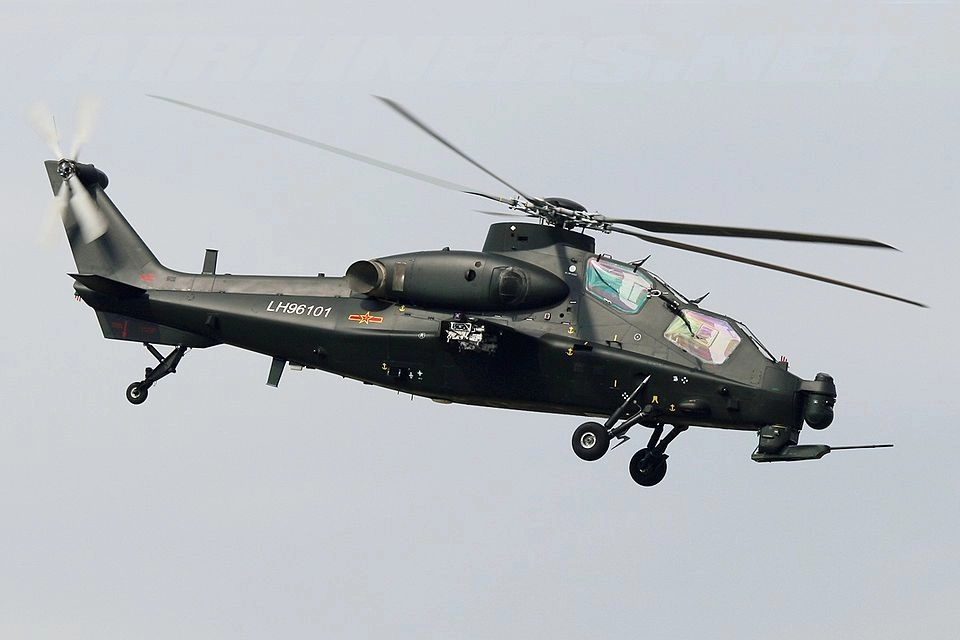
Whether you’re into military tech, curious about China’s defense push, or just want to know how the Changhe Z-10 helicopter stacks up against rivals like the AH-64 Apache, this chopper is worth a closer look.
Stick around—we’re diving deep into its history, features, firepower, and how it’s changing the battlefield.
The story of the Changhe Z-10 begins in the mid-1990s, during a time when China was rapidly modernizing its military and looking to develop indigenous technologies.
At the time, the People’s Liberation Army (PLA) lacked a purpose-built attack helicopter and relied mostly on outdated Soviet-era models or transport helicopters retrofitted with weapons. That wasn’t going to cut it anymore—not with neighboring countries fielding advanced platforms like the American AH-64 Apache or the Russian Mi-28.
In 1998, China officially kicked off the Z-10 helicopter project under the codename “Project 941.” The task of designing the airframe was handed to Changhe Aircraft Industries Corporation (CAIC), in collaboration with the China Helicopter Research and Development Institute (CHRDI). But while the goal was to produce a domestically developed helicopter, China wasn’t shy about seeking help from overseas.

In a move that remained under wraps for years, China quietly brought in Russia’s Kamov Design Bureau to assist with the early blueprint and layout. Meanwhile, Pratt & Whitney Canada supplied the PT6C-76C engines for prototype models—before sanctions and export controls eventually forced China to replace them with the locally developed WZ-9 engines.
By April 29, 2003, the first prototype of the Z-10 took flight, marking a major milestone for Chinese aviation. Though development was slow and cautious—especially given the technical challenges—the PLA began fielding early units by 2009.
Since then, the Z-10 has evolved significantly. Newer variants have addressed early weaknesses in armor, firepower, and endurance. The Changhe Z-10 range has improved, avionics have been upgraded, and the Z-10ME, a more export-friendly version with better survivability, has made appearances at international airshows.
All in all, the Z-10’s journey from concept to combat-ready platform tells the story of a country determined to close the tech gap—and in many ways, it has. While it may not yet outmatch Western counterparts across the board, it’s a powerful symbol of China’s rise in defense innovation and strategic autonomy.
At first glance, the Changhe Z-10 helicopter may not look as bulky or intimidating as the AH-64 Apache—but don’t let that fool you. Its design reflects a different philosophy: stealth, agility, and modular firepower tailored to China’s terrain and warfare doctrines.
The Z-10’s airframe is compact, narrow, and angular, specifically engineered for low observability. It incorporates radar-absorbing materials and features like upward-facing engine exhausts to reduce infrared signatures, making it harder for enemy sensors to lock on. Its side profile is deliberately slim, presenting a minimal radar cross-section from head-on—a smart touch for evading detection during forward assault missions.
The cockpit uses a tandem configuration, placing the pilot behind and slightly above the gunner. This layout not only improves visibility for both crew members but also reduces the overall silhouette of the aircraft. The canopy is armored to resist small-arms fire and shrapnel—an essential feature for any frontline attack helicopter operating close to enemy positions.
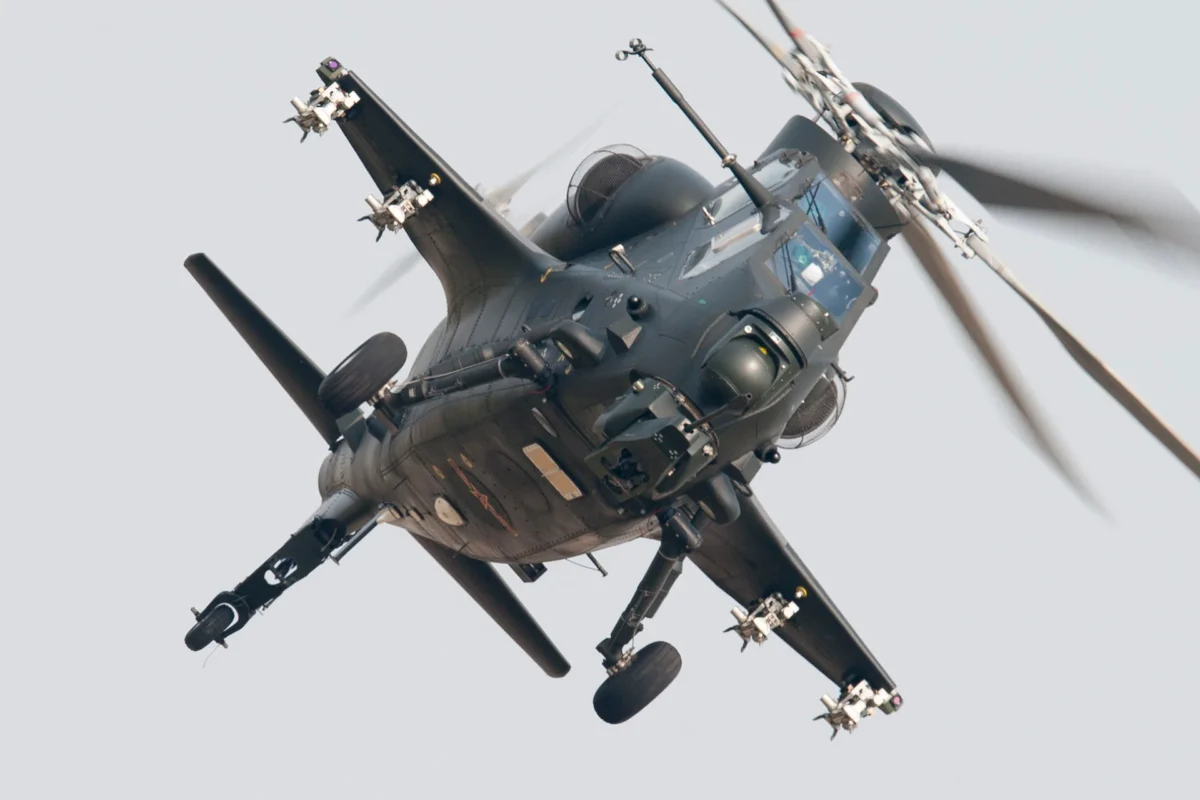
Its stub wings aren’t just for show—they provide lift and serve as mounting points for a variety of weapons. Each side can carry multiple hardpoints for anti-tank missiles, rocket pods, air-to-air missiles, or electronic countermeasure pods. The tail design features a scissor-type rotor, offering better control and reduced noise during low-altitude maneuvers.
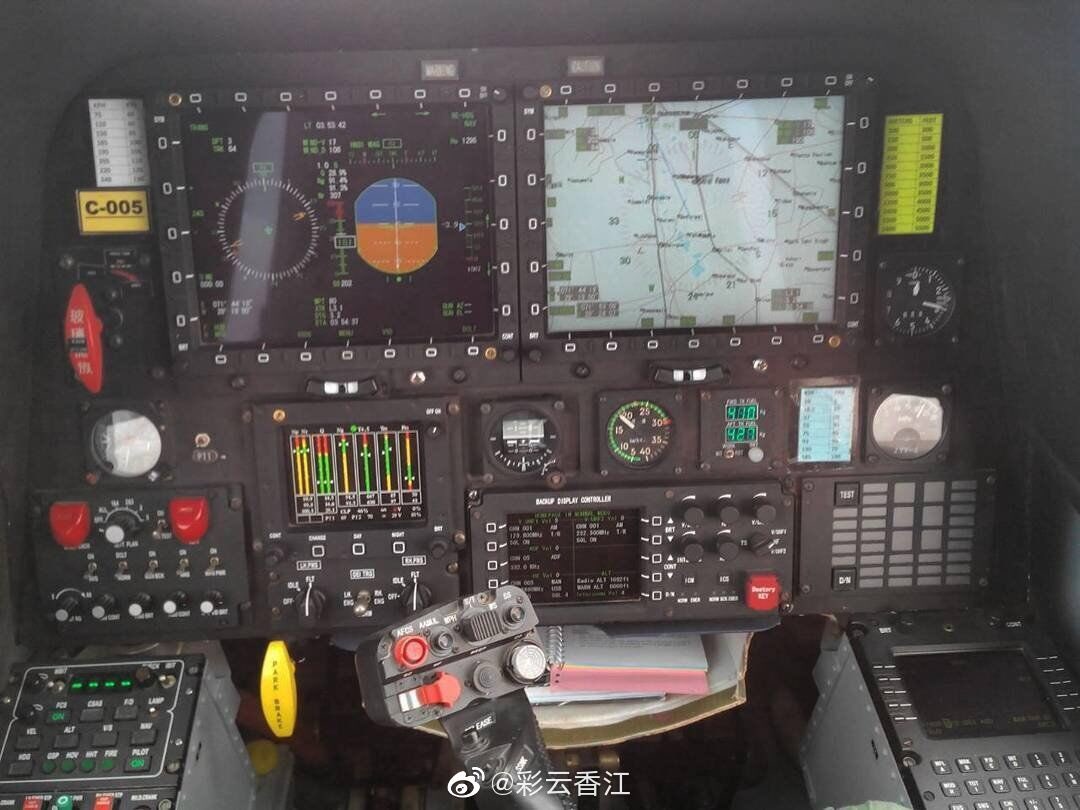
Internally, the Z-10 is equipped with a digital glass cockpit, advanced fire control systems, and an integrated helmet-mounted sight system. These allow the gunner to engage targets with high precision, even while the helicopter is in motion. Its targeting suite includes infrared and TV sensors, laser rangefinders, and night-vision capabilities—all critical for 24/7 battlefield performance.
And while early Z-10s were criticized for lacking heavy armor, newer variants like the Z-10ME have added reinforced plating and explosion-resistant fuel tanks. These upgrades help the chopper withstand more punishment in high-threat environments, aligning it closer to Western benchmarks.
In short, the Z-10 attack helicopter isn’t just a machine—it’s a tactical platform. Built for flexibility, survivability, and offensive power, its design shows how far Chinese aerospace engineering has come.
The Changhe Z-10 helicopter doesn’t just look the part—it performs with serious combat capability. While it may be lighter and more compact than some of its Western counterparts, the Z-10 was built with one clear goal: deliver devastating firepower with speed, precision, and survivability.
At its core, the Z-10 is powered by two WZ-9 turboshaft engines, each producing around 930 kW (1,250 horsepower). These engines give it a top speed of approximately 300 km/h (186 mph), with a maximum operational range of about 800 kilometers (497 miles). That kind of range makes it highly mobile on the battlefield, allowing for deep strike operations or prolonged patrol missions without constant refueling.
In terms of altitude, the Z-10 can fly as high as 6,400 meters (21,000 feet). This is especially important for operations along China’s western borders, where rugged terrain and high elevation demand high-performing air assets.
But what truly defines an attack helicopter is its ability to deliver firepower—and here, the Z-10 does not disappoint.

Its targeting and fire-control systems are fully integrated with helmet-mounted displays and laser rangefinders. That means a Z-10 gunner can simply look at a target, lock it in, and engage it—all within seconds.

Altogether, the Z-10 attack helicopter blends speed, altitude, and powerful multi-role armament into one deadly package. It’s not the heaviest gunship in the sky, but it doesn’t need to be. Its mobility and smart weapons make it a formidable threat to armored columns, light vehicles, and even airborne targets.
Since its first flight in 2003, the Changhe Z-10 has gone through multiple improvements, evolving into a more capable and survivable battlefield platform. While the original version was solid in its concept, it faced early criticism for lacking armor, engine power, and export viability.
China responded by developing several Z-10 helicopter variants, each addressing these performance gaps and adapting to specific operational needs.
The first-generation Z-10 attack helicopter entered service with the People’s Liberation Army Ground Force (PLAGF) around 2009. It featured the basic airframe, tandem cockpit, and weapon systems that established the platform’s core identity.
However, it used foreign-sourced components, including Canadian engines during its test phase—components that were eventually replaced with the indigenous WZ-9 engines due to international pressure and export restrictions.
While the early Z-10s were functional, they weren’t as robust as global competitors. Limited armor protection, basic electronics, and engine limitations kept the helicopter from reaching its full potential.
As China’s air force began developing its own rotary-wing aviation units, a new version, the Z-10K, was tailored for the People’s Liberation Army Air Force (PLAAF). This variant is nearly identical to the original but reportedly features improvements in communication systems and mission integration for joint operations. It’s used for close air support, escort missions, and limited anti-armor duties.
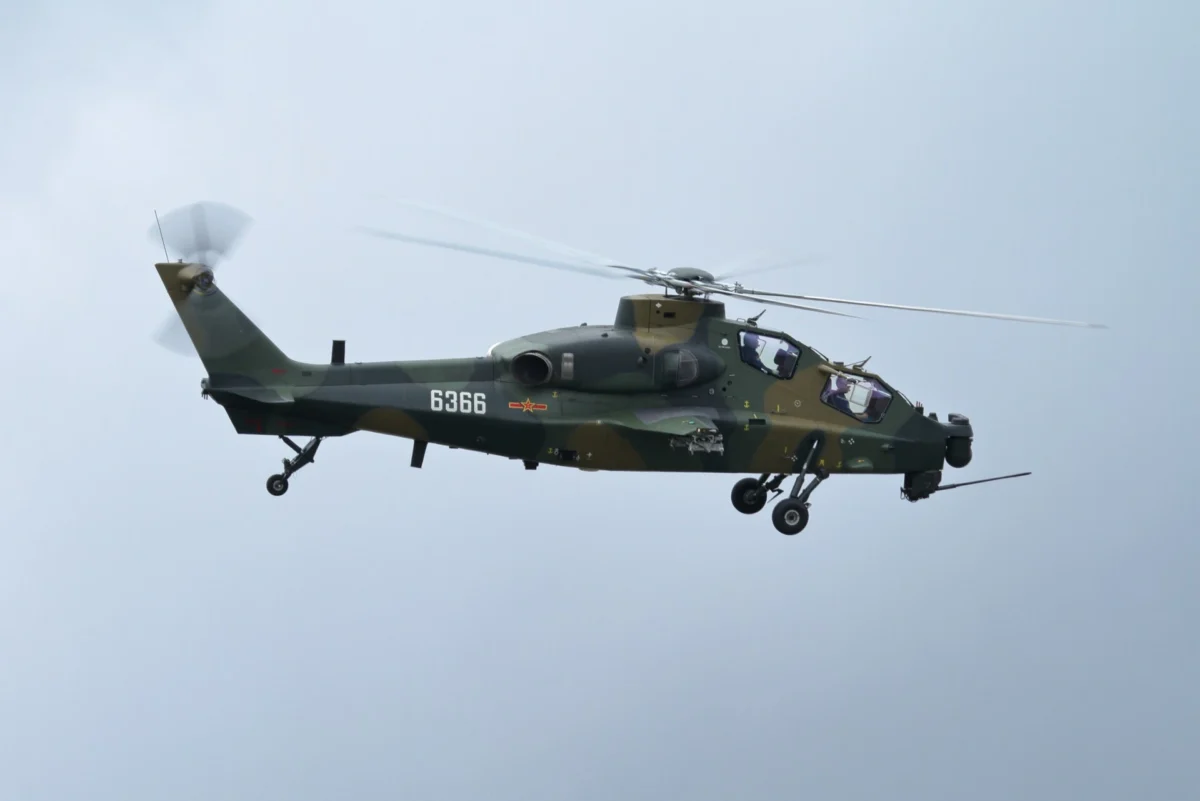
Unveiled at international defense expos and showcased during the Singapore Airshow, the Z-10ME is China’s export-ready and upgraded version of the original platform. This variant features significant improvements across the board:
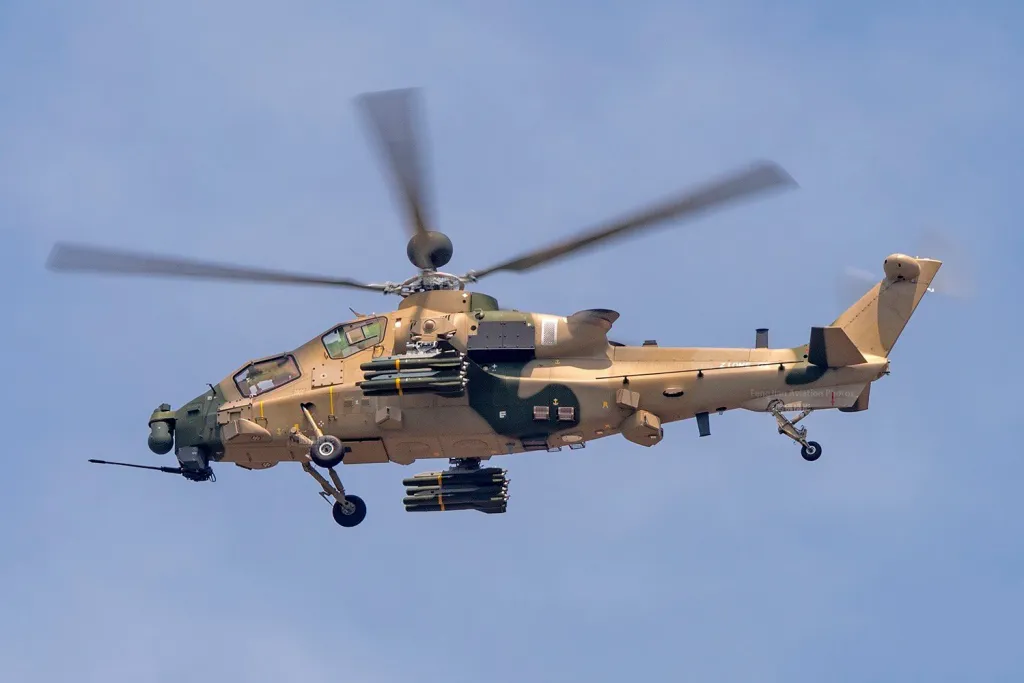
The Z-10ME is also fitted with modular systems, making it more adaptable for client nations with different operational needs. These upgrades reflect China’s strategy to turn the Z-10 into a competitive export product—one that can stand next to helicopters like the AH-1Z Viper or the Russian Mi-35 in arms markets across Asia, Africa, and the Middle East.
The Changhe Z-10 helicopter has become a core part of China’s rotary-wing strike capability. Since entering full-scale service with the People’s Liberation Army Ground Force (PLAGF), the Z-10 has carved out a central role in China’s military doctrine, particularly for anti-armor missions, close air support, and escort operations in hostile terrain.
As of recent estimates, over 200 Z-10 helicopters are actively serving in various PLA combat brigades across China. These units are often deployed in combination with the lighter Z-19 scout helicopters and heavier utility platforms like the Z-20. Together, they form a well-balanced attack group capable of both reconnaissance and precision fire missions.
The Z-10 is primarily used by the PLAGF’s aviation branch, but a limited number of Z-10K variants have been seen in service with the People’s Liberation Army Air Force (PLAAF) for air escort duties and joint operations. Its versatility and ruggedness have made it suitable for deployment in both eastern coastal regions and the high-altitude, mountainous zones along China’s western border.
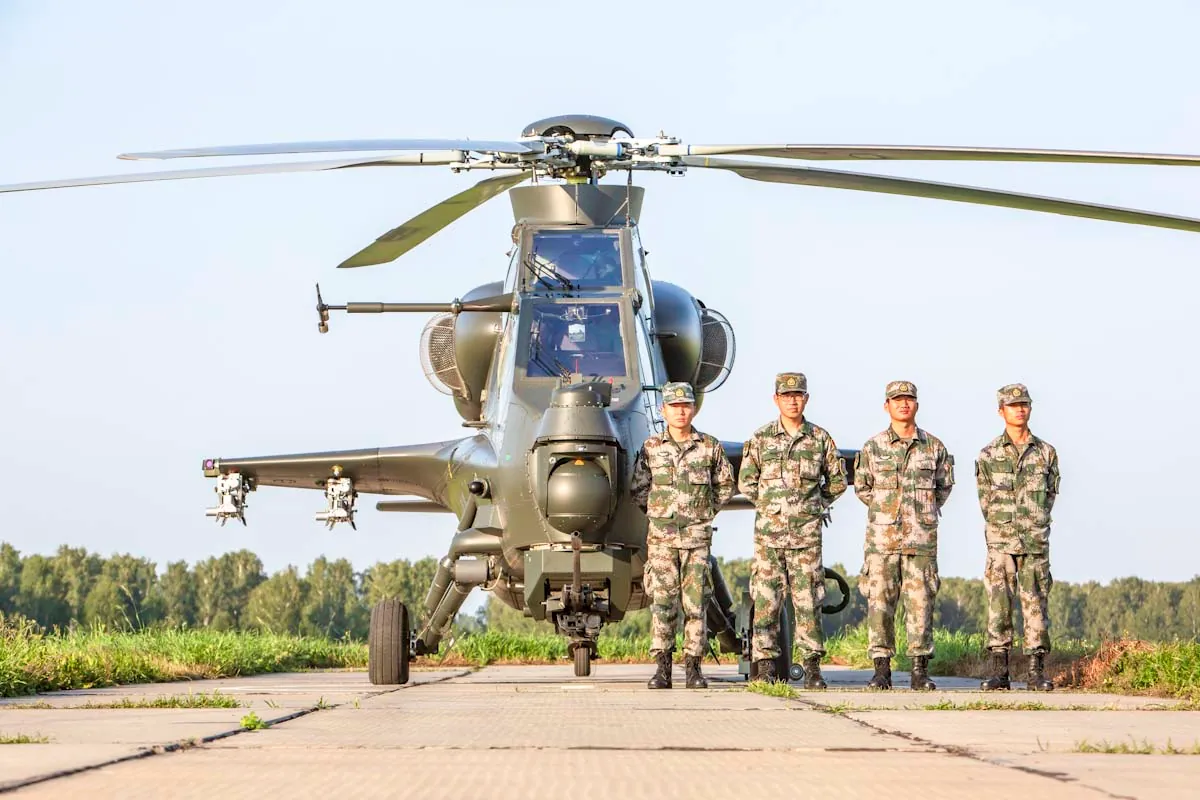
Chinese military drills frequently showcase Z-10 helicopters operating in concert with armored ground units, performing simulated tank strikes, ambush support, and suppression of enemy air defenses. These exercises signal how seriously China is integrating the Z-10 into its combined-arms warfare strategy.
While the Z-10 attack helicopter was originally intended only for domestic use, China has increasingly positioned it for international sales. The most notable example is Pakistan, which tested a number of Z-10ME helicopters in recent years. Although Pakistan initially decided against purchasing the platform—citing engine performance and survivability concerns—the upgraded export variant reportedly sparked renewed interest.
Other countries in Southeast Asia, Africa, and the Middle East have also shown curiosity about the Z-10ME, particularly for its cost-effectiveness and modular systems. China’s goal is to provide a competitive alternative to Western models like the Apache or the Eurocopter Tiger, especially for countries facing Western arms embargoes or budget constraints.
When discussing the Changhe Z-10 helicopter, it’s impossible to avoid comparisons with the West’s gold standard in attack helicopters—the AH-64 Apache. While both serve similar battlefield roles, their design philosophies, capabilities, and operational histories reveal interesting differences shaped by their countries’ unique military needs.
The Z-10 attack helicopter focuses heavily on stealth and agility. Its slimmer frame, radar-absorbent materials, and infrared suppression systems aim to reduce detection, allowing it to approach targets more covertly. In contrast, the Apache emphasizes heavy armor and survivability, often boasting a more robust airframe and advanced countermeasure suites.
Performance-wise, the Z-10 offers a competitive operational range of around 800 kilometers, which is notable for an attack helicopter and provides strong tactical flexibility in China’s varied terrain. The Apache, however, typically trades some range for greater speed and heavier firepower, with top speeds exceeding 365 km/h and a larger weapons payload capacity.
On the armament front, both helicopters can carry anti-tank guided missiles, rockets, and a nose-mounted chain gun. The Z-10’s use of indigenous missile systems like the HJ-10 and TY-90 reflect China’s growing confidence in its domestic defense industry. However, Western missiles often benefit from longer operational experience and integration with broader NATO systems.
Strategically, the Changhe Z-10 helicopter fits China’s doctrine of rapid, combined-arms maneuver warfare, especially suited for anti-armor roles in border conflicts and potential high-altitude engagements in the Himalayas or Taiwan Strait. It represents a significant leap from earlier utility helicopters converted for attack roles, signaling China’s commitment to building indigenous military aviation capabilities.
While not yet matching the full combat-proven legacy of the Apache, the Z-10’s steady upgrades and expanding operational use highlight its potential to become a regional game-changer. For countries looking to balance cost, capability, and domestic production, the Z-10 offers an intriguing alternative in the global attack helicopter market.