Follow Us:
Follow Us:

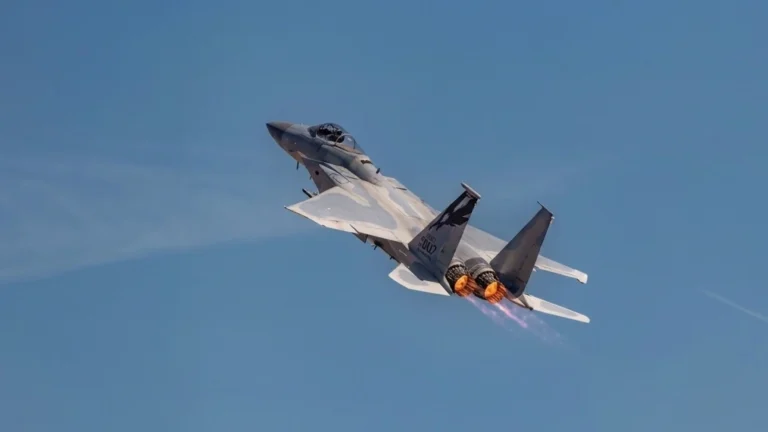
Picture this for a second. A fighter jet lifts off the runway, sharp angles slicing the air, engines humming with a confidence that says, we built this ourselves. No foreign blueprints. No borrowed identity. Just intent. That moment, when the KAAN Fighter took to the sky, wasn’t merely a test flight. It was a statement.
The KAAN Fighter Jet is Turkey’s bold entry into the exclusive club of nations developing a fifth-generation stealth fighter. And while most headlines fixate on speed, radar cross-sections, or geopolitical drama, the real story runs deeper.
KAAN isn’t just about replacing aging F-16s. It’s about industrial independence, strategic patience, and a country deciding it no longer wants to rent air power, it wants to own it.
What makes the KAAN fighter different from the usual defense-program fanfare is how unapologetically ambitious it is. This isn’t a modest upgrade or a niche interceptor.
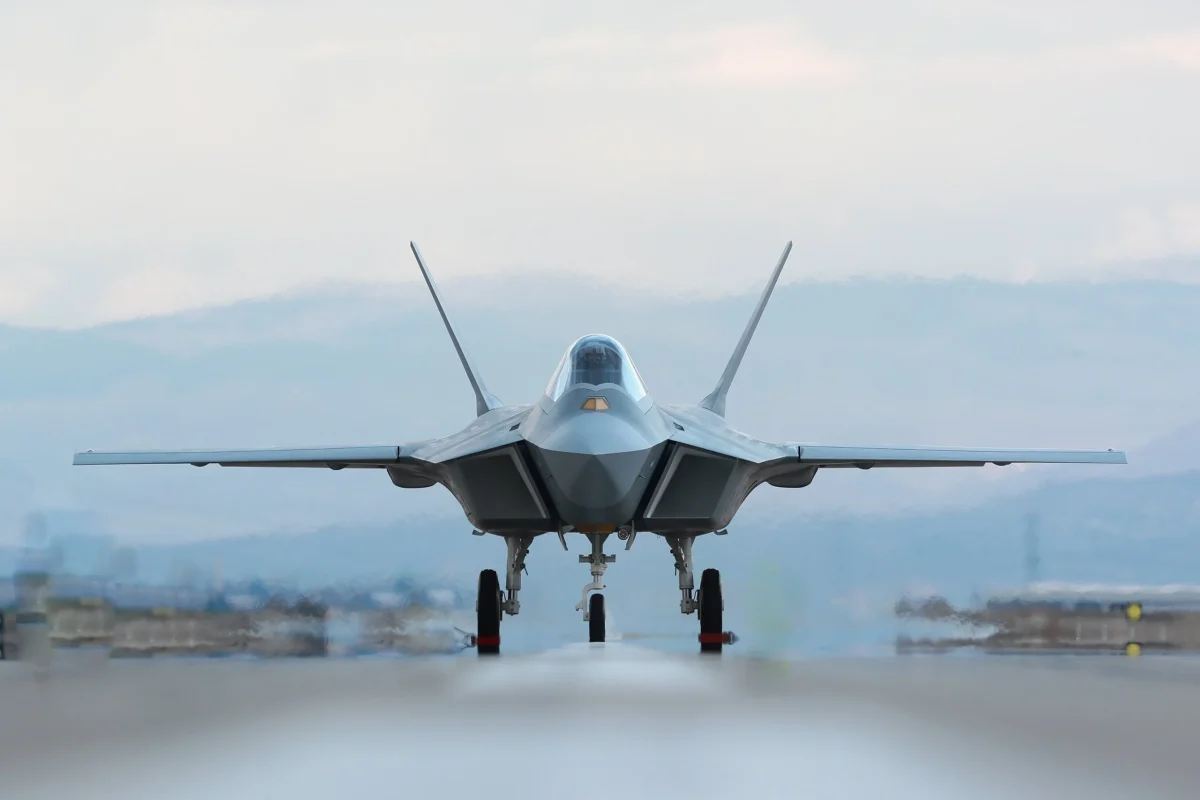
KAAN is designed from day one to compete in the same airspace as the F-35, Su-57, and J-20 jets that define modern aerial warfare. Stealth shaping, internal weapons bays, sensor fusion, AI-assisted avionics, the whole toolbox is on the table.
Yet, oddly, the KAAN aircraft story is rarely told from the human angle. Engineers betting their careers on a clean-sheet design. Pilots trusting a prototype that represents decades of national aspiration. Export customers weighing KAAN not just as a jet, but as a long-term partnership.
In this post, we’ll unpack the KAAN Fighter program piece by piece, where it came from, what it can actually do, and why it might quietly reshape the global fighter market in ways most people aren’t paying attention to. Buckle in. This one’s worth the runway.
Every ambitious aircraft begins as a risky idea on paper. The KAAN Fighter started as exactly that, a sketch born from necessity rather than vanity.
In the early 2010s, Turkey faced a hard truth: relying indefinitely on foreign-made fighter jets left too many strategic strings attached. Upgrades could be delayed. Spare parts could become bargaining chips. So the question shifted from “What can we buy next?” to “What if we build our own?”
Originally known as TF-X or MMU (Milli Muharip Uçak), the program was formally launched to develop a fifth-generation fighter that could stand shoulder-to-shoulder with the world’s best.
Turkish Aerospace Industries (TAI) became the prime contractor, pulling together hundreds of local suppliers, many of whom had never worked on anything this complex before. It was less like assembling a puzzle and more like inventing the pieces as you go.
Progress wasn’t linear. There were design resets, engine debates, and moments when skeptics openly questioned whether a clean-sheet stealth fighter was too big a bite. Yet milestones kept falling. Wind tunnel testing validated the stealthy airframe. Full-scale mockups turned into rolling prototypes.
And then, in February 2024, the moment that silenced a lot of doubt: the KAAN fighter jet completed its maiden flight, staying airborne for over 13 minutes.
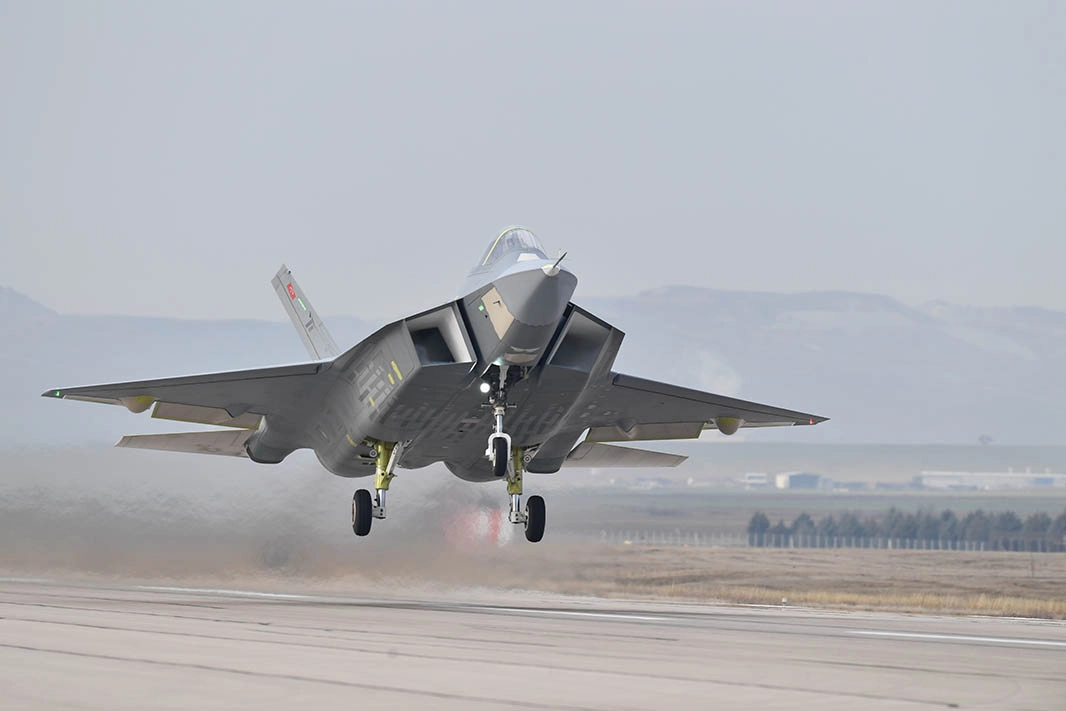
That flight mattered, not for its duration, but for what it proved. The flight control laws worked. The airframe behaved. The program crossed from theory into reality.
Since then, Turkey has accelerated prototype production, planning multiple test aircraft to run parallel trials. This approach, build, test, refine, repeat, signals something important. KAAN isn’t a symbolic project. It’s being engineered to enter service, survive combat conditions, and evolve for decades.
Specs can feel dry, rows of figures, acronyms stacked like cargo crates. But with the KAAN Fighter, the numbers tell a story of intent. Every measurement, every system choice, hints at how Turkey expects this jet to fight, survive, and adapt.
At first glance, the KAAN aircraft sits firmly in the heavyweight class of fifth-generation fighters. It’s larger than an F-16, closer in footprint to the F-35, and designed around internal volume, fuel, weapons bays, sensors, rather than external pylons that scream on radar. Stealth first. Always.
Here’s a snapshot of the core technical data currently disclosed or widely reported:
| Specification | KAAN Fighter Jet (Estimated) |
| Length | ~21 meters |
| Wingspan | ~14 meters |
| Maximum Speed | Mach 1.8+ |
| Combat Radius | ~1,100 km |
| Service Ceiling | 55,000+ ft |
| Engines (initial) | 2 × F110-GE-129 |
| Future Engine | Indigenous TF35000 (planned) |
| Internal Weapons Bays | Yes (air-to-air & air-to-ground) |
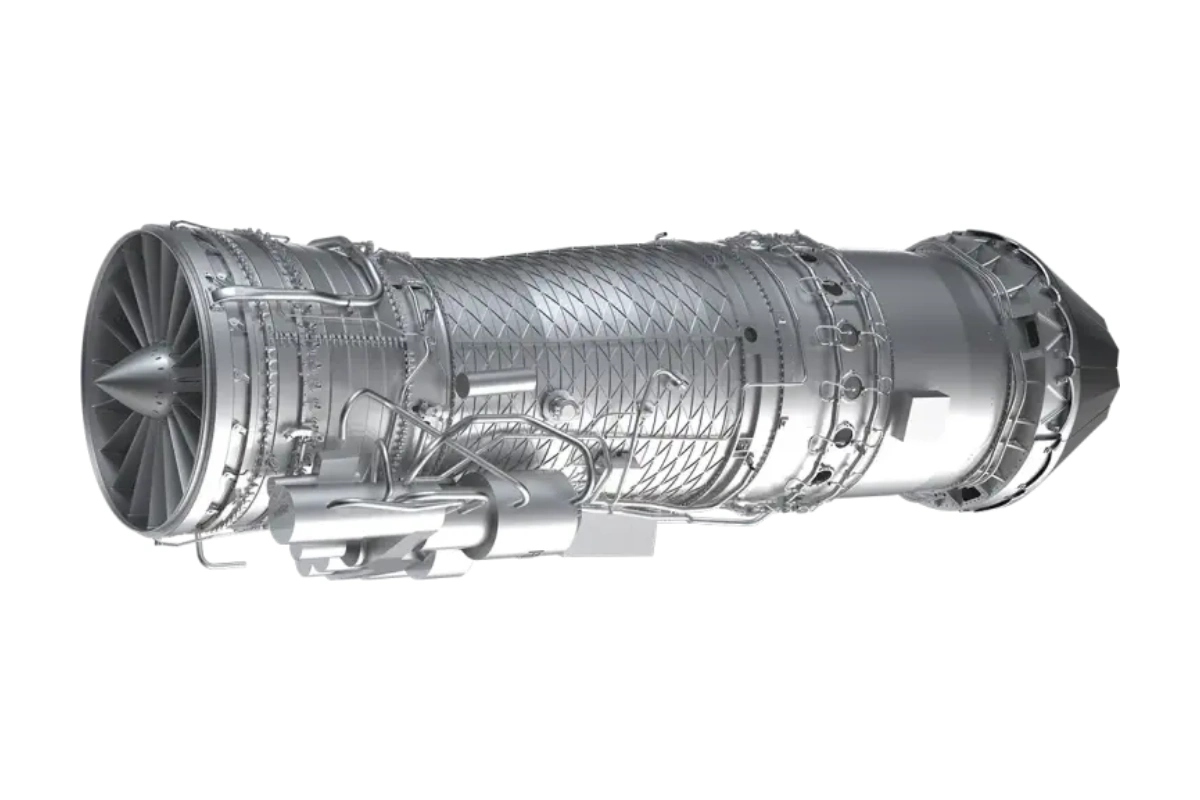
The engine choice is particularly revealing. Early KAAN fighter prototypes use proven GE F110 engines, the same family that powers advanced F-16 variants. Conservative? Maybe. Smart? Absolutely. It allows flight testing to move fast while Turkey develops its own TF35000 indigenous turbofan, a project that could eventually unlock true supercruise.
Avionics lean heavily into sensor fusion. Think AESA radar, distributed aperture systems, and infrared search-and-track working together so the pilot sees one clean picture, not ten competing screens. The cockpit is designed less like a traditional fighter and more like a decision-making hub.
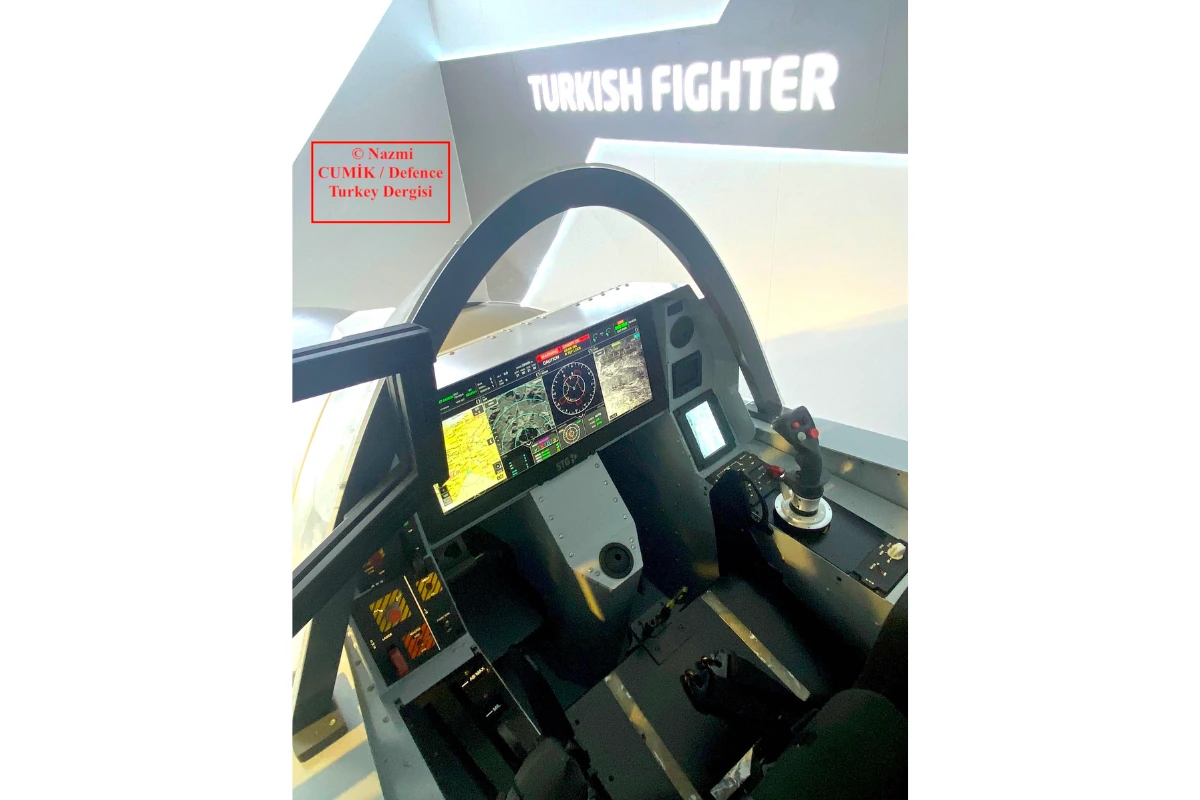
In short, KAAN isn’t chasing flashy specs. It’s building a balanced, survivable system, one meant to grow sharper with time, software updates, and experience.
Stealth gets the headlines, but stealth alone doesn’t win air wars.
The real value of the KAAN Fighter lies in what happens after it slips past radar, when decisions have to be made fast, with incomplete information, and under pressure. That’s where KAAN’s design philosophy quietly shows its teeth.
At its core, KAAN is a true multi-role fighter, not a single-mission specialist. Air superiority? Yes. Deep strike? Absolutely. Electronic warfare, suppression of enemy air defenses (SEAD), battlefield command? All on the menu. The aircraft is built to switch roles mid-mission, without needing to reconfigure hardware on the ground.
One of KAAN’s most under-discussed strengths is sensor fusion. Instead of forcing the pilot to interpret raw radar returns, infrared tracks, and electronic warnings separately, KAAN merges them into a single tactical picture. Think of it like Google Maps for combat, threats layered, prioritized, color-coded. Less head-down time. Fewer mistakes. Better outcomes.
Weapons are carried internally to preserve stealth, with bays sized for modern beyond-visual-range missiles and precision-guided munitions. While official loadouts remain classified, the KAAN fighter is expected to integrate Turkey’s growing catalog of indigenous weapons, including Gökdoğan and Bozdoğan air-to-air missiles. That matters. Software and weapons developed in-house mean faster upgrades and fewer political bottlenecks.
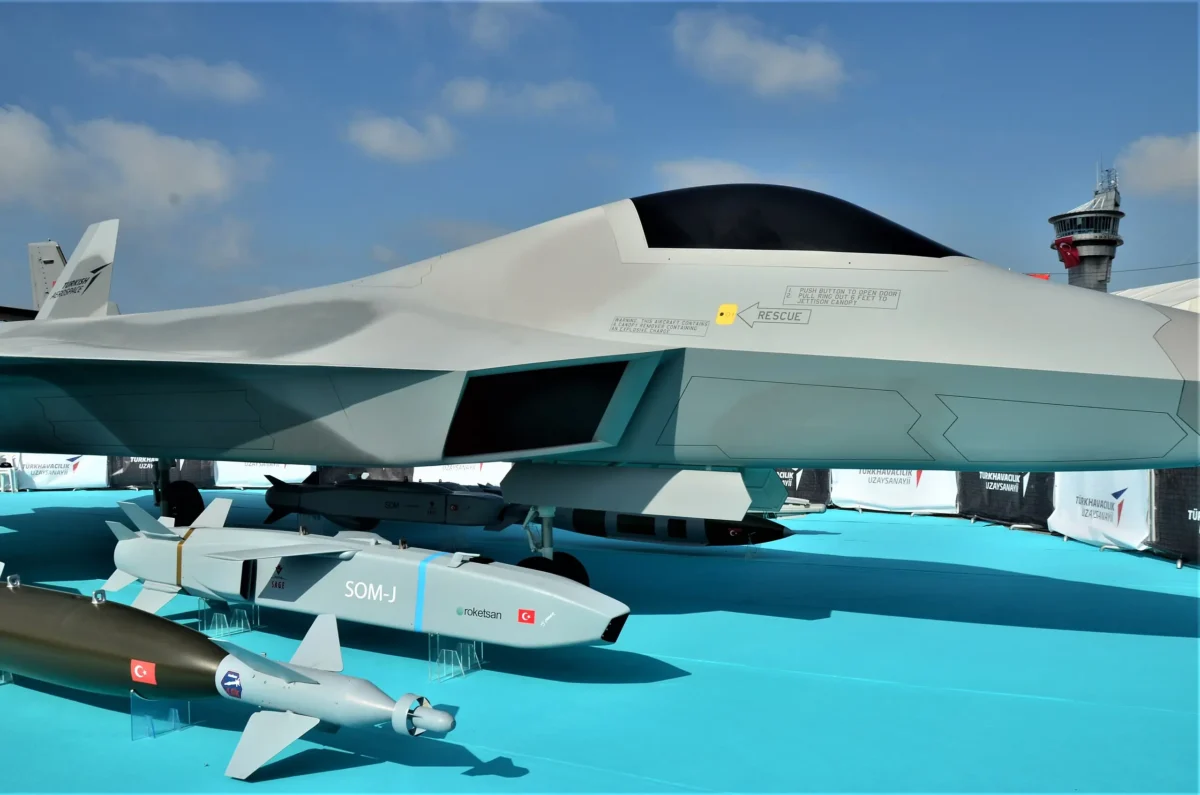
Another quiet advantage: manned–unmanned teaming. KAAN is being designed to coordinate with loyal wingman drones, acting as a command node rather than a lone predator. In practical terms, that means KAAN pilots may soon manage swarms, sending drones ahead to scout, jam, or even strike.
This isn’t a jet built just to fight today’s battles. It’s built to adapt to the fights nobody has fully defined yet.
Comparisons are inevitable. Any time a new fifth-generation fighter enters the conversation, the same names circle overhead: F-35, Su-57, J-20.
On paper, the KAAN Fighter doesn’t try to out-muscle or out-hype them. Instead, it plays a more subtle game, one that’s easy to miss if you only skim spec sheets.
Let’s get something clear first. KAAN is not a clone. Its airframe geometry borrows from proven stealth logic, canted tails, blended fuselage, internal bays, but the philosophy is different. Where the F-35 leans heavily on networked warfare with NATO systems, the KAAN aircraft is being designed for sovereign operation. No external permission slips. No locked software.
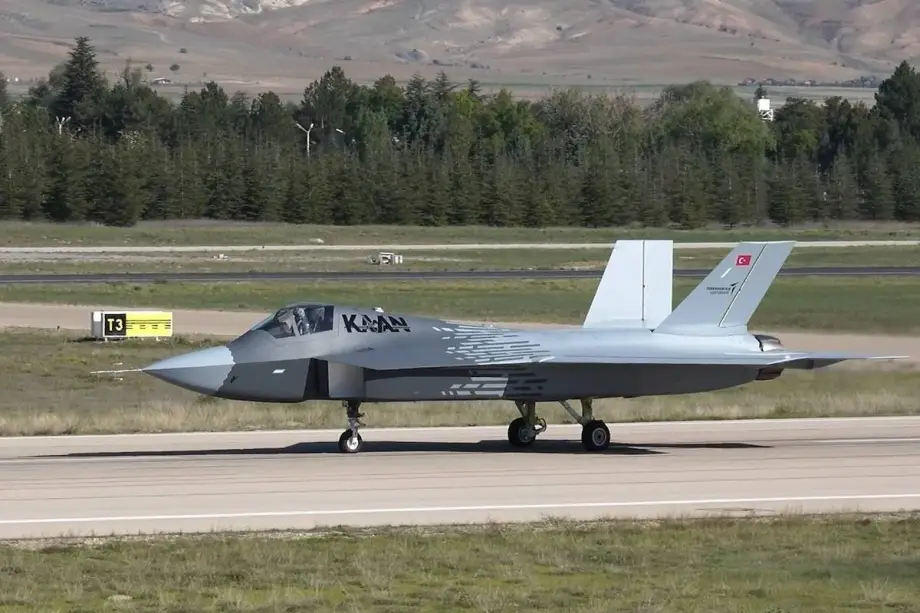
In raw performance terms, KAAN’s projected speed (Mach 1.8+) and altitude ceiling put it comfortably in the same neighborhood as its peers. The Su-57 may claim extreme maneuverability, while the J-20 emphasizes long-range interception. KAAN splits the difference, prioritizing situational awareness and adaptability over flashy dogfight theatrics.
Cost is where things get interesting. While official pricing isn’t public, analysts widely expect the KAAN fighter jet to come in significantly cheaper than the F-35, both to acquire and to sustain. For countries that want fifth-generation capability without lifetime dependence on U.S. logistics chains, that’s a compelling proposition.
There’s also timing. Many air forces are staring at a gap, fourth-gen fleets aging out, sixth-gen still decades away. KAAN arrives in that uncomfortable middle space, offering a bridge rather than a gamble.
In other words, KAAN doesn’t need to be “the best jet in the world.” It just needs to be good enough, flexible enough, and politically neutral enough. That might be its most dangerous feature.
Fighter jets don’t survive on domestic pride alone. They live or die by exports. And this is where the KAAN Fighter quietly shifts from national project to global player.
The biggest signal so far? Indonesia’s agreement to acquire up to 48 KAAN fighter jets. That number isn’t symbolic, it’s fleet-sized.
For Indonesia, KAAN offers something rare: fifth-generation capability without being locked into a single geopolitical orbit. Technology sharing, local industrial participation, and long-term co-development reportedly sit at the heart of the deal. That’s not a buyer–seller relationship. That’s a partnership.
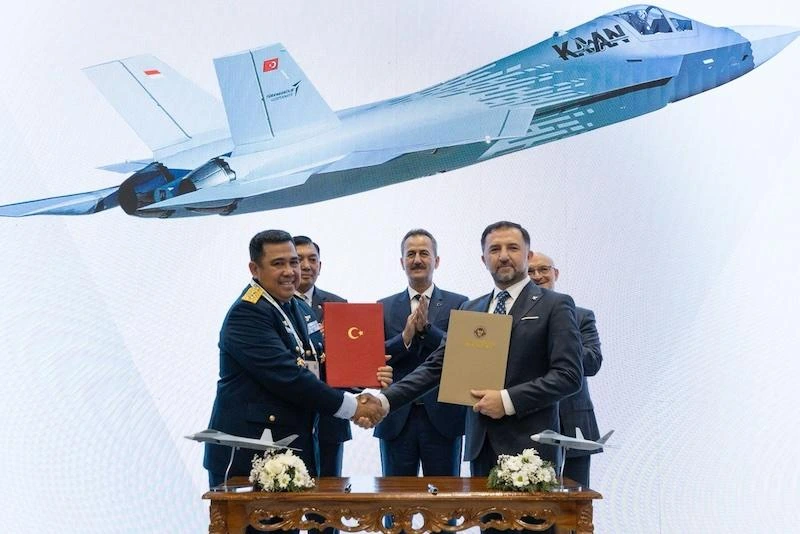
Other countries are circling more cautiously. Pakistan, Azerbaijan, and several Gulf states have expressed varying levels of interest. What draws them in isn’t just performance, it’s control. KAAN’s export model is expected to allow deeper customization than Western alternatives. Weapons integration. Software tweaks. Mission profiles tailored to regional threats.
There’s also a practical angle. Many air forces operate mixed fleets of U.S., European, and legacy Soviet aircraft. Integrating the F-35 into such environments can be… complicated. The KAAN fighter, by contrast, is being designed with modular avionics and open-architecture principles. Translation: fewer compatibility headaches.
From Turkey’s perspective, exports aren’t just about revenue. They’re about economies of scale. More jets built means lower unit costs, faster upgrades, and a healthier supply chain. It’s the same logic that made programs like the F-16 successful decades ago.
KAAN isn’t chasing every customer. It’s targeting those who want capability and autonomy. In today’s fractured defense landscape, that’s a surprisingly large market.