Follow Us:

Follow Us:

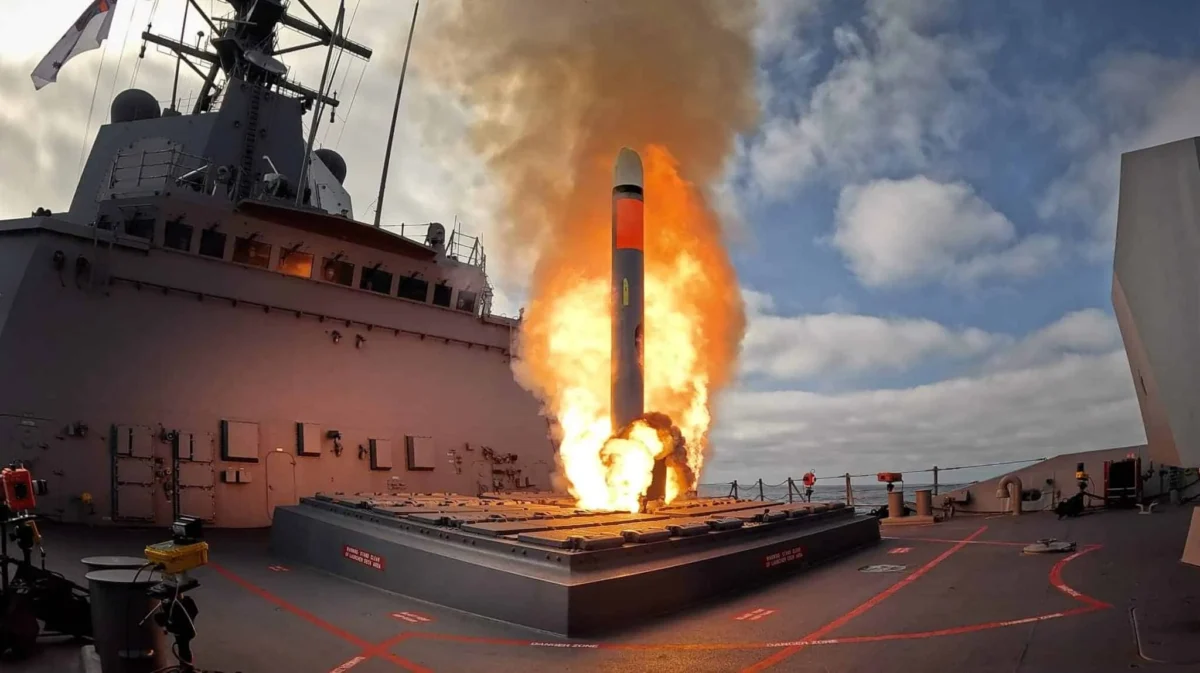
Defense Feeds, Berlin – The German Tomahawk missile production initiative is emerging as part of Berlin’s broader strategy to expand Europe’s missile manufacturing capacity while strengthening NATO’s long-range strike and air defense capabilities.
German officials are exploring domestic production of Tomahawk cruise missiles alongside Patriot air defense missiles, reflecting growing efforts to reduce dependence on overseas manufacturing and reinforce the alliance’s defense industrial base.
The proposal comes as European governments accelerate investments in missile production following lessons learned from recent conflicts, where sustained demand for precision-guided munitions has exposed limitations in existing manufacturing capacity.
The proposed Germany Tomahawk missile production effort represents a significant shift in Germany’s defense industrial policy. Rather than relying solely on imported missile inventories, Berlin is seeking to establish domestic production capabilities that could support both national requirements and broader NATO demand.
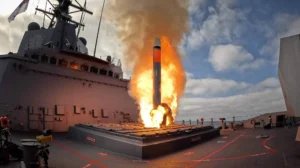
Tomahawk cruise missiles provide long-range precision strike capability against strategic land targets and have become one of the most widely deployed conventional cruise missiles within the Western alliance. Expanding production in Europe would improve supply resilience while reducing delivery timelines for allied customers.
German officials are also examining opportunities to manufacture Patriot interceptor missiles domestically. Increased production would help address growing demand for air defense systems as European countries continue strengthening protection against cruise missiles, ballistic missiles and unmanned aerial threats.
Developing local manufacturing capacity is expected to enhance supply chain security while supporting Europe’s long-term defense readiness.
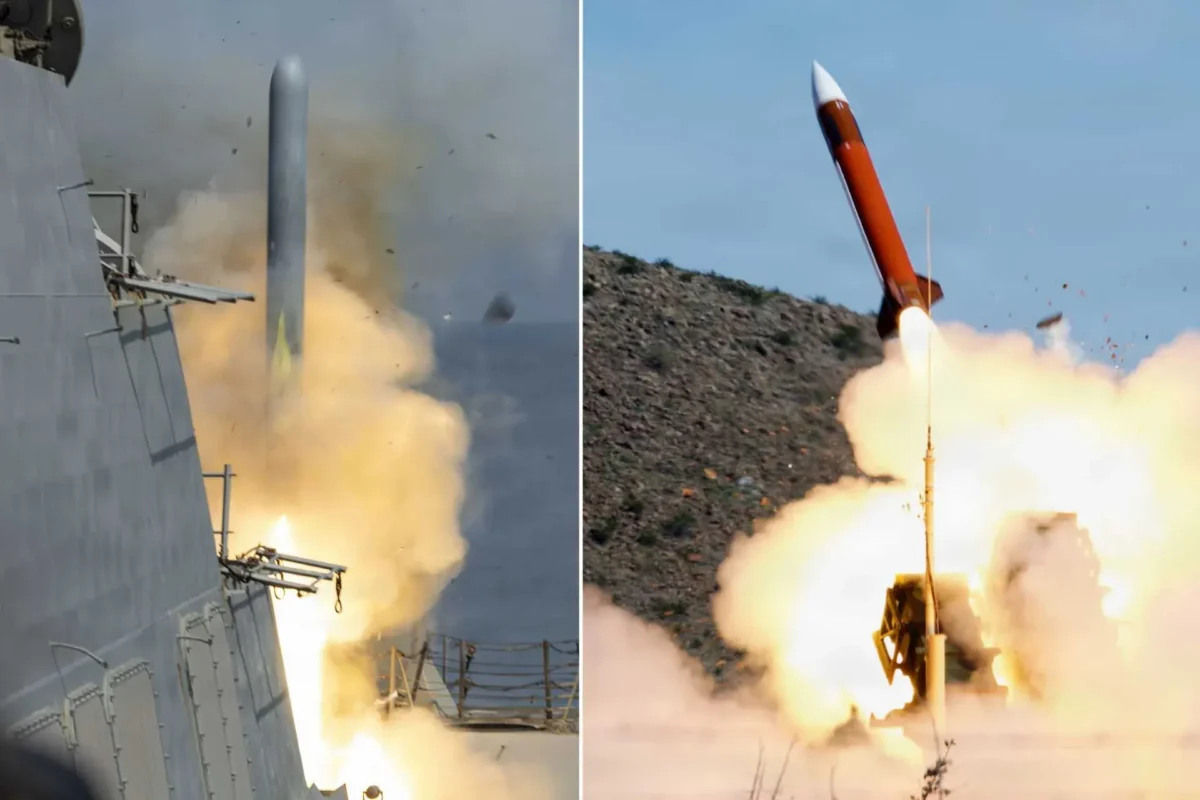
The Germany Tomahawk missile production proposal reflects a broader recognition that modern military effectiveness depends not only on advanced weapon systems but also on the ability to sustain production during prolonged periods of heightened demand.
Recent conflicts have demonstrated that precision-guided missile inventories can be depleted far more quickly than anticipated, prompting NATO members to expand manufacturing capacity across multiple weapon categories.
The Tomahawk remains one of the alliance’s principal long-range land-attack weapons, capable of striking strategic targets hundreds of kilometers from its launch platform with high precision. Expanding production within Europe could improve operational flexibility while supporting future procurement by allied nations.
At the same time, Patriot interceptor production has become increasingly important as demand for integrated air and missile defense systems continues to grow. Many European countries have either acquired or expanded Patriot fleets in response to evolving regional security challenges.
Producing both missile families domestically would strengthen Europe’s ability to sustain critical capabilities without relying exclusively on transatlantic supply chains.
The Germany Tomahawk missile production initiative illustrates Europe’s broader effort to strengthen defense industrial autonomy while remaining closely integrated with NATO. The alliance has placed increasing emphasis on expanding production of missiles, ammunition and other critical military equipment to ensure long-term readiness.
For Germany, developing domestic manufacturing capabilities supports multiple strategic objectives. In addition to improving national defense preparedness, expanded production could contribute to allied stockpiles, enhance interoperability and reinforce Germany’s role as a leading European defense industrial hub.
The initiative also reflects changing procurement priorities across Europe. Rather than focusing solely on acquiring new platforms, governments are increasingly investing in production infrastructure capable of sustaining military operations over extended periods.
Combining Tomahawk cruise missile production with Patriot interceptor manufacturing would provide Germany with a more comprehensive role across both offensive long-range strike and defensive air and missile defense capabilities.
If implemented, the program could become one of the most significant missile manufacturing initiatives undertaken in Europe in recent years. Beyond increasing production capacity, it would strengthen NATO’s collective deterrence posture while supporting the alliance’s long-term objective of building a more resilient and responsive defense industrial base capable of meeting future security challenges.