Follow Us:
Follow Us:

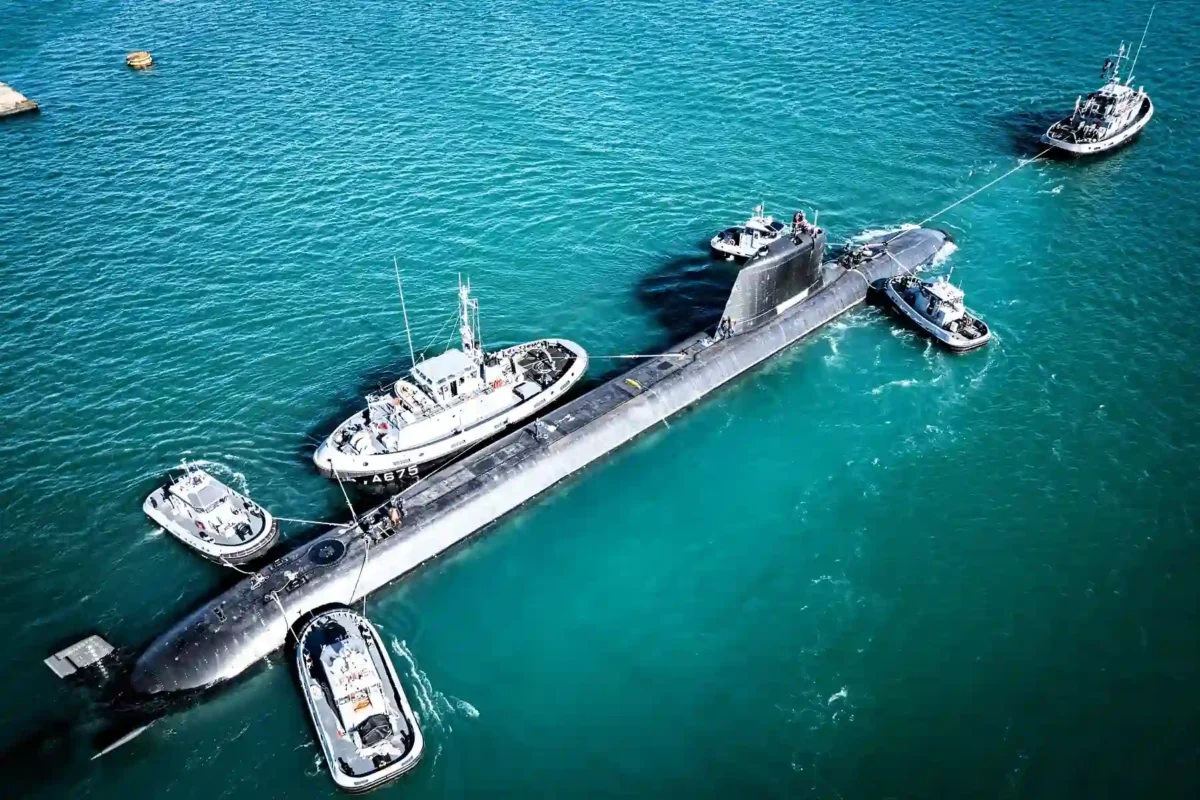
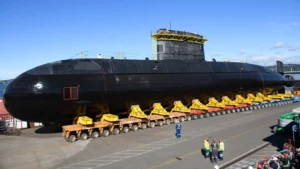
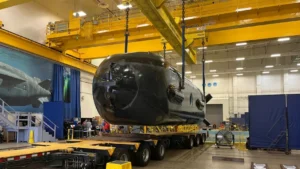
Defense Feeds, Cherbourg – The De Grasse Barracuda submarine has officially joined the French Navy, marking another milestone in France’s long-term naval modernization program.
As the fourth vessel of the Barracuda-class nuclear-powered attack submarines, the new submarine will strengthen the Navy’s ability to conduct anti-submarine warfare, intelligence gathering and long-range precision strike missions while reinforcing France’s strategic presence across key maritime regions.
The delivery continues the gradual replacement of the aging Rubis-class fleet with a new generation of nuclear-powered attack submarines designed to operate in increasingly contested undersea environments.
The De Grasse Barracuda submarine forms part of France’s six-boat Barracuda program, one of the country’s most important naval modernization initiatives. Developed by Naval Group with support from the French defense industry, the class is designed to provide improved stealth, endurance and combat effectiveness compared with its predecessor.
Powered by a nuclear propulsion system, the submarine can remain submerged for extended periods while conducting operations far from home waters. This capability enables the French Navy to maintain a persistent presence in strategic regions without relying on frequent refueling or logistical support.
Like other vessels in the class, De Grasse is expected to undertake a wide range of missions, including escorting the country’s ballistic missile submarines, protecting carrier strike groups and conducting intelligence, surveillance and reconnaissance operations.
Its introduction also increases the operational availability of France’s attack submarine fleet as older Rubis-class boats continue to retire from service.
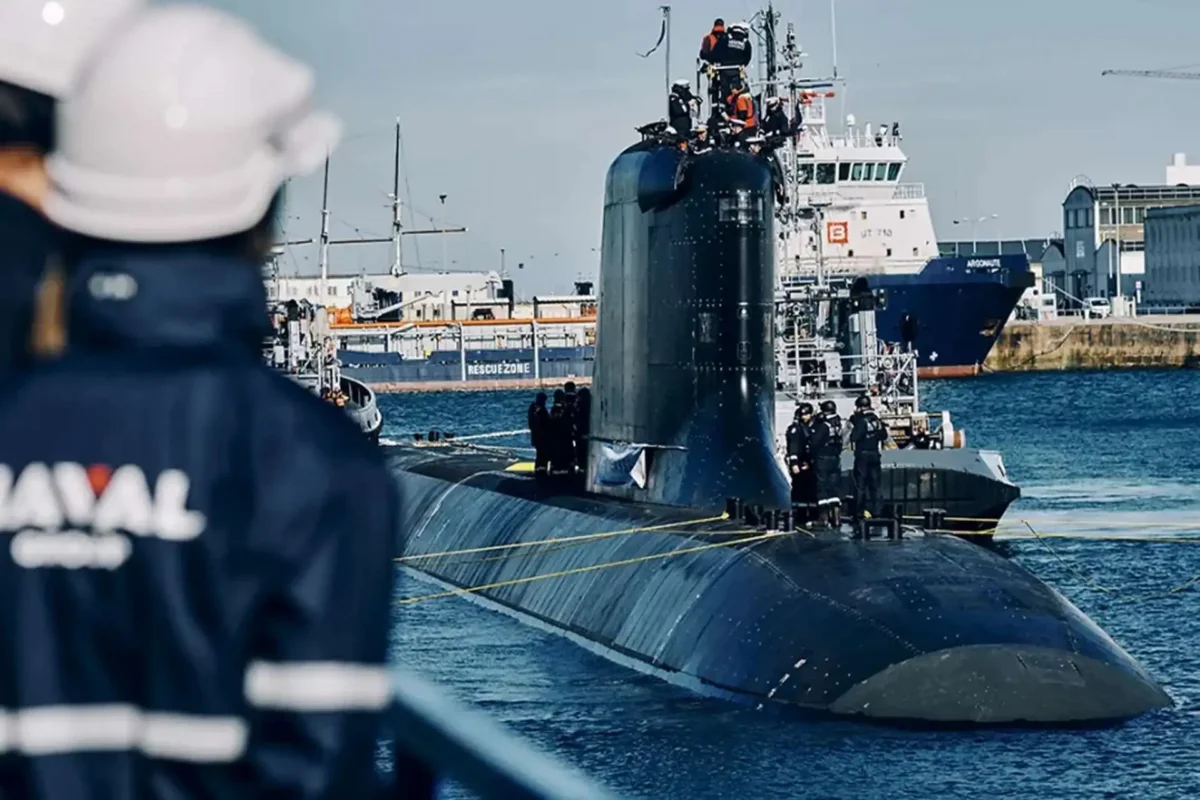
The De Grasse Barracuda submarine has been designed to perform diverse missions across the full spectrum of undersea warfare. Its primary responsibilities include anti-submarine warfare, anti-surface warfare and intelligence collection, but the platform is also capable of supporting special operations and precision strike missions.
The submarine is equipped to launch heavyweight torpedoes, anti-ship missiles and long-range cruise missiles, allowing it to engage both maritime and land-based targets. These capabilities provide French commanders with flexible response options during high-intensity conflicts as well as deterrence operations.
A major focus of the Barracuda program has been reducing acoustic signatures to improve survivability against increasingly sophisticated detection systems. Enhanced stealth enables the submarine to operate discreetly while tracking adversary naval forces or gathering intelligence in sensitive areas.
The platform also incorporates advanced sonar, combat management and communication systems that improve situational awareness and support coordinated operations alongside other French and allied naval assets.
Together, these capabilities make the Barracuda class one of the most advanced conventional mission attack submarines currently entering service in Europe.
The De Grasse Barracuda submarine reinforces France’s position as one of Europe’s leading naval powers and strengthens its ability to protect national interests across the Atlantic, Mediterranean and Indo-Pacific regions.
Nuclear-powered attack submarines play a central role in modern naval strategy because they provide persistent surveillance, sea denial and precision strike capabilities while remaining difficult to detect. They also contribute directly to protecting France’s sea-based nuclear deterrent by escorting ballistic missile submarines during strategic patrols.
The arrival of De Grasse comes as many nations expand investment in undersea warfare capabilities amid growing geopolitical competition and increased naval activity across critical maritime chokepoints.
For France, completing the Barracuda fleet remains a strategic priority that will ensure the Navy maintains a highly capable and modern submarine force for decades to come. Beyond strengthening national defense, the program also reinforces the country’s indigenous naval industrial base and supports continued technological leadership in submarine design and construction.
As additional Barracuda-class submarines enter service, the French Navy will gain greater operational flexibility to conduct deterrence patrols, intelligence missions and precision strike operations across an increasingly complex global maritime environment.