Follow Us:
Follow Us:

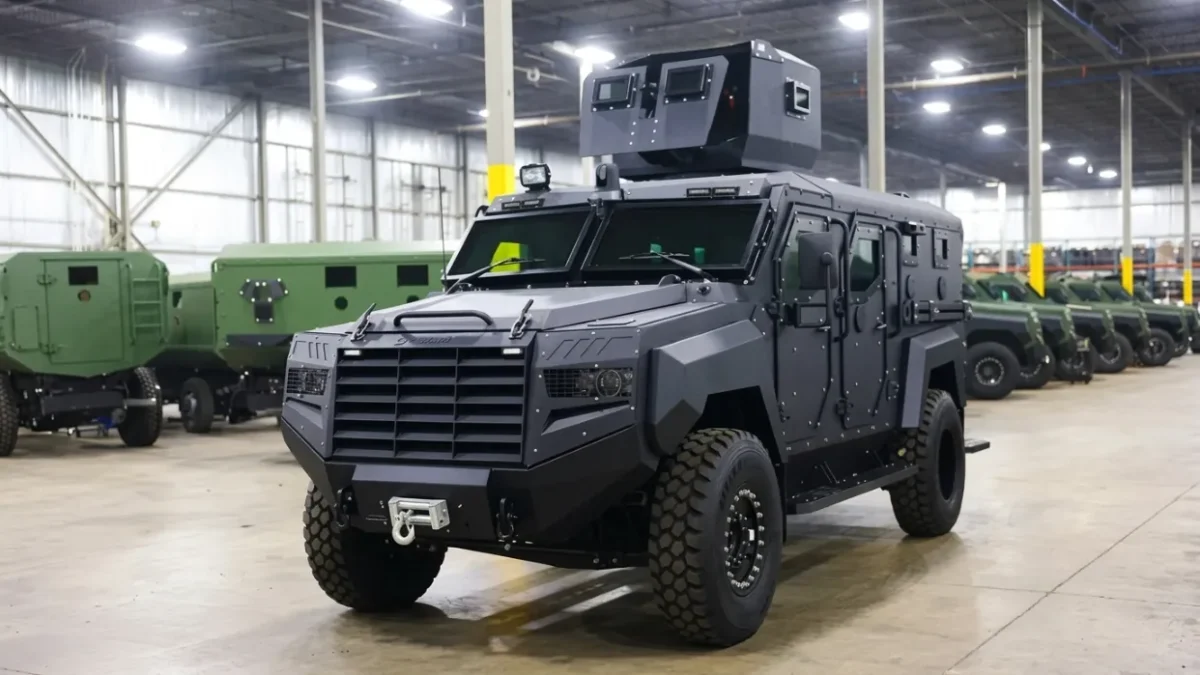
Defense Feeds, Chișinău – The Moldova Roshel armored vehicles program has advanced with a new contract supported by European Union funding, marking another step in the country’s efforts to modernize its armed forces and improve military mobility.
Backed by an EU grant, the acquisition will provide the Moldovan Armed Forces with Canadian-built Roshel armored vehicles designed to enhance troop protection, operational flexibility and rapid response capabilities.
The procurement reflects continued European support for Moldova’s defense modernization as the country strengthens its security institutions amid an increasingly complex regional environment.
The Moldova Roshel armored vehicles acquisition forms part of a broader modernization strategy aimed at replacing outdated military equipment with more capable and better-protected platforms. The new vehicles are expected to improve the mobility of Moldovan forces while increasing protection during patrol, convoy escort and internal security missions.
The contract is financed through European Union assistance, highlighting the growing role of the EU in supporting defense capacity-building among partner nations. Rather than supplying offensive weapon systems, the program focuses on improving survivability, mobility and operational readiness.
Roshel vehicles have gained international recognition in recent years for their adaptability across military, border security and law enforcement missions. Their modular design allows operators to configure the platforms for personnel transport, reconnaissance, command-and-control and emergency response roles.
For Moldova, the acquisition contributes to a gradual transformation of the armed forces through modern equipment and closer cooperation with European security partners.
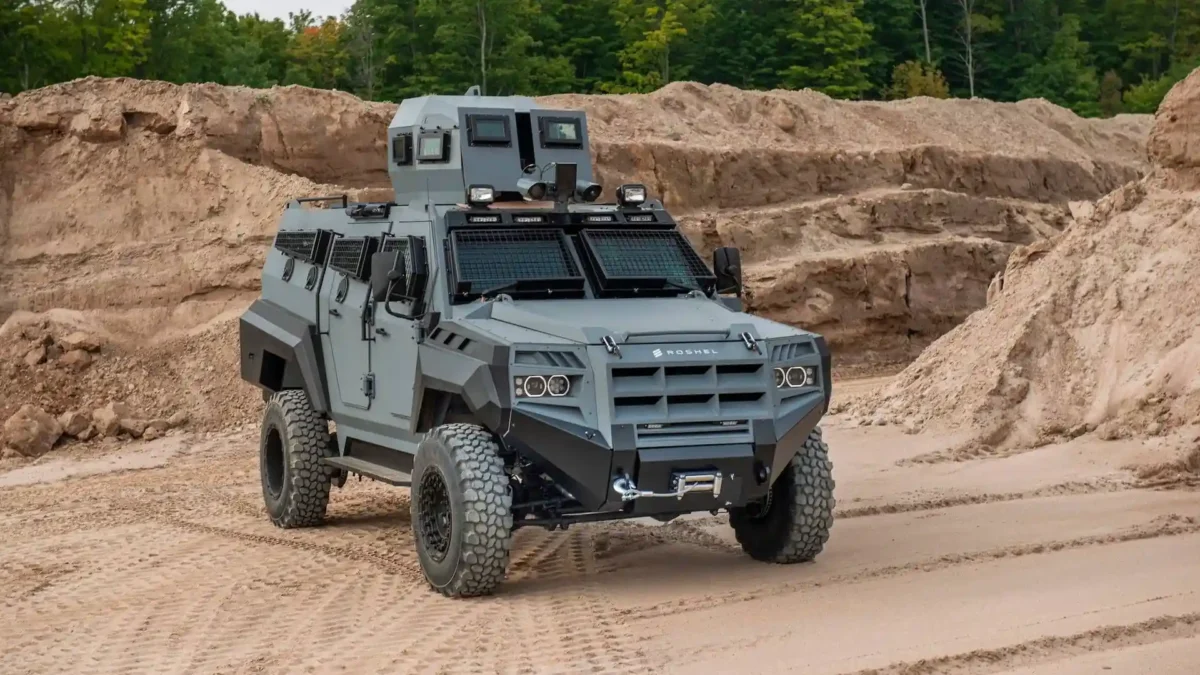
The Moldova Roshel armored vehicles package will provide protected mobility for personnel operating in a variety of environments. Built on a commercial heavy-duty chassis with armored protection, Roshel vehicles are designed to withstand small-arms fire, fragmentation and other battlefield hazards while maintaining high road mobility.
The vehicles can transport military personnel safely during patrols, peacekeeping deployments and rapid-response operations. Their combination of protection, reliability and ease of maintenance makes them particularly suitable for countries seeking affordable modernization without acquiring heavier armored fighting vehicles.
Modern communications equipment and mission-specific configurations can also be integrated depending on operational requirements. This flexibility enables commanders to deploy the same platform across multiple mission sets while simplifying maintenance and logistics.
Improved mobility also enhances the armed forces’ ability to respond quickly during emergencies, natural disasters and border security operations, expanding the utility of the fleet beyond traditional military tasks.
The Moldova Roshel armored vehicles initiative underscores the European Union’s continuing commitment to strengthening the resilience of partner nations through defense assistance and institutional support. While Moldova maintains a policy of military neutrality, it has steadily expanded defense cooperation with European partners to improve readiness and modernize aging equipment.
Recent regional security developments have accelerated investment in mobility, communications and force protection capabilities throughout Eastern Europe. For smaller militaries, acquiring modern armored vehicles represents a practical way to improve operational effectiveness without undertaking costly large-scale force restructuring.
The EU-funded procurement also demonstrates the increasing importance of defense industrial cooperation among Western partners. Canadian-built Roshel vehicles have become widely adopted by several countries because of their proven operational performance, rapid production timelines and adaptable design.
As Moldova continues strengthening its armed forces, the addition of modern protected mobility platforms will improve the military’s ability to conduct domestic security, peacekeeping and emergency response missions. Supported by European funding, the program also reinforces broader efforts to enhance regional stability while building a more capable and resilient defense force prepared to address future security challenges.