Follow Us:
Follow Us:

Imagine a single aircraft lifting off, climbing higher than commercial jets, and then, almost casually, keeping watch over an ocean the size of a continent for an entire day. No pilot. No cockpit chatter. Just sensors, data streams, and patience. That’s the MQ-4C Triton, and it’s one of the most consequential aircraft most people never think about.
At first glance, the MQ-4C Triton looks like another long-winged military drone. Long nose, slender body, wings that seem to go on forever. But that surface impression misses the point.
Triton isn’t built to chase targets or drop weapons. It’s built to notice things that don’t want to be noticed, a lone ship behaving oddly, a submarine support vessel drifting where it shouldn’t, patterns in the ocean that only make sense when you zoom way out.
Developed by Northrop Grumman for the U.S. Navy, the MQ-4C Triton is a high-altitude, long-endurance (HALE) unmanned aircraft designed for maritime intelligence, surveillance, and reconnaissance, ISR, in military shorthand. It cruises above 50,000 feet. It can stay airborne for more than 24 hours. And it doesn’t just look; it remembers, layering data over time until a clear picture emerges.
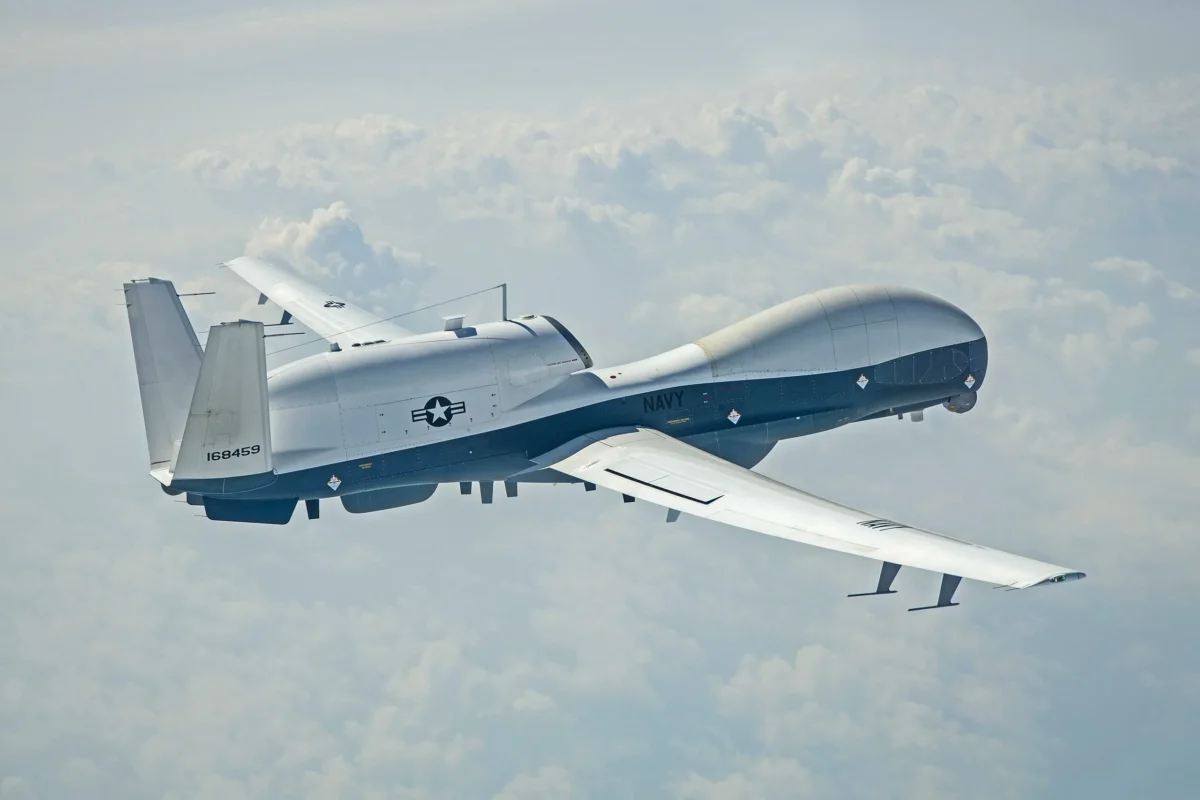
What makes Triton especially interesting, rarely discussed outside defense circles, is how it changes the tempo of naval operations. Instead of reacting to threats, navies can now watch them develop in slow motion. That shift, from sprinting to pacing, is where Triton quietly earns its keep.
In the sections ahead, we’ll unpack what the MQ-4C Triton really is, how it works, and why it’s reshaping maritime surveillance in ways that go far beyond a single drone in the sky.
Stripped of acronyms and defense-industry gloss, the MQ-4C Triton is a flying persistence machine. Its job isn’t to dazzle. It’s to stay. Stay aloft. Stay focused. Stay aware long after human crews would need rest, fuel, or relief.
Officially, the MQ-4C Triton is a high-altitude, long-endurance unmanned aerial vehicle (HALE UAV) purpose-built for maritime intelligence, surveillance, and reconnaissance.
It was developed by Northrop Grumman as part of the U.S. Navy’s push to monitor vast ocean spaces without burning through crewed aircraft hours. Think of it as the calm, methodical counterpart to the faster, louder patrol planes below.
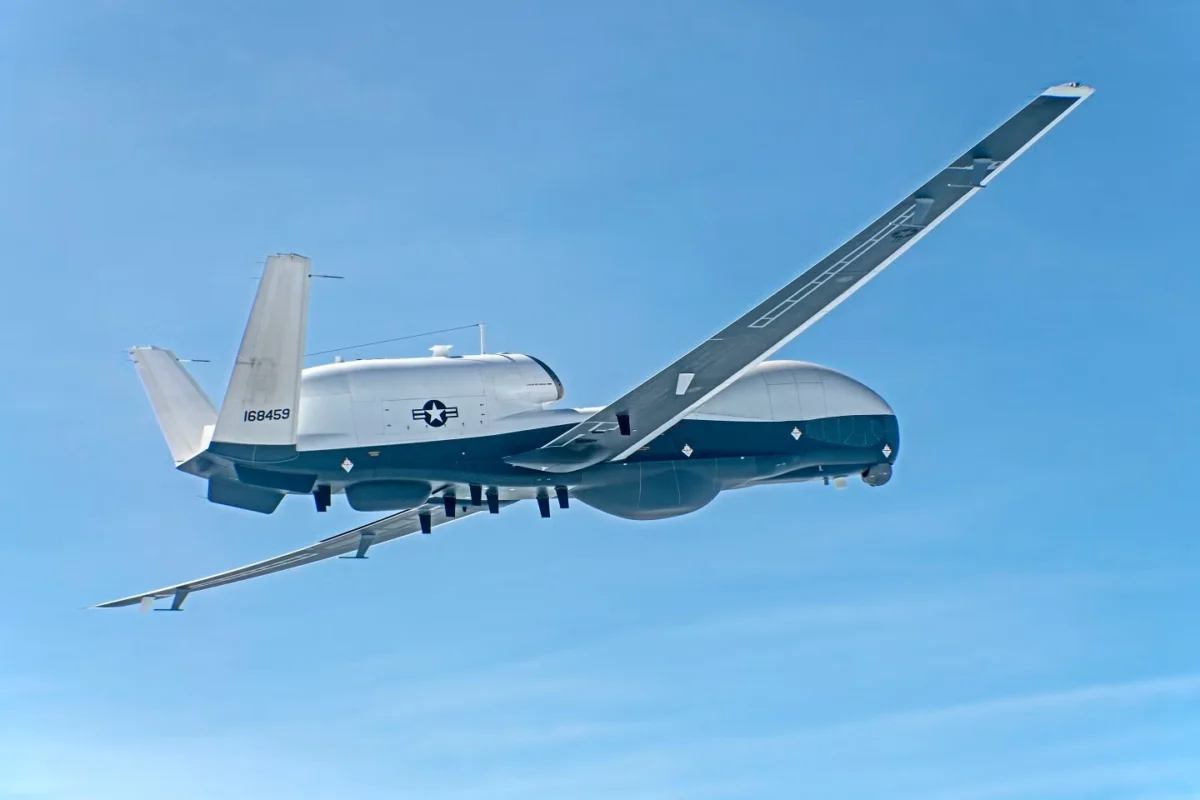
Triton’s design philosophy is different from most military drones. It doesn’t loiter over a single target. Instead, it surveys entire regions, millions of square miles at a time, connecting dots that would otherwise stay invisible. One pass might mean nothing. Twelve hours of overlapping sensor coverage? That’s when patterns emerge.
Another detail that often gets overlooked: Triton was designed from day one to work with other assets, not replace them. It feeds intelligence directly to crewed aircraft like the P-8A Poseidon, surface ships, and command centers. Triton sees wide; others zoom in. It’s a relay runner, not a solo sprinter.
Here’s a simple snapshot of what defines the MQ-4C Triton at a glance:
| Feature | MQ-4C Triton |
| Role | Maritime ISR (Intelligence, Surveillance, Reconnaissance) |
| Operating Altitude | 55,000+ feet |
| Endurance | 24+ hours |
| Developer | Northrop Grumman |
| Primary Users | U.S. Navy, Royal Australian Air Force |
In short, the MQ-4C Triton isn’t about dramatic moments. It’s about continuous awareness. And in modern naval strategy, awareness is leverage.
The MQ-4C Triton wasn’t designed to win beauty contests. Every curve, stretch, and bulge on its airframe exists because the ocean is an unforgiving place, and the Navy wanted a drone that could outlast it.
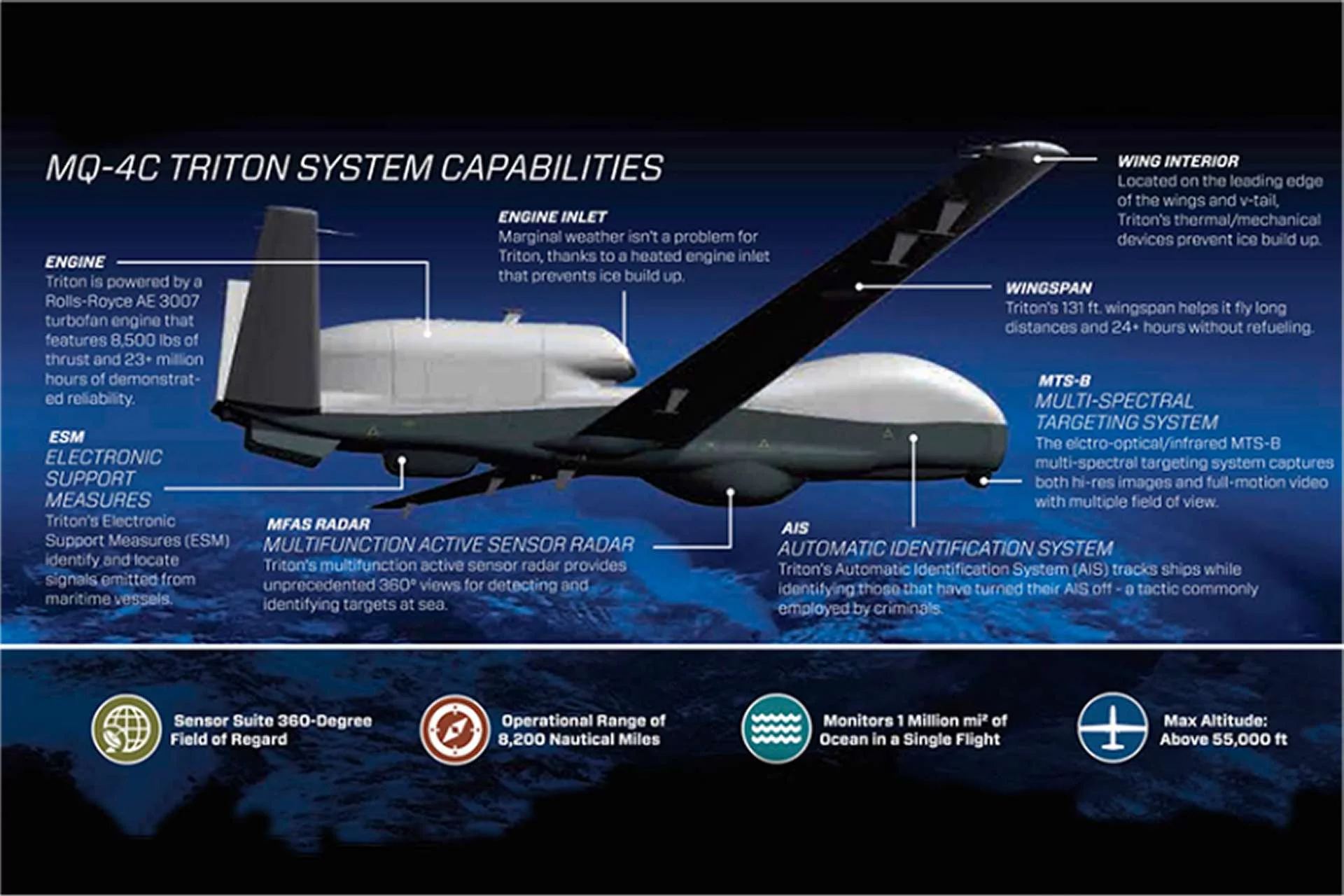
Start with the wings. They’re long. Really long. That exaggerated wingspan isn’t aesthetic flair; it’s the secret to Triton’s endurance. High aspect-ratio wings let the aircraft sip fuel while cruising above weather systems, where turbulence and storms fade into background noise. While ships below wrestle with waves, Triton glides calmly in thin air.
Then there’s the reinforced structure. Unlike its land-focused cousins, Triton is built to survive maritime chaos, salt corrosion, lightning strikes, and extreme winds. Engineers even strengthened the wings to handle gusts you’d expect inside tropical storms. Few drones are trusted to fly through bad weather instead of around it.
Read also: RQ-4D Phoenix: NATO’s High-Altitude Surveillance Drone
Under the skin, things get even more interesting. The MQ-4C Triton carries a layered sensor suite designed for wide-area maritime surveillance, not narrow tunnel vision. Its radar can scan thousands of square miles in a single mission, while electro-optical and infrared sensors help identify vessels that try to blend into cluttered sea lanes.
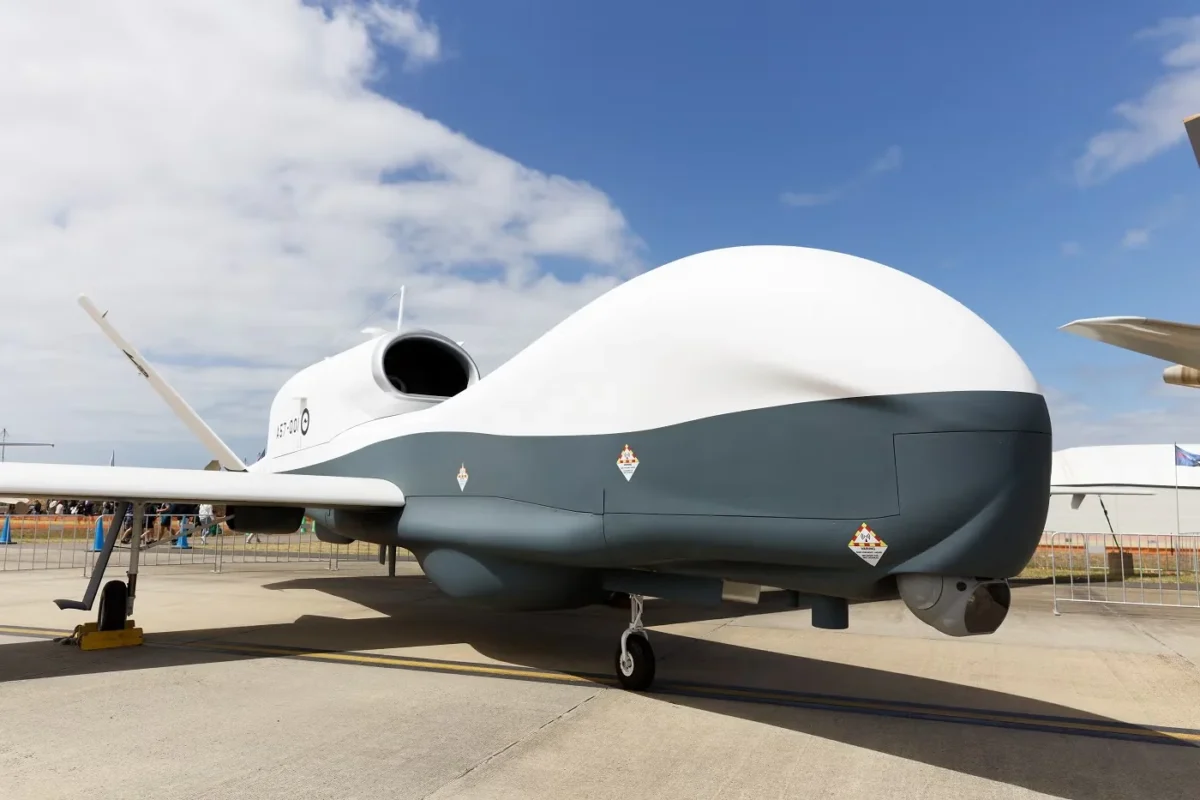
Here’s a simplified breakdown of Triton’s core technical specs:
| Specification | MQ-4C Triton |
| Wingspan | ~130 feet |
| Max Altitude | 55,000+ ft |
| Endurance | 24–30 hours |
| Engine | Rolls-Royce AE 3007 |
| Radar | Multi-Function Active Sensor (MFAS) |
One subtle design choice deserves attention: autonomy. Triton isn’t remotely “flown” minute by minute. It manages much of its own navigation, sensor tasking, and safety logic. Human operators guide intent; Triton handles execution.
That balance, human judgment paired with machine stamina, is what makes the MQ-4C Triton feel less like a drone and more like a tireless maritime lookout that never blinks.
It’s tempting to describe the MQ-4C Triton as “eyes in the sky,” but that undersells it. Triton doesn’t just look, it organizes chaos. On a typical mission, it acts more like an air traffic controller for the ocean than a camera with wings.
Once airborne, Triton climbs high, well above commercial airliners, and settles into a wide, methodical patrol pattern. From that altitude, its maritime surveillance radar can sweep massive areas in a single pass, detecting ships that are hundreds of miles apart. Fishing boats, cargo vessels, naval ships, everything becomes part of a constantly updated map.
What makes this powerful is time. Triton doesn’t rush. It watches how vessels move, stop, change course, or behave oddly. A ship that cuts its transponder, drifts too long, or mirrors another vessel’s path triggers attention. Those anomalies get flagged and passed to human analysts or nearby assets like the P-8A Poseidon for closer inspection.
Beyond radar, the MQ-4C Triton supports signals intelligence (SIGINT) and electro-optical sensing. That means it can help identify communication emissions, classify contacts, and confirm visual details when conditions allow. It’s not doing all this alone; Triton feeds data into a larger naval network where information from ships, satellites, and aircraft converges.
Here’s a simplified look at Triton’s core mission roles:
| Mission Type | What Triton Provides |
| Wide-Area ISR | Persistent ocean surveillance |
| Maritime Domain Awareness | Vessel tracking and behavior analysis |
| SIGINT Support | Detection of electronic emissions |
| Target Cueing | Data for crewed aircraft and ships |
What’s rarely mentioned is how boring this work looks from the outside, and how valuable that boredom is. Triton excels at the long, quiet hours where nothing dramatic happens… until suddenly, something does. And when that moment comes, the MQ-4C Triton has already been watching.
On paper, the MQ-4C Triton is “just” a surveillance drone. In practice, it quietly reshapes how naval power is applied, especially in regions where distance is the real enemy.
Modern oceans aren’t empty. They’re crowded, contested, and noisy. Commercial shipping, fishing fleets, naval patrols, unmanned systems, all moving at once.
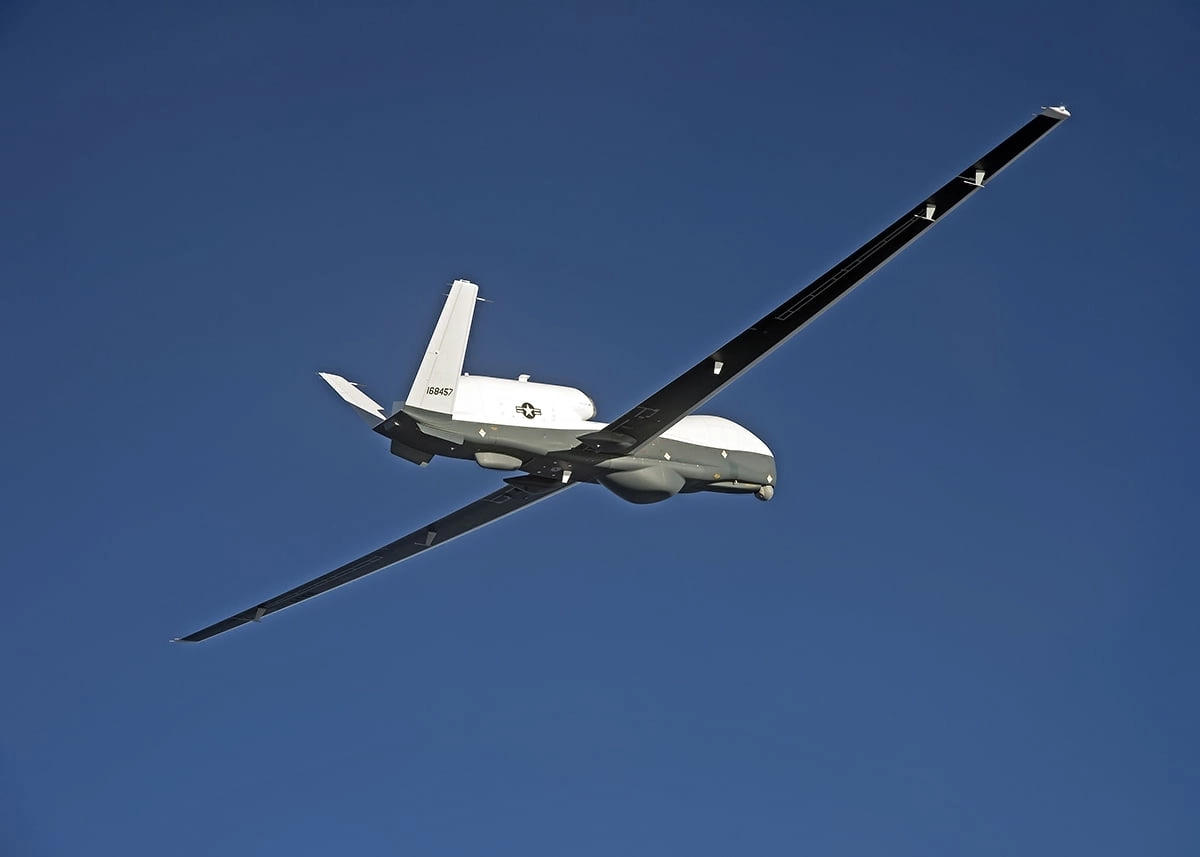
The strategic value of Triton lies in its ability to make sense of that mess before it turns into a problem. Instead of reacting to incidents, commanders get a slow, steady flow of context. Who’s been here all day. Who just arrived. Who’s behaving oddly.
That matters most in vast theaters like the Indo-Pacific, where distances are brutal and response times can stretch into days. A single MQ-4C Triton can cover millions of square miles in one mission, areas that would otherwise demand multiple crewed aircraft flying in shifts. That persistence changes planning. Ships don’t have to “go look” as often. They already know.
There’s also a cost-and-risk angle that rarely gets highlighted. Triton absorbs missions that are dull, repetitive, and exhausting for human crews. No fatigue. No rotation schedules. No exposure to hostile airspace for pilots. Over time, that reshapes force readiness in subtle but important ways.
Another strategic edge: integration. Triton doesn’t replace ships or patrol aircraft; it amplifies them. A P-8 Poseidon launched with Triton’s intelligence is sharper, faster, and more efficient. It arrives knowing where to look.
In a world obsessed with speed and firepower, the MQ-4C Triton proves a quieter truth: sustained awareness is power. And power that never sleeps tends to age very well.
Comparing the MQ-4C Triton to other ISR drones can feel a bit unfair, like lining up marathon runners next to sprinters and asking who’s “better.” Triton plays a different game, on a different clock.
The comparison most people jump to is the RQ-4 Global Hawk, and for good reason, they share DNA. But Triton isn’t a simple maritime repaint. Where Global Hawk was optimized for land surveillance, Triton was hardened for ocean reality. Reinforced wings for turbulence, anti-icing systems, lightning protection, and sensors tuned for sea clutter all point to one thing: Triton is meant to live over water, not just visit it.
Medium-altitude drones like the MQ-9 Reaper or similar ISR platforms offer sharper imagery and tactical flexibility, but they pay for it in endurance and coverage. Reapers loiter low, watch small areas, and need frequent handoffs. Triton stays high and wide, watching everything, even if the detail comes later via other assets.
Here’s a simplified comparison that highlights the trade-offs:
| Platform | Altitude | Endurance | Coverage Style | Primary Role |
| MQ-4C Triton | 50,000+ ft | 24+ hrs | Wide-area | Maritime ISR |
| RQ-4 Global Hawk | 60,000 ft | 30+ hrs | Land-focused | Strategic ISR |
| MQ-9 Reaper | ~25,000 ft | 14–20 hrs | Localized | Tactical ISR |
What makes Triton stand out isn’t raw performance, it’s fit. Oceans demand patience, scale, and continuity. Triton delivers all three. It doesn’t chase targets; it sets the stage so others can.
In that sense, the MQ-4C Triton isn’t competing with other drones. It’s anchoring them.
The most interesting thing about the future of the MQ-4C Triton is how little it will announce itself. No radical redesign. No flashy reinvention. Just steady expansion, deeper integration, and sharper awareness.
Upgrades are already leaning toward multi-intelligence fusion, combining radar, signals intelligence, and sensor data into a more cohesive picture. The goal isn’t more data. It’s better judgment. Fewer false positives. Faster pattern recognition. Less noise for human analysts to untangle at 3 a.m.
There’s also a growing push to weave Triton more tightly into joint and allied operations. As more navies adopt compatible systems, Triton becomes a shared vantage point, a common operational picture floating quietly above international waters. For countries with limited patrol fleets, that’s a force multiplier that doesn’t require new runways or aircrews.
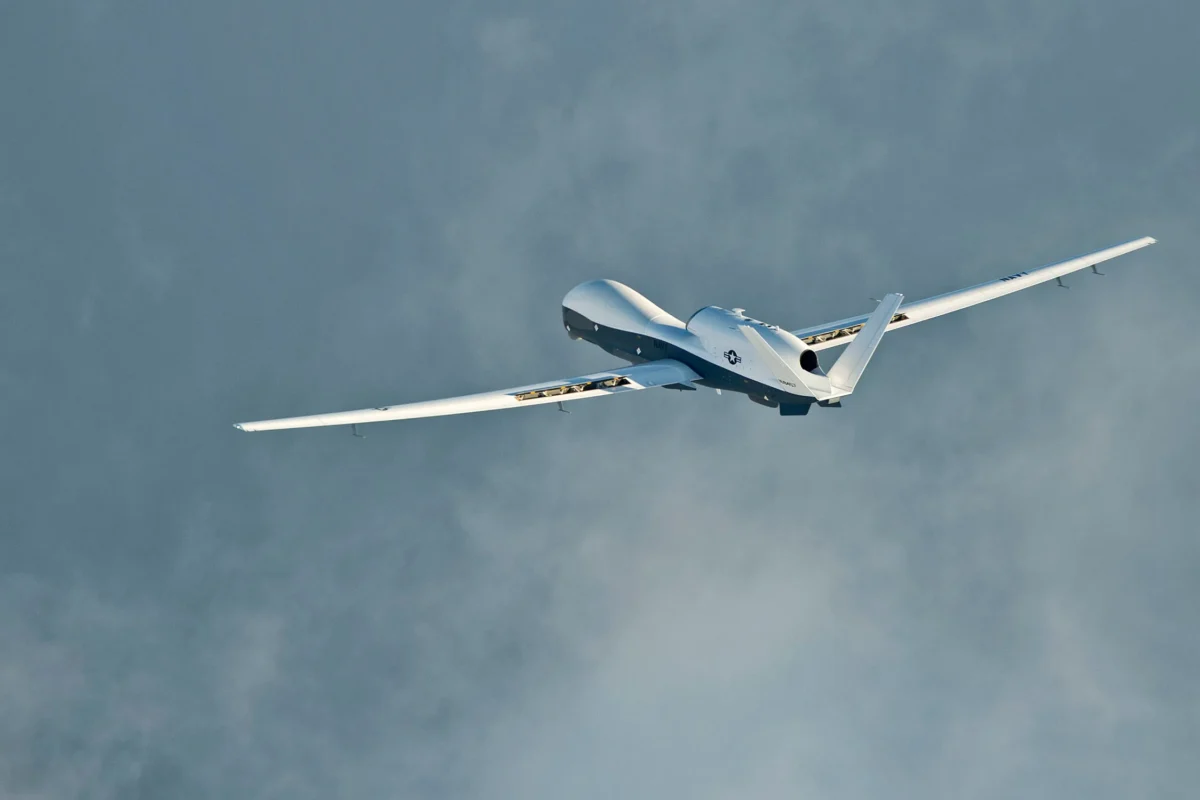
Autonomy will creep forward too, though cautiously. Triton already manages much of its own flight logic, but future iterations are likely to handle smarter sensor tasking, deciding what to look at next based on evolving behavior, not preloaded instructions. Less joystick. More intent.
What won’t change is the aircraft’s personality. The MQ-4C Triton will never be dramatic. It won’t win arguments on social media or star in recruitment videos. Its success will continue to look like calm dashboards, uninterrupted coverage, and commanders who sleep a little easier.
And maybe that’s the point. In an era obsessed with speed and spectacle, Triton’s strength is endurance. It stays. It watches. And by doing so, it quietly shapes the balance of power over the world’s oceans.