Follow Us:
Follow Us:

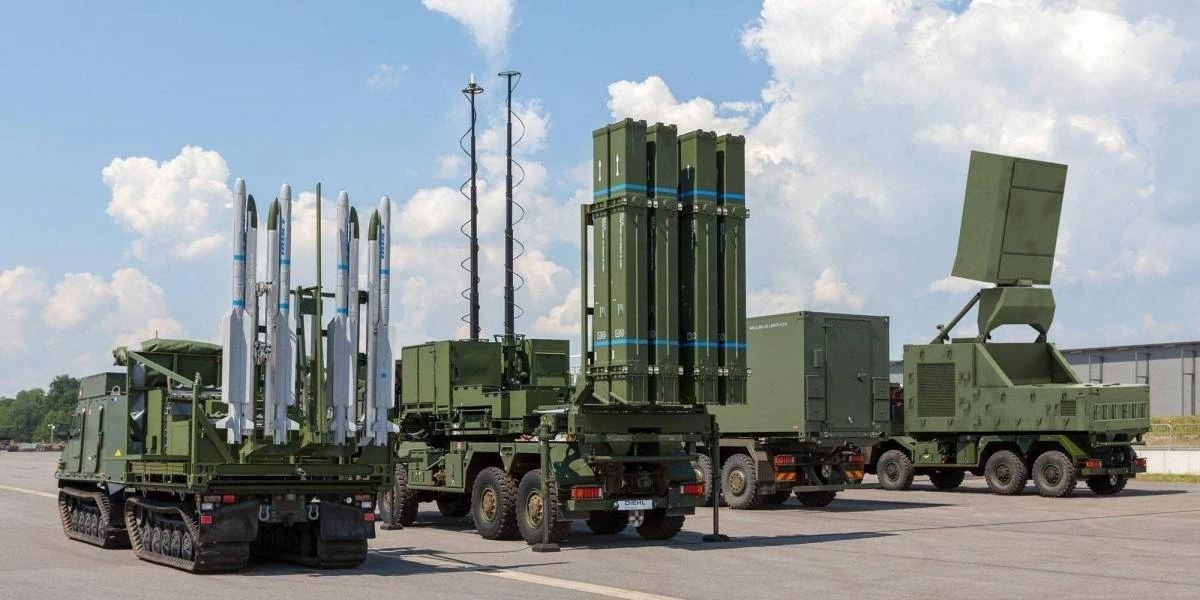
Over the past two years, the war in Ukraine has pushed many countries to rethink how they protect their skies. One of the systems that has gained a lot of attention is Germany’s Iris-T SLM air defence system. When it was first sent to Ukraine in 2022, reports suggested it managed to shoot down incoming threats with a very high success rate; some even claimed close to 100 percent in the early days. That figure is debated, of course, but the mere possibility caught the eye of military analysts worldwide.
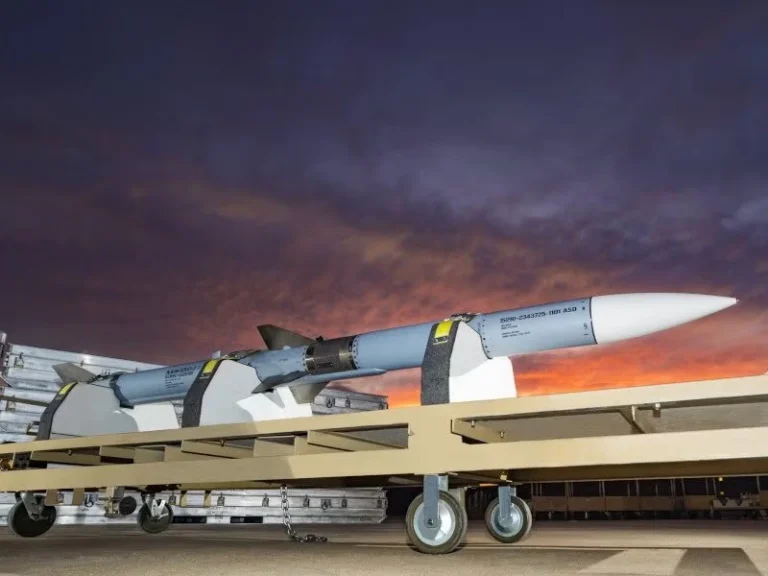
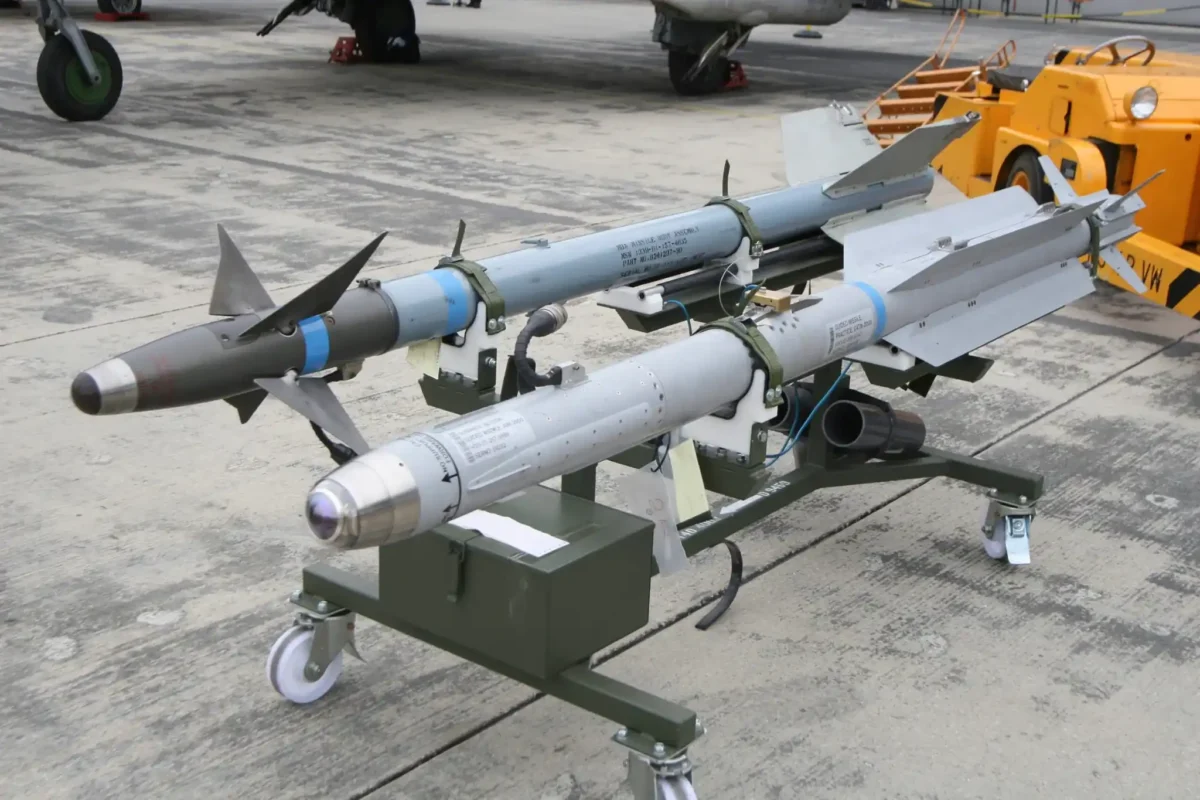
What makes the Iris-T’s journey interesting is that it didn’t begin as a ground defense weapon at all. The missile was first built for air-to-air combat, meant to be fired from fighter jets. Only later did engineers start reworking it for use on the ground. After that long adaptation, it is now often described as one of Germany’s most advanced air defence systems.
But how much of its success is due to the technology itself, and how much comes from the conditions in which it is used? And perhaps the bigger issue is, can the Iris-T SLM keep performing as effectively once adversaries learn its patterns and look for weaknesses?
The Iris-T SLM was developed by Diehl Defence, a company with decades of experience in missile work. The system was not built from scratch. Instead, it grew out of the Iris-T air-to-air missile project, a program launched in the 1990s with support from several European partners who were looking for a successor to the aging AIM-9 Sidewinder.
Over time, engineers thought, “If the Iris-T could take down fast-moving aircraft in the sky, why not adapt it for ground-based air defense? That idea eventually led to a family of systems, the Iris-T SLS for short range, the Iris-T SLM for medium range, and the planned Iris-T SLX for longer range.
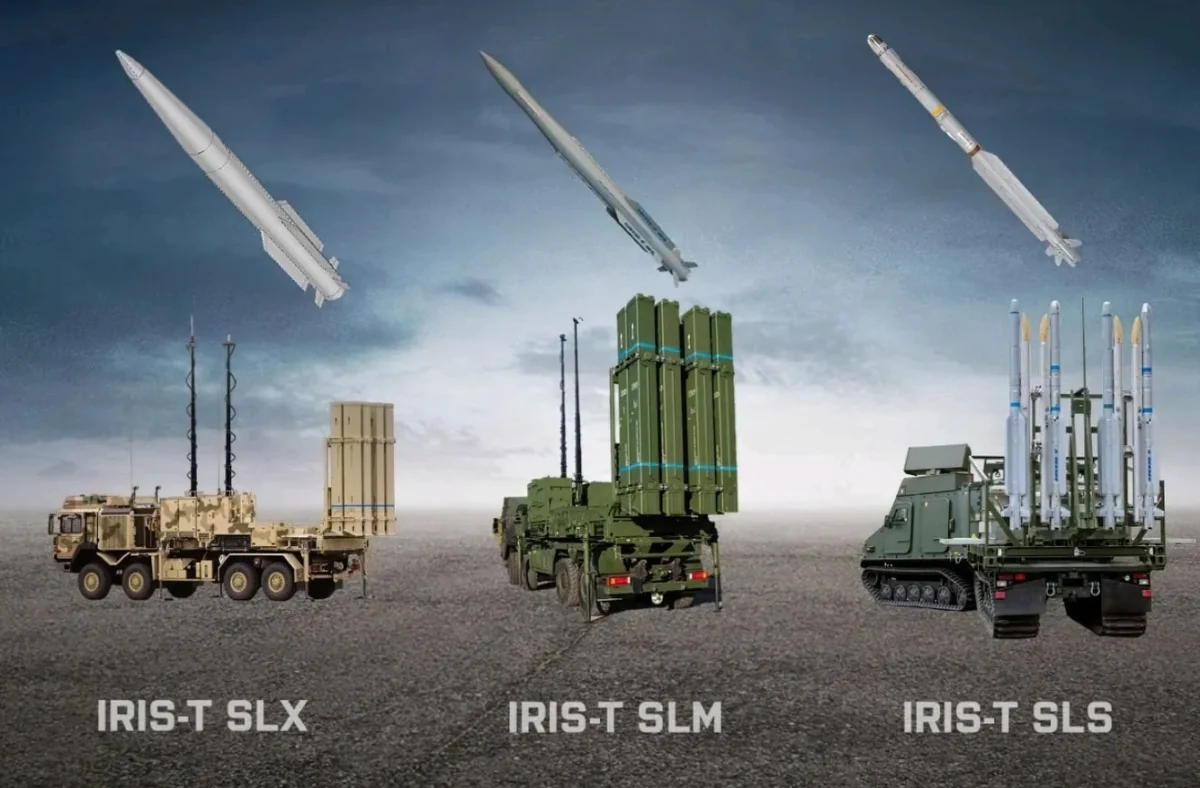
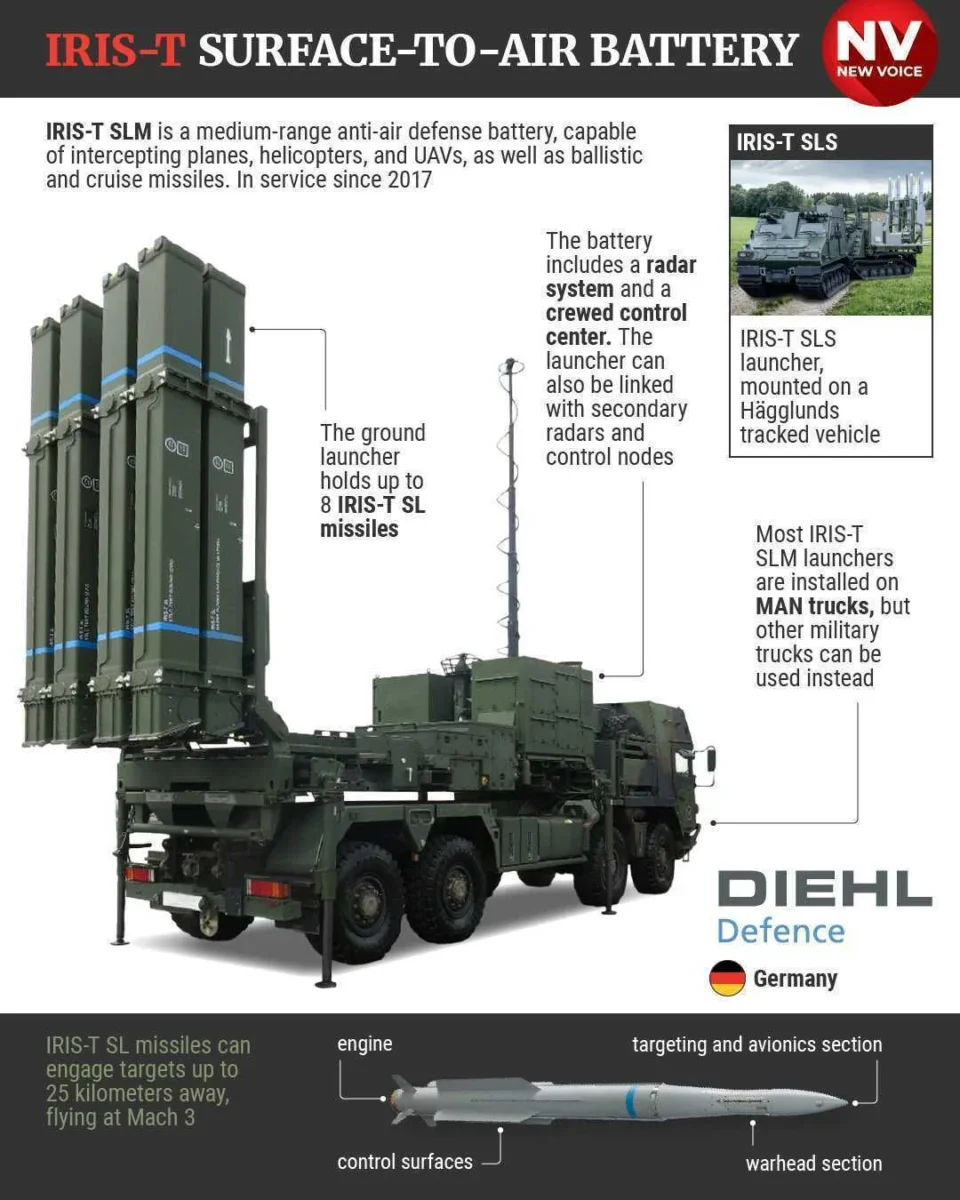
The Iris-T SLM air defence system sits in the middle of this spectrum. Military planners often place it in the “short-to-medium range” category of surface-to-air missiles (SAMs). In practice, that means it is designed to protect cities, bases, or infrastructure from threats like drones, cruise missiles, helicopters, and some types of aircraft. Its advertised range varies depending on the source, but it is usually said to be around 40 kilometers. This is enough to cover a large urban area if the battery is positioned well.
What makes it stand out, at least according to early reports, is the way the whole battery is put together: radar, command unit, and launchers all linked in a network. This setup allows the system to track several targets at once, making it harder for an attacker to overwhelm it with sheer numbers.
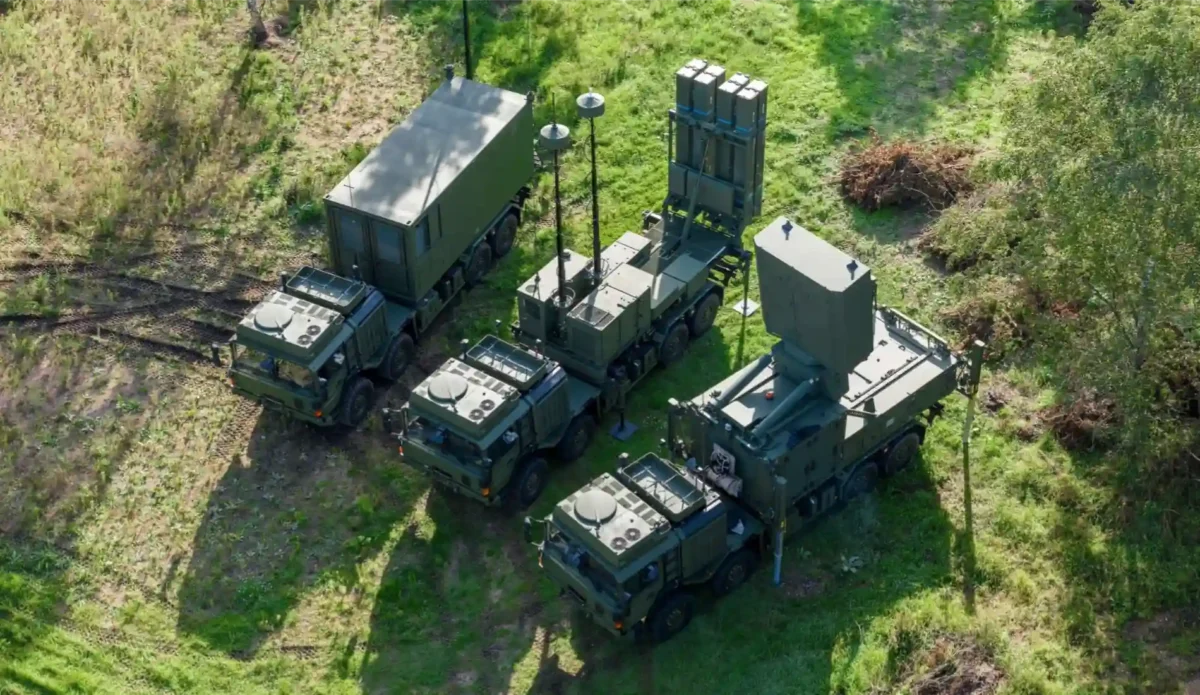
When people talk about the Iris-T SLM, the first numbers that often come up are its range and altitude. Officially, the missile can reach targets about 40 kilometers away and as high as 20 kilometers.
To put that into perspective, that’s roughly the distance from one side of a mid-sized city to the other. Of course, numbers on paper can sometimes be optimistic. In a real battle, terrain, weather, and the enemy’s tactics all affect how far the system can actually reach.

The system’s radar and guidance are another part worth looking at. Each Iris-T SLM missile carries its own active radar seeker, meaning it can home in on a target without needing constant updates from the ground. At the same time, it also uses GPS and an inertial navigation system (INS) to guide itself in the early phase of flight. However, could this layered guidance make it harder for enemies to jam or trick the missile compared to older systems?
One of the features often highlighted is its ability to engage multiple targets at once. In theory, a single battery can track and fire on several incoming threats. Open sources suggest that a single battery can manage a few targets effectively. But how many targets can it really handle before performance starts to drop? Adversaries are almost certainly asking the same thing, since using sheer numbers to overwhelm a defender has been a classic tactic for decades.
Finally, there’s the issue of mobility and modular design. Unlike some heavier, fixed air defense systems, the Iris-T SLM is built to be moved around on trucks and set up fairly quickly. This makes it harder for an opponent to predict where the launchers will be.
Supporters of the Iris-T SLM air defence system often point to its reported high hit probability. In Ukraine, for example, early accounts claimed that the system intercepted nearly every target it fired at, from drones to cruise missiles. That figure sounds impressive, almost too perfect, some might say.
Combat is rarely that clean, and performance often drops once an enemy studies the system and adjusts its tactics. Even if the success rate is a bit lower than advertised, the fact that it has shown strong results against modern threats has given it a reputation worth noting.
One of the biggest challenges for any air defense system today is the variety of things it has to counter. It’s no longer just about fast jets, now there are cheap drones, low-flying helicopters, and long-range cruise missiles. The Iris-T missile, with its combination of speed, agility, and advanced guidance, seems well-suited to this mix.
But again, no single system can realistically cover every type of threat on its own. Most militaries rely on a layered mix of defenses, where systems like Iris-T SLM handle short-to-medium range targets while heavier batteries, radars, and cheaper counter-drone tools fill the remaining gaps.
Another factor is networked integration. The Iris-T SLM isn’t designed to fight alone, it can link with radars, command centers, and even other defense systems like Patriot. This networked approach makes sense: just as a group chat gives you more information than a single phone call, sharing data between systems gives defenders a better picture of the sky.
Finally, the seeker technology on the missile is a big part of its appeal. The active radar seeker allows it to guide itself in the final stage of the flight, which means less reliance on the launcher’s radar. That’s useful against evasive targets like drones or cruise missiles that try to hide at low altitudes. It’s tempting to call this a game-changer, but history suggests that no seeker is perfect. Enemies usually find countermeasures sooner or later, whether through electronic warfare or simple decoys.
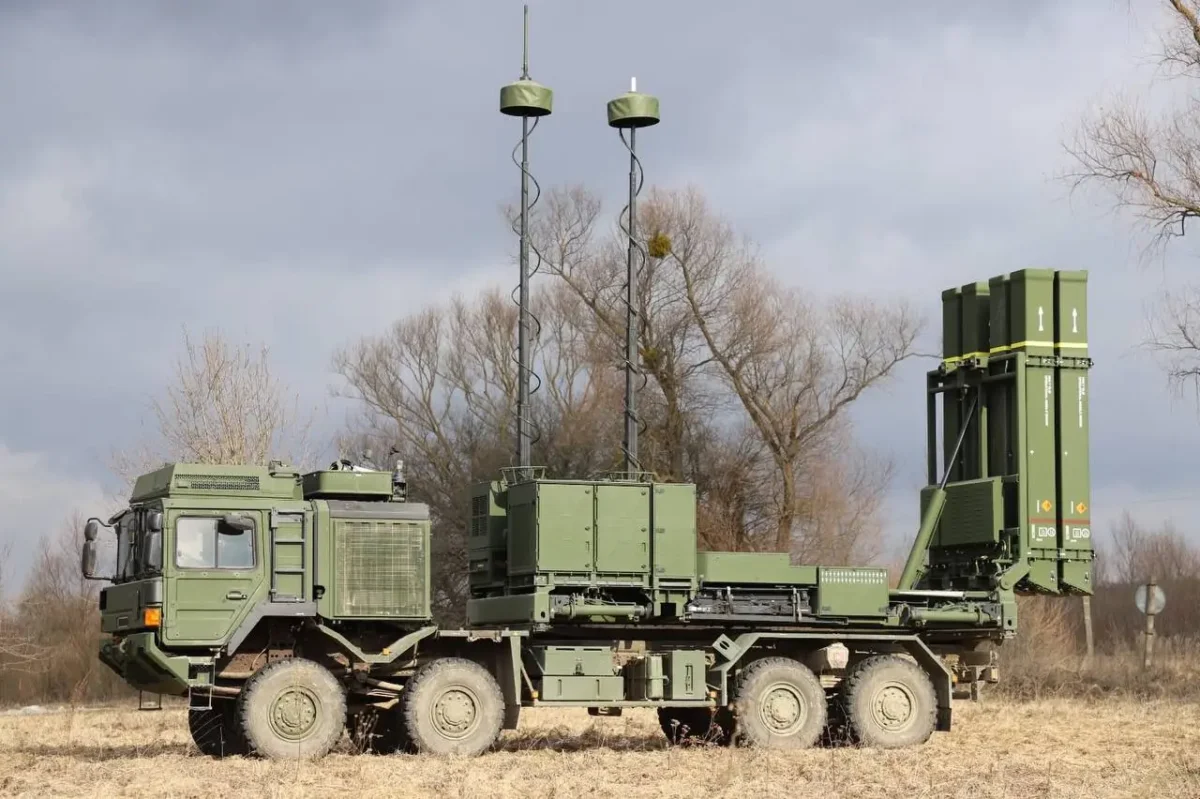
So perhaps the real strength of the German air defense system lies not in a single “magic” feature, but in how all these elements come together. High accuracy, multi-target engagement, and integration with wider networks make the Iris-T SLM effective for now. The open question is whether it can keep that edge as the threats themselves continue to evolve.
Both the Iris-T SLM and NASAMS fall into the short-to-medium range category. On paper, they look somewhat similar.
| IRIS-T SLM (German air defense system) | NASAMS (Norway/US) | |
| Interceptor | IRIS-T SL missile (ground-launched IRIS-T family) | AIM-120 AMRAAM family (plus AMRAAM-ER, AIM-9X) |
| Range | ~40 km range, up to ~20 km altitude (official materials and recent press say “up to 40/20”) | Baseline AMRAAM ~25–30 km from ground; AMRAAM-ER pushes toward ~40–50 km (figures vary by source & setup) |
| Seeker & guidance | Imaging-infrared (IIR) terminal seeker; inertial + datalink midcourse; reporting suggests it doesn’t depend on GPS (helps vs jamming) | Active-radar seeker (AMRAAM); midcourse updates; ER version adds bigger motor. |
| Radar (typical) | HENSOLDT TRML-4D AESA 3D radar (tracks ~1,500 targets, up to ~250 km detect) | AN/MPQ-64 Sentinel (modern variants up to ~120 km instrumented range) |
| Multi-target | Yes (designed for simultaneous shots) | Yes (core NASAMS feature) |
| Mobility & layout | Containerized launchers on trucks; 8 missiles per launcher; 3 launchers common per fire unit (24 ready) | Towed or trucked launchers; 6 missiles per launcher (multi-missile options); often 3 launchers per firing unit |
| Cost clues (very rough, open sources) | Missile ≈ €400k reported; whole unit obviously far more. | AMRAAM is often quoted ≈ $1M+, depending on variant; ER can be several million exports. |
Imagine a hypothetical scenario: a mixed raid hits a medium city at night: 6 cruise missiles at low altitude + 12 small drones + 2 jamming pods orbiting outside. What is likely to happen?
In this situation, an Iris-T SLM battery would likely rely on its TRML-4D radar to detect the low-flying cruise missiles and drones early enough to react. Operators might spread the launchers across different sites to get better angles of fire.
The missile’s imaging-infrared seeker could be useful here, because it does not depend entirely on radar and may be less affected by electronic jamming. BUT, even if the system performs well, there is the issue of ammunition. A standard battery has 24 missiles ready to fire, and if crews decide to double-shot each cruise missile to ensure a kill, a large part of the stockpile would already be gone after just one raid.
For NASAMS, the picture looks a little different. With the AMRAAM-ER missile, the system has a solid chance of intercepting the cruise missiles at medium range, giving defenders a bit more breathing space.
Some configurations also allow NASAMS to fire the AIM-9X Sidewinder, which can be effective against drones at closer distances. That flexibility is valuable, yet the price of interceptors?. Shooting down small drones with million-dollar missiles raises the question of sustainability, especially if such raids were to happen every few nights.
And that brings us to the broader problem. Even the most modern air defense systems can be drained quickly if they are forced to spend expensive interceptors on cheap drones. If this kind of attack were repeated regularly, both NASAMS and Iris-T SLM might need to be paired with cheaper layers of defense. These would save the high-end missiles for the threats that really demand them, such as cruise missiles or fast-moving aircraft.