Follow Us:
Follow Us:

Picture this: a battlefield where the roar of diesel engines is replaced by the low hum of a hybrid motor. A hulking tank, lighter than its predecessors, glides forward with surprising agility. From its armored shell, it launches drones into the sky while artificial intelligence whispers tactical suggestions to its crew. This isn’t science fiction—it’s the AbramsX.
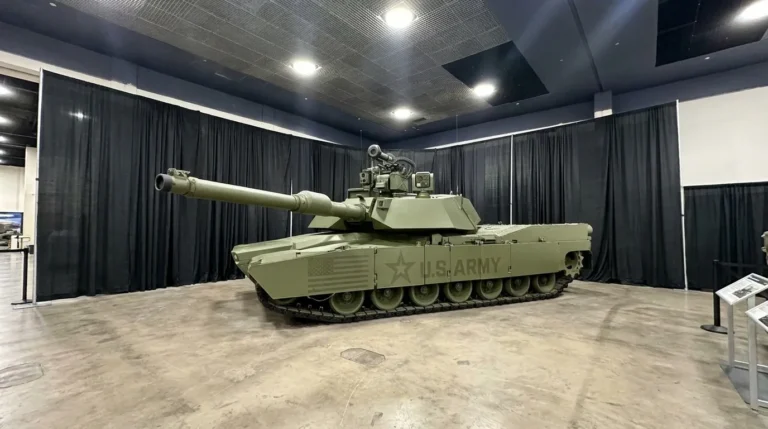
The AbramsX isn’t just “another tank.” It’s a statement. A proof-of-concept machine from General Dynamics that challenges how we think about heavy armor in an era when drones, cyber warfare, and precision strikes dominate military conversations. If the M1 Abrams defined Cold War tank dominance, the AbramsX feels like a tank born for a world where the lines between manned and unmanned, analog and digital, are blurring fast.
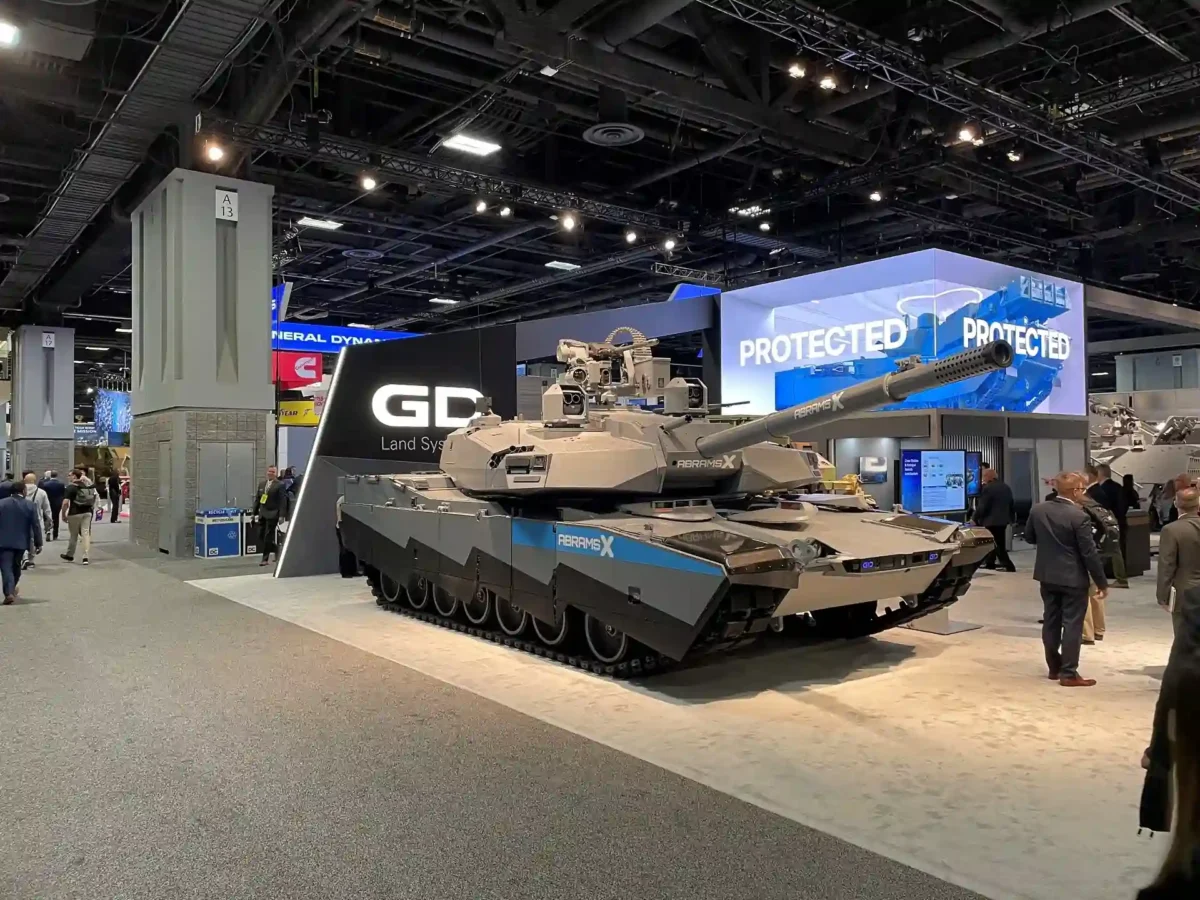
Here’s the interesting twist: AbramsX isn’t an official program of record. It’s a technology demonstrator, a kind of rolling laboratory. General Dynamics rolled it out at the AUSA expo in 2022 not as a ready-to-field weapon but as a “what if” scenario—what if the U.S. Army decided tanks needed a radical overhaul rather than another incremental upgrade?
Why does that matter? Because the Abrams platform has been around for more than four decades. It’s heavy, it’s powerful, and it’s battle-proven. But it’s also starting to feel like a muscle car in an era of electric vehicles: still impressive, but perhaps a little behind the times.
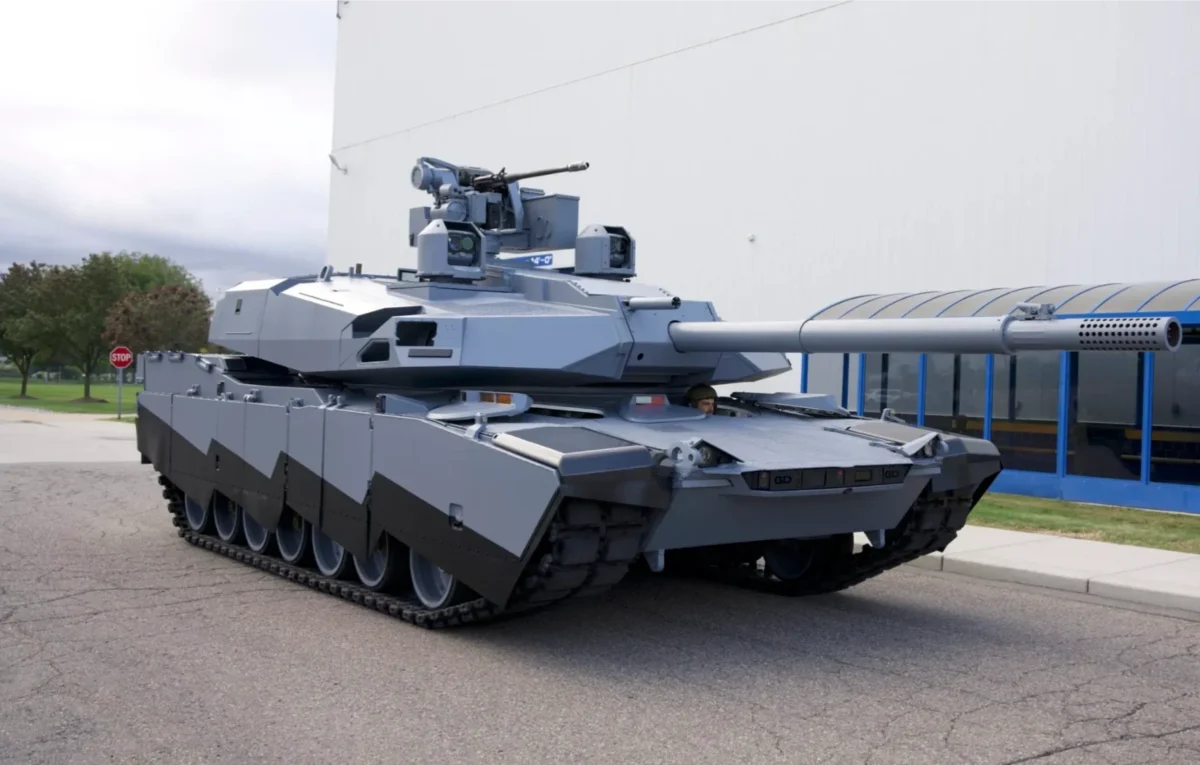
Enter AbramsX—a leaner, smarter cousin that weighs roughly 60 tons (about 10 tons less than the latest Abrams variants) and brings with it fuel efficiency gains of up to 50%. That’s not a small detail; on modern battlefields where logistics can make or break campaigns, shaving fuel consumption is as valuable as adding armor.
So when we talk about AbramsX, we’re really asking a bigger question: how do you reinvent a tank for wars that don’t look like World War II or Desert Storm anymore? And more importantly—will anyone actually bet on it?
The AbramsX didn’t roll out of nowhere—it’s the product of decades of lessons learned, frustrations with limitations, and a defense industry that loves to ask, “What’s next?” To really understand this tank, you’ve got to rewind a bit and look at the lineage of the Abrams family.
The original M1 Abrams entered service in 1980, at a time when NATO expected massive Soviet tank formations to pour across Europe. Over the years, the Abrams has been upgraded again and again—M1A1, M1A2, the more recent SEP v3 and v4 variants. Each iteration piled on more armor, more electronics, more everything. The result? An incredibly tough machine, yes, but also one that tips the scales at over 70 tons—so heavy it’s practically a small warship on tracks.
By the late 2010s, the U.S. Army faced a dilemma. The Abrams was still one of the best tanks on Earth, but it was also showing its age. It guzzled fuel like a jet, required massive logistical chains, and wasn’t designed with modern threats like drones, AI-guided munitions, and network-centric warfare in mind. Enter General Dynamics with a bold pitch: let’s stop endlessly patching the Abrams and instead show what a next-generation main battle tank could look like.
Read also: Why the KF51 Panther Tank Could Be the Tank of the Future
That’s how AbramsX made its first public appearance at the AUSA (Association of the United States Army) exposition in 2022. Unlike the Abrams SEP v4, which is a planned upgrade the Army is actually buying, the AbramsX was introduced as a technology demonstrator—a kind of “concept car” for the battlefield.
Think of it the way automakers unveil futuristic prototypes at car shows: they’re not meant for immediate mass production, but they spark imagination and signal where technology is headed.
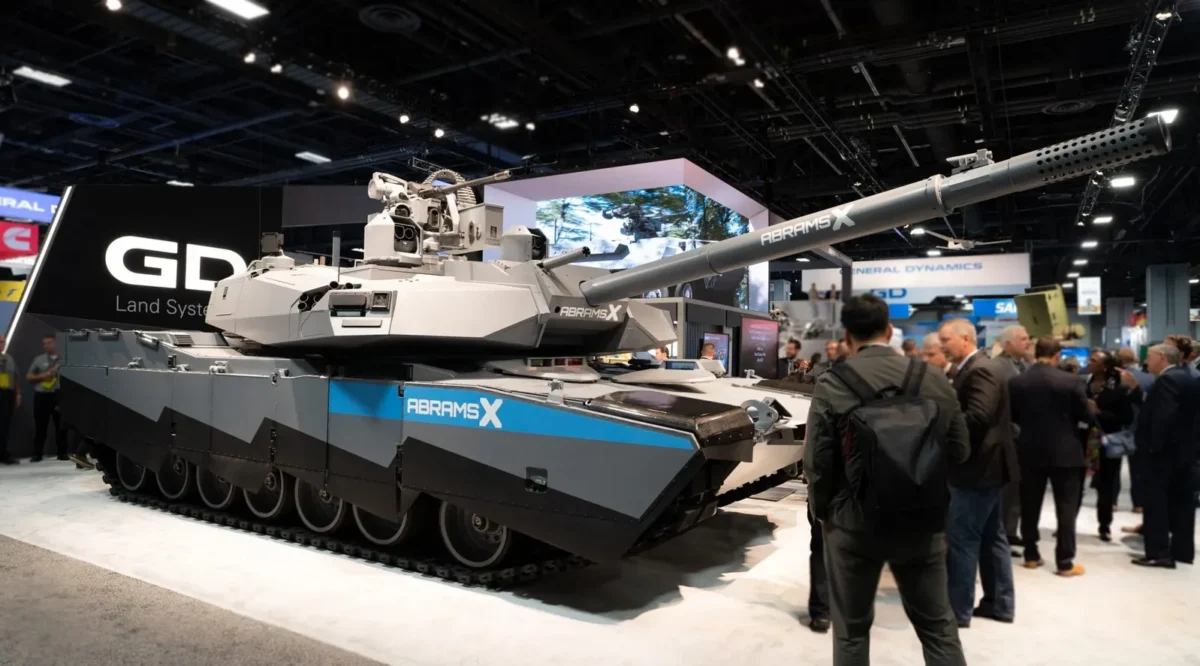
And here’s the kicker: AbramsX isn’t officially part of the Army’s procurement plans. There’s no contract to mass-produce it, no deployment date circled on the calendar. It exists to provoke discussion—inside the Pentagon, among defense analysts, and even within rival manufacturers. Should tanks be lighter? Should they integrate drones? Can hybrid engines survive battlefield chaos?
So right now, AbramsX sits in an interesting limbo. It’s not fielded, it’s not canceled—it’s more of a conversation starter on treads. But if history is any guide, concepts like these have a way of seeping into real-world programs. After all, today’s “demonstrator” is often tomorrow’s war machine.
Here’s where things get exciting. If the AbramsX is a “prototype of possibilities,” then its features read like a wish list scribbled by engineers who were finally told: forget the budget, dream big. Let’s break down what makes this tank different from its predecessors and, frankly, almost every other tank in existence.
The AbramsX trims its weight down to about 60 tons—a noticeable 10-ton diet compared to the bloated M1A2 SEP v3. Why does that matter? Because in war, logistics are everything. A lighter tank is easier to transport by air, consumes less fuel, and doesn’t chew up bridges the way heavier machines do.
But weight loss isn’t the headline here. The real breakthrough is its hybrid diesel-electric engine. That setup promises up to 50% better fuel efficiency than the current Abrams turbine engine, which is notorious for burning fuel like a thirsty dragon.
More efficiency means fewer fuel convoys, and fewer fuel convoys means fewer vulnerable targets on the battlefield. Oh, and one more thing: the hybrid drive allows “silent watch” operations—running electronics and sensors without the noisy engine rumble. Imagine a tank lying in wait, whisper-quiet, with its thermal sights scanning for threats. That’s a tactical game-changer.
Traditionally, Abrams tanks have four crew members. AbramsX cuts that to three, all housed safely inside the armored hull. The turret? Completely unmanned. This not only improves survivability—keeping people away from the most vulnerable part of the tank—but also makes room for automation.
Protection goes beyond just thicker steel. AbramsX is built with composite armor, reactive tiles, and an active protection system (APS) that can intercept incoming rockets and missiles. The idea is simple: don’t just sit there and take the hit—swat the threat out of the sky before it lands.
Yes, AbramsX still wields a 120 mm main gun, but it’s not the same old cannon. This one is lighter, features an autoloader (finally, no human loader needed), and is paired with an advanced fire-control system. On top of that sits a 30 mm XM914 remote weapon station, perfect for shredding drones, light vehicles, or infantry cover. Add in coaxial machine guns, and you’ve got a layered arsenal.
Here’s where AbramsX steps into near-futuristic territory. The tank comes wired with a digital backbone that fuses sensor data, helps the crew prioritize threats, and even integrates with unmanned aerial vehicles (UAVs). Imagine launching a small drone from your tank to scout ahead, spot ambushes, or even deliver a strike. AbramsX isn’t just a tank anymore—it’s a battlefield hub.
In fact, think of it less as a single vehicle and more as a platform that can coordinate with other machines, manned or unmanned. Tanks don’t fight alone anymore, and AbramsX is built with that networked reality in mind.
AbramsX sits in an unusual place in the military food chain: it’s not a fielded tank, it’s not a canceled project, and it’s not even a guaranteed future system. Instead, it’s a technology demonstrator—a way for General Dynamics to show the U.S. Army (and, let’s be honest, the rest of the world) what a next-generation main battle tank could look like.
That might sound like corporate showboating, but history tells a different story. Demonstrators often plant seeds that grow into real-world systems. Think of the X-planes in aviation—most never flew into combat, but the tech they pioneered became standard. AbramsX is meant to be the armored equivalent: a preview of the design philosophy for tanks in the 2030s and beyond.
Why 2022? The AbramsX debuted at the Association of the United States Army (AUSA) exposition just as the war in Ukraine was showing the world both the power and vulnerability of tanks. On one hand, armored columns could still dominate if used effectively. On the other, cheap drones and precision-guided missiles made even the heaviest tanks look fragile. AbramsX was unveiled into that exact debate: do tanks still matter in modern warfare, and if so, how do they survive?
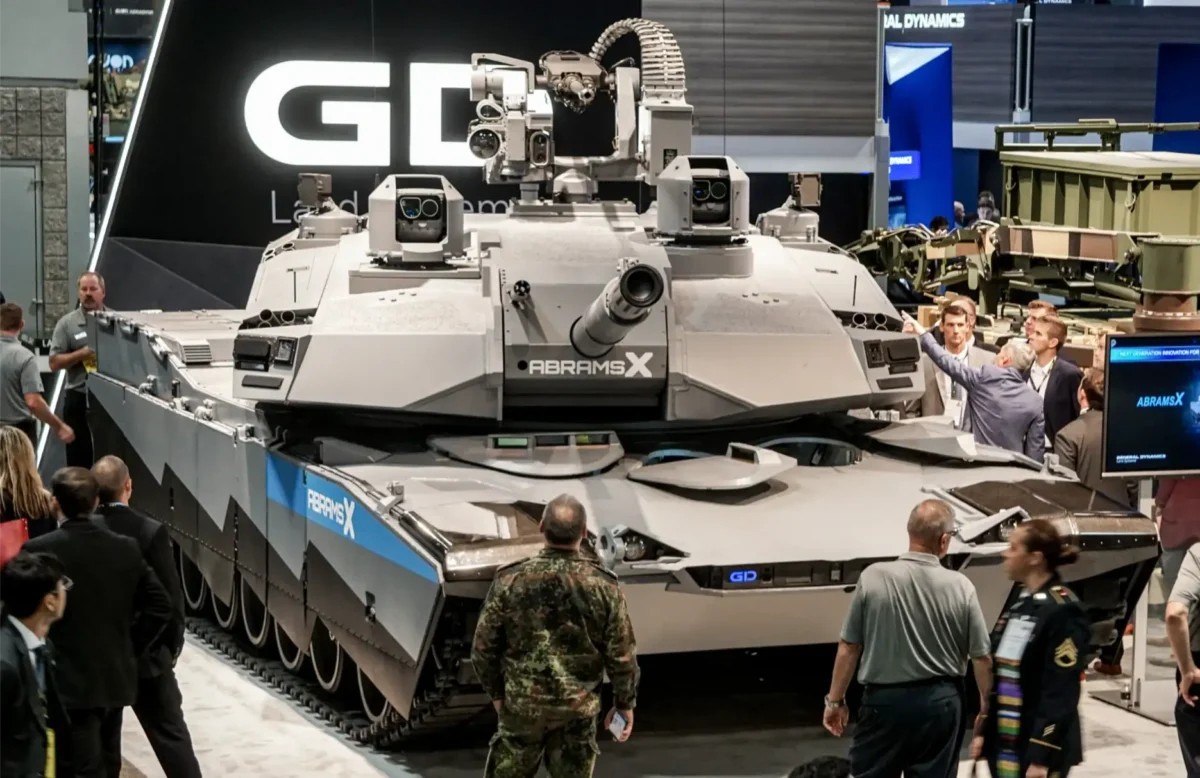
The U.S. Army isn’t rushing to adopt AbramsX. Officially, its focus remains on upgrading existing M1 Abrams tanks to the SEP v4 standard, which includes new sensors, updated electronics, and some survivability tweaks. AbramsX, in contrast, is more radical—it changes the crew layout, propulsion system, and combat philosophy all at once. Military bureaucracies tend to be cautious, so AbramsX is more of a “look what’s possible” pitch than a line item in the budget.
Even if AbramsX never rolls off assembly lines in its current form, it’s already shaping conversations. Its hybrid engine forces questions about logistics and emissions. Its drone integration sparks debate about manned-unmanned teaming. Its AI-assisted targeting adds fuel to discussions about autonomy in lethal systems.
In short, AbramsX isn’t just a tank prototype—it’s a conversation starter about the role of heavy armor in wars that look very different from Desert Storm. And those conversations will decide whether the next generation of American tanks looks like an Abrams with a facelift… or something radically new.
For all the hype around AbramsX—and make no mistake, the buzz has been huge—there are some serious hurdles that could slow, or even derail, its path to becoming more than just a flashy prototype. The tank looks futuristic, yes, but the battlefield is an unforgiving place where even the most elegant design can turn into an expensive liability. Let’s pull apart some of the sticking points.
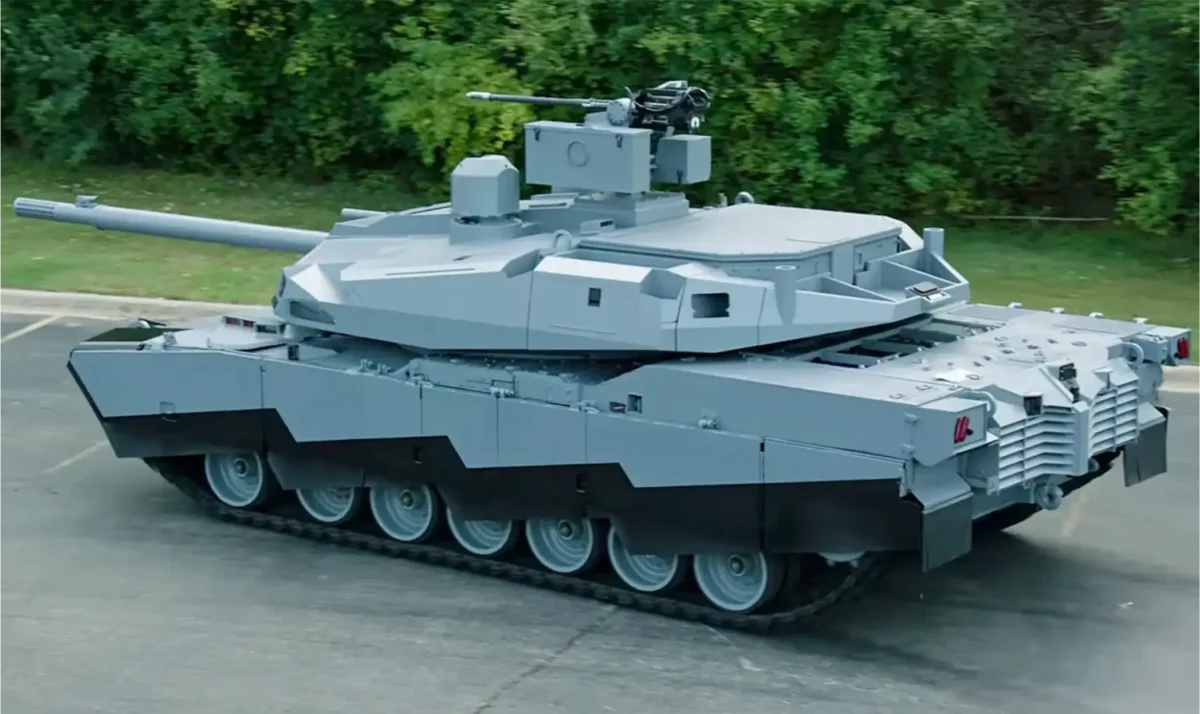
On paper, a hybrid diesel-electric system makes perfect sense: better fuel efficiency, quieter operations, reduced heat signature. But on a battlefield? It’s unproven. Critics point out that lithium-ion batteries are vulnerable to heat, shock, and penetrations.
Imagine a buried mine or shaped-charge IED slamming into the underside of AbramsX—could the battery pack turn into a fireball? Engineers insist they’ve hardened it, but real-world testing is limited. And soldiers tend to be skeptical of anything that adds risk of catastrophic failure under stress.
AbramsX is stuffed with high-tech systems—AI-assisted targeting, digital backbones, integrated drone control. All of that sounds incredible until you ask a very basic military question: what happens when it breaks?
Tank crews in combat zones have historically relied on mechanics in the field, sometimes fixing things with little more than spare parts and ingenuity. But when your turret is controlled by software and sensors, downtime could mean waiting for specialists or replacement modules. That’s fine for exercises, not so fine when you’re in a contested zone miles from the supply chain.
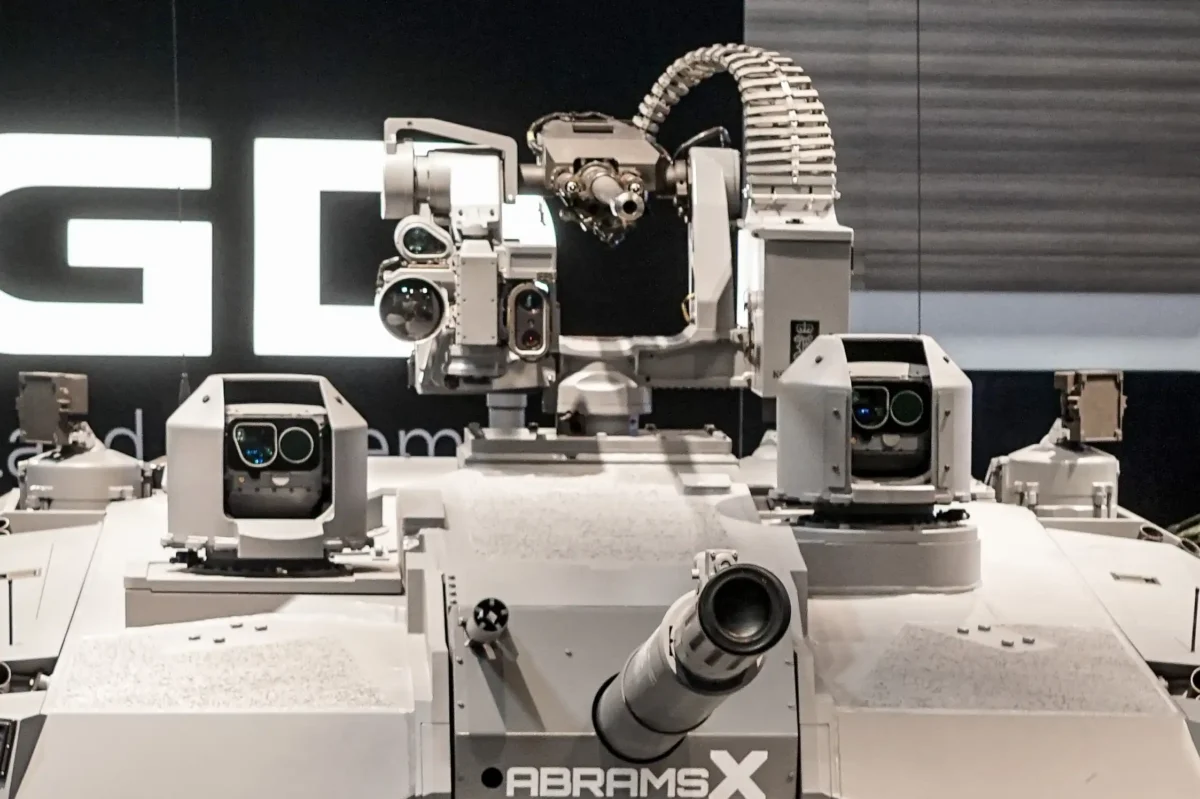
The AI capabilities of AbramsX—detecting threats, prioritizing targets, assisting crew decisions—are exciting but also ethically murky. The U.S. military insists it won’t deploy fully autonomous lethal systems, but once AI is in the mix, the lines blur. Who’s accountable if the system misidentifies a civilian vehicle as a threat? What if enemy electronic warfare tricks the AI into making bad calls? AbramsX forces this debate right into the heart of armored warfare.
Perhaps the biggest challenge isn’t technical at all—it’s cultural. Some within the Pentagon wonder if heavy tanks are even relevant in the wars of tomorrow. Ukraine has shown that drones, artillery, and long-range precision fires can shred armor columns. Do you pour billions into designing a smarter tank, or shift resources into lighter, more flexible platforms? AbramsX has to prove it isn’t just an evolutionary dead end.
In short, AbramsX looks impressive on PowerPoint slides and expo floors. But turning it into a reliable, survivable, and affordable combat system—that’s a mountain yet to be climbed.
AbramsX isn’t just a tank; it’s a conversation starter, a glimpse into the armored battlefields of the future. While it remains a technology demonstrator and not an official production model, it embodies a bold vision, lighter, smarter, and more connected than anything that has come before. From hybrid propulsion and AI-assisted targeting to unmanned turrets and drone integration, Abrams X challenges the assumptions of what a main battle tank can—and should—be.
Its innovations raise important questions. Can hybrid engines survive the chaos of combat? Will AI truly enhance crew decision-making, or introduce new risks ? And perhaps most critically, are heavy tanks still relevant in a world dominated by drones, precision missiles, and networked warfare ? AbramsX doesn’t answer these questions outright, but it forces military planners, engineers, and enthusiasts to confront them.
In the end, AbramsX is as much about ideas as it is about hardware. It represents the intersection of tradition and innovation, bridging decades of proven tank design with the possibilities of future technology. Whether it becomes a blueprint for the next generation of American armor or remains a remarkable prototype, Abrams X signals one undeniable truth: the era of the tank isn’t over—it’s evolving, and it’s smarter, faster, and more connected than ever.