Follow Us:
Follow Us:

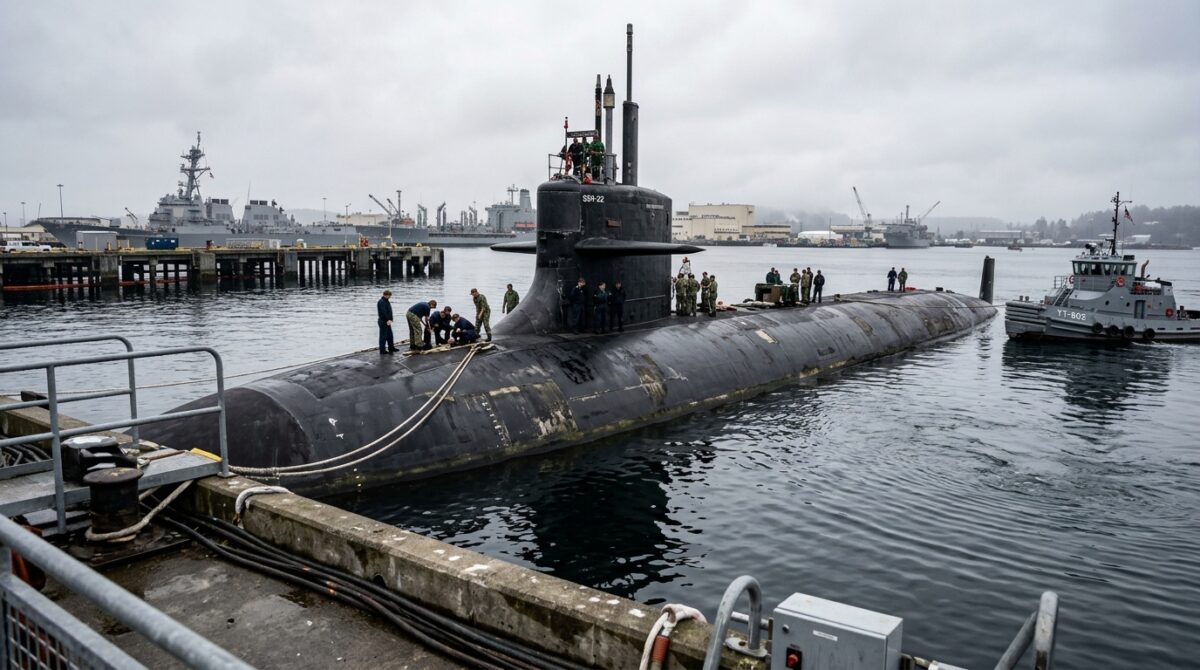
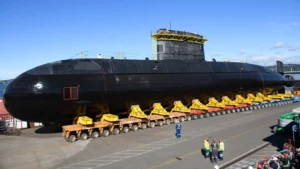
Defense Feeds – Washington. The USS Connecticut Set for Return as Seawolf Submarine Nears Deployment milestone marks a significant boost for the U.S. Navy’s undersea warfare capabilities as one of America’s most advanced attack submarines prepares to rejoin the fleet after an extended repair and restoration period.
The nuclear-powered submarine, USS Connecticut (SSN-22), is expected to return to operational service in September 2026 following years of maintenance and reconstruction work stemming from a 2021 underwater collision in the Indo-Pacific. Its return comes at a time when the United States is placing increased emphasis on submarine operations amid intensifying strategic competition with China across the Pacific region.
As one of only three Seawolf-class submarines ever built, USS Connecticut occupies a unique position within the U.S. Navy. The vessel was specifically designed during the final years of the Cold War to conduct high-end undersea warfare missions against sophisticated adversaries, combining exceptional stealth, speed and combat capability.
Defense analysts view the submarine’s return as an important development for a Navy seeking to maintain a technological edge beneath the world’s oceans.
The USS Connecticut belongs to the elite Seawolf-class, a group of submarines widely regarded among the most capable attack submarines ever constructed.
Built to operate in heavily contested environments, the class was designed to excel in anti-submarine warfare, intelligence collection, surveillance operations and precision strike missions. Although the U.S. Navy ultimately shifted production toward the more affordable Virginia-class submarines, the Seawolf boats remain among the most powerful undersea platforms in service.
The Connecticut suffered significant damage in October 2021 after striking an underwater feature while operating in the Indo-Pacific. The incident forced the submarine out of service and led to a lengthy repair process that included replacement of key structural components.
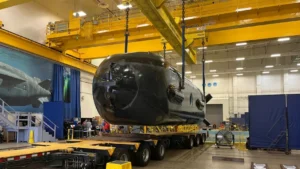
Restoration work involved extensive efforts to return the vessel to full operational readiness. The Navy replaced the damaged bow section and conducted numerous upgrades and inspections to ensure the submarine would meet required performance standards before returning to sea.
Military experts note that bringing a submarine of this complexity back into service represents a major industrial achievement given the specialized infrastructure and technical expertise required.
The vessel’s return will provide the Navy with additional capacity at a time when demand for submarine deployments continues growing across multiple theaters.
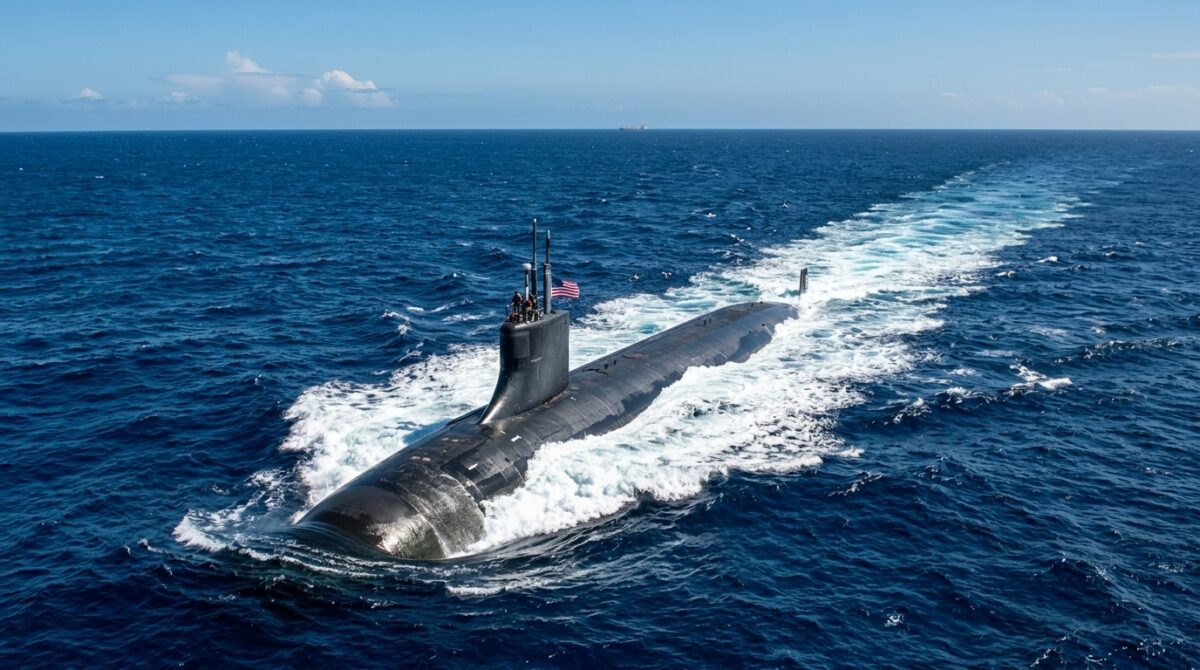
The timing of USS Connecticut’s return is particularly important given the strategic environment facing the United States in the Indo-Pacific.
Submarines are widely considered among the most valuable assets available to military commanders because of their ability to operate undetected while gathering intelligence, tracking adversary naval movements and, if necessary, launching strikes against maritime or land-based targets.
As China continues expanding the capabilities of the People’s Liberation Army Navy, the U.S. Navy has placed growing emphasis on maintaining a strong undersea advantage. American submarines play a critical role in deterrence strategies throughout the Western Pacific, particularly in areas where surface ships and aircraft may face greater operational risks.
The Seawolf-class was designed specifically for challenging operational environments and remains highly respected for its stealth characteristics and combat performance. Its return provides additional flexibility for U.S. commanders tasked with monitoring strategic waterways and responding to emerging regional threats.
Defense analysts believe attack submarines will continue serving as a cornerstone of American naval power for decades to come. Their ability to operate discreetly and gather intelligence makes them especially valuable during periods of heightened geopolitical tension.
The Connecticut’s reentry into service therefore represents more than the return of a single vessel. It strengthens a broader force structure that plays a central role in U.S. military planning.
The restoration of USS Connecticut also highlights the growing importance of undersea warfare in modern military competition.
Around the world, major naval powers are investing heavily in submarines, underwater sensors and autonomous maritime systems. Control of the undersea domain is increasingly viewed as essential for protecting sea lines of communication, conducting intelligence operations and maintaining strategic deterrence.
For the United States, sustaining a capable submarine fleet remains a top priority. While newer Virginia-class submarines continue entering service, the Navy also relies on existing high-performance platforms such as the Seawolf class to maintain operational readiness.
The return of USS Connecticut will help reinforce that capability during a period when global submarine activity continues expanding. The vessel’s advanced sensors, stealth features and combat systems provide valuable operational advantages in contested environments where information and survivability are critical.
At the same time, the successful completion of repairs demonstrates the Navy’s ability to restore and sustain some of its most sophisticated warfighting assets despite complex technical challenges.
As competition beneath the oceans intensifies, the return of USS Connecticut strengthens America’s ability to project power, gather intelligence and maintain a credible undersea deterrent. For the U.S. Navy, the submarine’s return to service represents both a recovery from a major setback and an important reinforcement of future maritime operations.