Follow Us:
Follow Us:


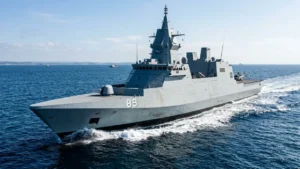
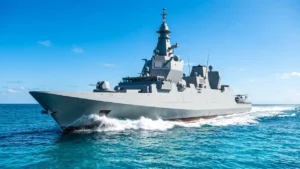
Defense Feeds, Seoul – South Korea develops KSAM-2 missile to replace SM-2, advancing a domestically produced naval air defense interceptor intended for the Republic of Korea Navy’s future KDDX destroyers. Led by LIG Nex1, the program represents another step in Seoul’s effort to expand indigenous defense capabilities while reducing dependence on imported missile systems for key naval platforms.
The initiative aligns with South Korea’s long-term strategy of strengthening self-reliance in advanced weapons development while supporting the modernization of its surface fleet with domestically integrated combat systems.

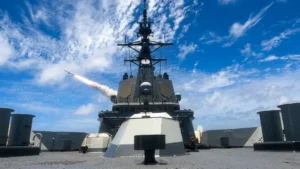
The program through which South Korea develops KSAM-2 missile to replace SM-2 is designed to provide the KDDX destroyer with a new medium-range surface-to-air missile capable of defending naval task groups against a variety of aerial threats. The missile is being developed by LIG Nex1 as part of a broader effort to equip future warships with domestically produced weapon systems.
Replacing the imported SM-2 with an indigenous alternative gives South Korea greater control over production, sustainment and future upgrades. It also reduces reliance on foreign supply chains while allowing the missile to be tailored to national operational requirements and integrated more closely with Korean-developed sensors and combat management systems.
The KDDX program itself is intended to introduce a new generation of destroyers featuring advanced radar systems, automation and enhanced network-centric warfare capabilities. Developing a compatible domestic interceptor supports that objective by ensuring greater integration across the entire combat system.

The decision to pursue the KSAM-2 reflects a wider trend among advanced naval powers to expand sovereign control over critical defense technologies. Producing key missile systems domestically provides greater flexibility for future upgrades, lifecycle management and export opportunities while reducing dependence on overseas suppliers.
South Korea has steadily expanded its missile development portfolio over the past decade, investing in air defense, ballistic missile defense and precision strike technologies across multiple military branches. The KSAM-2 program builds on that experience by extending indigenous missile expertise into next-generation naval air defense.
For the Republic of Korea Navy, integrating a domestically developed interceptor could simplify future modernization efforts while allowing closer coordination between missile developers, shipbuilders and naval operators throughout the platform’s service life.
An indigenous interceptor also offers greater opportunities for incremental modernization as threat environments evolve. Software updates, seeker improvements and integration with future radar technologies can potentially be introduced more efficiently when the missile and the combat management system are developed within the same national industrial ecosystem. This flexibility may help extend the operational relevance of future KDDX destroyers over decades of service.
Beyond meeting domestic requirements, successful development of the KSAM-2 could strengthen South Korea’s position in the global naval defense market. As more countries seek integrated warship solutions from a single supplier, combining Korean-built destroyers with locally developed missile systems could enhance export competitiveness while reinforcing the country’s growing reputation as a provider of advanced naval technologies.
The announcement that South Korea develops KSAM-2 missile to replace SM-2 demonstrates how naval modernization increasingly extends beyond ship construction to include the development of complete, nationally integrated combat systems. Modern warships rely on the seamless interaction of sensors, command networks and missile interceptors, making domestic integration an important consideration for long-term capability planning.
The program also reinforces the role of South Korea’s defense industry in supporting both national security objectives and future technological innovation. Continued investment in indigenous missile development provides opportunities to strengthen engineering expertise, expand manufacturing capacity and accelerate research into next-generation air defense technologies.
The fact that South Korea develops KSAM-2 missile to replace SM-2 reflects Seoul’s broader ambition to build a more self-reliant and technologically advanced naval force. As the KDDX destroyer program moves forward, the successful integration of a domestically developed interceptor could become a key milestone in South Korea’s evolving maritime defense strategy while supporting greater operational flexibility and industrial independence.