Follow Us:
Follow Us:

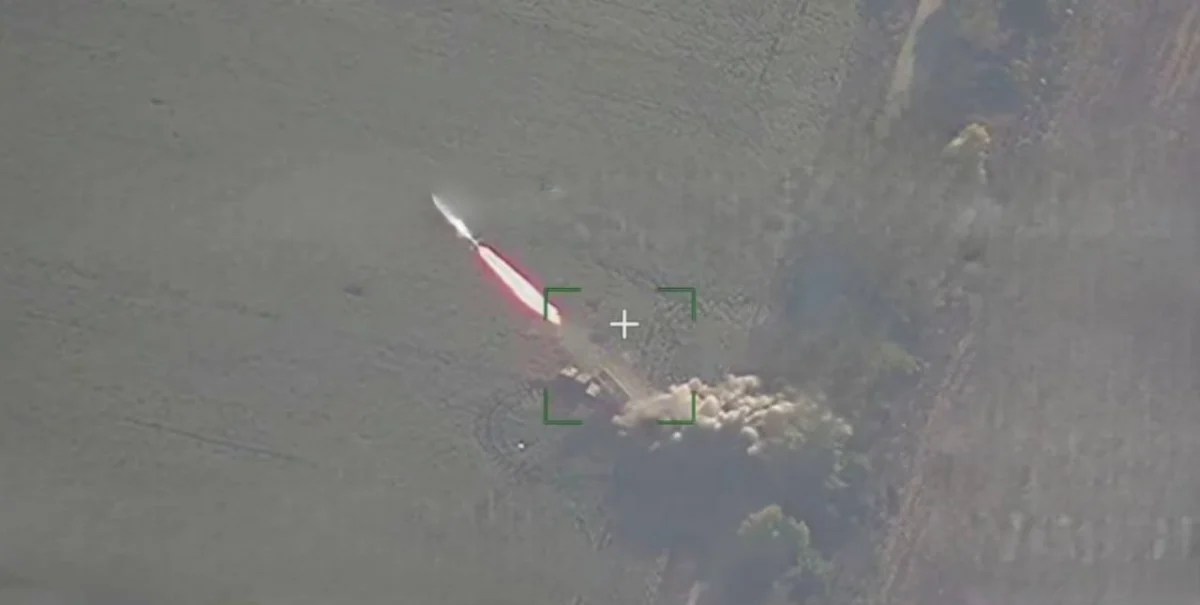
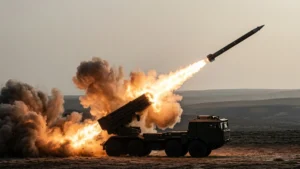
Defense Feeds – Russia Destroys Ukraine’s Neptune launcher in a high-stakes missile attack, targeting the Neptune missile system in the Zaporizhzhia region and inflicting significant damage on this high-value Ukrainian asset since the start of the invasion.
Russian forces executed the strike using reconnaissance drones to locate the target, followed by an Iskander-M ballistic missile that caused serious secondary damage through fragmentation and fire to the mobile launcher.
This incident, where Russia destroys Ukraine’s Neptune launcher, illustrates evolving battlefield tactics and underscores the sharpening contest between Russian drone-guided missile strikes and Ukraine’s efforts to protect its strategic long-range Neptune missile systems.
Russian reconnaissance units operating near the village of Liubytske in Zaporizhzhia detected a Ukrainian Neptune missile system as it was preparing to fire.
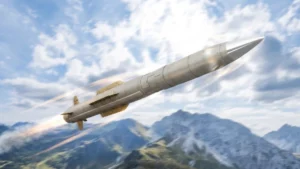
Within minutes, the position was targeted with an Iskander-M ballistic missile, equipped with a fragmentation warhead designed for maximum disruption.
Although there was no direct hit, warhead fragments landed close enough to ignite a missile booster on the launcher, causing additional fire and shrapnel damage to the equipment.
According to Russian military sources, the aftermath left the Neptune system with severe structural harm, emphasizing the growing danger Ukrainian long-range assets face as Russian forces integrate real-time drone surveillance with rapid Iskander missile strikes.
Ukrainian officials have withheld details about the condition of the launcher crew, only confirming “serious damage” to the system from both the initial blast and subsequent fire.
If verified, the incident would mark the first documented Russian strike to effectively disable a Neptune missile launcher since the 2022 invasion, underscoring Neptune’s status as a prime target due to its strategic importance.
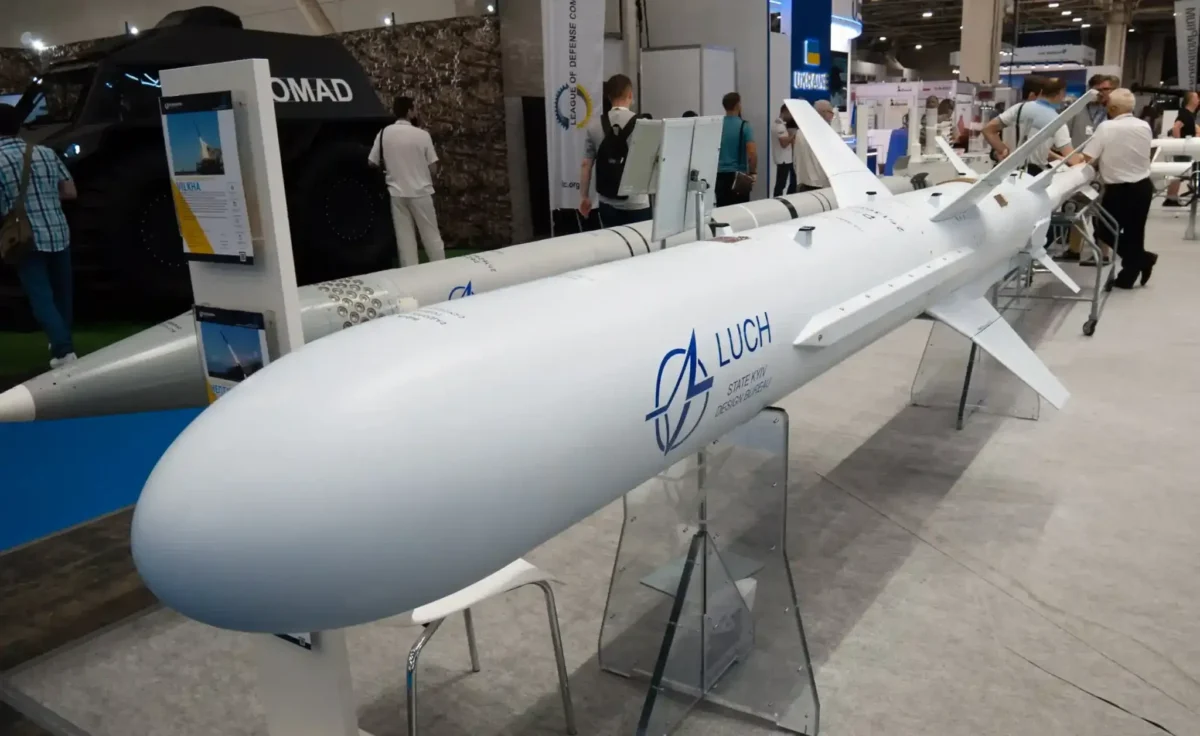
Developed by Ukraine’s Luch Design Bureau as an anti-ship missile for coastal defense, the Neptune system attracted global attention starting in April 2022 when it played a key role in sinking Russia’s Black Sea Fleet flagship, the Moskva.
In response to evolving battlefield needs, the Neptune has been adapted for land-attack missions, expanding its range to target Russian logistics, command centers, and infrastructure deep behind the front lines.
The latest variant, sometimes referred to as the Long Neptune or Neptune-MD, reportedly features extended range capabilities of up to 1,000 kilometers and improved guidance systems, as confirmed by Ukrainian officials and defense analysts.
According to sources, Ukraine’s ongoing modifications have made the system even more elusive and survivable, frequently relocating mobile launchers to avoid Russian detection.
Comprising mobile launchers, command posts, transport and loading vehicles, along with other support equipment, the Neptune system offers Ukrainian troops the ability to reposition rapidly after missile launches.
This mobility, combined with advanced upgrades, has made the Neptune both a potent strike asset and a hard-to-find target, compelling Russia to prioritize intelligence operations and direct attacks on launch platforms.
In Zaporizhzhia, the missile strike signals Russia’s growing use of UAV reconnaissance coupled with high-speed missile attacks to neutralize mobile Ukrainian targets before they escape.
These combined drone and missile assaults raise the risk for Neptune crews and complicate Ukraine’s defense planning, as Russian forces expand air defense coverage and bolster rear-area surveillance.
For Ukraine, the ability to field advanced long-range systems like the Neptune remains vital for targeting distant Russian installations and maintaining a deterrent against naval and infrastructure threats.
The Ukrainian government, led by President Zelensky, has praised the missile’s effectiveness, referencing recent long-distance strikes against refineries and command posts.
With the development of even longer-range variants and the ongoing push to increase production, the contest for Neptune missile survivability is set to intensify, reinforcing its role as a centerpiece in Ukraine’s defense strategy.
This incident, which underscores the Neptune’s evolution from an anti-ship weapon to a strategic land-attack asset, also demonstrates how both sides are rapidly adapting their military tactics, propelled by new technology and battlefield lessons.
Monitoring further developments will be crucial for understanding how missile warfare transforms the balance of power in the Russia-Ukraine conflict.