Follow Us:
Follow Us:

The S-500 Missile System, also widely known as the S-500 Prometheus, represents the most advanced layer of Russia’s air and missile defense technology to date. Built to surpass its predecessor, the S-400, this Russian S500 system is designed to tackle a wide spectrum of threats ranging from stealth aircraft and cruise missiles to hypersonic weapons and even satellites in low Earth orbit. Officially called the 55R6M “Triumfator-M,” this platform places Russia at the forefront of strategic missile defense, pushing the boundaries of what modern air defense systems can accomplish.
Unlike traditional systems that are limited to atmospheric defense, the S-500 Air Defense System introduces capabilities that reach into the near-space environment, allowing the interception of intercontinental ballistic missiles (ICBMs) and other exo-atmospheric targets.
This multi-tiered functionality gives the S500 Missile System a unique advantage in modern warfare, where hypersonic and space-borne threats are increasingly relevant. Reports suggest that the S-500 Missile Speed enables its interceptors to engage targets flying at speeds of up to Mach 20—a capability that no other operational missile system in the world currently claims with certainty.
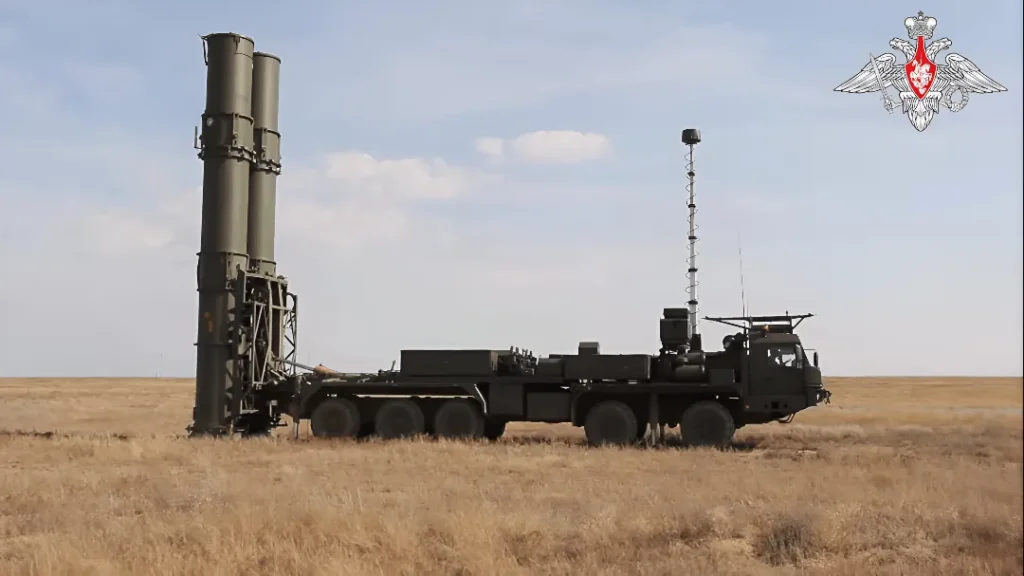
As global military powers monitor its deployment, curiosity grows not only about the system’s capabilities but also about the S-500 Missile System Price, which remains undisclosed but is expected to reflect its sophisticated radar arrays and interceptor technologies.
Countries like India and China have reportedly shown interest in the S500 Prometheus, though no confirmed exports have yet occurred. In this blog, we will break down the development history, technical specifications, operational deployment, and geopolitical significance of the S500 Russia system to provide a comprehensive, unbiased view of this game-changing weapon platform.
The development of the S-500 Missile System can be traced back to the early 2010s, when the Russian Ministry of Defense and the defense conglomerate Almaz-Antey laid out ambitious plans to create a revolutionary air and missile defense platform that could outperform the widely exported S-400 Triumf.
While the S-400 had already proven effective against a variety of aerial threats, Russia’s strategic vision demanded a system capable of dealing with emerging technologies such as hypersonic glide vehicles, advanced ballistic missiles, and potentially hostile satellites. This gave rise to the S-500 Air Defense System, a project shrouded in secrecy and slow to reveal itself to the outside world.

Prototypes of the S500 System reportedly entered testing phases around 2016–2017. However, technological complexity and supply chain limitations, especially for sophisticated electronic components, delayed serial production until 2021. In that year, Russian defense sources confirmed that the S500 Missile System had successfully completed state trials, including interception tests against high-speed ballistic missile targets at the Kapustin Yar proving ground.
The first operational battery was reportedly deployed to protect the critical Moscow region in late 2021, followed by limited deployment of an additional unit in Crimea amid rising regional tensions. These early deployments signaled the readiness of the S500 Missile System to assume its role in Russia’s multi-layered air defense strategy.
As of 2025, sources indicate that mass production of the S-500 Prometheus is underway, with the first regimental sets being delivered to specialized Russian Aerospace Defense Forces units. Analysts believe that the gradual roll-out of the S500 Missile System marks a turning point in Russian military doctrine, allowing not only the defense of key political and industrial centers but also the extension of anti-ballistic missile coverage across broader strategic fronts.
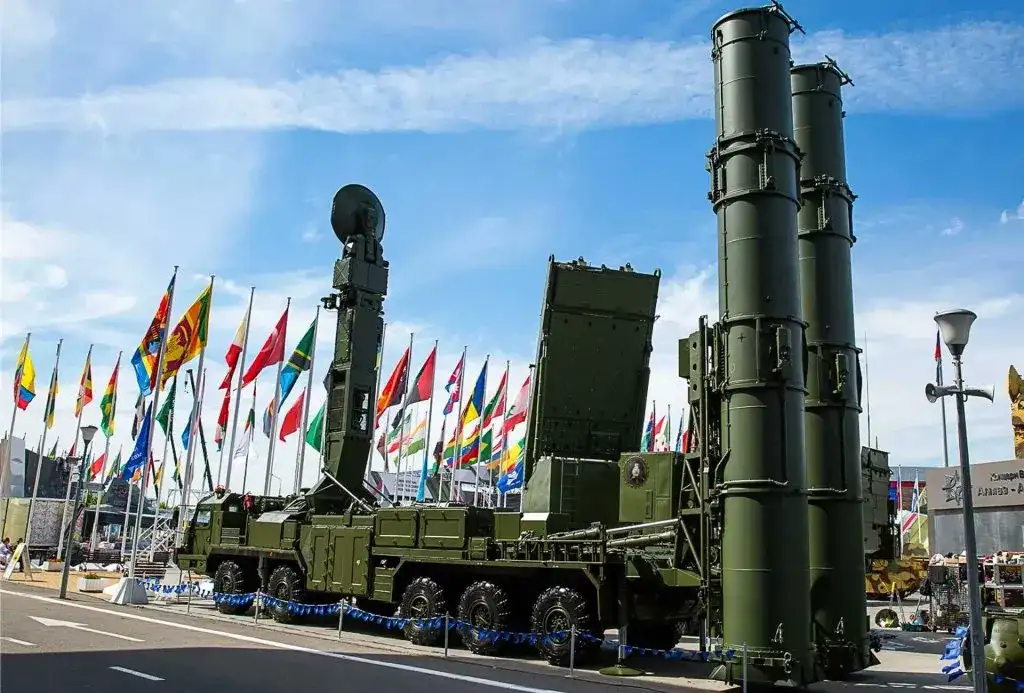
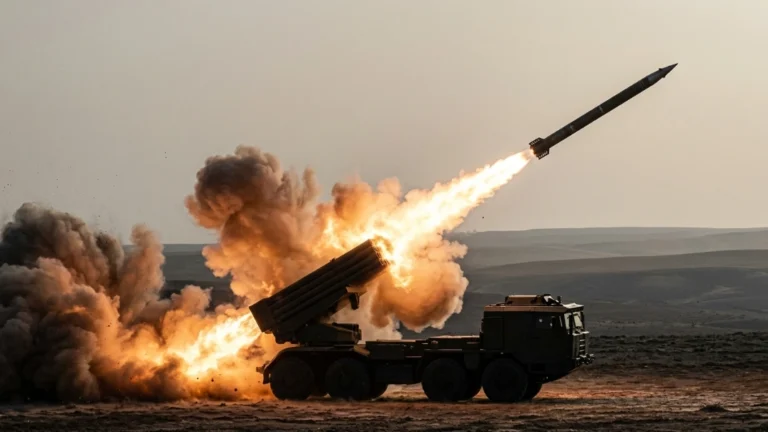
The S-500 Missile System stands apart from previous generations of air defense platforms because of its unmatched technical capabilities designed to neutralize a broad range of threats, both atmospheric and spaceborne.
At its core, the S500 System uses a multi-layered missile and radar structure, allowing simultaneous tracking and engagement of various target types, including hypersonic cruise missiles, stealth aircraft, and even low-orbit satellites—capabilities that only a few other systems worldwide claim, none of which have yet matched Russia’s claims for this platform.
One of the defining features of the Russian S500 is its reported engagement range. Against aerodynamic targets like aircraft and drones, the system boasts an interception range of up to 500 kilometers. When tasked with neutralizing ballistic threats, including intercontinental ballistic missiles (ICBMs), its reach reportedly extends to a staggering 600 kilometers, with a vertical interception capability reaching altitudes as high as 200 kilometers into near space. This effectively allows the S500 Missile System to strike targets far beyond the reach of older systems such as the S-400, firmly positioning the S-500 Prometheus as the world’s first hybrid air-and-space defense solution.
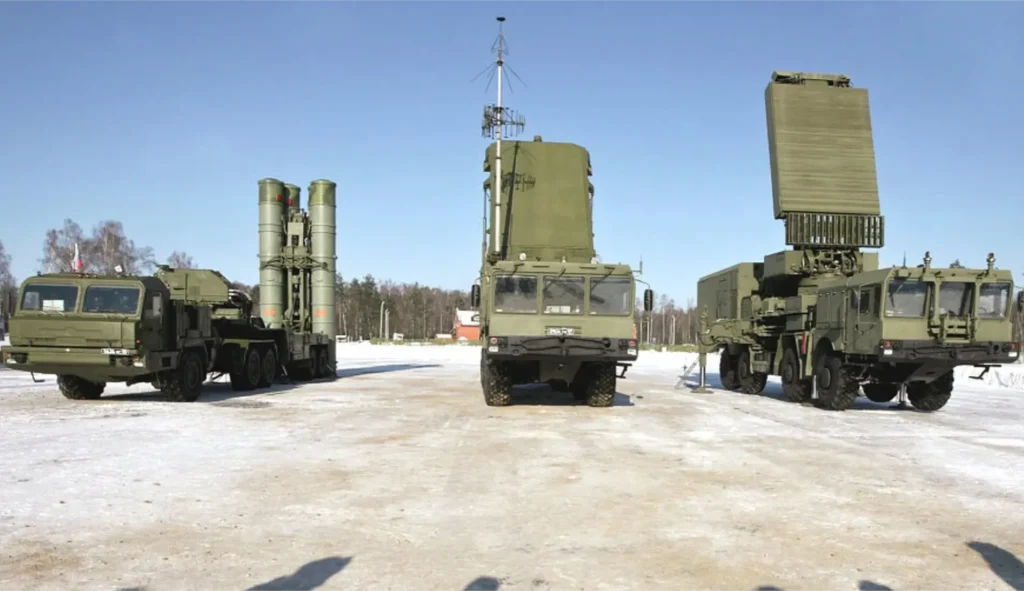
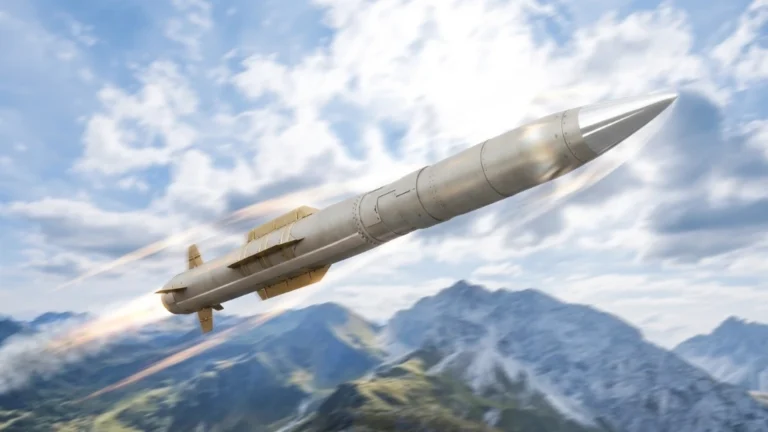
In terms of armament, the S-500 Air Defense System employs a specialized family of interceptor missiles. For aerial and cruise missile threats, it uses the 40N6M interceptor, which is derived from the S-400 inventory but adapted for extended range. To address hypersonic and ballistic threats—including potential anti-satellite operations—the system utilizes the entirely new 77N6-N and 77N6-N1 missile interceptors, designed to engage targets at exo-atmospheric altitudes with kinetic hit-to-kill technology.
These missiles are reportedly capable of reaching speeds close to Mach 20, making the S-500 Missile Speed among the fastest interceptor platforms ever designed. This velocity is essential for catching and destroying hypersonic glide vehicles, one of the most challenging targets in modern warfare.

The radar complex of the S500 Missile System is no less sophisticated. It features a multi-band architecture comprising early-warning radars such as the 91N6E(M), battle management stations like the 96L6-TsP, and dedicated missile-target illumination radars including the 76T6 and 77T6.
These phased-array radars provide overlapping coverage in multiple frequency bands, allowing the system to detect and track ballistic missile launches at distances up to 2,000 kilometers and aerodynamic targets at approximately 800 kilometers. This comprehensive radar network ensures that the S-500 Prometheus maintains situational awareness across airspace and near-space zones, offering Russia unparalleled strategic warning and interception capabilities.
The S-500 Missile System has undergone extensive testing to validate its revolutionary design and multi-domain capabilities. Russian defense officials confirmed that the system completed successful state trials in 2021, during which it demonstrated the ability to intercept high-speed ballistic targets in the atmosphere and at exo-atmospheric altitudes.
These trials were conducted at the Kapustin Yar testing range, a site known for missile development assessments. During these exercises, the S500 Prometheus system reportedly managed to track and destroy mock intercontinental ballistic missile (ICBM) targets, proving its ability to perform in scenarios previously deemed impossible for earlier Russian air defense systems like the S-400.
Field testing also revealed that the S500 Missile System could intercept hypersonic targets—a key requirement given the global arms race toward hypersonic strike capabilities. Its interceptor missiles, capable of Mach 20 speeds, were tested against fast, maneuvering targets to simulate realistic attack profiles.
According to Russian state media and military sources, these tests confirmed the S-500 Air Defense System’s ability to detect and destroy threats moving at extreme velocities and altitudes, cementing its reputation as the first air defense system purpose-built to handle hypersonic glide vehicles and maneuverable reentry warheads, both of which pose severe challenges to existing Western missile defense systems.
Operational deployment of the S500 Russia system remains limited but strategically important. The first batteries are positioned around Moscow and possibly in the Crimean Peninsula—locations chosen to defend Russia’s most critical political, military, and industrial centers. These deployments are seen not only as defensive measures but also as geopolitical signals of strength.
While some Western analysts have questioned whether the full advertised capabilities have been fielded yet, early operational feedback and Russia’s willingness to publicize successful tests indicate confidence in the S-500 Missile System’s performance. Should future real-world engagements validate these trial results, the S500 Missile System will likely shape the future of global air and missile defense doctrines.

The S-500 Missile System has been hailed as a revolutionary advancement not only because of its technical specifications but also due to the distinct advantages it holds over rival systems such as the American THAAD (Terminal High Altitude Area Defense) and the Israeli Arrow 3.
Unlike these systems, which are primarily focused on ballistic missile interception, the S500 Prometheus is designed as a multi-layered shield capable of simultaneously engaging aerial, ballistic, hypersonic, and even orbital targets. This gives the Russian S500 a versatility that Western counterparts currently struggle to match.
Another major advantage of the S-500 Air Defense System is its extended engagement range and altitude. While the U.S. THAAD system can intercept targets at a maximum altitude of approximately 150 kilometers, the S500 Missile System is reportedly capable of reaching targets at altitudes of up to 200 kilometers.
This higher interception ceiling allows it to target low-orbit satellites, providing Russia with a potential anti-satellite warfare tool—a capability that Western defense systems like THAAD or the Patriot PAC-3 do not officially offer. Moreover, the S-500 Missile Speed advantage, rumored to approach Mach 20, makes it uniquely effective against hypersonic threats, which are becoming an increasing concern for global militaries.
Operational flexibility is also a defining strength of the S500 System. It can be integrated into Russia’s broader aerospace defense network alongside the S-400 and Pantsir-S systems, creating a multi-layered defense shield. This interoperability enables seamless coverage from low to high altitude and from short to ultra-long range.
In contrast, many Western systems are designed for niche roles or require separate platforms for differing threats. With this all-in-one approach, the S500 Missile System not only reduces logistical complexity but also maximizes battlefield adaptability—factors that could justify the anticipated high S-500 Missile System price for future buyers.
The introduction of the S-500 Missile System into Russia’s arsenal has sparked global interest not only for its technological innovations but also for its potential to shift geopolitical military balances. While the Russian S500 system is currently prioritized for domestic defense—especially for protecting high-value targets such as Moscow and key military installations—there has been widespread speculation regarding future exports.
Countries like India, China, and Turkey have been rumored to express interest in acquiring the S500 Missile System, though no formal agreements have been publicly confirmed as of 2025. If these nations secure access, it could significantly alter regional defense dynamics, particularly in Asia where rival powers are developing hypersonic strike capabilities.
Geopolitically, the deployment of the S-500 Air Defense System represents a direct challenge to NATO’s aerial superiority doctrine. With its ability to target stealth aircraft and hypersonic threats, the S500 Russia platform complicates U.S. and Western military planning, especially in regions like Eastern Europe and the Middle East.
If deployed in allied states such as Belarus or Syria, the S-500 Missile System could extend Russia’s strategic air defense reach far beyond its borders, giving Moscow leverage in diplomatic and military negotiations. This potential shift in the strategic balance of power has made the S500 Missile System not only a technical marvel but also a focal point in global security discussions.
One of the most frequently asked questions surrounding the S-500 Missile System is its price, largely because of its groundbreaking technology and strategic significance. While Russia has not officially disclosed the S-500 Missile System price, estimates from defense industry analysts suggest that a single operational battery could cost upwards of $500 million to $700 million, depending on the configuration and the inclusion of support systems such as mobile radar stations, command vehicles, and auxiliary equipment. This price is substantially higher than the S-400 Triumf, whose full battery cost is roughly $300 million, reflecting the S500 Missile System’s superior interception range, speed, and space defense capabilities.
What drives the high cost of the S500 Prometheus is its sophisticated mix of missile types and radar systems. Unlike its predecessors, the Russian S500 employs multiple missile classes, such as the 40N6M for aerodynamic targets and the newer 77N6-N series for exo-atmospheric ballistic threats and potential anti-satellite operations.
Each interceptor missile, especially those capable of engaging targets at hypersonic speeds (Mach 20), likely carries a production cost significantly higher than standard air defense missiles. Additionally, the phased-array radar network essential for the S-500 Air Defense System—capable of detecting targets up to 2,000 kilometers away—further inflates development and unit costs.
Moreover, the price could rise further if Russia opts to limit technology sharing, offering downgraded versions with restricted capabilities, similar to its approach with the S-400 export variants. Ultimately, while the S500 Missile System represents the pinnacle of Russian air defense innovation, its cost may ensure that it remains an elite asset fielded only by the world’s most powerful or privileged militaries.
The S-500 Missile System stands as a revolutionary advancement in modern air defense technology. Unlike its predecessors, this cutting-edge platform offers unmatched capabilities in intercepting a wide array of threats, from stealth aircraft and cruise missiles to hypersonic weapons and low-orbit satellites.
Its impressive S-500 missile speed, reaching up to Mach 20, and its ability to operate at altitudes of nearly 200 kilometers make the Russian S500 system not just an air defense solution but a comprehensive space defense tool. With such versatility and technological superiority, the S-500 Air Defense System sets a new global benchmark, posing serious challenges to Western missile shields like THAAD and the Patriot system.
However, the high S-500 Missile System price—estimated at over $500 million per battery—may limit its availability to only a few wealthy nations or close Russian allies. Despite this, the potential for future upgrades and export versions keeps global interest alive, particularly among countries like India and China.
As the first system capable of handling hypersonic and space-based threats on this scale, the S500 Missile System ensures that Russia remains at the forefront of strategic defense innovation. Its deployment and performance will undoubtedly influence the next generation of global military planning and air defense development.