Follow Us:
Follow Us:

When you hear a nickname like “Angel of Death,” you know the aircraft behind it isn’t ordinary.
The AC-130J Ghostrider is the U.S. military’s most heavily armed gunship, and it’s designed to dominate the battlefield from above. Built on the rugged frame of the Lockheed C-130 Hercules, this next-gen AC-130 gunship delivers unmatched firepower, precision, and support to Special Operations Forces around the world.
The Ghostrider isn’t new to danger, it was created for it. It’s the latest in a long line of AC-130 aircraft that began during the Vietnam War with the AC-130A Spectre. Over decades, the design evolved to meet the ever-changing needs of warfare.
Today, the AC-130J combines digital avionics, smart weapons, and powerful sensors into one lethal platform. Think of it as a flying artillery unit that can circle a target for hours, striking with surgical precision.

So, why is the AC-130 called the Angel of Death? That title was earned in Iraq and Afghanistan, where insurgents quickly learned that once the AC-130 arrived, there was nowhere to hide. Its overwhelming firepower—from 105mm howitzers to smart missiles—makes it a game-changer for troops on the ground.
But it’s not just about firepower. The AC-130J is also equipped with flares and countermeasures, keeping it safe from enemy missiles. And all this tech doesn’t come cheap, the AC-130J Ghostrider costs about $165 million per unit. Still, for the U.S. Air Force, it’s a worthy price for such a powerful, mission-critical asset.
Whether you’re a military enthusiast or just curious about what makes this aircraft so deadly and effective, the Ghostrider is worth exploring. From its history and evolution to its role in modern warfare, this flying fortress represents the sharp edge of U.S. airpower
The story of the AC-130J Ghostrider begins long before its first flight. Its roots trace back to the Vietnam War, where the U.S. Air Force needed an aircraft that could provide persistent, heavy fire support for ground troops.
Enter the AC-130 Spectre, a gunship variant of the reliable C-130 Hercules transport plane. It could loiter over the battlefield, laying down devastating firepower with pinpoint accuracy. It quickly earned a fearsome reputation—and a permanent place in military aviation history.

Over the years, the AC-130 platform was upgraded and renamed through several versions—Spooky, Stinger II, and U models—each with improved avionics, sensors, and weapons. But by the 2010s, it was time for a major leap forward. The U.S. Air Force needed a gunship that could meet the demands of modern combat: faster, smarter, and deadlier. That’s when the Ghostrider was born.
Formally designated in 2012, the AC-130J Ghostrider is based on the MC-130J Commando II airframe and was designed specifically for the unique needs of U.S. Special Operations Command (SOCOM). The first test flights began in 2015, and by 2017, it reached initial operational capability. As of now, the Air Force plans to operate over 30 of these aircraft to support elite forces across the globe.
What makes the Ghostrider different isn’t just its weapons—though we’ll get to those soon. It’s the total package: upgraded engines, glass cockpit, digital avionics, improved fuel efficiency, and sophisticated targeting systems. It can fly longer, hit harder, and survive better in contested airspace.
The evolution of the AC-130 gunship reflects the shifting nature of warfare. From the dense jungles of Vietnam to the deserts of the Middle East, and now into the high-tech battlespace of the future, this aircraft has adapted every step of the way. The Ghostrider is the latest and most lethal form of that legacy.
At first glance, the AC-130J Ghostrider looks like a standard Lockheed C-130 Hercules, a familiar workhorse for military transport missions worldwide. But beneath that rugged exterior lies a highly specialized and lethal platform designed to dominate the battlefield.
The Ghostrider is built on the MC-130J airframe, powered by four Rolls-Royce AE 2100D3 turboprop engines. These engines deliver both reliability and efficiency, enabling the gunship to stay aloft for extended missions—often circling a target area for hours. This endurance is critical for close air support and armed reconnaissance, giving ground forces constant aerial firepower when they need it most.
Inside the cockpit, pilots and crew operate with a state-of-the-art glass cockpit featuring digital avionics and multifunction displays. The crew typically consists of two pilots, two combat systems officers, and four mission specialists who handle navigation, targeting, and weapons systems.
This highly trained team leverages advanced sensors, including electro-optical and infrared (EO/IR) targeting pods, to locate and engage enemy targets with precision—even at night or through adverse weather.
The Ghostrider boasts impressive dimensions, with a wingspan of about 132 feet and a length nearing 98 feet. It can carry a maximum takeoff weight of roughly 164,000 pounds, which includes its deadly weapons payload and necessary fuel reserves.
Thanks to its digital mission management consoles, the aircraft integrates multiple systems seamlessly, giving operators real-time battlefield awareness and control.
Additionally, the Ghostrider is equipped with advanced defensive countermeasures, including AC-130 flares to confuse incoming heat-seeking missiles, chaff dispensers, and radar warning receivers. These systems help the gunship survive in contested airspace where enemy threats are numerous and varied.

In short, the AC-130J Ghostrider combines the ruggedness and reliability of the classic C-130 Hercules with cutting-edge technology to deliver a flexible, deadly platform. It’s no wonder it continues to be a vital asset for the U.S. Air Force’s Special Operations missions worldwide.
When it comes to sheer firepower, the AC-130J Ghostrider stands in a league of its own. This aircraft isn’t just a flying gunship—it’s a precision strike platform equipped to deliver a devastating array of weapons that can engage targets from hundreds of feet away with deadly accuracy.
At the heart of the Ghostrider’s arsenal is the Precision Strike Package, a versatile weapons system that includes a trainable 30mm GAU-23/A autocannon. This cannon provides rapid, precise fire to suppress enemy positions without causing excessive collateral damage.
But the true beast in the arsenal is the 105mm M102 howitzer—a massive artillery gun that can blast targets with explosive shells, flattening fortified structures or enemy vehicles in a single salvo. This heavy cannon has earned the AC-130 the reputation of being the “flying tank” of the sky.
Beyond traditional cannon fire, the AC-130J carries an array of guided munitions. These include GPS-guided bombs like the GBU-39 Small Diameter Bomb and a variety of air-to-ground missiles such as the AGM-176 Griffin and AGM-114 Hellfire. The inclusion of these precision weapons means the Ghostrider can strike targets with surgical accuracy from standoff distances, reducing risk to both the aircraft and friendly forces on the ground.
One unique capability of the AC-130J is the deployment of the AGM-176 Griffin rail-launched pallets—miniature, precision-guided missiles that can be fired en masse to take out multiple targets quickly. This allows the gunship to engage dispersed or moving targets effectively.
Despite efforts to explore directed-energy weapons like lasers, the AC-130J has retained its traditional howitzer and gun systems for now, especially given its operational demands in the Pacific and other theaters. The 105mm howitzer remains vital for delivering overwhelming firepower when needed.
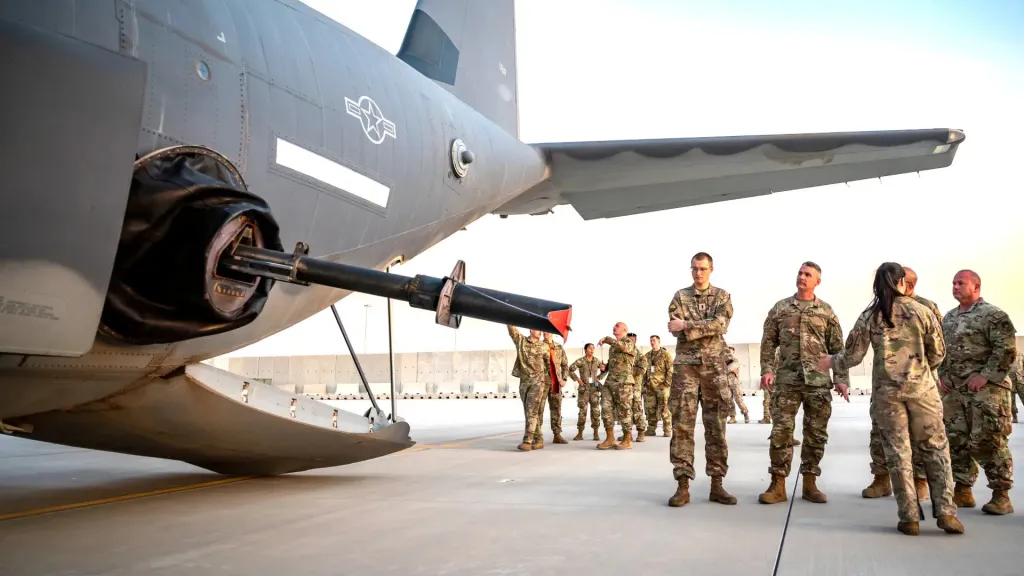
The gunship also uses flares and other defensive countermeasures to protect itself during combat. These flares confuse heat-seeking missiles, giving the Ghostrider a better chance of surviving in hostile environments.
With this formidable weapons suite, the AC-130J Ghostrider continues the legacy of the AC-130 Angel of Death, providing unmatched support to troops and ensuring air dominance in any mission.
The AC-130J Ghostrider is not just a flying weapons platform; it’s a mission-critical asset designed to provide persistent, close air support to ground forces in some of the most challenging combat environments. Its flexibility and firepower make it a vital tool for the U.S. military, especially for Special Operations units.
Primarily, the Ghostrider excels in close air support (CAS) missions. It can orbit over a combat zone, providing continuous cover fire and precision strikes against enemy positions, vehicles, or fortifications. This ability to loiter for extended periods allows troops on the ground to call in fire support exactly when and where they need it most—often turning the tide in high-stakes engagements.
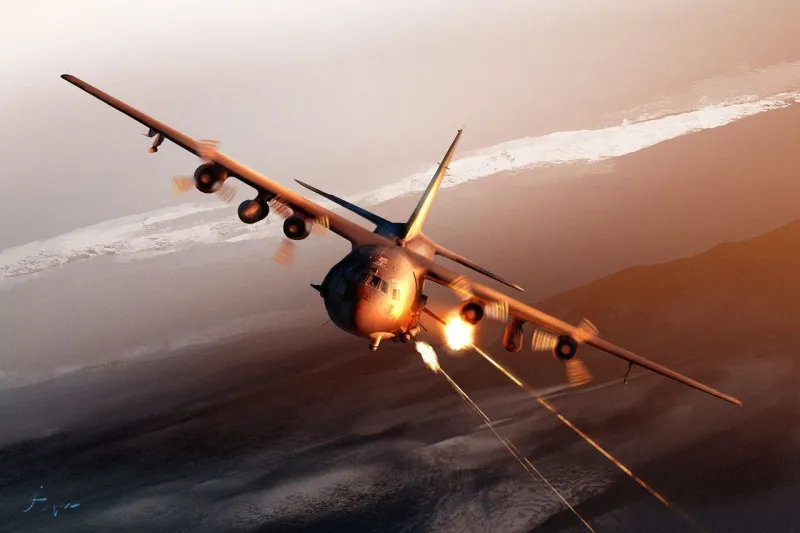
In addition to CAS, the Ghostrider carries out armed reconnaissance and interdiction missions. Its advanced sensors and targeting systems enable it to locate enemy forces, disrupt supply lines, or prevent reinforcements from reaching the battlefield. This makes the aircraft indispensable in asymmetric warfare scenarios, where identifying and neutralizing fleeting targets quickly is essential.
The AC-130J’s operational history spans numerous conflicts, including Iraq, Afghanistan, and operations in Africa. It has also participated in major multinational exercises like RIMPAC, showcasing its ability to integrate with allied forces. These deployments demonstrate the Ghostrider’s global reach and adaptability to different combat theaters.
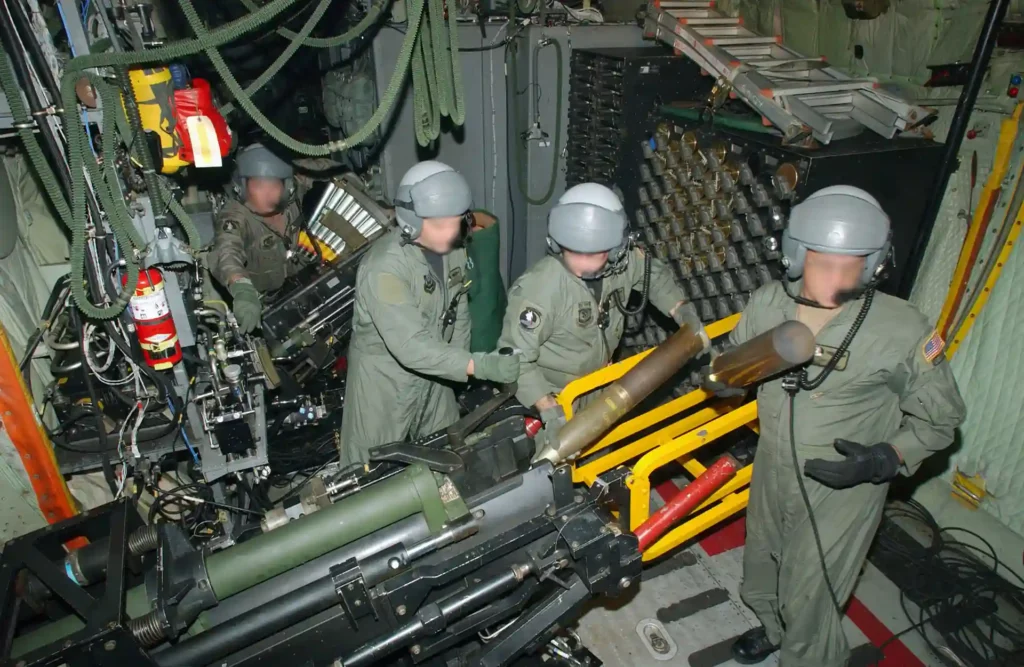
A unique characteristic of the AC-130 series is its distinctive “gunship circles” flight pattern—slow, controlled orbits over target areas that maximize its weapons’ effectiveness and situational awareness. This tactic, well-known among aviation enthusiasts and military analysts, highlights how the Ghostrider provides unmatched sustained firepower compared to fast-moving strike aircraft.
With a combination of heavy armament, advanced sensors, and exceptional loiter time, the AC-130J Ghostrider remains the go-to platform when precision, persistence, and overwhelming firepower are needed on the battlefield.
The AC-130J Ghostrider serves as a crucial asset primarily within the United States Air Force’s Special Operations Command (AFSOC). Its specialized mission profile means it’s not just any squadron that gets to fly and maintain these powerful gunships—only elite units with advanced training and operational expertise are entrusted with the aircraft.
The most notable unit operating the AC-130J is the 4th Special Operations Squadron (SOS), famously known as the “Ghostriders.” This squadron has a rich history dating back to the early days of the AC-130 program and continues to be the spearhead for deploying Ghostrider missions worldwide. Their crews include pilots, combat systems officers, and mission specialists trained to operate the aircraft’s complex avionics and weapons systems under intense combat conditions.
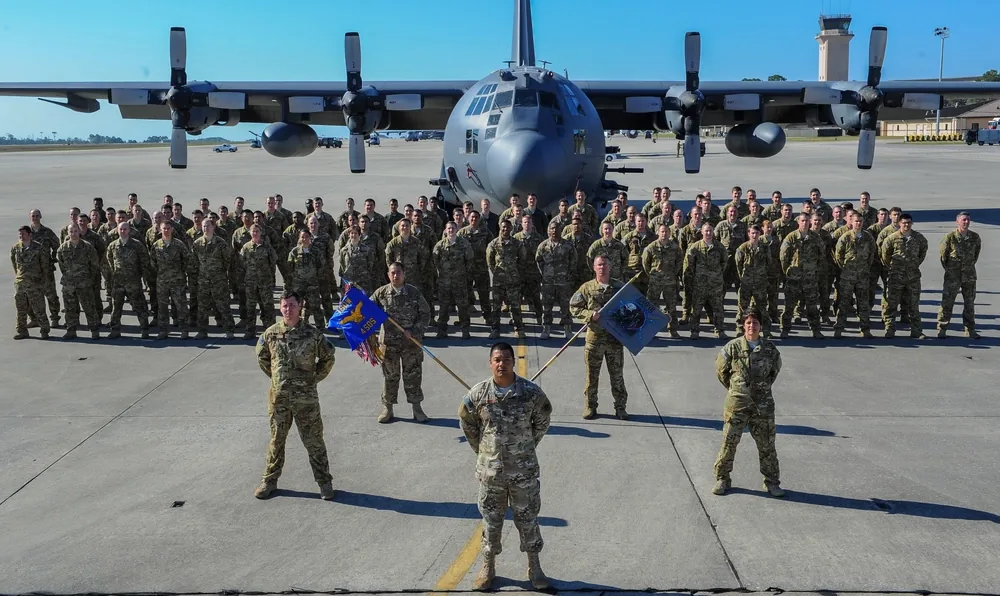
In addition to the 4th SOS, the 73rd Special Operations Squadron was reactivated in 2018 specifically to operate the AC-130J. This expansion reflects the increasing demand for the Ghostrider’s unique capabilities across various theaters. The 73rd works closely with the 4th SOS, bolstering the Air Force’s gunship force structure.
Reserve components also play an important role. The 919th Special Operations Wing at Duke Field, Florida, trains and deploys reserve crews qualified on the AC-130J, providing additional operational depth and flexibility. This integration ensures that the Air Force maintains a ready pool of highly skilled personnel to support continuous global operations.
Together, these squadrons form a tight-knit community of operators who uphold the legacy of the AC-130 Angel of Death while pushing the Ghostrider’s capabilities forward. Their expertise ensures that the gunship remains a reliable and lethal force multiplier for U.S. and allied troops on the ground.
The AC-130J Ghostrider is the latest evolution in a storied line of Lockheed AC-130 gunships, but how does it compare to its predecessors, like the AC-130U Spooky and AC-130W Stinger II? The answer lies in a blend of upgraded technology, enhanced survivability, and expanded mission capabilities that push the boundaries of what a gunship can do.
Earlier variants, such as the AC-130U and W, were revolutionary in their time—offering powerful side-firing cannons and advanced sensors. However, these older models relied heavily on analog systems and had more limited weapon options.
The Ghostrider, in contrast, features a fully digital glass cockpit, state-of-the-art avionics, and a modular Precision Strike Package. This modernization allows for better target identification, quicker engagement, and integration with cutting-edge weapons like GPS-guided bombs and the AGM-176 Griffin missiles.
One of the biggest leaps with the AC-130J is its improved fuel efficiency and engine performance, thanks to the Rolls-Royce AE 2100D3 turboprops. This grants longer loiter times, enabling the Ghostrider to stay on station longer than its predecessors, providing continuous support to troops below.
Weapon-wise, the Ghostrider retains the iconic 105mm howitzer, a massive cannon that has become synonymous with the AC-130 Angel of Death nickname. While there were discussions about replacing it with laser weaponry or other directed-energy systems, the military decided to keep the howitzer for now because of its proven effectiveness, especially in Pacific operations where long-range firepower is essential.
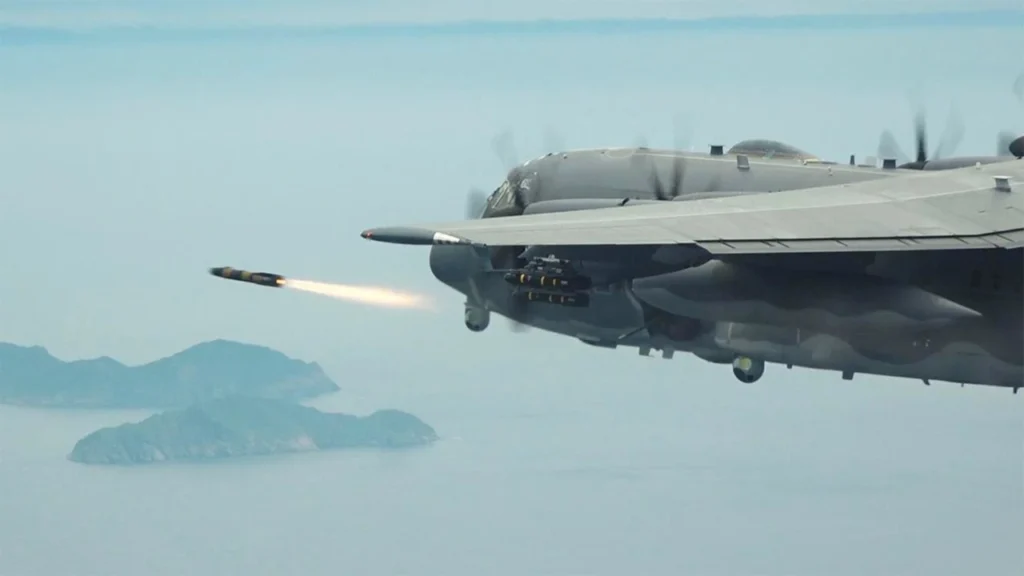
Moreover, the Ghostrider adds capabilities such as deploying the AGM-114 Hellfire missile and carrying cruise missiles like the Black Arrow, expanding its role from just close air support to broader interdiction and strategic strikes.
In short, the AC-130J Ghostrider takes the best of previous gunships and combines it with modern technology, making it a more versatile and survivable platform that meets the demands of 21st-century warfare.