Follow Us:
Follow Us:

The Tupolev Tu-95 Bomber, often referred to as the Tu-95 Bear is one of the most iconic military bombers ever built. Developed by the Soviet Union in the 1950s, the Tu-95 has become synonymous with Russia’s strategic airpower, earning a reputation for its long-range capabilities and distinctive, thunderous sound.
In this guide, we’ll explore the Tupolev Tu 95 Bomber from its history and design to its technical specifications and operational history. We’ll also compare the Tu-95 with its American counterpart, the B-52, and dive into the various Tupelov Tu-95 Bomber variants and upgrades.
Let’s start by looking at how this legendary bomber came into being.
The story of the Tupolev Tu-95 Bomber begins in the early 1950s, during the height of the Cold War. The Soviet Union needed a strategic, long-range bomber capable of delivering nuclear payloads to targets thousands of miles away. The aircraft’s design requirements included:
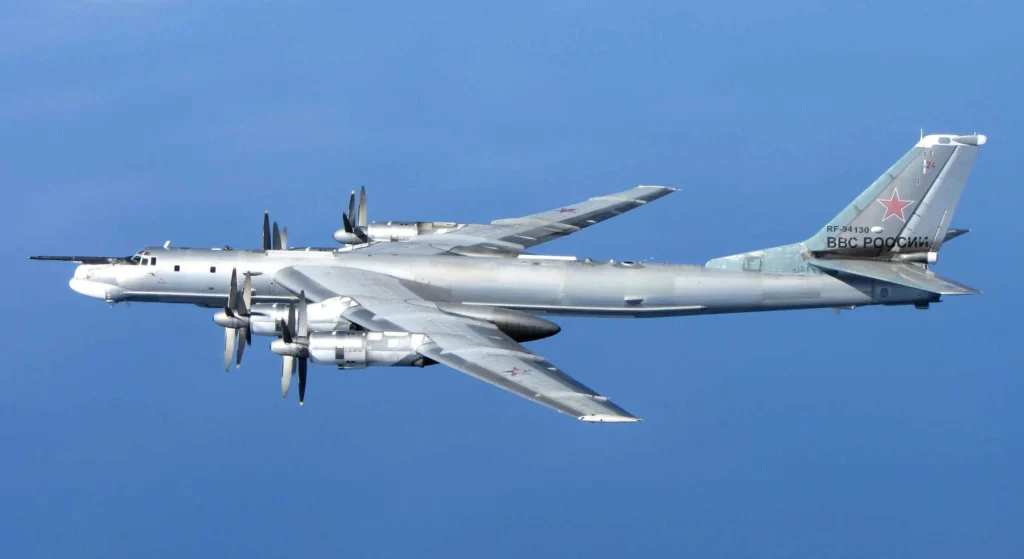
Andrei Tupolev and his design team took on this challenging task. Inspired by the success of American bombers like the B-29 Superfortress, the Soviet engineers developed the Tu-95, which would become the backbone of their strategic air force for decades.
The development of the Tu-95 saw several important milestones, from concept to the first operational flight:
The Tupolev Tu 95 is a massive aircraft, reflecting its role as a long-range strategic bomber. Here are some key dimensions and weight specifications:
| Specification | Details |
| Length | 46.2 meters (151 feet 7 inches) |
| Wingspan | 50.1 meters (164 feet 5 inches) |
| Height | 12.1 meters (39 feet 8 inches) |
| Maximum Takeoff Weight | 185,000 kg (407,855 lbs) |
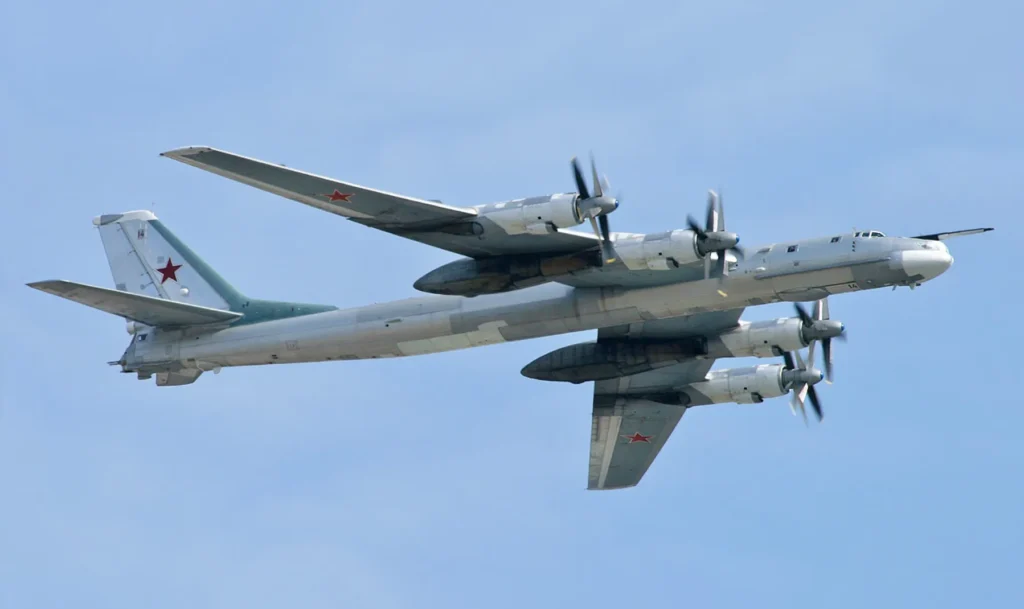
These dimensions make the Tupolev Tu-95 Bomber one of the largest bombers ever built, emphasizing its capability to carry heavy payloads over long distances. When comparing the Tu-95 vs B-52 in size, they are relatively similar, but the Tu-95 stands out with its unique propeller-driven design.
One of the most distinctive features of the Tupolev Tu 95 Bear is its propulsion system. The aircraft is powered by Kuznetsov NK-12 turboprop engines, which are the most powerful turboprop engines ever built. Each engine has two contra-rotating propellers, which are responsible for the plane’s distinctive appearance and unmistakable sound.
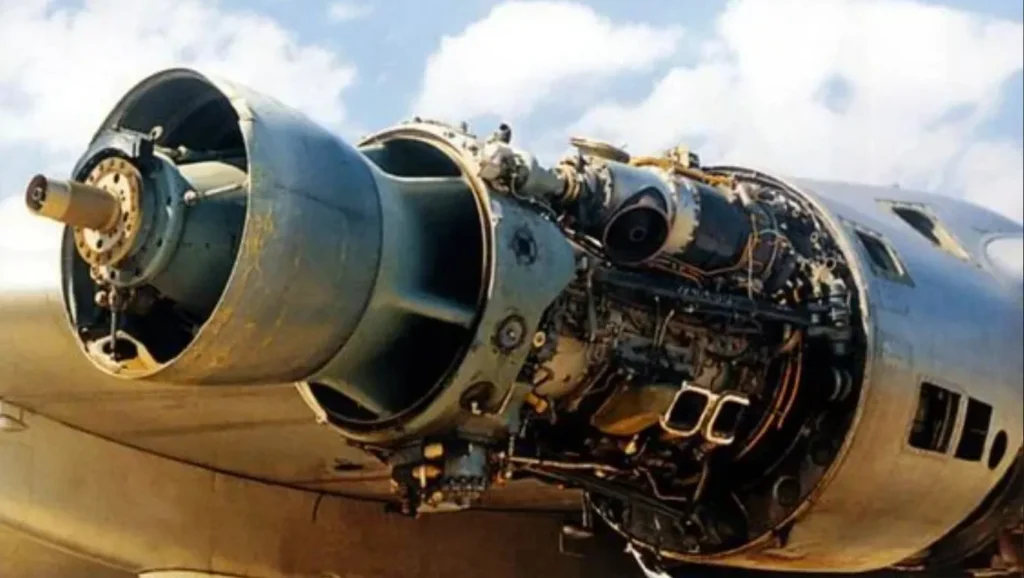
The Tu-95 Bear’s engines provide it with a cruising speed of around 710 km/h (440 mph) and a maximum speed of 925 km/h (575 mph). Despite being a turboprop aircraft, the Tupolev Tu-95 Bomber is capable of reaching significant speeds, which contributed to its effectiveness during the Cold War.
The Tupolev Tu 95 bomber was originally designed to carry heavy nuclear bombs, but over the years, it has been equipped with a variety of weapons. Here’s a look at its primary payload capabilities:
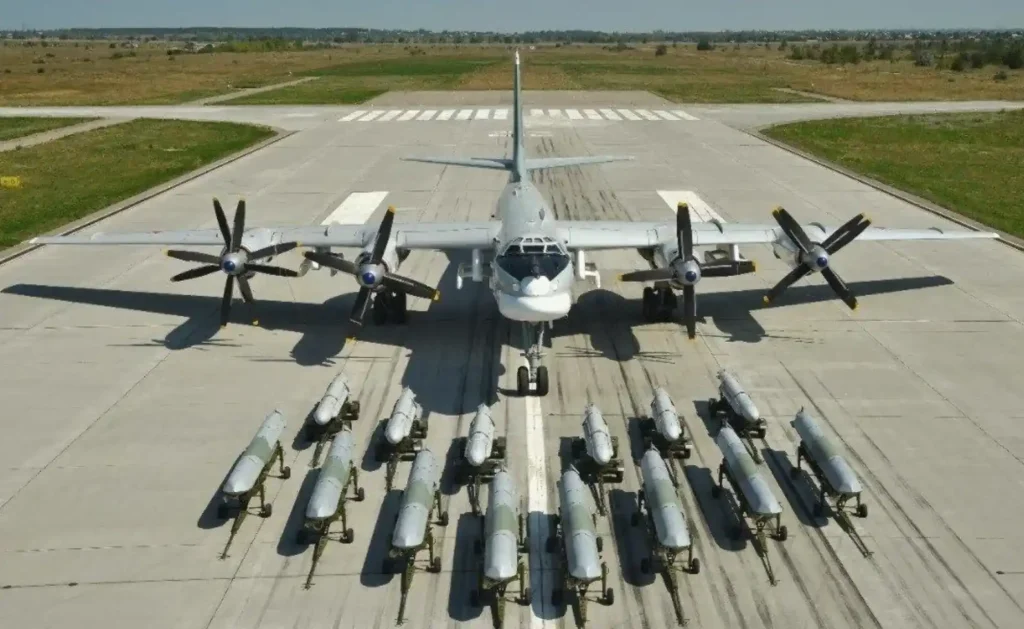
The Tu-95MS variant, often referred to as the Russian Tu-95 Bear-H Bomber, is the most modern version in active service. It primarily functions as a strategic missile carrier, capable of deploying long-range cruise missiles.
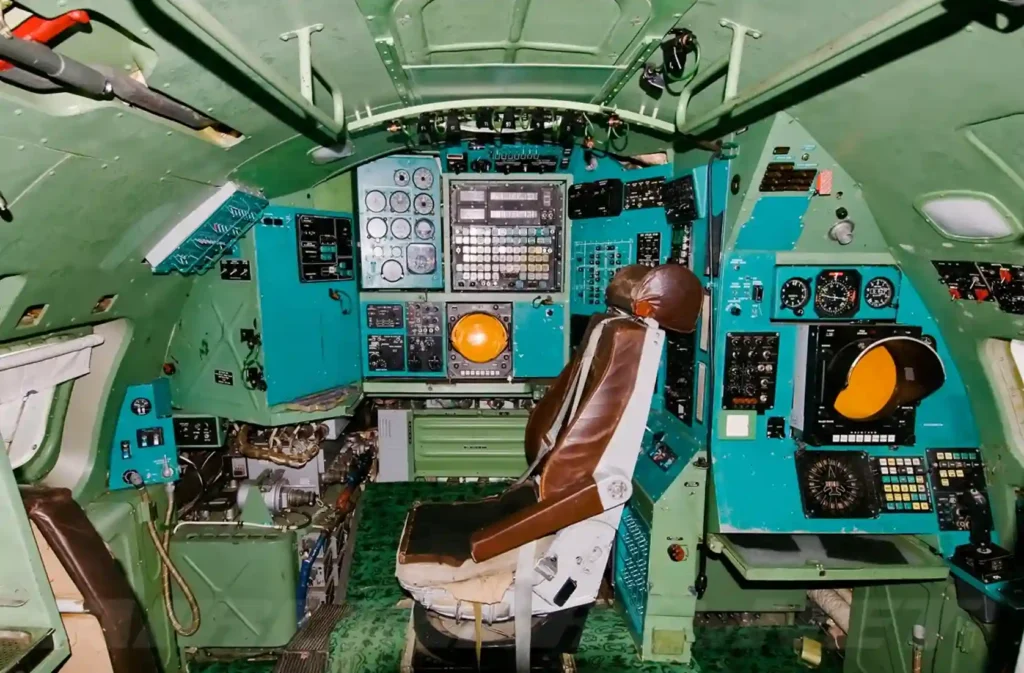
The Tu-95 bear cockpit is a classic example of Soviet-era design, characterized by its utilitarian layout and instrumentation. It’s divided into several compartments to accommodate the crew members:
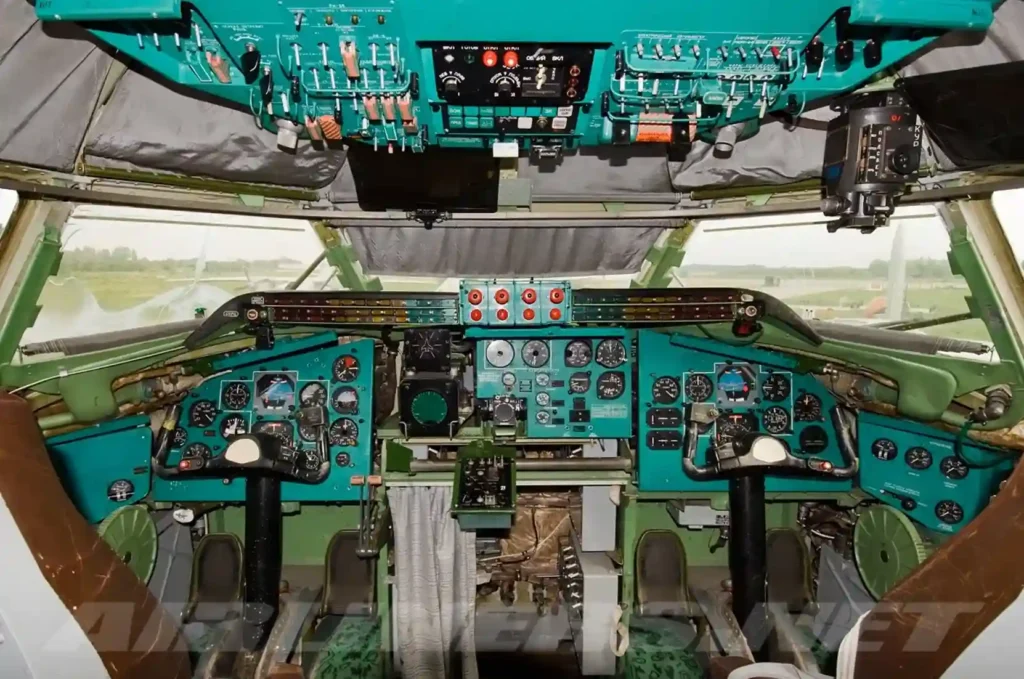
While the Tu 95 cockpit might seem cramped by modern standards, it’s designed to ensure efficiency during long-duration flights. The navigator and radio operator are essential roles, especially for navigating across vast distances and ensuring communication with ground stations.
The Tupolev Tu 95 bomber has been produced in several variants over the years, each designed for specific missions and roles. While all versions maintain the core design of the Tupolev Tu-95 bomber, there are key differences between them. Here are the most notable variants:
The Tupolev Tu-95 Bomber has undergone significant modernization over its service life. The most recent upgrades have primarily focused on improving its avionics, navigation systems, and armament capabilities. Key modernization efforts include:
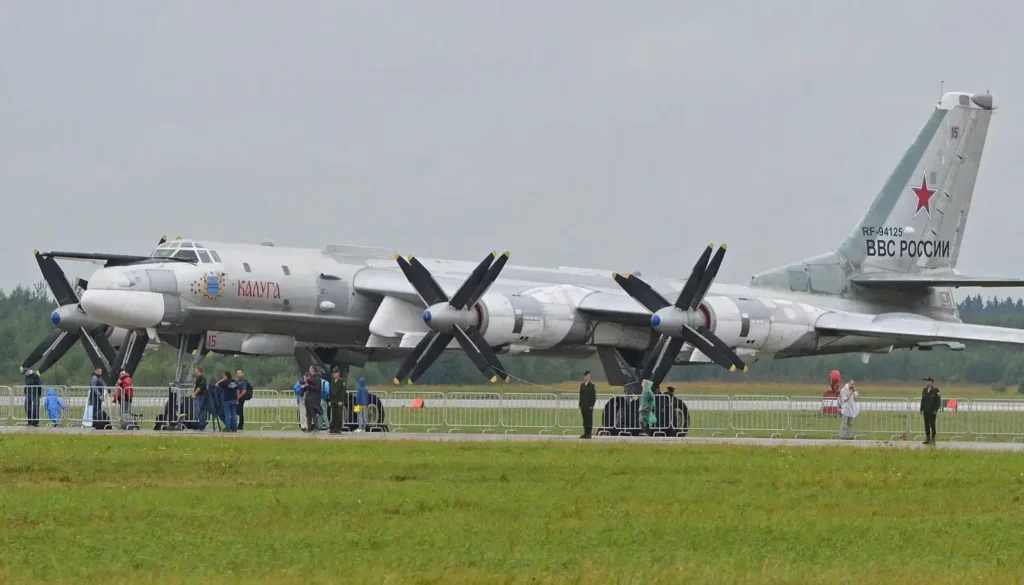
These modernization programs aim to keep the Tu-95 relevant in modern warfare, enabling it to perform strategic missions in a rapidly changing geopolitical environment.
During the Cold War, the Tu-95 Bear Bombers played a pivotal role in the Soviet Union’s strategic air force. These bombers were part of a broader effort to maintain a credible nuclear deterrent against NATO forces. The Tupolev Tu-95 bomber was designed to carry nuclear bombs and, later on, air-launched cruise missiles, providing the Soviet Union with the capability to strike targets across Europe, North America, and Asia.
The Tu-95 was not just a showpiece; it actively participated in missions that tested the limits of Soviet long-range aviation. Some notable operations include:
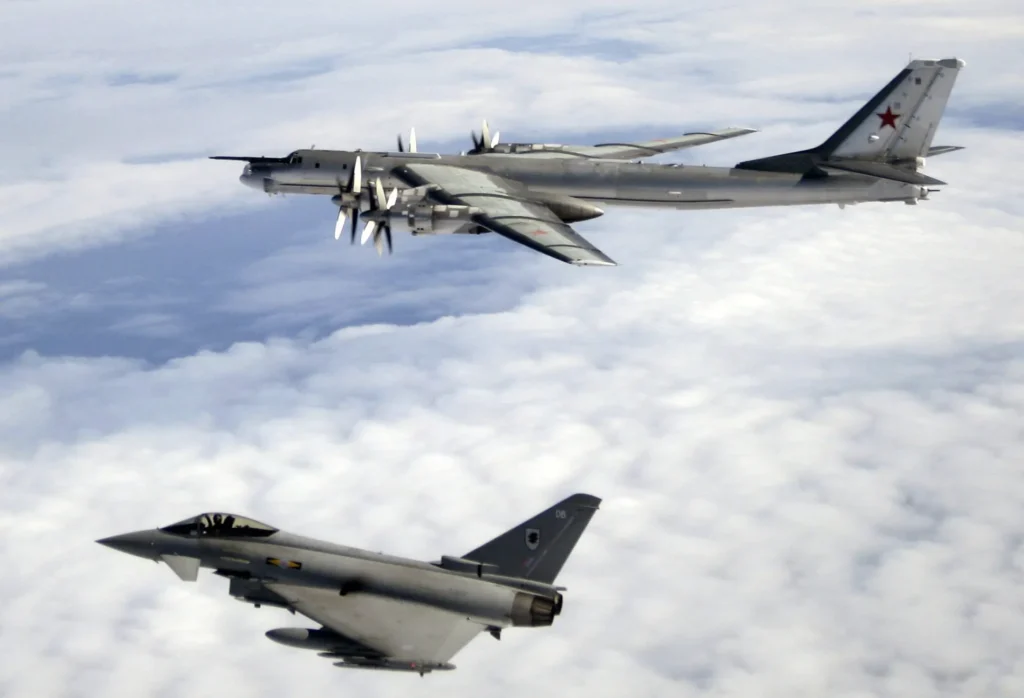
Despite its age, the Tupolev Tu-95 bomber continues to be a mainstay of the Russian Air Force. The modernized variants, like the Tu-95MSM, have been equipped with improved avionics and are capable of carrying advanced cruise missiles, making them relevant in contemporary warfare. Today, the Tu-95 Bear Bombers are often used in strategic missions and exercises, both within Russian airspace and beyond.
In recent years, the Russian Tu-95 Bear Bombers have been seen conducting long-range patrols near NATO airspace. These missions are designed to test the readiness of NATO forces and assert Russia’s strategic presence. For instance:
The Tu-95 Bear has had a significant impact on global military aviation and is seen as a symbol of Soviet and, later, Russian airpower. Its unique design, long-range capabilities, and distinctive engine sound have made it a recognizable figure in military history. When comparing the Tu 95 vs B 52, many analysts highlight the Tu-95’s propeller-driven engines, which contrast sharply with the B-52’s jet engines, making the Tupolev Tu-95 bomber a symbol of Soviet engineering ingenuity.
The Tupolev Tu-95 Bomber, often called the Tu-95 Bear, is much more than just a military aircraft. It’s a symbol of Soviet engineering ingenuity and Cold War history. Developed during a time of heightened global tensions, the Tu-95 quickly became one of the cornerstones of the Soviet Union’s strategic air force, and its legacy continues to this day with the Russian Air Force.
The Tupolev Tu-95 bomber is unique in its design, with its iconic contra-rotating propellers and powerful NK-12 engines that contribute to its distinctive sound. Over the decades, the aircraft has gone through numerous upgrades and variants, adapting to new technologies and evolving military needs. Despite being over six decades old, the Russian Tu 95 Bear Bombers continue to play an important role in Russia’s long-range strategic operations.
From its origins in the 1950s to its modern Tu-95MSM variant, the Tu 95 bears has served as a symbol of power, resilience, and strategic capability. It has been involved in countless patrols, interceptions, and reconnaissance missions, making it an enduring feature of military aviation history.