Follow Us:
Follow Us:

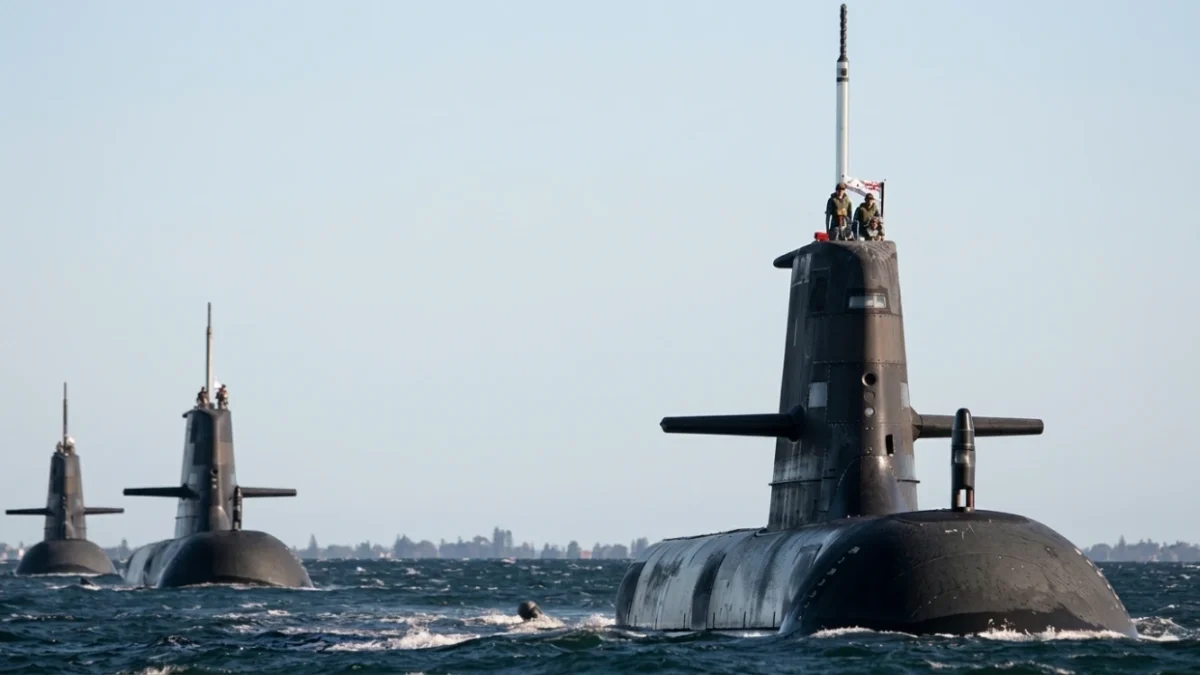
Defense Feeds, Warsaw. The Poland Saab A26 submarines acquisition marks a major milestone in the country’s effort to restore its undersea warfare capability after years of operating an aging submarine fleet.
Poland has selected Sweden’s Saab to deliver three A26 submarines under the long-awaited Orka modernization program, providing the Polish Navy with a new generation of stealthy underwater platforms optimized for intelligence gathering, anti-ship warfare and maritime deterrence in the Baltic Sea.
The agreement reflects Warsaw’s continued investment in strengthening naval capabilities as regional security concerns drive NATO members to modernize forces operating along the alliance’s eastern flank.
The Poland Saab A26 submarines program is intended to replace the Polish Navy’s aging submarine force with a modern fleet capable of operating effectively in the complex and confined waters of the Baltic Sea. The acquisition forms one of the most significant naval procurement decisions undertaken by Poland in recent years and addresses a long-standing capability gap in the country’s maritime defense posture.
The Saab A26 was selected for its combination of stealth, operational flexibility and suitability for shallow-water environments. The submarine has been designed to conduct intelligence collection, surveillance, anti-surface warfare and anti-submarine operations while remaining difficult to detect.
The procurement also strengthens defense cooperation between Poland and Sweden at a time when both countries are expanding military collaboration within NATO. As security conditions continue to evolve across Northern Europe, closer industrial and operational partnerships have become increasingly important for regional defense planning.
The Orka program represents a broader effort by Poland to modernize all branches of its armed forces through investments in advanced air defense systems, armored vehicles, combat aircraft and naval platforms.
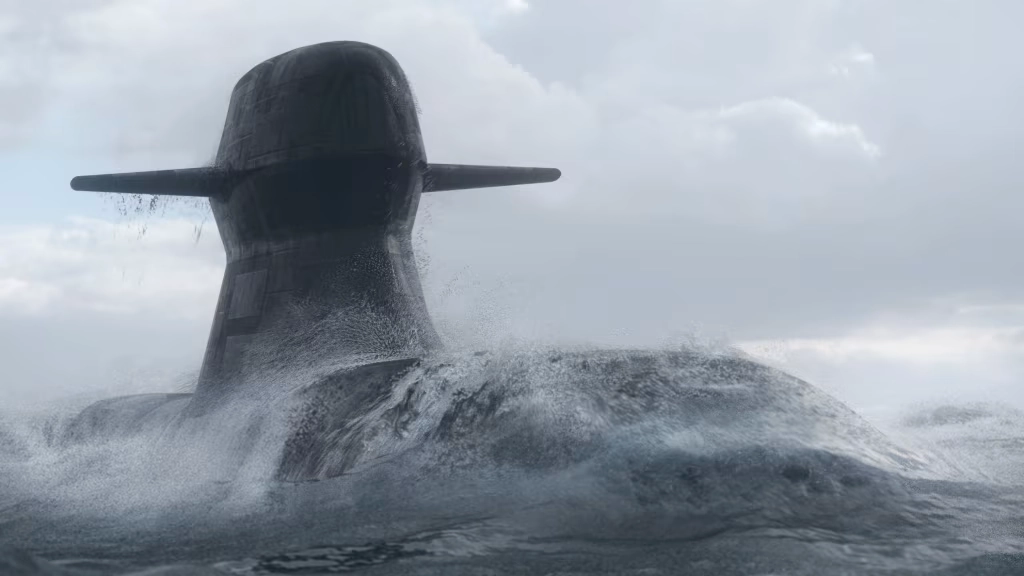
The Poland Saab A26 submarines will provide the Polish Navy with significantly improved operational capabilities compared with its legacy fleet. Developed specifically for modern undersea warfare, the A26 combines low acoustic signatures with advanced sensors and combat management systems to improve survivability in contested maritime environments.
One of the platform’s defining characteristics is its modular design, allowing operators to adapt the submarine for a variety of missions. In addition to conventional anti-ship and anti-submarine warfare, the A26 can support intelligence gathering, special operations and maritime surveillance.
The submarine’s stealth characteristics are particularly valuable in the Baltic Sea, where relatively shallow waters and heavy maritime traffic create unique operational challenges. Reduced detectability enables the vessel to monitor adversary activity while maintaining freedom of maneuver during high-intensity operations.
The platform is also designed for long-duration patrols and can integrate a range of modern weapons and mission systems, providing commanders with greater flexibility across evolving operational scenarios.
The Poland Saab A26 submarines acquisition significantly strengthens Poland’s contribution to NATO’s maritime posture in the Baltic region. Undersea warfare has become an increasingly important element of regional security as allied nations seek to protect critical sea lines of communication, offshore infrastructure and strategic maritime approaches.
Modern attack submarines provide powerful deterrent value because they can operate covertly while conducting surveillance, tracking hostile naval movements and, if necessary, engaging surface or underwater targets. Their presence complicates adversary planning and increases uncertainty during potential crises.
For Poland, rebuilding an effective submarine force restores a capability that has gradually diminished as older platforms approached the end of their operational service lives. The introduction of the A26 fleet will improve the Navy’s ability to conduct independent operations while supporting multinational missions alongside allied naval forces.
The agreement also reinforces Saab’s position as one of Europe’s leading submarine manufacturers and highlights growing defense cooperation among NATO members in Northern Europe. As regional governments continue investing in advanced maritime capabilities, the Orka program is expected to become a cornerstone of Poland’s naval modernization strategy.
With three next-generation submarines set to enter service, Poland is positioning itself to play a larger role in safeguarding the Baltic Sea while enhancing NATO’s collective undersea warfare capability in one of Europe’s most strategically important maritime regions.