Follow Us:
Follow Us:

You’ve probably seen military tech make headlines before, but the low-observable RQ-170 Sentinel stealth drone has suddenly gone from near-mythical status in defense circles to viral social media clips and news alerts after it was spotted returning to Puerto Rico following what U.S. forces are calling Operation Absolute Resolve (a high-stakes mission tied to the capture of Venezuela’s president).
What makes this especially intriguing is that the RQ-170 isn’t your typical reconnaissance platform. It’s a purpose-built, stealthy unmanned aircraft designed to sneak into contested airspace and gather intelligence your average drone can’t. Despite being around for almost two decades, details about it remain sparse, which only fuels the fascination.
And now, with footage of it in action circulating alongside breaking operational developments, there’s never been a better time to explore what the RQ-170 really is, why the world cares, and whether this mysterious UAV is finally stepping out of the shadows.
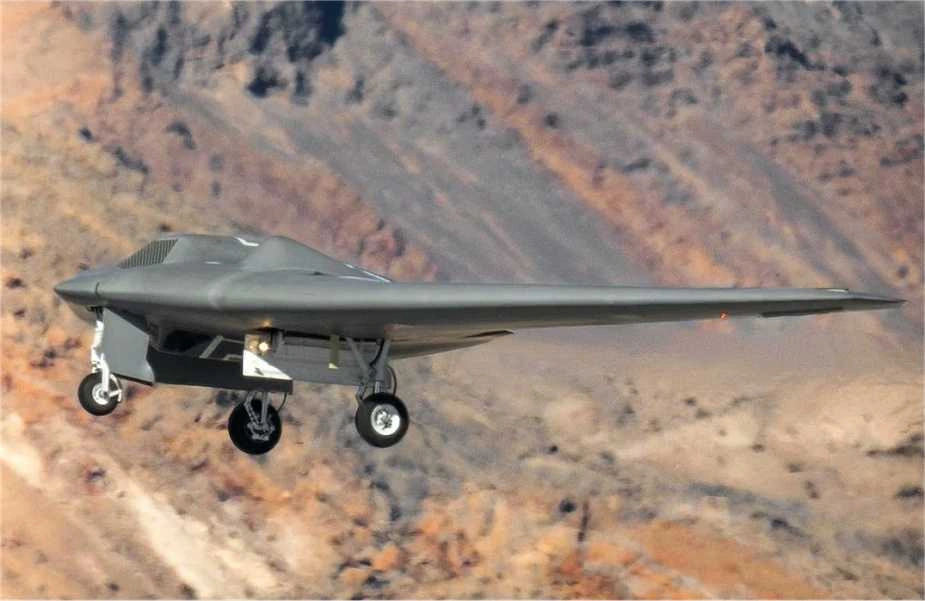
The RQ-170 Sentinel drone is a stealthy, high-altitude unmanned aircraft built mainly for intelligence, surveillance, and reconnaissance.
Think of it as a quiet observer rather than a trigger-puller. It doesn’t announce itself, it doesn’t loiter where it can be seen easily, and it’s almost certainly designed to operate in places where the U.S. really doesn’t want to lose a pilot.
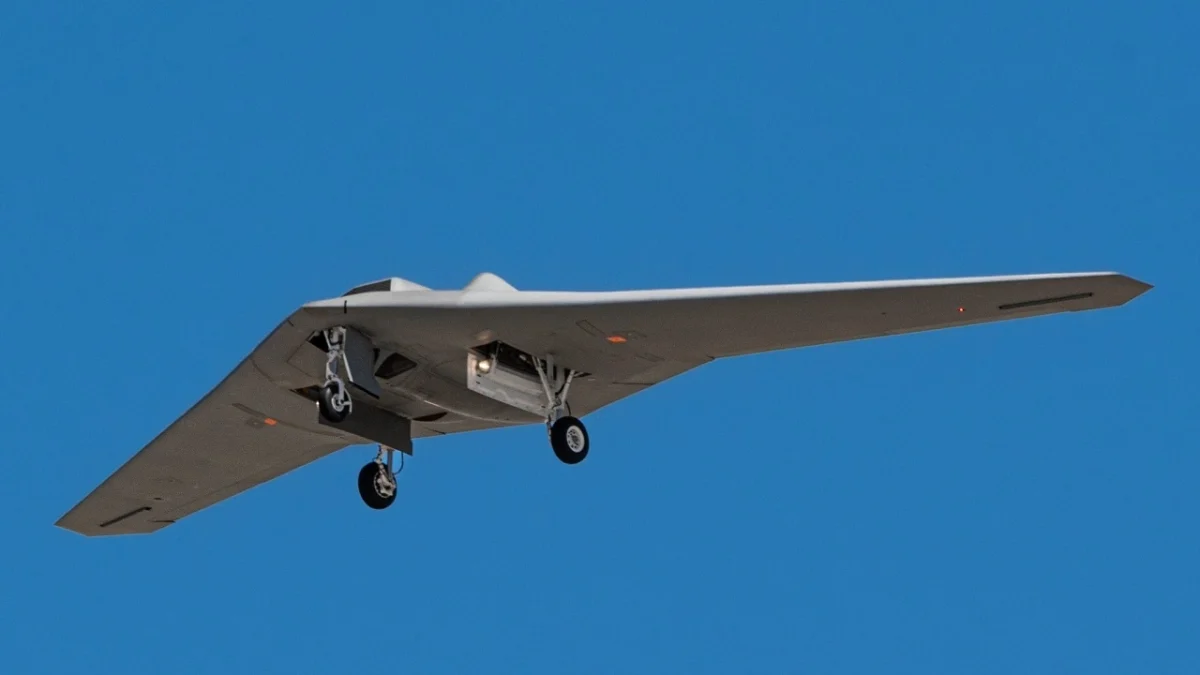
The public first got a glimpse of the RQ-170 Sentinel back in 2007, when the U.S. Air Force quietly released a single photo and confirmed its existence.
Even then, details were thin. No official specs, no performance numbers, not even a clear explanation of what sensors it carried. That vague rollout wasn’t accidental; secrecy was very much the point.
Why is the RQ-170 Sentinel considered one of the most secretive UAVs ever built?
What makes the RQ-170 Sentinel stealth drone stand out is how little we still know about it, even years later. It uses a flying-wing design, which likely helps reduce radar visibility, and it’s widely believed to operate at high altitudes over sensitive areas.
Beyond that, most of what’s been discussed comes from educated guesses, satellite imagery, and the occasional accidental reveal.
And that’s why it’s often described as one of the most secretive UAVs ever built. Unlike drones such as the MQ-9 Reaper, which are openly discussed and widely photographed, the RQ-170 seems to live in the shadows by design.
It shows up only when it absolutely has to (usually tied to major intelligence operations) and then disappears again. That mystery is a big part of what makes the Sentinel so fascinating.
If you zoom out a bit, the RQ-170 Sentinel drone seems to exist for one main reason: gathering intelligence in places where almost everything else would struggle to survive. It’s generally believed to be optimized for strategic reconnaissance and surveillance, especially over heavily defended or politically sensitive regions.
In other words, this is the kind of drone you’d send when satellites aren’t enough and sending a crewed aircraft would be a major risk.
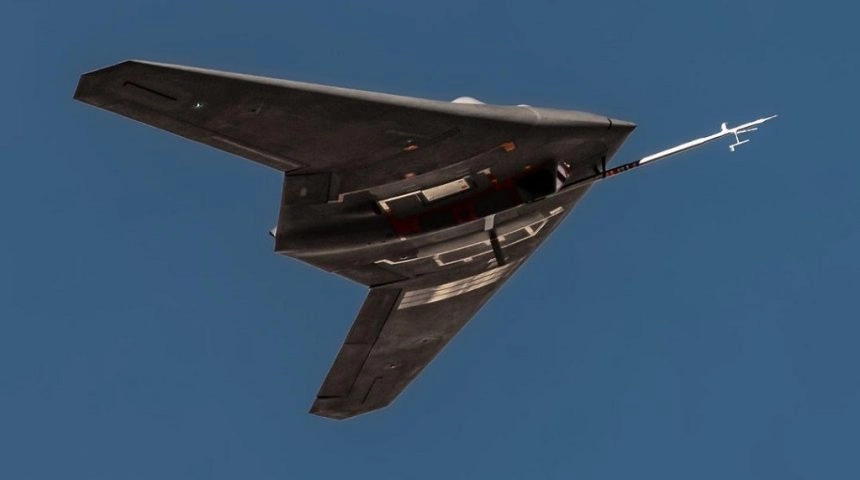
The RQ-170 Sentinel stealth drone is often linked to high-risk intelligence operations, where staying unseen matters just as much as collecting data. Its stealthy flying-wing design likely allows it to slip through radar coverage, quietly monitoring targets like military installations, missile sites, or leadership movements.
While officials rarely confirm specific missions, it’s widely assumed the Sentinel has played a role in tracking high-value targets and supporting time-sensitive operations behind the scenes.
In the bigger picture, the RQ-170 fits neatly into broader U.S. and allied UAV doctrine, which leans heavily on layered intelligence gathering. Think of it as one piece of a much larger puzzle.
Satellites provide the wide view, conventional drones handle routine surveillance, and aircraft like the RQ-170 fill the gap in between, operating closer, longer, and with a much lower chance of being noticed.
Some analysts also suspect the Sentinel doubles as a technology testbed, helping refine stealth shaping, sensors, and data-link systems that later show up on newer platforms. That would make sense, especially given how secretive it’s remained over the years. Even today, it feels less like a frontline workhorse and more like a specialized tool.
What really sets the RQ-170 Sentinel drone apart is that it was never meant to be flashy or widely understood. Everything about it suggests it was built to quietly do one job extremely well, then disappear again without leaving much behind to analyze.
The most obvious giveaway is its flying-wing design. By ditching a traditional fuselage and tail, the RQ-170 Sentinel stealth drone likely minimizes radar reflections from multiple angles.
Fewer sharp edges, fewer vertical surfaces, less for radar systems to bounce signals off. At least in theory, that makes it much harder to detect compared to conventional drones.
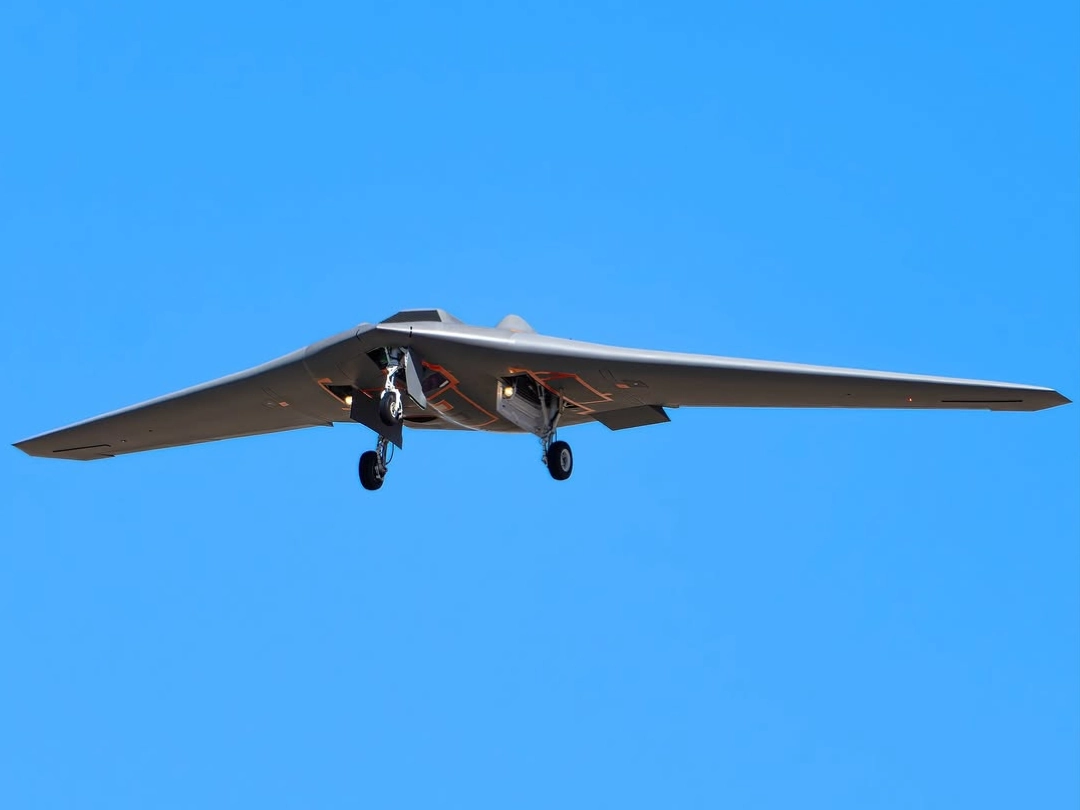
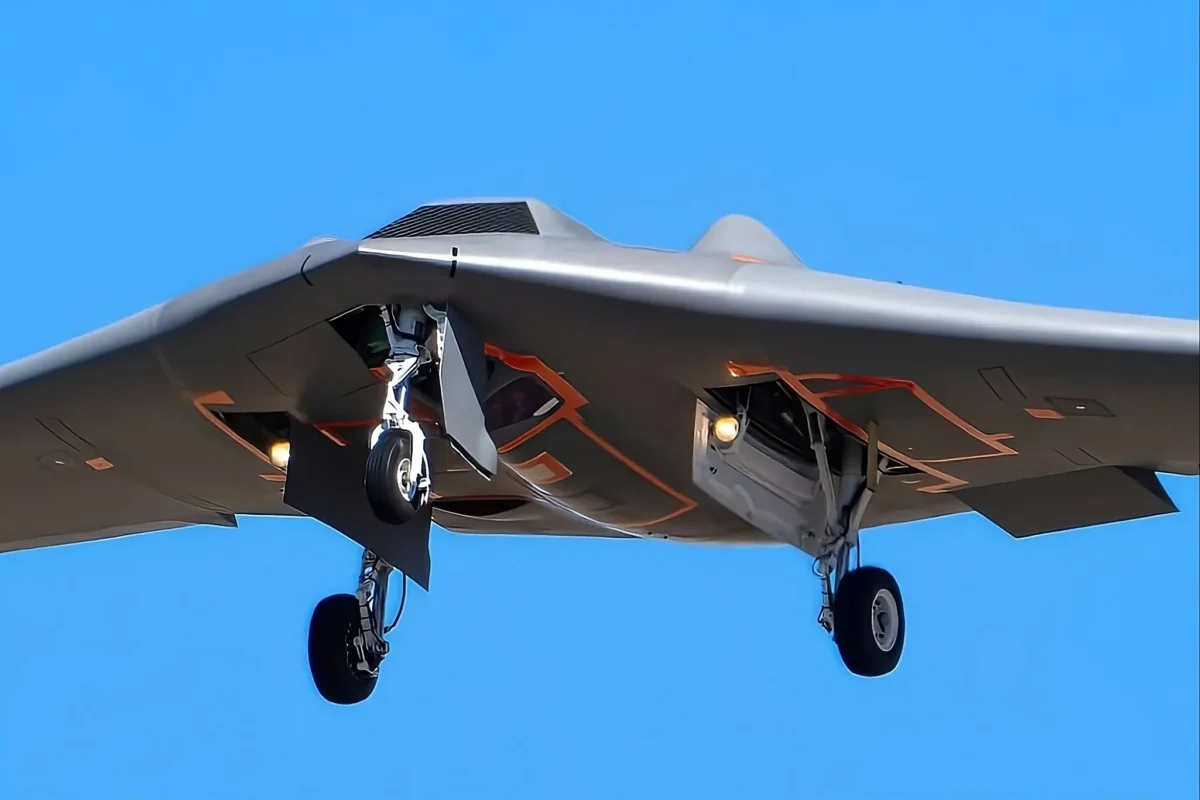
On top of that, it’s widely believed the Sentinel uses radar-absorbent materials and careful shaping to further reduce its signature. There’s also speculation around infrared signature reduction, especially around the engine exhaust.
While nothing is officially confirmed, analysts often suggest the engine is buried within the airframe to mask heat output, making it tougher for infrared sensors and heat-seeking systems to lock onto it.
Then, Why So Much About the RQ-170 Is Still Classified?
The RQ-170 remains largely classified because its value is tied directly to what adversaries don’t know about it. Revealing exact details about its sensors, range, altitude, or data-link capabilities would make it easier to counter.
So instead of gradually opening up like other UAV programs, the Sentinel has stayed locked down, even years after entering service.
Some observers also think the RQ-170 serves as a bridge between older stealth concepts and newer platforms, meaning parts of its technology may still be relevant or even actively reused in more modern drones. Keeping those details under wraps likely protects not just this aircraft, but future systems as well.
Before diving in, it’s worth saying this upfront: official specs for the RQ-170 Sentinel drone have never been fully released.
So most numbers you’ll see are best-guess estimates from analysts, satellite imagery, and leaked assessments (or none of this is officially confirmed, but it’s generally where most experts seem to land).
| Specification | Estimated Details |
| Role | Stealth ISR (Intelligence, Surveillance, Reconnaissance) |
| Length | ~6 m (20 ft) |
| Wingspan | ~27 m (90 ft) |
| Max Takeoff Weight | ~3,900–4,500 kg (8,600–9,900 lb) |
| Speed | ~500–560 km/h (310–350 mph) |
| Range | ~3,900 km (2,400 miles) |
| Endurance | 20+ hours (estimated) |
| Payload | Classified ISR sensors |
| Unit Cost | Estimated USD $20–30 million |
Size-wise, the RQ-170 Sentinel stealth drone is larger than it looks in photos. That long flying-wing wingspan, roughly 90 feet hints at why it’s so good at endurance missions.
A wide wing means better lift, better fuel efficiency, and longer time on station, which matters way more than raw agility for ISR work.

The Sentinel isn’t built for speed, and it probably doesn’t need to be. Most estimates put its cruising speed somewhere around 500–560 km/h (310–350 mph). That’s relatively modest by military standards, but stealth drones don’t win by outrunning threats; they win by not being seen in the first place.
In fact, flying slower and smoother can actually help reduce radar and infrared signatures. So while speed sounds impressive on paper, it’s likely a secondary concern compared to remaining invisible and persistent.
Analysts generally believe it has an operational range of around 3,900 km (2,400 miles) and an endurance exceeding 20 hours, possibly more depending on payload and mission profile.
That kind of persistence allows the drone to quietly monitor targets for long stretches, watching patterns, movements, and changes over time. In intelligence work, that slow burn is often far more valuable than quick flyovers.
The RQ-170 Sentinel payload is still deeply classified, but it’s widely assumed to carry a sophisticated mix of ISR sensors. This likely includes electro-optical and infrared cameras, possibly synthetic aperture radar (SAR) for all-weather imaging, and electronic intelligence (ELINT) systems to scoop up signals and emissions from the ground.
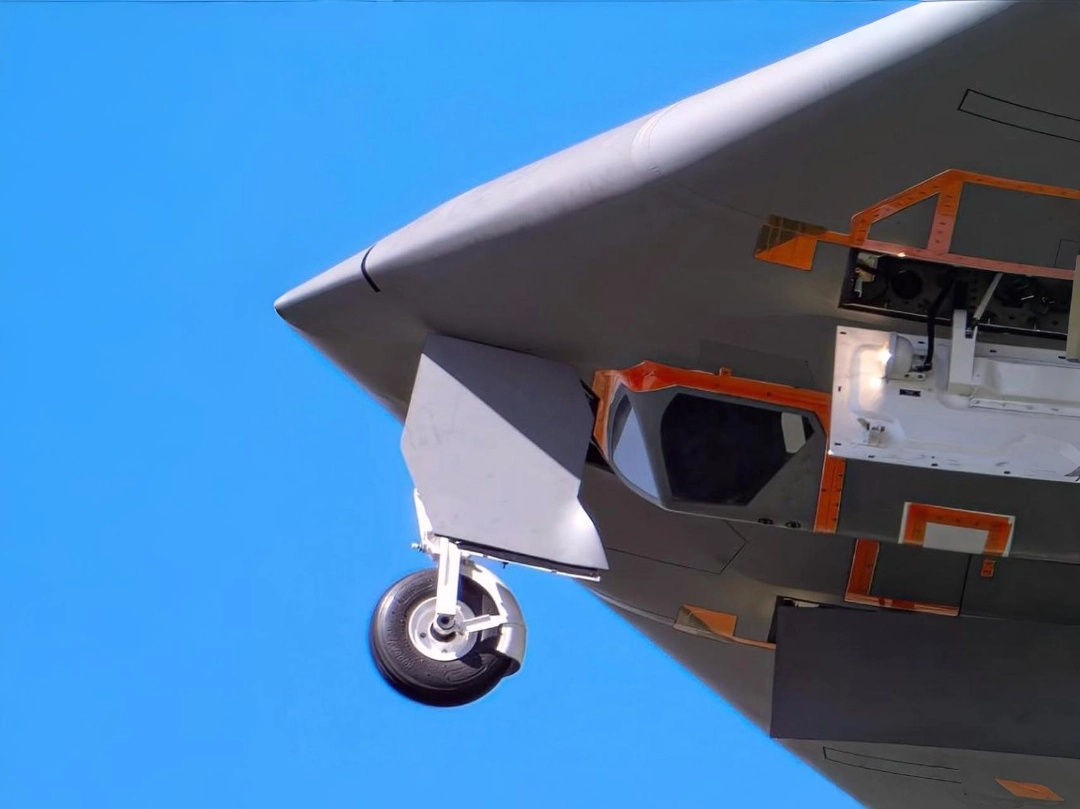
Probably not. The RQ-170 Sentinel drone is almost universally believed to be unarmed. Everything about its design and mission profile points to intelligence gathering, not strike operations. There’s no solid evidence it carries weapons, hardpoints, or internal bays for munitions.
As mentioned earlier, rather than carrying weapons, the Sentinel’s payload is all about information, high-resolution imagery, communications monitoring, and data collection that feeds into larger intelligence networks.
Cost estimates vary, but most sources place the RQ-170 drone cost somewhere around USD $20–30 million per unit. That’s expensive for a UAV, but still far cheaper and politically safer than risking a manned stealth aircraft on similar missions.
When you factor in the intelligence value it provides and the risks it avoids, the price tag starts to make more sense. Especially for missions where failure or detection could have serious geopolitical consequences.
The RQ-170 first came into public view during operations over Afghanistan, where it was reportedly used to monitor high-value targets. It’s also widely believed to have supported broader intelligence missions across Iran, Pakistan, and surrounding areas.
The most famous and controversial moment in its history came in 2011, when Iran captured an RQ-170 Sentinel largely intact. Tehran claimed it had spoofed the drone’s navigation system and forced it to land, while U.S. officials never fully confirmed how it happened.

Either way, the incident was a big deal. It raised serious questions about UAV cybersecurity, exposed elements of U.S. stealth drone technology, and likely accelerated drone development programs in countries like Iran, China, and Russia.
Globally, that capture changed how everyone looked at stealth UAVs. It highlighted both their value and their vulnerability, pushing militaries to rethink encrypted communications, autonomous controls, and how much risk is acceptable when operating deep inside contested airspace.
Even now, the 2011 incident is often cited as a turning point in modern drone warfare and a reminder that even the most secretive platforms aren’t untouchable.
| Category | RQ-170 Sentinel | RQ-180 |
| Primary Role | Stealth ISR (intelligence, surveillance, reconnaissance) | Deep-penetration ISR (possibly multi-mission) |
| Generation | Earlier stealth UAV (mid-2000s era) | Next-generation stealth UAV |
| Mission Focus | High-risk regional intelligence missions | Strategic, global-reach intelligence missions |
| Stealth Level | Low-observable, optimized for contested airspace | Believed to feature far more advanced stealth |
| Range & Endurance | Long endurance, regional reach | Much longer range, possibly intercontinental |
| Operating Environment | Advanced but limited air-defense zones | Top-tier, heavily defended airspace |
| Technology Emphasis | ISR sensors, survivability, persistence | Advanced sensors, networking, survivability |
| Status | Acknowledged but highly classified | Unacknowledged / extremely classified |
At a glance, the RQ-170 Sentinel and the RQ-180 White Bat look like they’re cut from the same stealthy cloth. But the RQ-170 Sentinel drone is generally seen as a strategic ISR platform designed to sneak into contested airspace and collect intelligence without being noticed. It does that job well, but it reflects design priorities from the mid-2000s.
The RQ-180, on the other hand, is believed to be a next-generation, deep-penetration stealth UAV. Analysts often suggest it’s built for even tougher environments, like places with advanced air defenses and possibly designed to operate as part of a larger, networked force alongside manned aircraft, satellites, and other drones.
So, the RQ-170 vs RQ-180 comparison isn’t really about which drone is “better.” It’s more about evolution. The RQ-170 likely proved the concept, while the RQ-180 builds on those lessons for a far more contested and complex future battlespace.