Follow Us:
Follow Us:

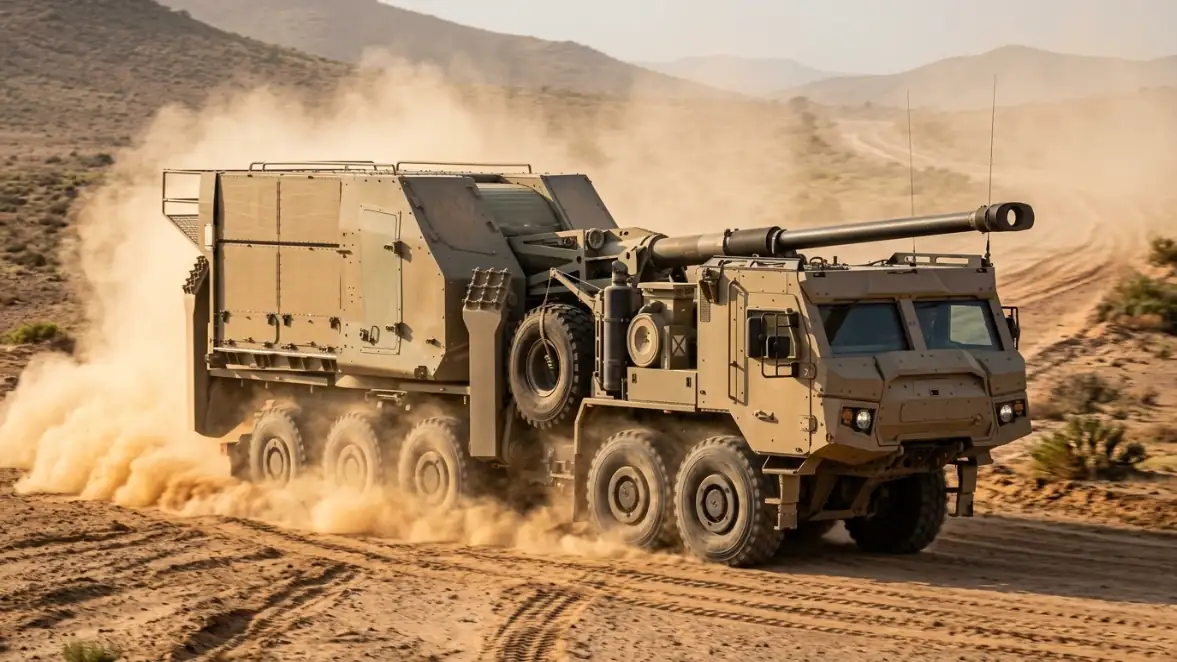
Defense Feeds – Washington: The Elbit and Anduril Unveil SIGMA 155 Howitzer for U.S. Army initiative highlights the growing race to modernize American artillery forces as defense companies compete to provide more mobile, automated and survivable fire support systems for future battlefield operations.
Elbit America and Anduril Industries have partnered to offer the SIGMA 155 self-propelled howitzer as a candidate for the U.S. Army’s Self-Propelled Howitzer Modernization (SPH-M) program.
The platform combines Elbit’s autonomous artillery technology with Anduril’s advanced software and autonomous systems expertise, creating a solution designed to meet emerging military requirements for long-range precision fires.
The proposal arrives at a time when artillery modernization has become a major priority for armed forces worldwide. Lessons from Ukraine and other recent conflicts have reinforced the importance of long-range firepower while also exposing the growing vulnerability of traditional artillery systems to drones, surveillance networks and counterbattery attacks.
Military analysts believe next-generation self-propelled howitzers will play a crucial role in future conflicts, particularly those involving highly contested and technologically advanced battlefields.
The SIGMA 155 is built around a highly automated artillery concept intended to reduce crew workload while improving operational efficiency.
Developed by Elbit Systems of America, the SIGMA platform features advanced automation technologies that streamline loading, aiming and firing processes. The design allows artillery crews to conduct missions more quickly while minimizing exposure during combat operations.
One of the primary goals of modern artillery development is reducing the amount of time a unit remains stationary after firing. Drones, satellites and counterbattery radar systems can rapidly detect artillery positions, making mobility a critical factor in battlefield survivability.
The SIGMA system is designed to support rapid “shoot-and-scoot” operations, enabling crews to fire missions and relocate before enemy forces can respond effectively.
Anduril’s involvement adds another layer of technological capability. The company has become known for integrating artificial intelligence, autonomous systems and advanced battlefield networking solutions into military platforms. These technologies could improve situational awareness, targeting efficiency and operational coordination.
Defense experts note that future artillery systems will increasingly rely on automation to improve responsiveness while reducing the burden placed on operators.
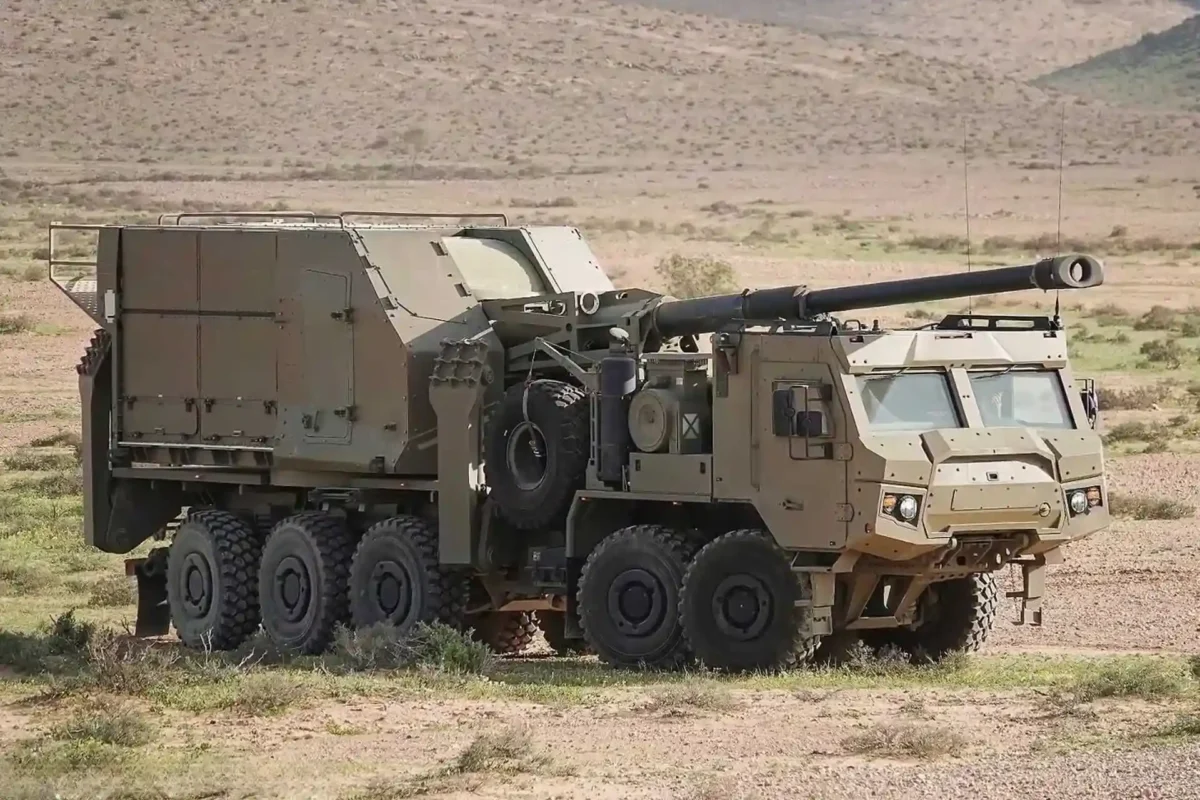
The SIGMA proposal is part of the Army’s broader effort to identify future replacements or successors for existing self-propelled artillery capabilities.
Modernization programs are being driven by concerns that traditional artillery systems may struggle to survive on battlefields characterized by persistent surveillance and precision-guided attacks. Military planners are therefore seeking platforms capable of combining firepower, mobility and digital connectivity.
The Army’s SPH-M initiative focuses on finding systems that can deliver effective long-range support while operating within highly contested environments. Automation and reduced crew requirements are also increasingly important considerations as militaries seek to maximize efficiency and operational flexibility.
Recent conflicts have demonstrated that artillery remains one of the most decisive battlefield assets. However, they have also shown that survival depends on speed, mobility and integration with broader battlefield networks.
The SIGMA 155 appears specifically designed to address those challenges by emphasizing rapid deployment, automated operation and advanced digital capabilities.
Military observers believe competition for the Army’s future artillery programs will remain intense as defense companies seek to position themselves within one of the Pentagon’s most important modernization efforts.
The unveiling of the SIGMA 155 reflects broader trends reshaping artillery warfare around the world.
For decades, artillery modernization focused primarily on increasing range and firepower. Today, however, battlefield conditions demand a wider range of capabilities. Survivability, automation, connectivity and operational speed are now just as important as the ability to deliver accurate fire support.
The war in Ukraine has provided a powerful demonstration of these realities. Artillery units are constantly exposed to drones, electronic surveillance and precision-guided strikes. Systems unable to relocate quickly face significantly higher risks of destruction.
As a result, defense manufacturers are developing platforms that integrate automation and digital technologies directly into artillery operations. These innovations can reduce reaction times, improve targeting accuracy and enhance battlefield awareness.
The partnership between Elbit America and Anduril illustrates how traditional defense companies and emerging technology firms are increasingly collaborating to meet evolving military requirements.
For the U.S. Army, programs such as SPH-M represent an opportunity to shape the future of artillery warfare for decades to come. The SIGMA 155 enters that competition as a platform focused on automation, mobility and operational resilience.
As military forces prepare for increasingly complex conflicts, next-generation self-propelled howitzers are expected to remain a central component of battlefield firepower. The success of systems like SIGMA may ultimately depend on how effectively they combine traditional artillery strengths with the technologies needed to survive and operate in tomorrow’s combat environment.