Follow Us:
Follow Us:

It’s easy to assume that artillery belongs to the past, overshadowed by drones and precision missiles. But the Archer Artillery System shows why that assumption might be premature.
Developed in Sweden, this highly automated, truck-mounted 155mm gun has been described as one of the fastest and most efficient systems of its kind. “Described as” is the key phrase here, because much of what makes Archer impressive depends on how you compare it; against older self-propelled howitzers, or against the changing demands of modern battlefields
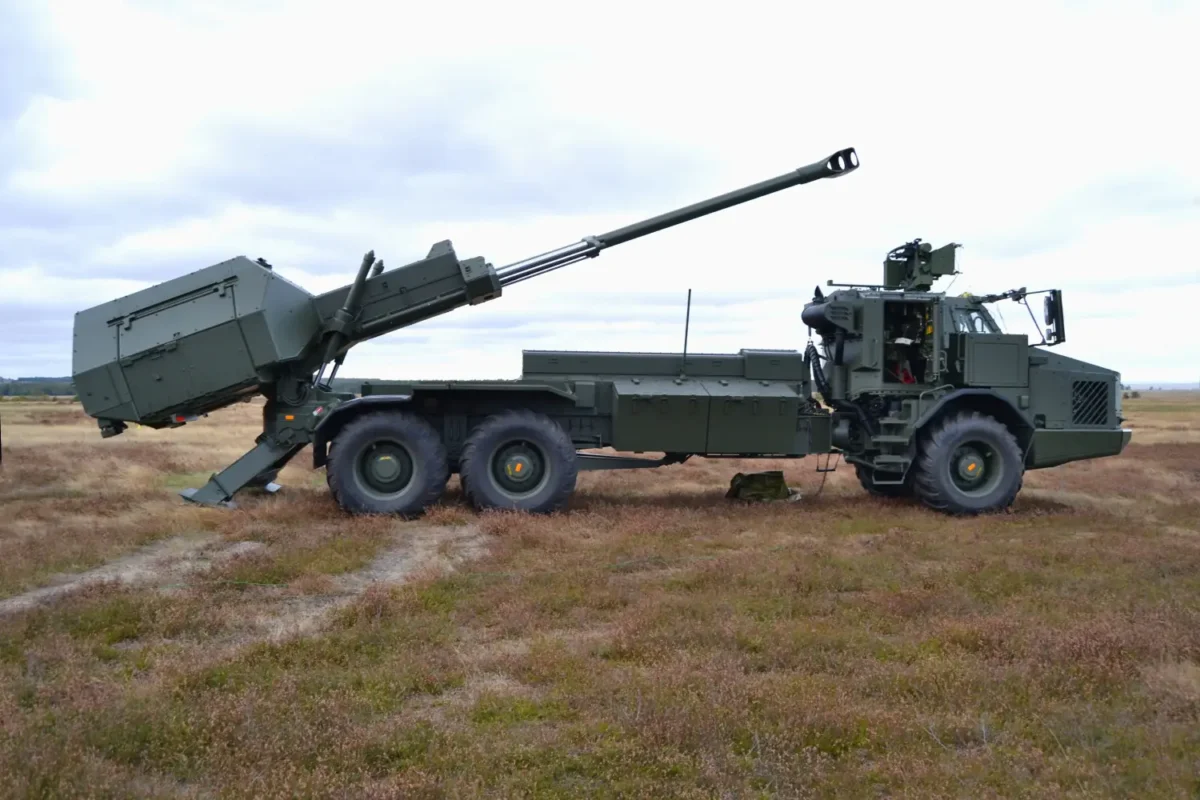
The Archer Artillery System can be seen as Sweden’s answer to the challenge of modernizing heavy firepower for the 21st century. At its most basic, Archer artillery is a self-propelled 155mm howitzer mounted on a truck chassis, designed to deliver rapid, long-range fire while remaining mobile enough to avoid counterattacks.
It’s often described as one of the more advanced artillery systems in service today, though how “advanced” it really is depends on which aspects you focus on—speed, automation, or battlefield integration.
The program began in Sweden in the early 2000s, when the country’s defense planners realized their older artillery systems were no longer well-suited for fast-moving operations or for integration with modern digital command networks.
The idea was to create a gun that could move quickly, fire accurately, and then leave before being targeted.
Swedish defense firms led the effort, and over time, larger partners such as BAE Systems became part of the development and export process. The project unfolded gradually, moving from concept studies to prototypes, testing, and eventually into limited production.
Read also: RCH 155 Howitzer: Germany’s Advanced Wheeled Artillery System
Archer uses a NATO-standard 155mm gun, which means it can fire a wide variety of existing ammunition types. By mounting this weapon on a heavy truck chassis, the system avoids the slower, bulkier feel of tracked howitzers, offering instead a mix of road speed and ease of transport.
It may not be as heavily armored as some tracked systems, but it trades that weight for mobility, which can be an advantage in dispersed or fast-moving conflicts.

What sets Archer artillery apart most clearly is its emphasis on automation. Where older systems required several crew members to handle tasks like loading shells, adjusting fire controls, and managing data, Archer automates much of this process.
The crew sits inside the armored cab, protected while the gun is loaded and fired by mechanical systems. This means fewer people are needed to operate it, and those who are there can work faster and with less exposure to danger.
Read also: Why the PzH 2000 Howitzer Is the Most Feared Artillery System
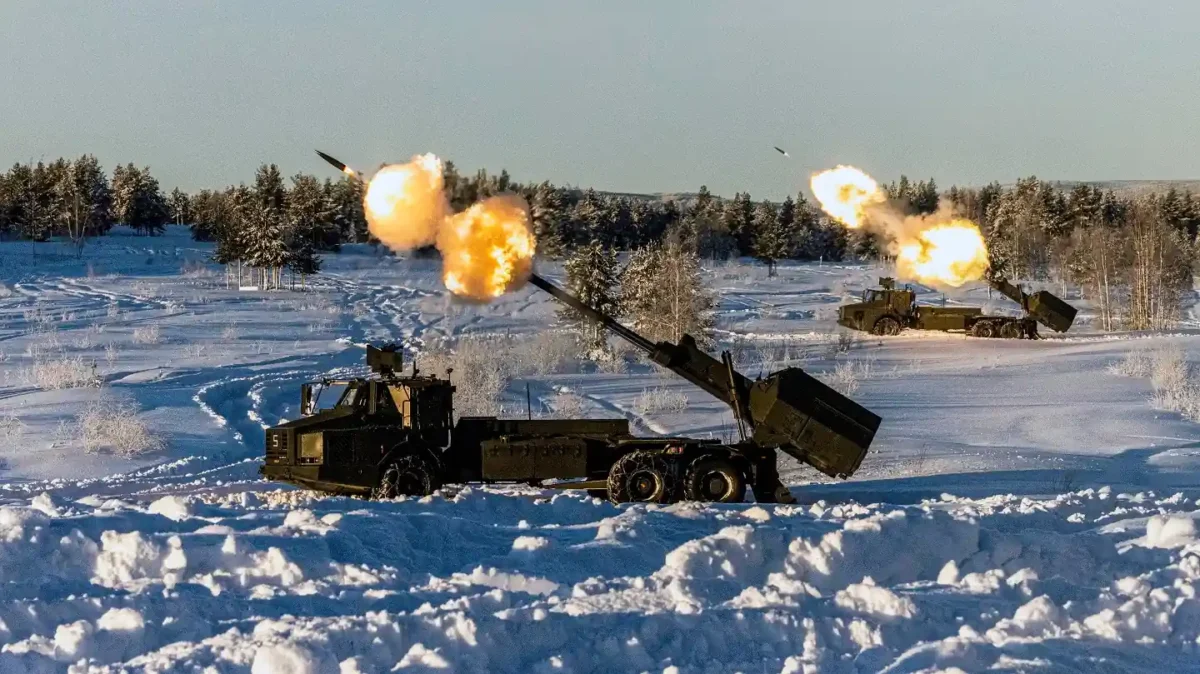
In theory, this automation allows the gun to roll into position, fire a series of shots, and leave again in just a few minutes (“shoot and scoot tactic).” Of course, the real-world effectiveness of this approach depends on training, maintenance, and battlefield conditions, but the efficiency gains are hard to ignore.
| Feature | Typical / Approximate |
| Calibre | 155 mm (NATO standard) |
| Mount | Truck-mounted, self-propelled howitzer (wheeled, heavy chassis) |
| Mobility | Road-focused mobility; easy strategic transport (rail/road) |
| Crew | Small crew thanks to automation (often reported as 2–4) |
| Max range (precision rounds) | 40 km+ (varies by round: base, extended-range, rocket-assisted) |
| Rate of fire | Faster bursts possible; lower sustained rate (automation shortens cycle times) |
| Ammunition | Standard NATO 155mm family; precision/extended rounds supported |
| Fire control | Integrated digital fire control and communications; high automation |
| Protection | Armored crew cab and design favoring shoot-and-scoot survivability |
What they mean…
The Archer’s selling points are easy to list, but they’re best understood as a package: mobility plus automation plus modern rounds.
Archer is built to move fast and not stay in one place for long. Because it’s on a wheeled truck chassis and uses automated loading and aiming, the system can roll into a firing position, launch a mission, and leave quickly. This is often called “shoot and scoot” — fire, move, avoid counter-battery fire.
What does this mean? Put simply, being quick reduces the chance of being hit yourself. On modern battlefields, artillery that lingers is vulnerable to radar, drones, and precision strikes. Archer’s mobility and short on-position time mean it can support troops with fire and then disappear before enemy sensors can react.
With older systems, setting up could take several minutes, leaving them vulnerable to counter-battery fire. Archer shortens that window to just a few minutes, sometimes even less. That means a crew can finish a fire mission and be moving again before enemy sensors or drones can lock on.
Read also: How Does Artillery Know Where to Shoot with Precision?
Soldiers who’ve used slower guns know how much that margin matters; it can be the difference between finishing a task safely or scrambling under incoming fire. That said, the real benefit depends on good communications, trained crews, and supportive doctrine; a fast system won’t help if it’s not used as part of an agile force.
People often point to the 40-kilometre (and above) figures for precision rounds to highlight reach. In the real world, how far a shot lands depends mostly on the ammunition choice.
Basic, non-assisted shells don’t go as far; by contrast, extended-range, rocket-assisted, or guided projectiles can reach well beyond the baseline figures. And since the gun is a NATO-standard 155 mm, crews can choose from many kinds of ammunition; some made for accuracy, others for blast or extra range.
What does this mean? One of the frustrations in artillery has always been firing at targets that are either too far or too risky for manned aircraft to hit. Reaching targets at 40 kilometres or more with precision rounds gives commanders an alternative to repeated unguided salvos: a few well-placed shots. That can save rounds and limit unintended damage.
But it’s not a cure-all — such rounds cost more, may reduce how fast you can fire in sequence, and they need solid targeting and favorable weather to perform well. So the practical advantage is in offering choices: different rounds, different standoffs, and more options for planners.
Archer automates loading, laying, and many of the repetitive tasks that older guns required people to do. That means fewer hands on deck, faster cycles between shots, and a smaller footprint when deployed. Automation also tends to centralize targeting data; the system can receive fire missions, compute solutions, and act faster than a fully manual crew.
What does this mean? Fewer crew members lowers personnel risk and simplifies logistics (fewer people to feed, train, and rotate). Faster gun cycles can mean more shells on target in a short window. This is particularly useful for saturation or time-sensitive strikes.
On the other hand, automation creates new dependencies: software, sensors, and maintenance. If the electronics fail or the unit lacks spare parts and trained technicians, those automation gains can evaporate. So the win is real; you gain efficiency, but you trade some of the “fix-it-yourself” flexibility that older, manual systems allowed.
Archer trades heavy turret armor for mobility and a protected crew cab. The design philosophy leans toward avoiding being hit (through movement and short emplacement times) rather than absorbing punishment. The crew cab offers some armor against small arms and shell splinters, and the system’s ability to relocate quickly is a key part of its survivability toolkit.
What does this mean? Survivability here is about cleverness more than toughness: avoid detection, minimize time exposed, and get away fast. That works well against many modern threats, especially when paired with good recon and electronic systems. But it also means Archer artillery is not meant to sit under heavy incoming fire.
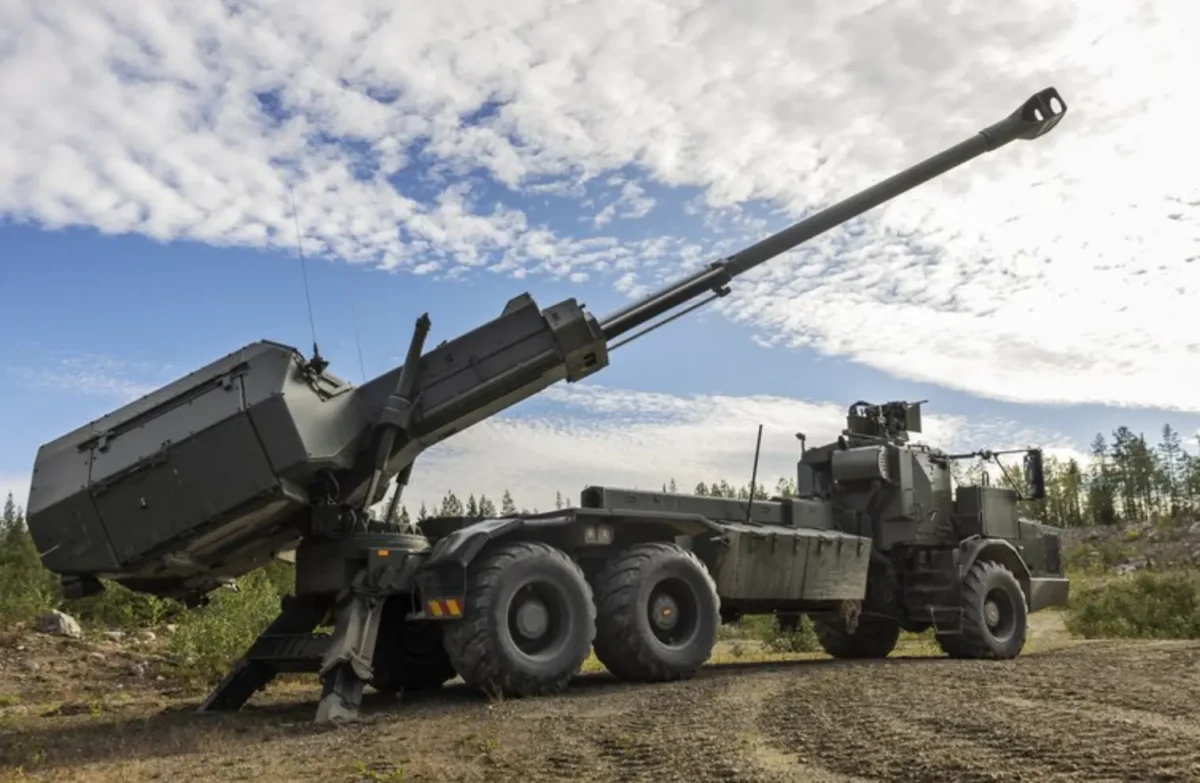
For crews, that translates to a different mindset: you’re not counting on your vehicle to absorb hits, you’re counting on it to avoid them. Many soldiers would rather not test their luck sitting in one place under observation, so being able to fire and move in quick succession feels like a safety net.
Still, they know it’s not invulnerable; if caught in the open, Archer’s lighter build makes it less forgiving than some of the heavier tracked guns.
| Feature | Archer (Sweden) | Caesar (France) |
| Chassis | 6×6 or 8×8 truck-mounted | 6×6 or 8×8 truck-mounted |
| Calibre | 155 mm NATO standard | 155 mm NATO standard |
| Crew | 3–4 (high automation) | 4–6 (semi-automated, more manual loading) |
| Max range | ~40 km with standard ERFB; more with precision/rocket-assisted | ~40 km with ERFB; up to ~50 km with certain rounds |
| Rate of fire | Rapid burst (thanks to autoloader), consistent cycles | Slower bursts (manual assist), but steady rate |
| Protection | Armored cab, crew remains inside during firing | Lighter cab protection; some crew operate outside |
| Deployment | Highly automated, quick set-up and exit | Quick but usually longer than Archer due to manual steps |
| Weight / Mobility | Heavier, slightly more complex logistics | Lighter overall, easier to airlift (C-130 transportable) |
Archer leans heavily on automation. Most tasks, from loading to aiming, are handled by built-in systems, which allows the crew to stay protected inside the cab. This reduces manpower needs and keeps soldiers safer, but it also makes the system more reliant on complex machinery and maintenance support.
Caesar, by contrast, uses a more hands-on approach. Crews physically handle more of the process, which takes longer but can make field repairs and improvisation easier if high-tech parts fail. Some crews even prefer this, because they feel more in control of the gun.
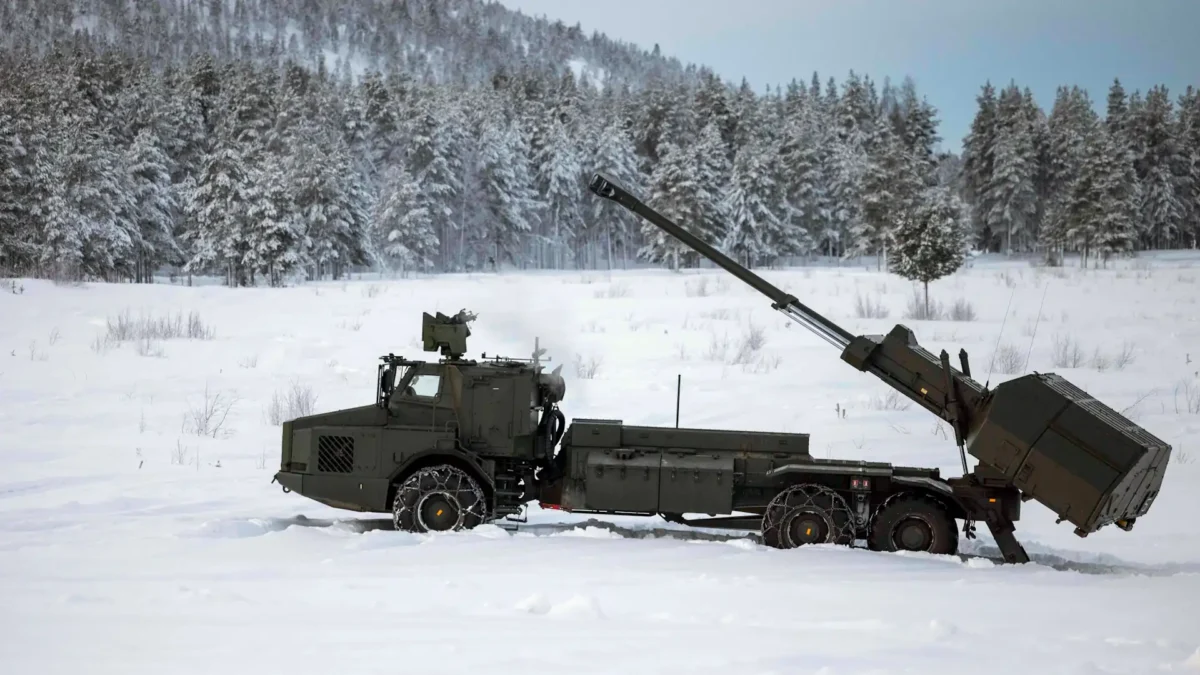
Another big difference is crew protection. With Archer, the gun can fire without anyone stepping outside, which matters in environments where drones or counter-battery fire are constant threats. Caesar crews still need to operate in the open during parts of the firing process, which exposes them more, but it also keeps the system lighter and easier to deploy.
Read also: France’s Caesar Howitzer: A Game-Changer in Ukraine War?
Then there’s mobility and transportability. Caesar is generally lighter, which makes it easier to move by aircraft (even medium-lift planes like the C-130). Archer, being bulkier and heavier, usually needs larger transport or road/rail movement. This means Caesar may be favored for rapid overseas deployment, while Archer suits forces that prioritize survivability and automation once deployed.
The most striking difference is Archer’s heavy reliance on automation. A lot of the work that once fell to several soldiers is now done by machines, so the crew can stay protected and operate more quickly. It’s a net gain in efficiency, but one tempered by reality: automation adds complexity, and complexity needs upkeep, parts, and people who understand the kit. In an army with good technical support, that might be an advantage; in a more austere environment, it could be a vulnerability.
Caesar takes a different approach. Its design is simpler, lighter, and requires more hands-on input from the crew. While this makes firing a little slower and exposes soldiers to more risk during operations, it also allows crews to carry out quick fixes or adapt the system in the field if something goes wrong.
Some soldiers even argue that this makes Caesar more “forgiving” in rough conditions, since you don’t need to rely as much on specialized spare parts or technicians to keep it running.
The balance between crew protection and mobility is another dividing line. One of Archer’s selling points is that its crew stays under armor for the whole firing process. This is a big deal at a time when enemy sensors and drones can locate guns in minutes.
Caesar leans the other way: it focuses on mobility. The system is light enough to be flown in a C-130, which makes rapid overseas deployment a real option. That difference in philosophy reflects not just technology but doctrine: Archer emphasizes survivability once in place, while Caesar emphasizes rapid global movement.
Which is better? Neither system stands out as universally “better.” Instead, their differences highlight two distinct paths in artillery development: one built around automation and protection, the other around simplicity and deployability. Which one is preferable depends less on the specs sheet and more on the kind of operations a military expects to face.
One of the clearest advantages of systems like Archer artillery systems is how naturally they fit into modern “shoot and scoot” doctrine. Modern fighting increasingly favors short, precise fire missions over long, static barrages. The trick is to shoot, then move before sensors or drones can find you.
Archer’s automation and mobility make that routine easier to pull off, and doing it reliably matters more than a one-off clever move. Crews can expect to spend less time exposed, which in turn raises the chances that the system remains available for the next mission.
This directly ties into the second advantage: battlefield survivability. Survivability in modern artillery doesn’t only come from armor thickness, but from being harder to target in the first place. Archer emphasizes reducing exposure by keeping the crew inside the cab, shortening setup times, and relocating quickly after firing.
The protection approach is less about brute armor and more about not being caught at all. That makes sense in an era when drones and tracking radars can expose a gun line in minutes.
Finally, there is the question of real-world use. Sweden has transferred Archer units to Ukraine, where they have been deployed in the context of Russia’s invasion.
Reports from that conflict suggest that highly mobile, digitally integrated guns like Archer have been valuable in countering Russian firepower, especially when paired with NATO-standard ammunition and intelligence support.
While it’s difficult to measure impact precisely (accounts vary, and battlefield conditions change rapidly), the system’s presence in Ukraine illustrates how Western militaries see value in providing artillery that can combine range, mobility, and crew protection. It also highlights how shoot-and-scoot artillery is increasingly seen not as a niche capability, but as a mainstream requirement in modern wars